Fischer Michael J M, Soller Kailey J, Sauer Susanne K, Kalucka Joanna, Veglia Gianluigi, Reeh Peter W
Institute of Physiology and Pathophysiology, University of Erlangen-Nürnberg, Erlangen, Germany.
Department of Chemistry, University of Minnesota, Minneapolis, United States of America.
PLoS One. 2015 Apr 15;10(4):e0123762. doi: 10.1371/journal.pone.0123762. eCollection 2015.
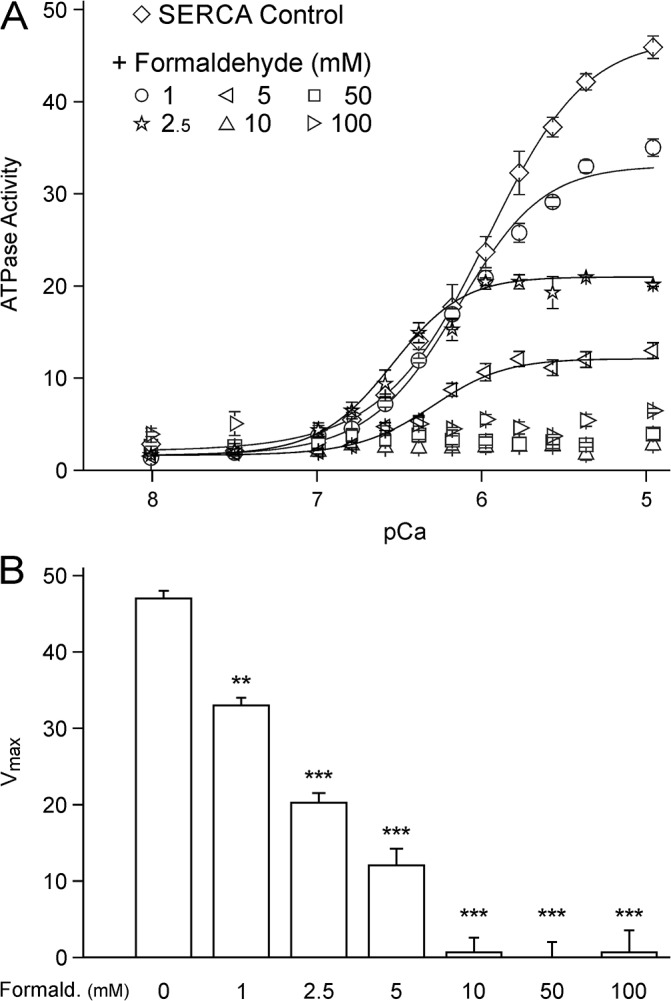
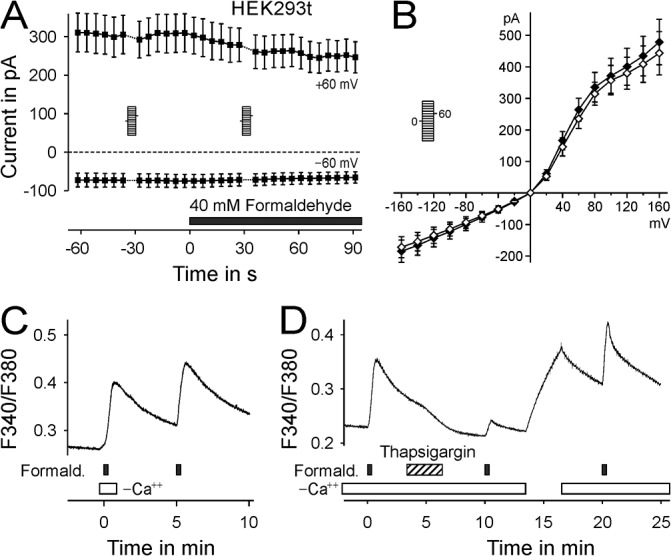
The formalin test is the most widely used behavioral screening test for analgesic compounds. The cellular mechanism of action of formaldehyde, inducing a typically biphasic pain-related behavior in rodents is addressed in this study. The chemoreceptor channel TRPA1 was suggested as primary transducer, but the high concentrations used in the formalin test elicit a similar response in TRPA1 wildtype and knockout animals. Here we show that formaldehyde evokes a dose-dependent calcium release from intracellular stores in mouse sensory neurons and primary keratinocytes as well as in non-neuronal cell lines, and independent of TRPA1. The source of calcium is the endoplasmatic reticulum and inhibition of the sarco/endoplasmic reticulum calcium-ATPase has a major contribution. This TRPA1-independent mechanism may underlie formaldehyde-induced pan-neuronal excitation and subsequent inflammation.
福尔马林试验是用于镇痛化合物的最广泛使用的行为筛选试验。本研究探讨了甲醛在啮齿动物中诱导典型双相疼痛相关行为的细胞作用机制。化学感受器通道TRPA1被认为是主要的传感器,但福尔马林试验中使用的高浓度在TRPA1野生型和基因敲除动物中引发了类似的反应。在这里,我们表明甲醛在小鼠感觉神经元、原代角质形成细胞以及非神经元细胞系中引起细胞内钙库的剂量依赖性钙释放,且与TRPA1无关。钙的来源是内质网,肌浆/内质网钙ATP酶的抑制起主要作用。这种与TRPA1无关的机制可能是甲醛诱导的全神经元兴奋和随后炎症的基础。