Zakynthinaki Maria S
Department of Electronics, Technological Educational Institute of Crete, and Applied Mathematics and Computers Laboratory, Technical University of Crete, Chania, Greece.
PLoS One. 2015 Apr 13;10(4):e0118263. doi: 10.1371/journal.pone.0118263. eCollection 2015.
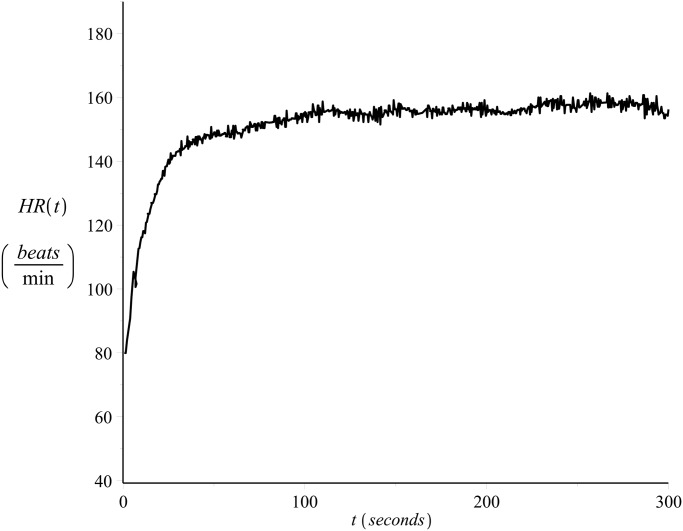
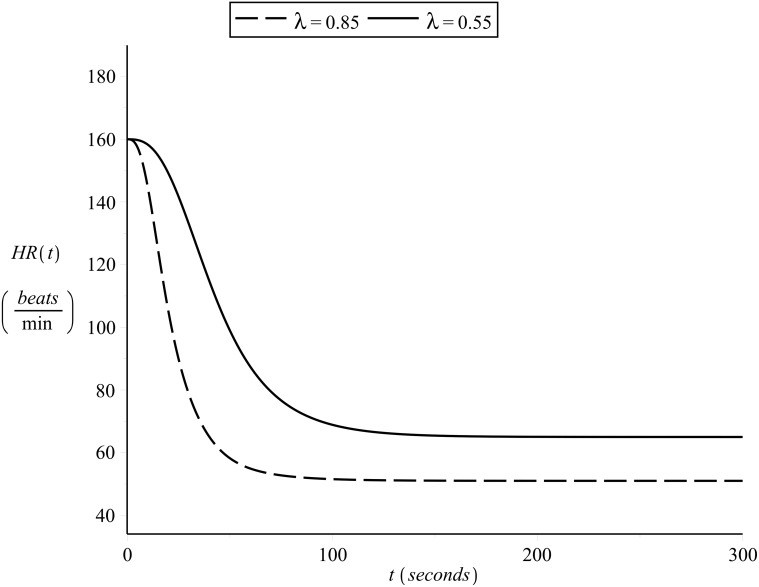
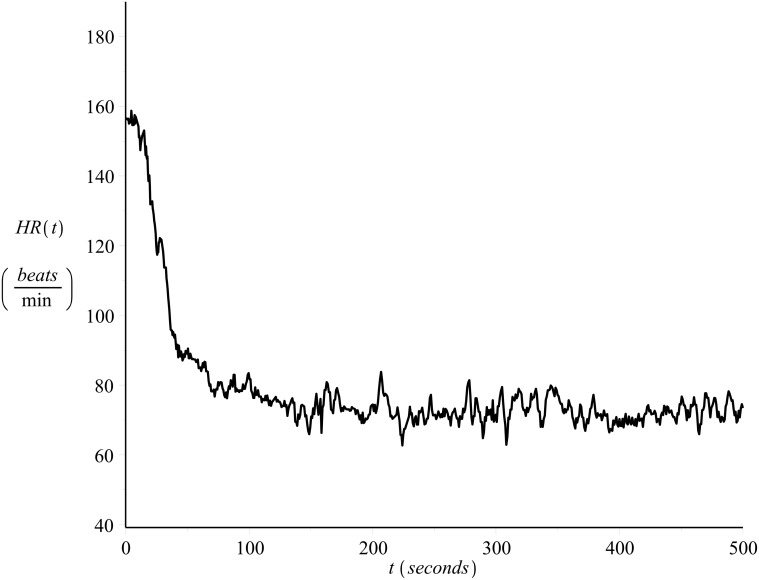
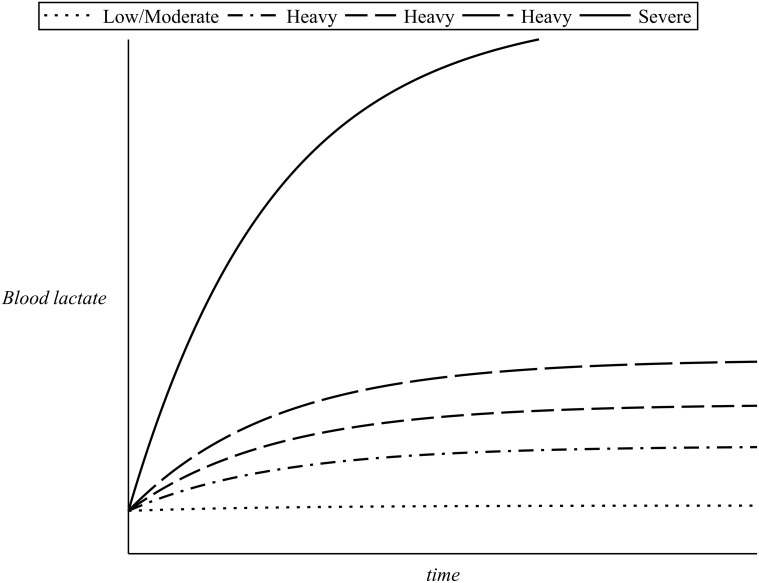
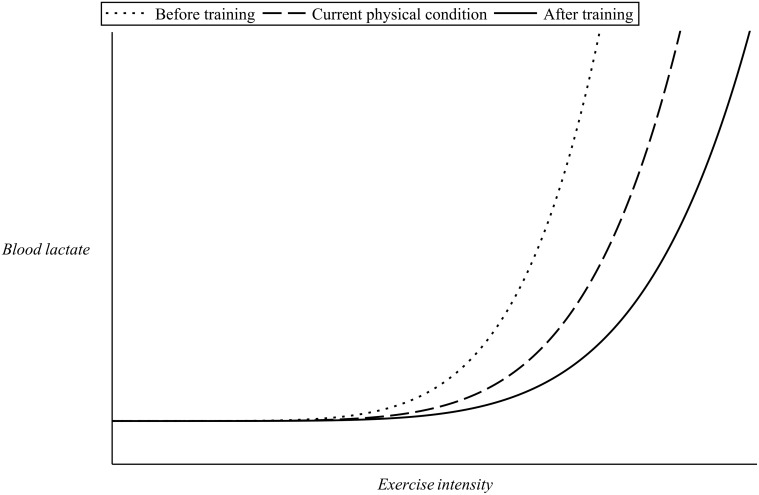
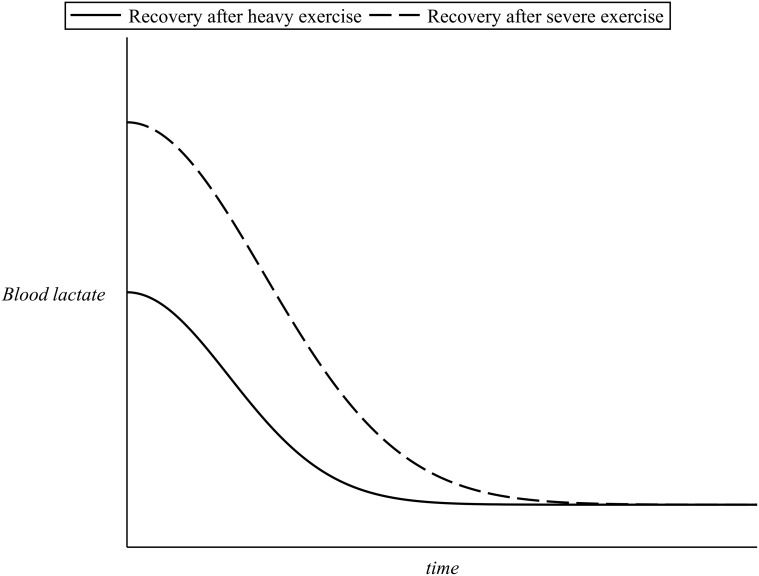
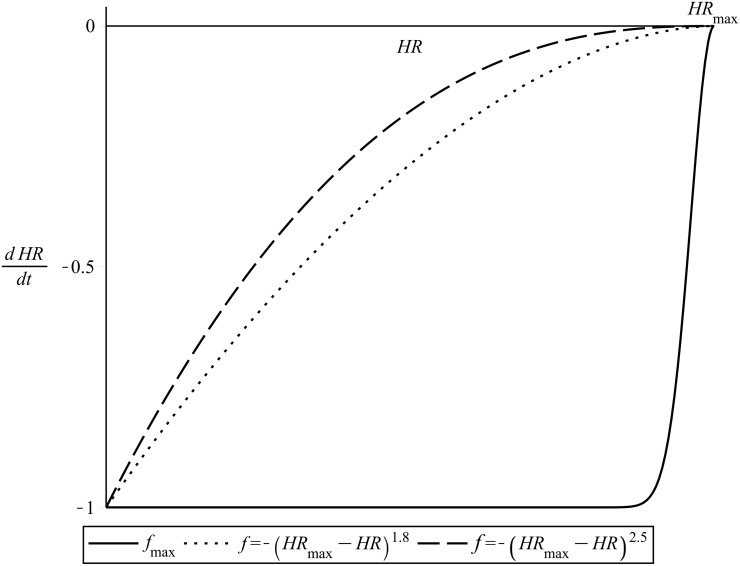
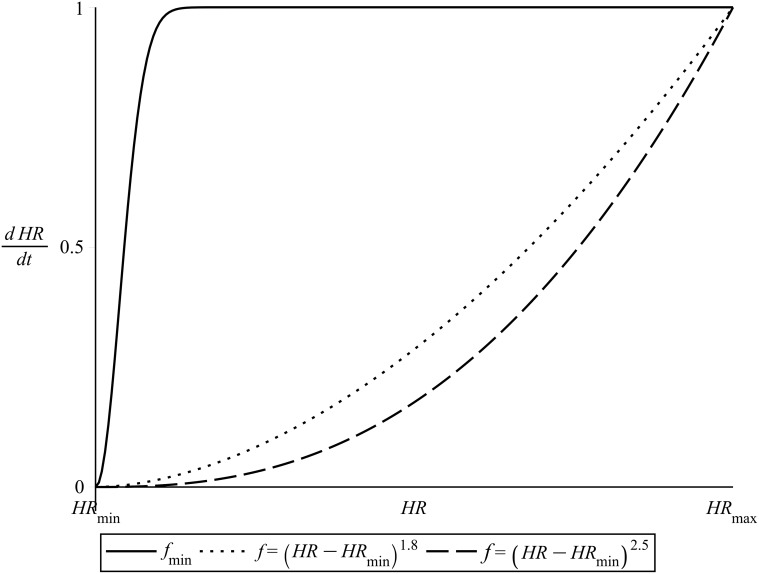
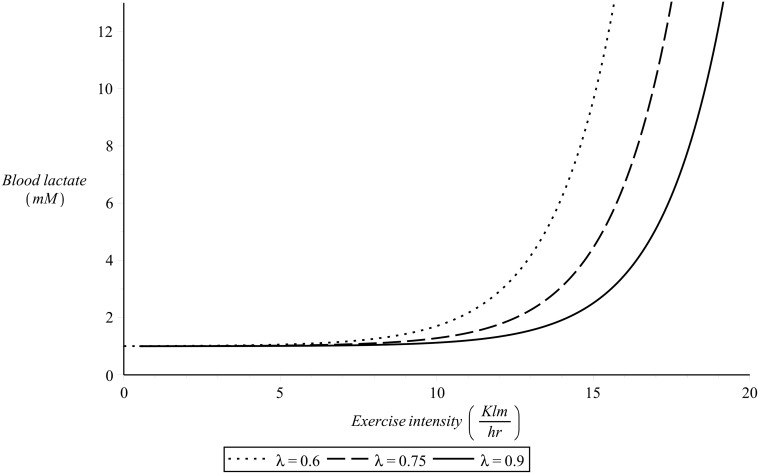
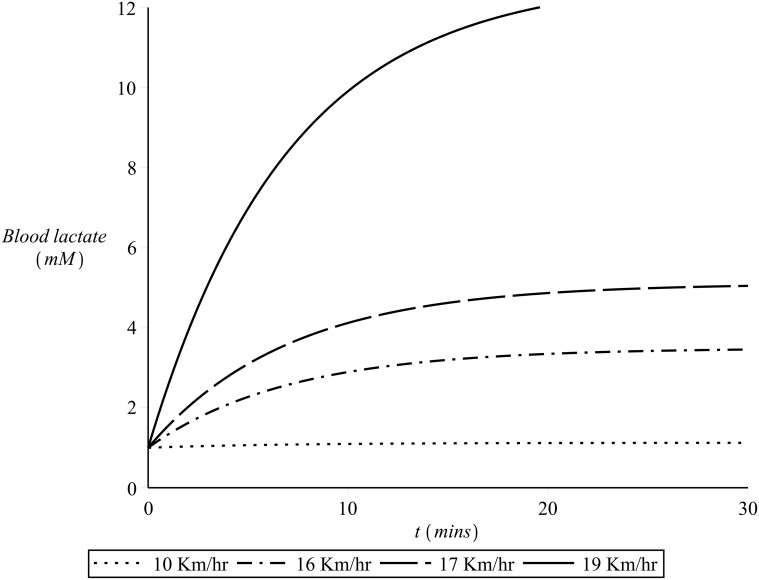
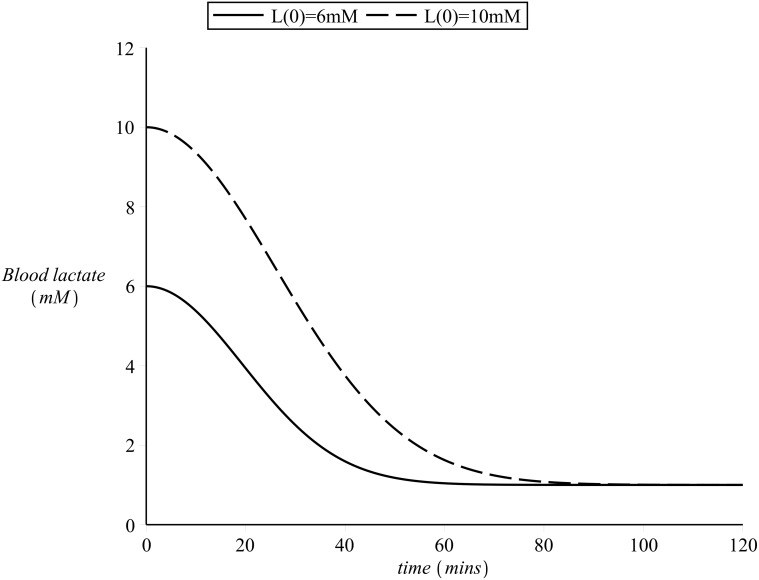
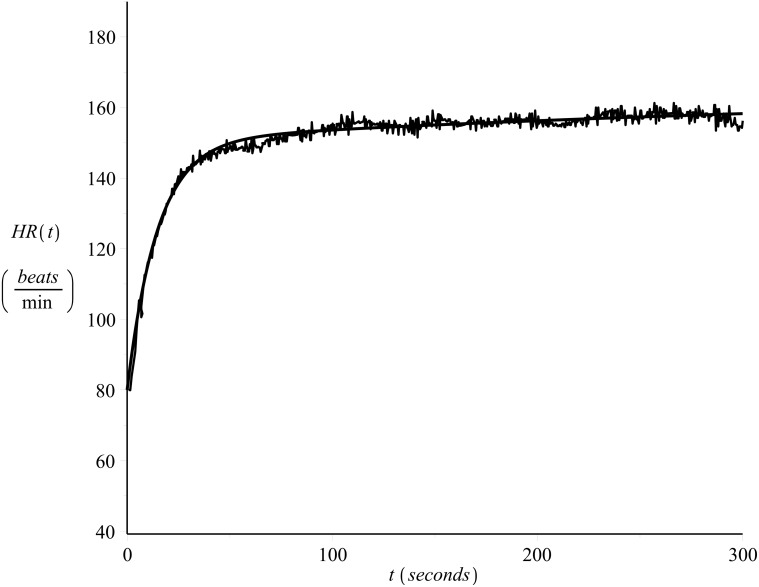
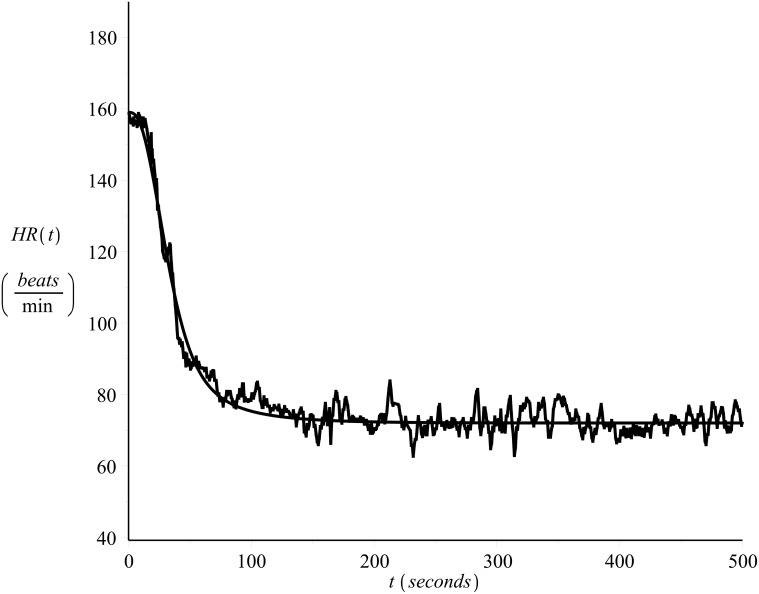
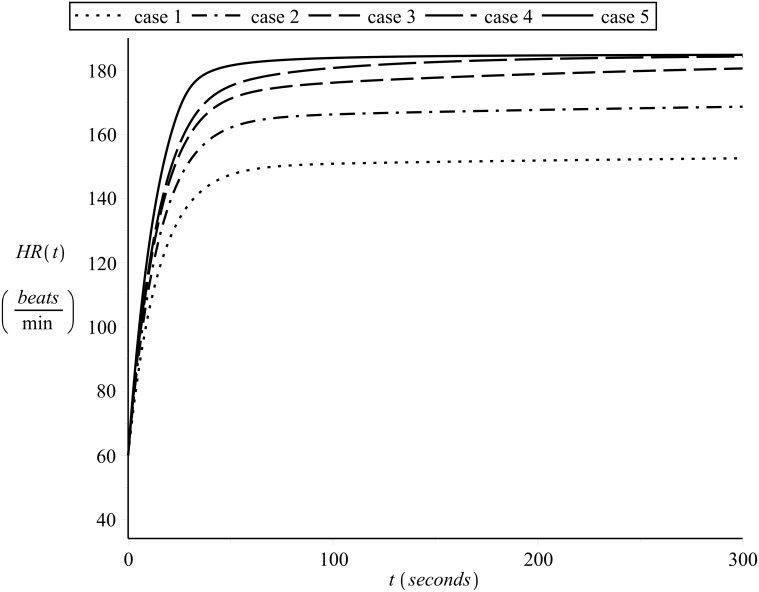
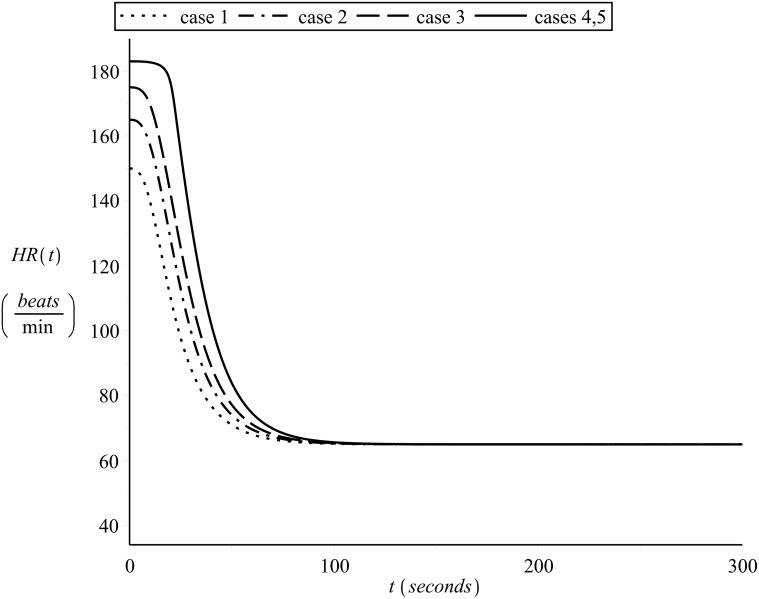
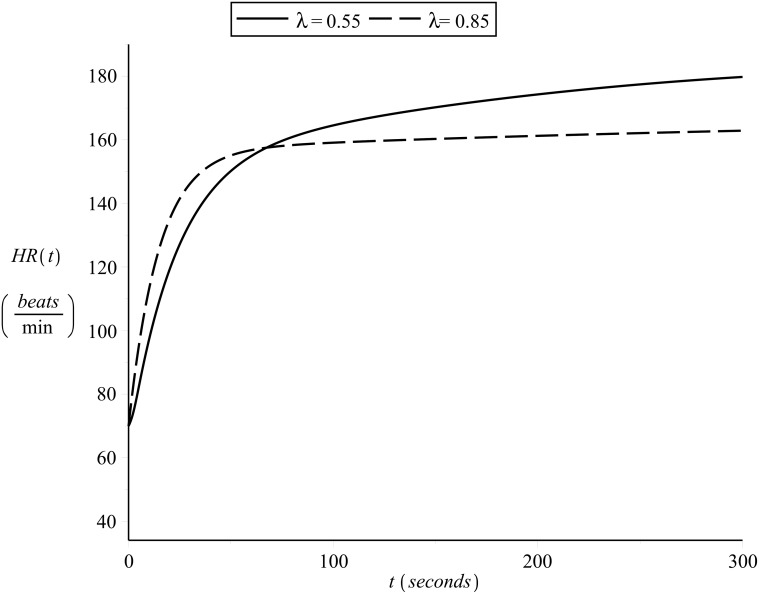
The objective of the present study was to formulate a simple and at the same time effective mathematical model of heart rate kinetics in response to movement (exercise). Based on an existing model, a system of two coupled differential equations which give the rate of change of heart rate and the rate of change of exercise intensity is used. The modifications introduced to the existing model are justified and discussed in detail, while models of blood lactate accumulation in respect to time and exercise intensity are also presented. The main modification is that the proposed model has now only one parameter which reflects the overall cardiovascular condition of the individual. The time elapsed after the beginning of the exercise, the intensity of the exercise, as well as blood lactate are also taken into account. Application of the model provides information regarding the individual's cardiovascular condition and is able to detect possible changes in it, across the data recording periods. To demonstrate examples of successful numerical fit of the model, constant intensity experimental heart rate data sets of two individuals have been selected and numerical optimization was implemented. In addition, numerical simulations provided predictions for various exercise intensities and various cardiovascular condition levels. The proposed model can serve as a powerful tool for a complete means of heart rate analysis, not only in exercise physiology (for efficiently designing training sessions for healthy subjects) but also in the areas of cardiovascular health and rehabilitation (including application in population groups for which direct heart rate recordings at intense exercises are not possible or not allowed, such as elderly or pregnant women).
本研究的目的是建立一个简单且同时有效的运动(锻炼)心率动力学数学模型。基于现有模型,使用了一个由两个耦合微分方程组成的系统,该系统给出心率变化率和运动强度变化率。对现有模型所做的修改得到了论证并进行了详细讨论,同时还给出了血乳酸积累相对于时间和运动强度的模型。主要修改之处在于,所提出的模型现在只有一个反映个体整体心血管状况的参数。还考虑了运动开始后的时间、运动强度以及血乳酸。该模型的应用提供了有关个体心血管状况的信息,并且能够在数据记录期间检测其可能的变化。为了展示该模型成功数值拟合的示例,选择了两个个体的恒定强度实验心率数据集并进行了数值优化。此外,数值模拟为各种运动强度和各种心血管状况水平提供了预测。所提出的模型不仅可以作为运动生理学中(用于为健康受试者有效设计训练课程)心率分析的有力工具,而且还可以用于心血管健康和康复领域(包括应用于无法或不允许在剧烈运动时直接记录心率的人群,如老年人或孕妇)。