Laboratory of Ethology and Animal Welfare (LEBA), Department of Veterinary Medicine, Perugia University, Perugia, Italy.
GdF (Military Force of Guardia di Finanza), Dog Breeding and Training Course, Castiglione Del Lago (PG), Italy.
PLoS One. 2019 Jun 14;14(6):e0218275. doi: 10.1371/journal.pone.0218275. eCollection 2019.
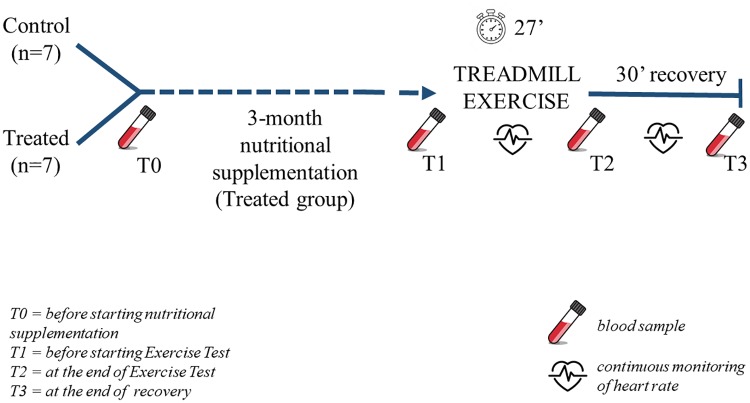
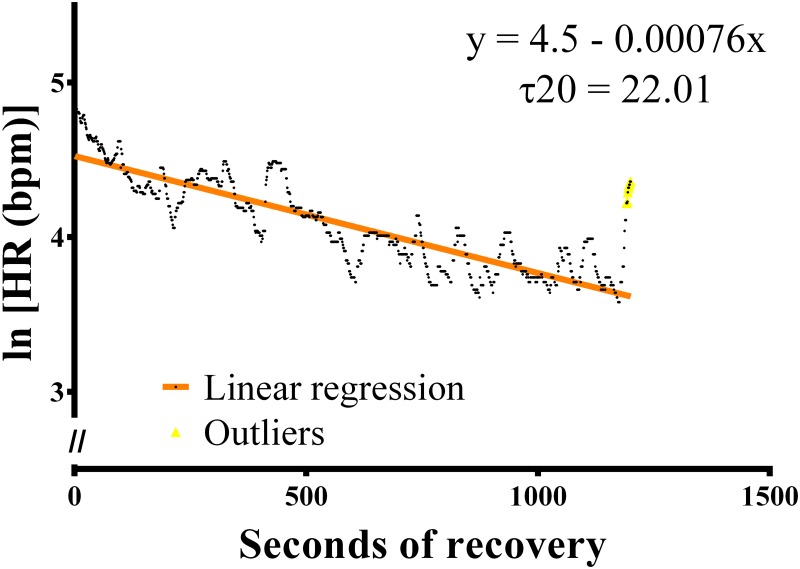
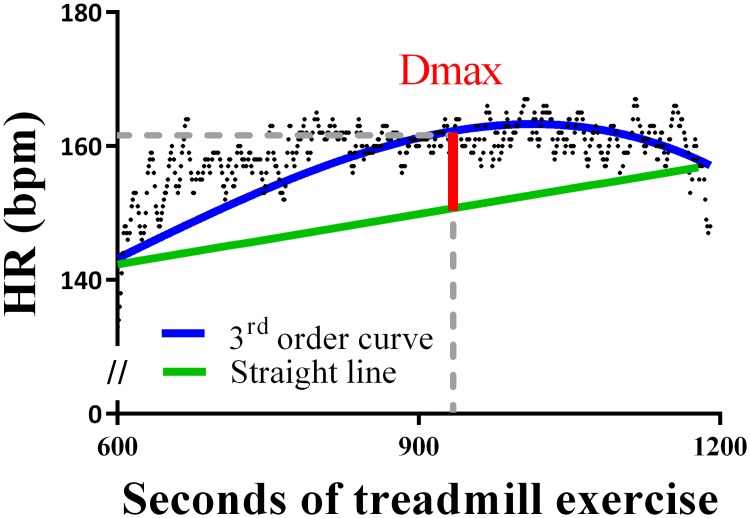
A high standard of physical fitness is an essential characteristic of drug detection dogs because it affects not only their ability to sustain high activity levels but also their attention and olfaction efficiency. Nutritional supplements could improve physical fitness by modulating energy metabolism, oxidative processes, and perceived fatigue. The aim of this study was to investigate the physiological and biochemical changes induced by submaximal exercise on drug detection dogs (German Shepherd breed) and to assess whether a dietary supplement improves their physical fitness. During a drug detection dog training course, seven dogs were fed with a basal diet (Control Group) for three-month period, while a further seven dogs were fed with a basal diet as well as a daily nutritional supplement containing branched-chain and limiting amino acids, carnitine, vitamins, and octacosanol (Treatment Group). At the end of this period, individual physical fitness was assessed by making each subject take a graded treadmill exercise test. A human heart rate monitor system was used to record the dog's heart rate (HR) during the treadmill exercise and the subsequent recovery period. The parameters related to HR were analysed using nonparametric statistics. Blood samples were collected before starting the nutritional supplement treatment, before and after the treadmill exercise and following recovery. Linear mixed models were used. The dietary supplements accelerated HR recovery, as demonstrated by the lower HR after recovery (P<0.05) and Time constants of HR decay (P<0.05), and by the higher Absolute HR Recovered (P<0.05) recorded in the Treatment group compared with the Control dogs. The supplemented dogs showed the lowest concentrations of creatine kinase (CK; P<0.001), aspartate aminotransferase (AST, P<0.05) and non-esterified fatty acids (NEFA; P<0.01) suggesting a reduction in muscle damage and improvement of energy metabolism. These data suggest that this combined supplement can significantly enhance the physical fitness of drug detection dogs.
体能水平是警犬的一个重要特征,因为它不仅影响犬的持续高强度活动能力,还影响犬的注意力和嗅觉效率。营养补充剂可以通过调节能量代谢、氧化过程和感知疲劳来提高体能。本研究旨在研究亚极限运动对缉毒犬(德国牧羊犬)的生理和生化变化,并评估饮食补充剂是否能提高犬的体能。在缉毒犬训练课程中,7 只犬连续 3 个月喂食基础日粮(对照组),而另外 7 只犬喂食基础日粮以及含有支链和必需氨基酸、肉碱、维生素和二十八烷醇的每日营养补充剂(治疗组)。在这段时间结束时,通过让每只犬进行分级跑步机运动测试来评估个体体能。使用人体心率监测系统记录犬在跑步机运动期间和随后的恢复期间的心率(HR)。使用非参数统计分析 HR 相关参数。在开始营养补充剂治疗前、跑步机运动前后和恢复后采集血液样本。使用线性混合模型。膳食补充剂加速了 HR 的恢复,表现为恢复后 HR 较低(P<0.05)和 HR 衰减时间常数较低(P<0.05),以及治疗组犬记录的绝对 HR 恢复较高(P<0.05)与对照组相比。补充剂组犬的肌酸激酶(CK;P<0.001)、天门冬氨酸转氨酶(AST,P<0.05)和非酯化脂肪酸(NEFA;P<0.01)浓度最低,表明肌肉损伤减少和能量代谢改善。这些数据表明,这种联合补充剂可以显著提高缉毒犬的体能。