Sharon Chetna, Baranwal Somesh, Patel Nirmita J, Rodriguez-Agudo Daniel, Pandak William M, Majumdar Adhip P N, Krystal Geoffrey, Patel Bhaumik B
Division of Hematology, Oncology and Palliative Care, Virginia Commonwealth University, Richmond, VA, USA.
Hunter Holmes McGuire VA Medical Center, Richmond, VA, USA.
Oncotarget. 2015 Jun 20;6(17):15332-47. doi: 10.18632/oncotarget.3684.
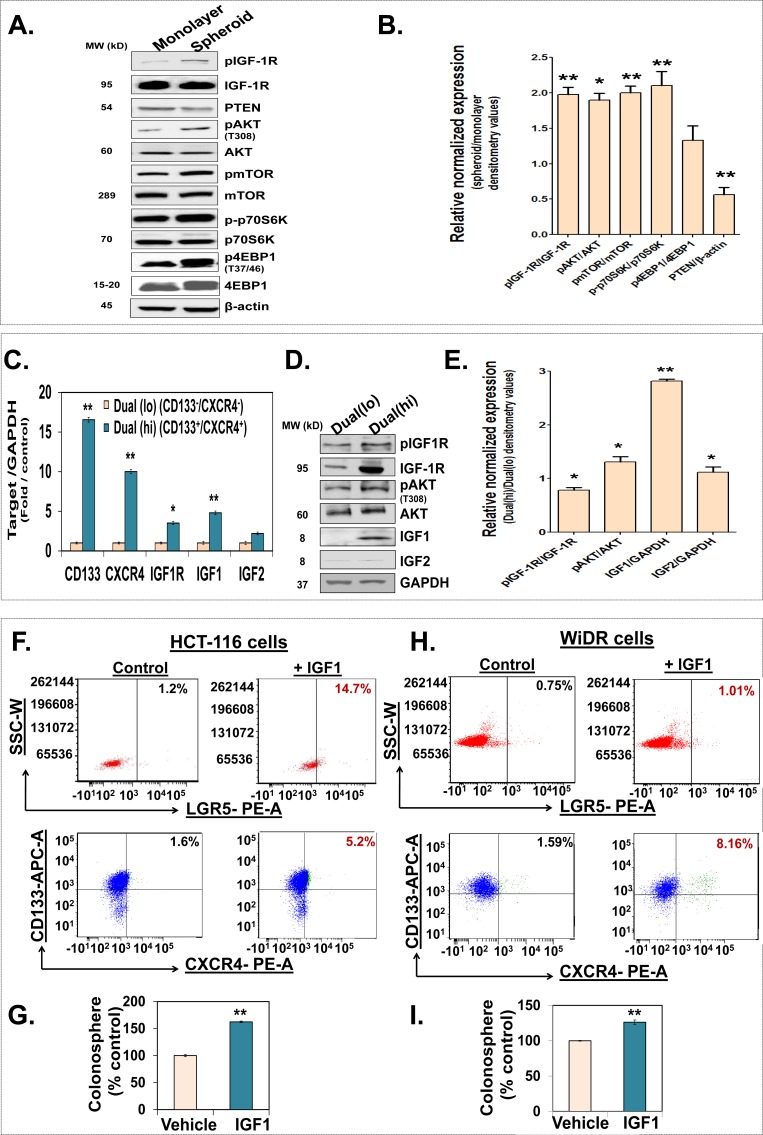
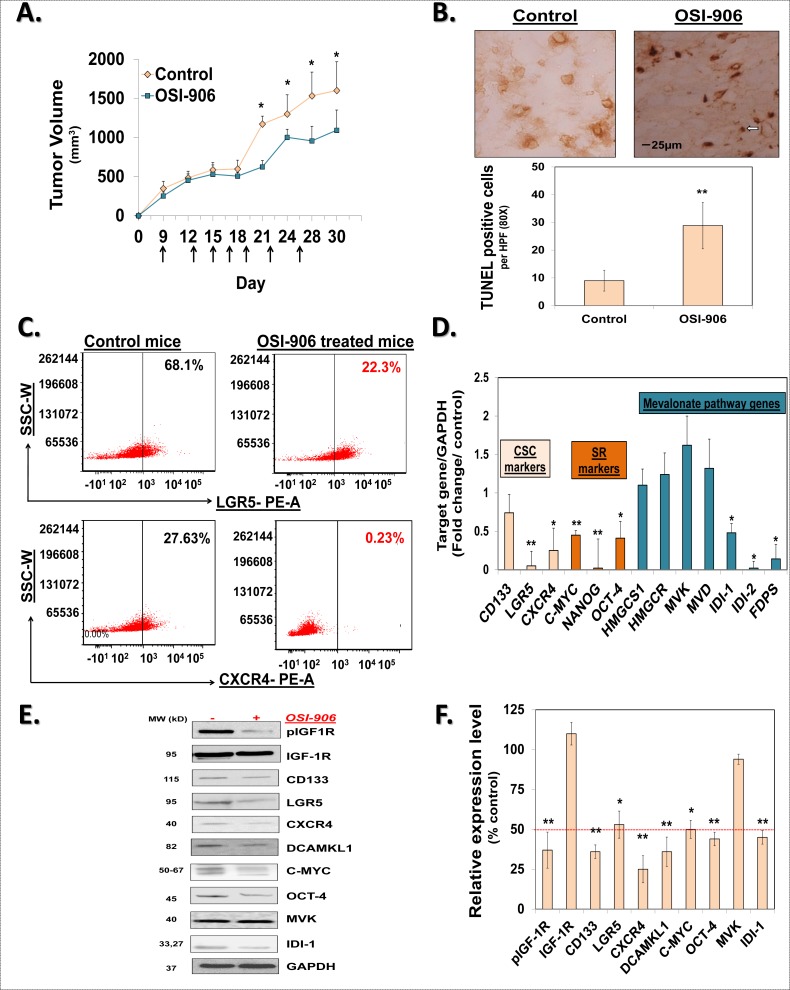
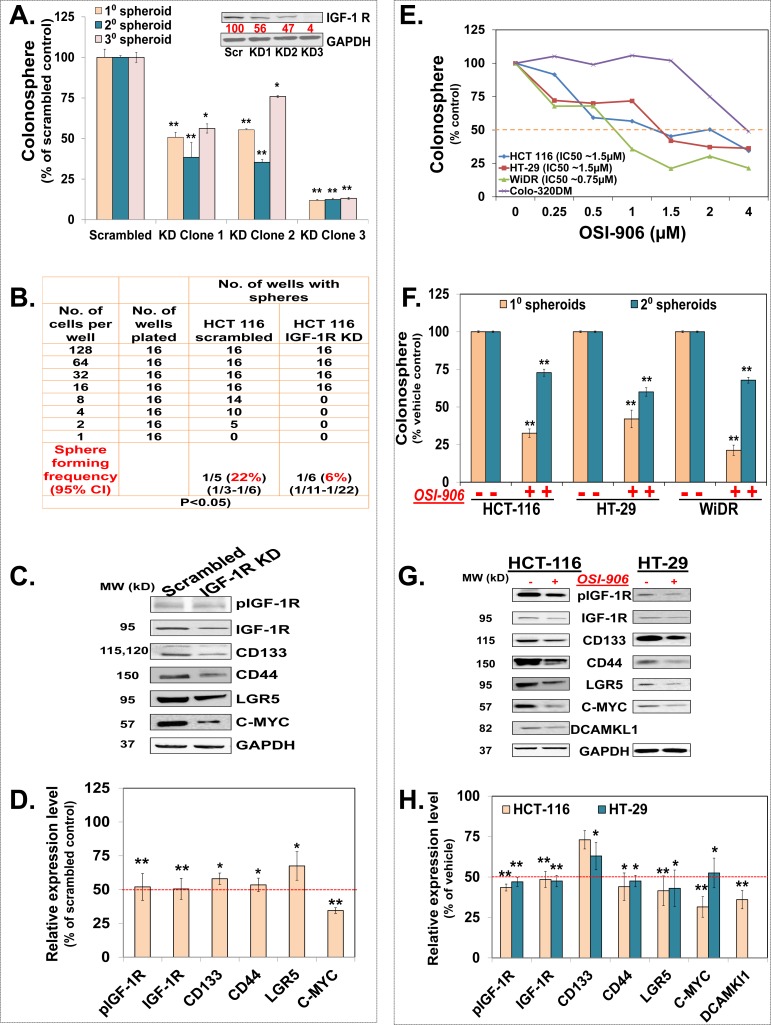
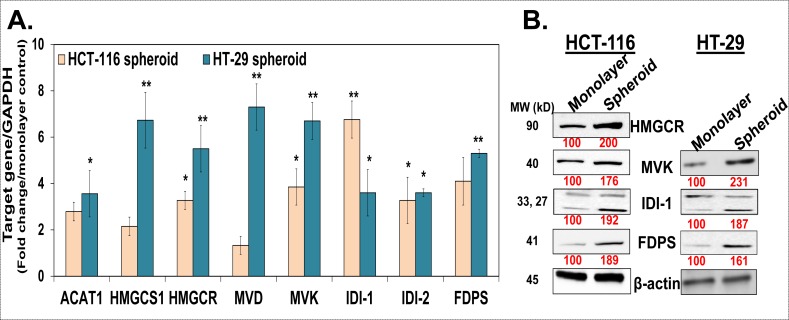
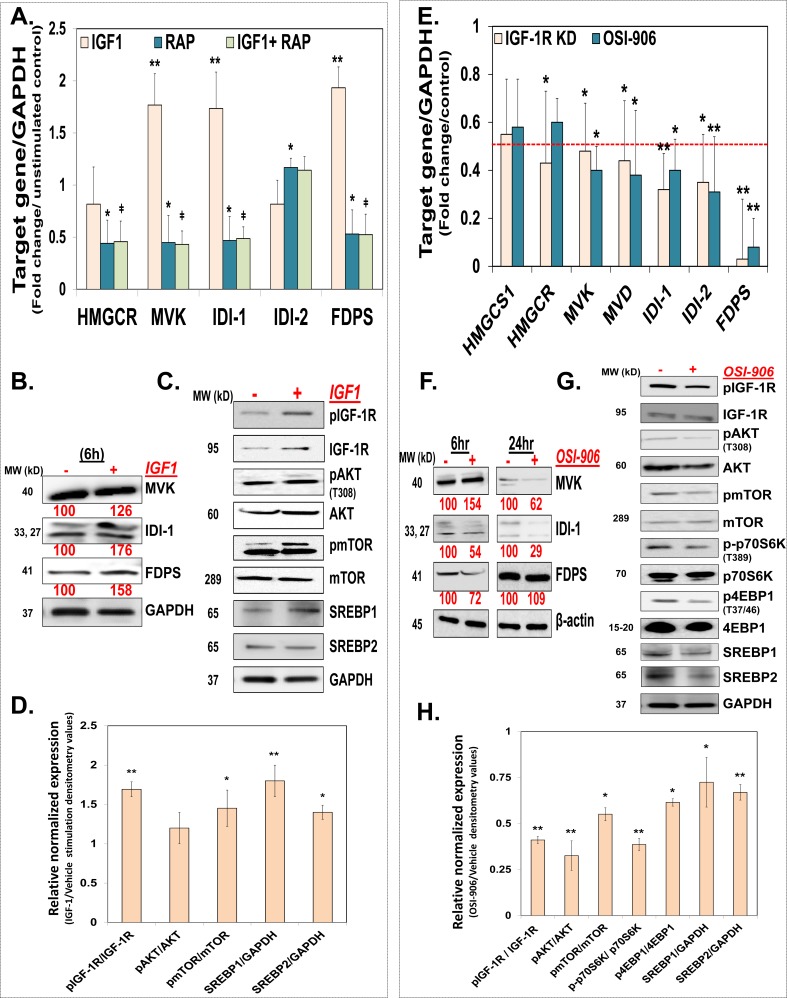
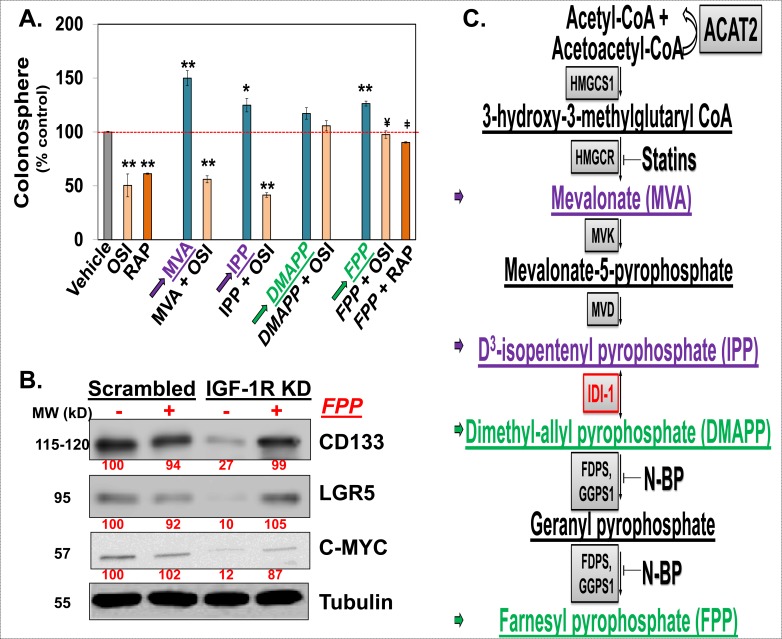
We observed a co-upregulation of the insulin-like growth factor receptor (IGF-1R)/AKT/mammalian target of rapamycin (mTOR) [InAT] axis and the mevalonate-isoprenoid biosynthesis (MIB) pathways in colorectal cancer stem cells (CSCs) in an unbiased approach. Hence, we hypothesized that the InAT axis might regulate the MIB pathway to govern colorectal CSCs growth. Stimulation (IGF-1) or inhibition (IGF-1R depletion and pharmacological inhibition of IGF-1R/mTOR) of the InAT axis produced induction or attenuation of CSC growth as well as expression of CSC markers and self-renewal factors respectively. Intriguingly, activation of the InAT axis (IGF-1) caused significant upregulation of the MIB pathway genes (both mRNA and protein); while its inhibition produced the opposite effects in colonospheres. More importantly, supplementation with dimethylallyl- and farnesyl-PP, MIB metabolites downstream of isopentenyl-diphosphate delta isomerase (IDI), but not mevalonate and isopentenyl-pp that are upstream of IDI, resulted in a near-complete reversal of the suppressive effect of the InAT axis inhibitors on CSCs growth. The latter findings suggest a specific regulation of the MIB pathway by the InAT axis distal to the target of statins that inhibit 3-hydroxy-3-methyl-glutaryl-CoA reductase (HMGCR). Effects of IGF-1R inhibition on colonic CSCs proliferation and the MIB pathway were confirmed in an 'in vivo' HCT-116 xenograft model. These observations establish a novel mechanistic link between the InAT axis that is commonly deregulated in colorectal cancer and the MIB pathway in regulation of colonic CSCs growth. Hence, the InAT-MIB corridor is a novel target for developing paradigm shifting optimum anti-CSCs therapies for colorectal cancer.
我们以一种无偏倚的方法观察到,在结直肠癌干细胞(CSCs)中胰岛素样生长因子受体(IGF-1R)/AKT/雷帕霉素哺乳动物靶蛋白(mTOR)[InAT]轴与甲羟戊酸-异戊二烯生物合成(MIB)途径共同上调。因此,我们推测InAT轴可能调节MIB途径以控制结直肠癌干细胞的生长。InAT轴的刺激(IGF-1)或抑制(IGF-1R缺失以及对IGF-1R/mTOR的药理学抑制)分别导致CSC生长以及CSC标志物和自我更新因子表达的诱导或减弱。有趣的是,InAT轴的激活(IGF-1)导致MIB途径基因(mRNA和蛋白质)显著上调;而其抑制在结肠球中产生相反的效果。更重要的是,补充二甲基烯丙基-PP和法尼基-PP,这两种物质是异戊烯基二磷酸δ异构酶(IDI)下游的MIB代谢产物,但不是IDI上游的甲羟戊酸和异戊烯基-PP,导致InAT轴抑制剂对CSC生长的抑制作用几乎完全逆转。后一项发现表明InAT轴对MIB途径的特异性调节发生在他汀类药物作用靶点(抑制3-羟基-3-甲基戊二酰辅酶A还原酶(HMGCR))的下游。在“体内”HCT-116异种移植模型中证实了IGF-1R抑制对结肠CSC增殖和MIB途径的影响。这些观察结果在结直肠癌中通常失调的InAT轴与调节结肠CSC生长的MIB途径之间建立了一种新的机制联系。因此,InAT-MIB通道是开发用于结直肠癌的范式转变最佳抗CSC疗法的新靶点。