Caruso Maria, Ferranti Francesca, Corano Scheri Katia, Dobrowolny Gabriella, Ciccarone Fabio, Grammatico Paola, Catizone Angela, Ricci Giulia
Department of Anatomy, Histology, Forensic Medicine and Orthopedics-Section of Histology and Medical Embryology, Sapienza University of Rome, Rome, Italy.
Department of Anatomy, Histology, Forensic Medicine and Orthopedics-Section of Histology and Medical Embryology, Sapienza University of Rome, Rome, Italy; Italian Space Agency, Rome, Italy.
PLoS One. 2015 Apr 24;10(4):e0124213. doi: 10.1371/journal.pone.0124213. eCollection 2015.
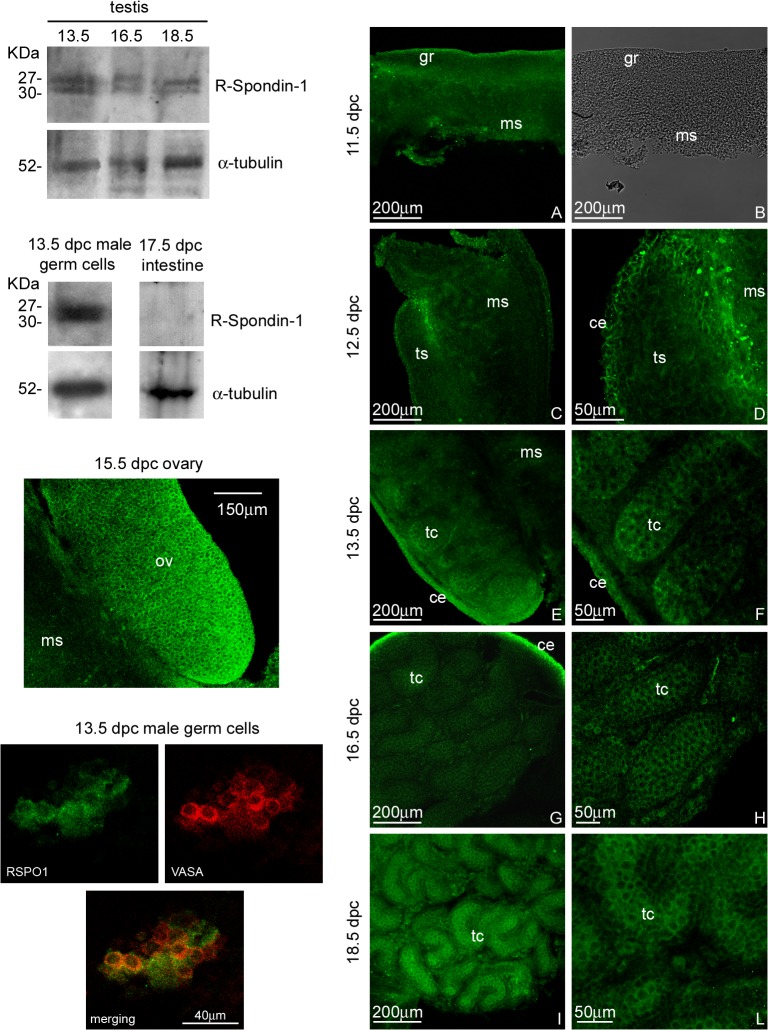
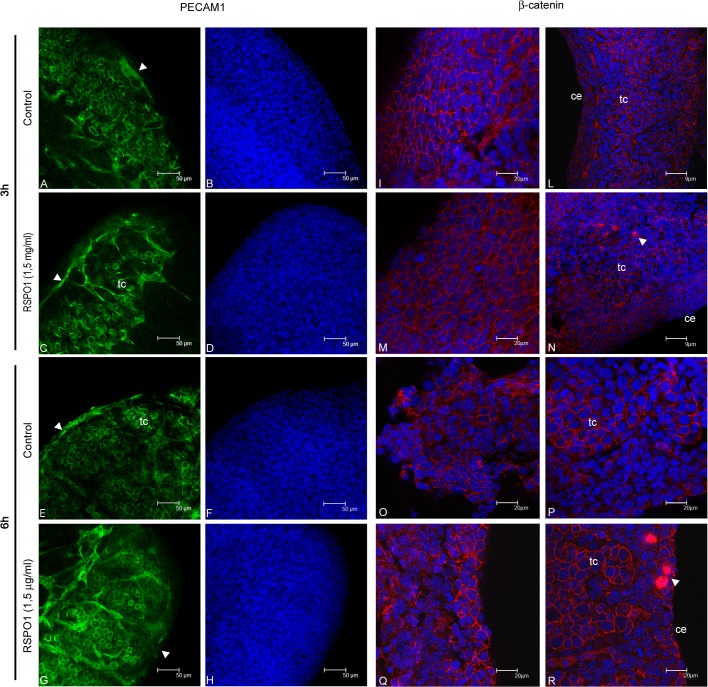
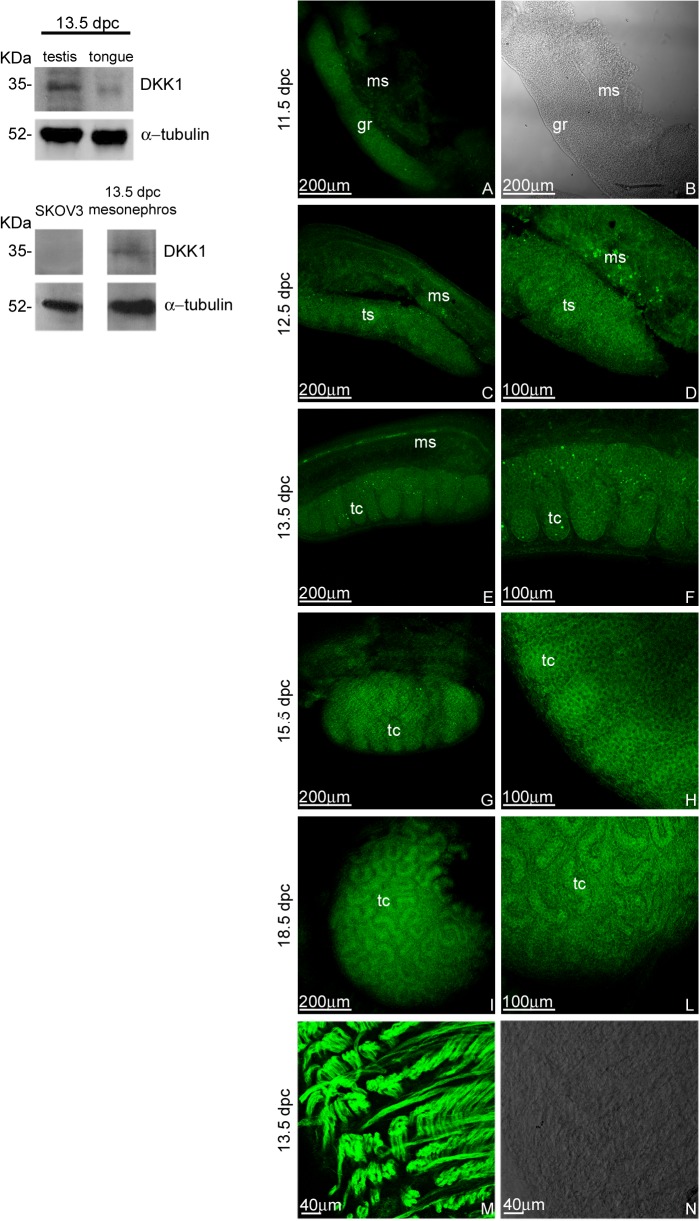
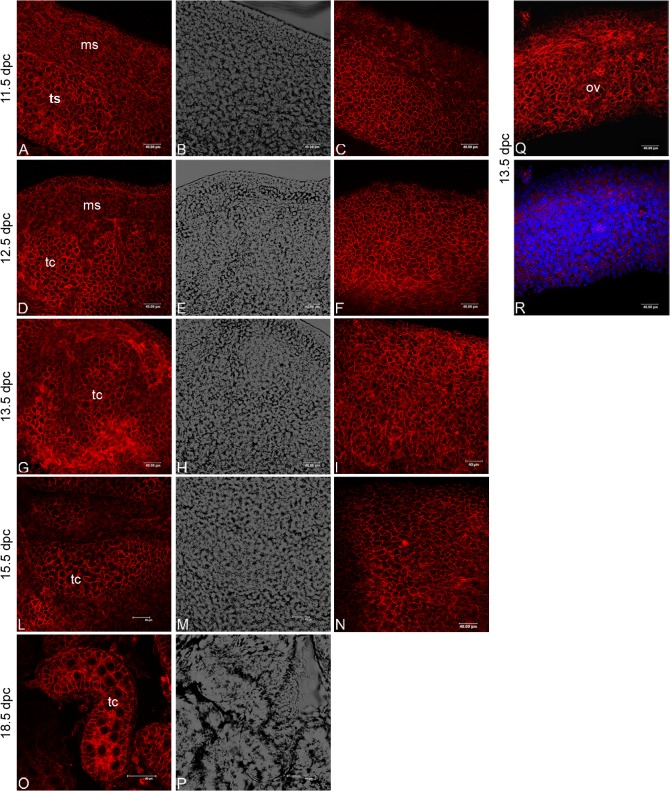
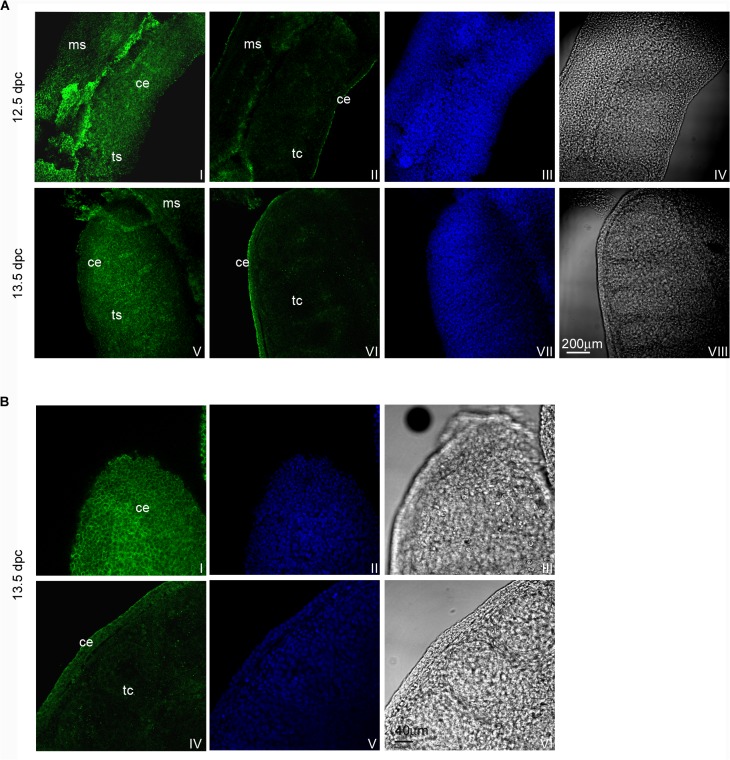
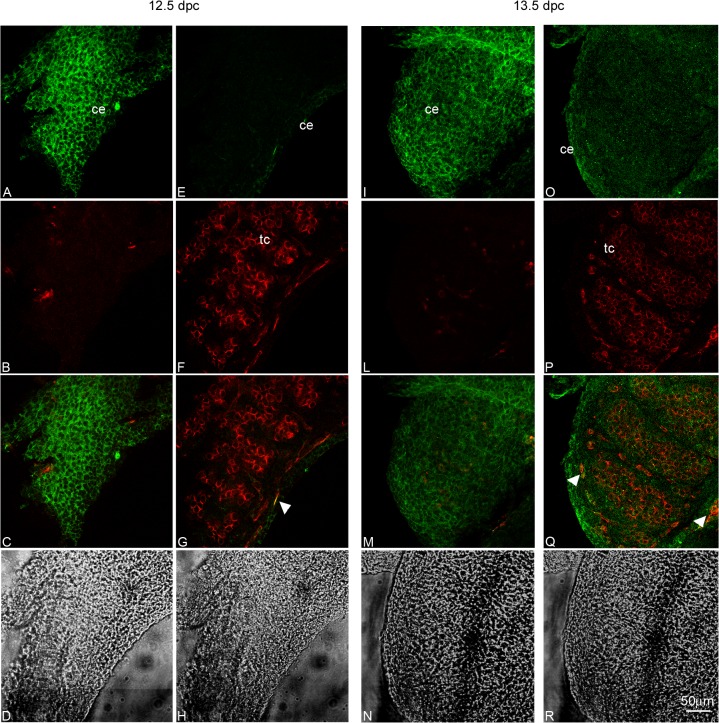
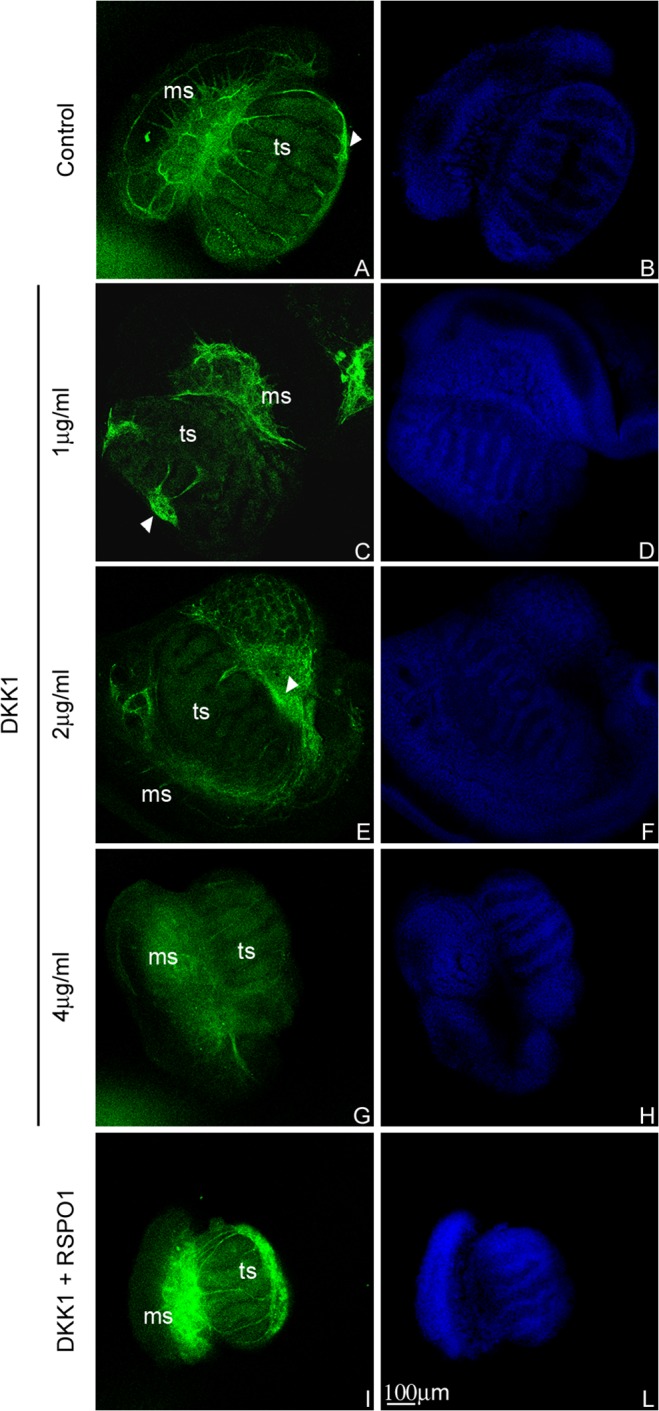
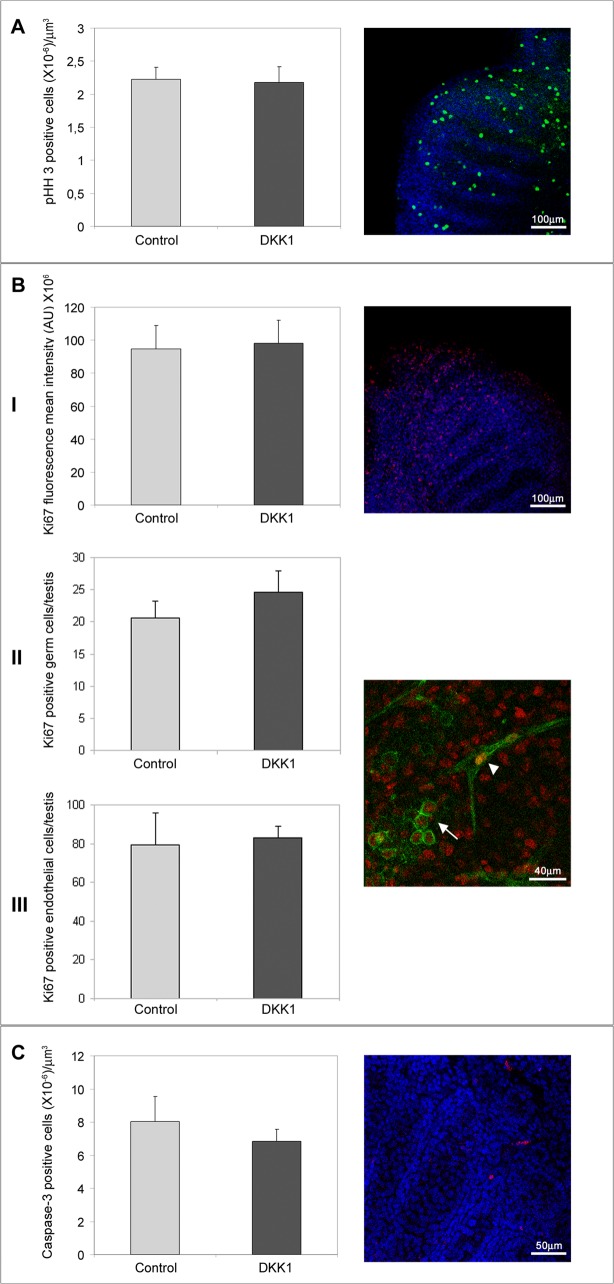
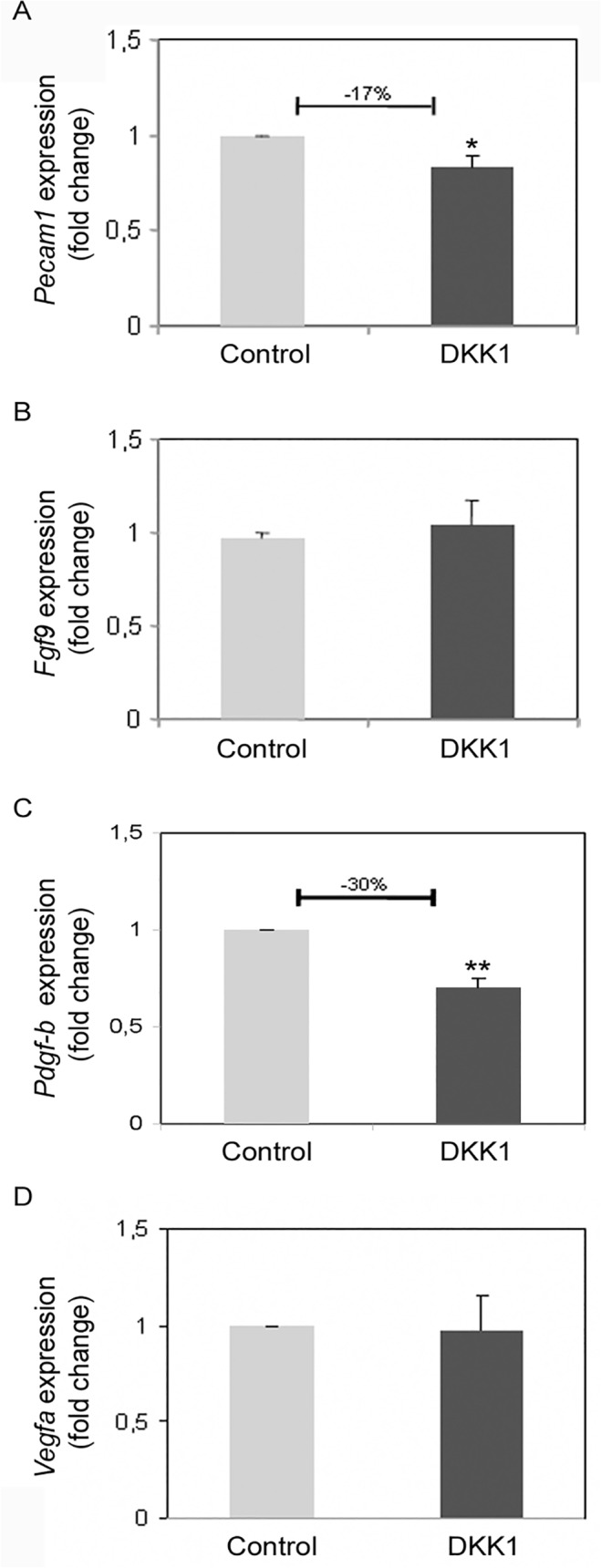
Testicular vasculogenesis is one of the key processes regulating male gonad morphogenesis. The knowledge of the molecular cues underlining this phenomenon is one of today's most challenging issues and could represent a major contribution toward a better understanding of the onset of testicular morphogenetic disorders. R-spondin 1 has been clearly established as a candidate for mammalian ovary determination. Conversely, very little information is available on the expression and role of R-spondin 1 during testicular morphogenesis. This study aims to clarify the distribution pattern of R-spondin 1 and other partners of its machinery during the entire period of testicular morphogenesis and to indicate the role of this system in testicular development. Our whole mount immunofluorescence results clearly demonstrate that R-spondin 1 is always detectable in the testicular coelomic partition, where testicular vasculature is organized, while Dickkopf-1 is never detectable in this area. Moreover, organ culture experiments of embryonic male UGRs demonstrated that Dickkopf-1 acted as an inhibitor of testis vasculature formation. Consistent with this observation, real-time PCR analyses demonstrated that DKK1 is able to slightly but significantly decrease the expression level of the endothelial marker Pecam1. The latter experiments allowed us to observe that DKK1 administration also perturbs the expression level of the Pdgf-b chain, which is consistent with some authors' observations relating this factor with prenatal testicular patterning and angiogenesis. Interestingly, the DKK1 induced inhibition of testicular angiogenesis was rescued by the co-administration of R-spondin 1. In addition, R-spondin 1 alone was sufficient to enhance, in culture, testicular angiogenesis.
睾丸血管生成是调节雄性性腺形态发生的关键过程之一。了解这一现象背后的分子线索是当今最具挑战性的问题之一,可能对更好地理解睾丸形态发生障碍的发病机制做出重大贡献。R-spondin 1已被明确确立为哺乳动物卵巢决定的候选因子。相反,关于R-spondin 1在睾丸形态发生过程中的表达和作用的信息却非常少。本研究旨在阐明R-spondin 1及其机制的其他相关因子在睾丸形态发生全过程中的分布模式,并指出该系统在睾丸发育中的作用。我们的全组织免疫荧光结果清楚地表明,在睾丸体腔隔中总能检测到R-spondin 1,睾丸血管在此处形成,而Dickkopf-1在该区域从未被检测到。此外,胚胎雄性泌尿生殖嵴的器官培养实验表明,Dickkopf-1作为睾丸血管形成的抑制剂。与此观察结果一致,实时PCR分析表明,DKK1能够轻微但显著降低内皮标志物Pecam1的表达水平。后一组实验使我们观察到,给予DKK1也会扰乱Pdgf-b链的表达水平,这与一些作者将该因子与产前睾丸模式形成和血管生成相关的观察结果一致。有趣的是,联合给予R-spondin 1可挽救DKK1诱导的睾丸血管生成抑制。此外,单独使用R-spondin 1就足以在培养中增强睾丸血管生成。