Amemiya Takeshi, Nakamura Takahiro, Yamamoto Toshiro, Kinoshita Shigeru, Kanamura Narisato
Department of Dental Medicine, Kyoto Prefectural University of Medicine, Graduate School of Medical Science, Kyoto, Japan.
Department of Ophthalmology, Kyoto Prefectural University of Medicine, Graduate School of Medical Science, Kyoto, Japan; Research Center for Inflammation and Regenerative Medicine, Faculty of Life and Medical Sciences, Doshisha University, Kyoto, Japan.
PLoS One. 2015 Apr 27;10(4):e0125391. doi: 10.1371/journal.pone.0125391. eCollection 2015.
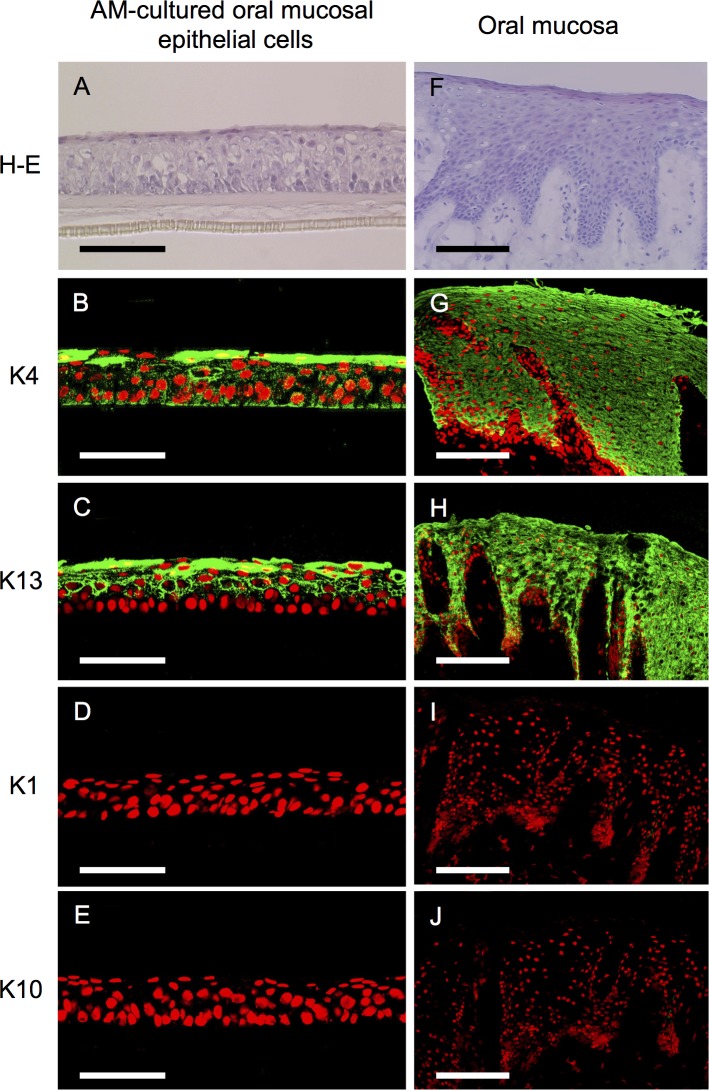
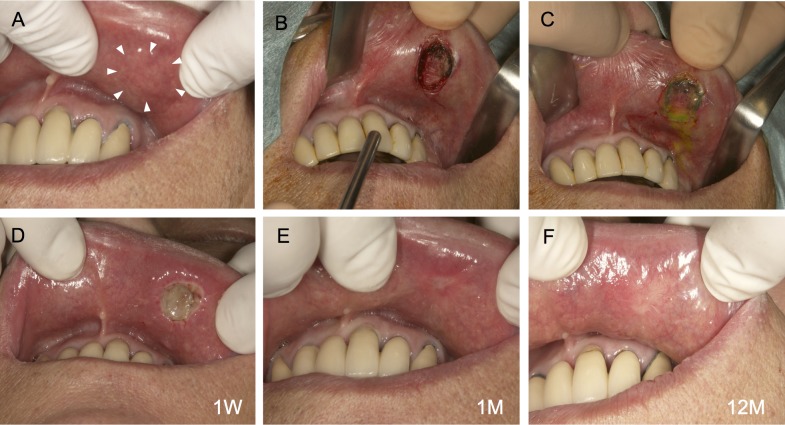
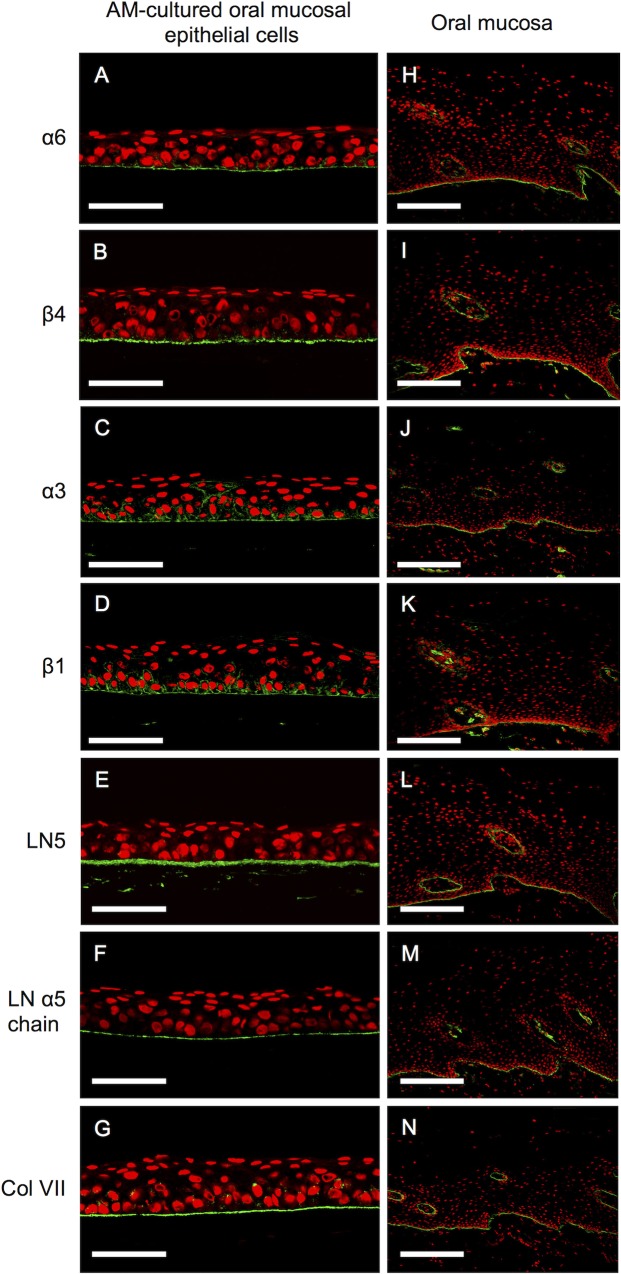
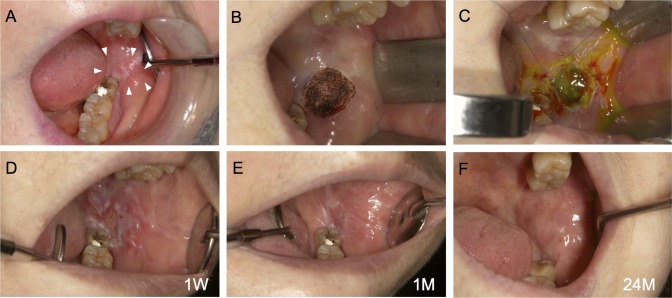
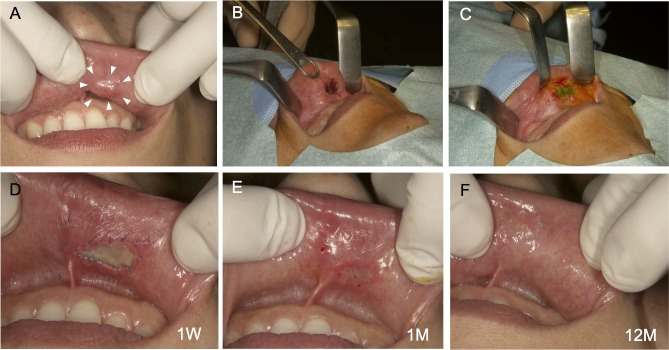
The human amniotic membrane (AM) is a thin intrauterine placental membrane that is highly biocompatible and possesses anti-inflammatory and anti-scarring properties. Using AM, we developed a novel method for cultivating oral mucosal epithelial cell sheets. We investigated the autologous transplantation of oral mucosal epithelial cells cultured on AM in patients undergoing oral surgeries. We obtained specimens of AM from women undergoing cesarean sections. This study included five patients without any history of a medical disorder who underwent autologous cultured oral epithelial transplantation following oral surgical procedures. Using oral mucosal biopsy specimens obtained from these patients, we cultured oral epithelial cells on an AM carrier. We transplanted the resultant cell sheets onto the oral mucosal defects. Patients were followed-up for at least 12 months after transplantation. After 2-3 weeks of being cultured on AM, epithelial cells were well differentiated and had stratified into five to seven layers. Immunohistochemistry revealed that the cultured cells expressed highly specific mucosal epithelial cell markers and basement membrane proteins. After the surgical procedures, no infection, bleeding, rejection, or sheet detachment occurred at the reconstructed sites, at which new oral mucous membranes were evident. No recurrence was observed in the long-term follow-up, and the postoperative course was excellent. Our results suggest that AM-cultured oral mucosal epithelial cell sheets represent a useful biomaterial and feasible method for oral mucosal reconstruction. However, our primary clinical study only evaluated their effects on a limited number of small oral mucosal defects.
人羊膜(AM)是一种薄的子宫内胎盘膜,具有高度生物相容性,并具有抗炎和抗瘢痕形成特性。利用羊膜,我们开发了一种培养口腔黏膜上皮细胞片的新方法。我们研究了在接受口腔手术的患者中,在羊膜上培养的口腔黏膜上皮细胞的自体移植。我们从接受剖宫产的女性中获取羊膜标本。本研究纳入了5例无任何病史的患者,这些患者在口腔手术后接受了自体培养口腔上皮移植。我们使用从这些患者身上获取的口腔黏膜活检标本,在羊膜载体上培养口腔上皮细胞。我们将所得的细胞片移植到口腔黏膜缺损处。移植后对患者进行了至少12个月的随访。在羊膜上培养2 - 3周后,上皮细胞分化良好,分层为五到七层。免疫组织化学显示,培养的细胞表达高度特异性的黏膜上皮细胞标志物和基底膜蛋白。手术后,重建部位未发生感染、出血、排斥或细胞片脱落,可见新的口腔黏膜。长期随访未观察到复发,术后过程良好。我们的结果表明,羊膜培养的口腔黏膜上皮细胞片是一种用于口腔黏膜重建的有用生物材料和可行方法。然而,我们的初步临床研究仅评估了它们对有限数量的小口腔黏膜缺损的影响。