Etchegaray Jean-Pierre, Chavez Lukas, Huang Yun, Ross Kenneth N, Choi Jiho, Martinez-Pastor Barbara, Walsh Ryan M, Sommer Cesar A, Lienhard Matthias, Gladden Adrianne, Kugel Sita, Silberman Dafne M, Ramaswamy Sridhar, Mostoslavsky Gustavo, Hochedlinger Konrad, Goren Alon, Rao Anjana, Mostoslavsky Raul
1] The Massachusetts General Hospital Cancer Center, Harvard Medical School, Boston, Massachusetts 02114, USA [2] The MGH Center for Regenerative Medicine, Harvard Medical School, Boston, Massachusetts 02114, USA.
La Jolla Institute for Allergy and Immunology, Sanford Consortium for Regenerative Medicine, UCSD Department of Pharmacology, UCSD Moores Cancer Center, La Jolla, California 92037, USA.
Nat Cell Biol. 2015 May;17(5):545-57. doi: 10.1038/ncb3147. Epub 2015 Apr 27.
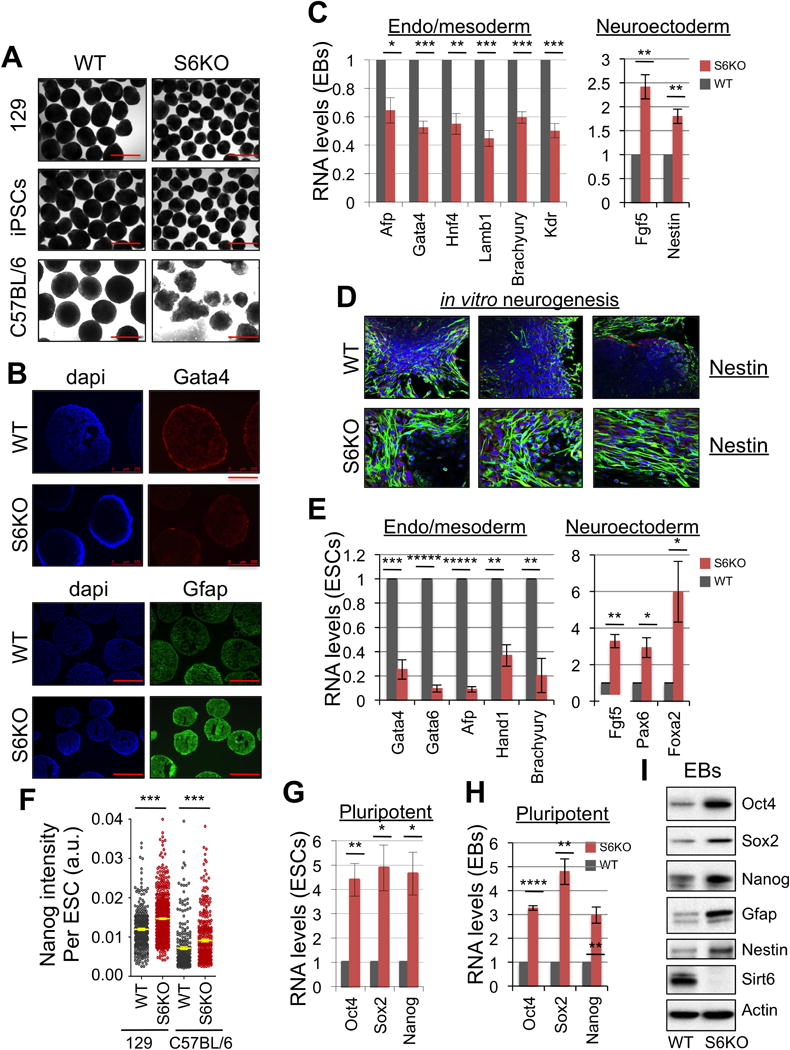
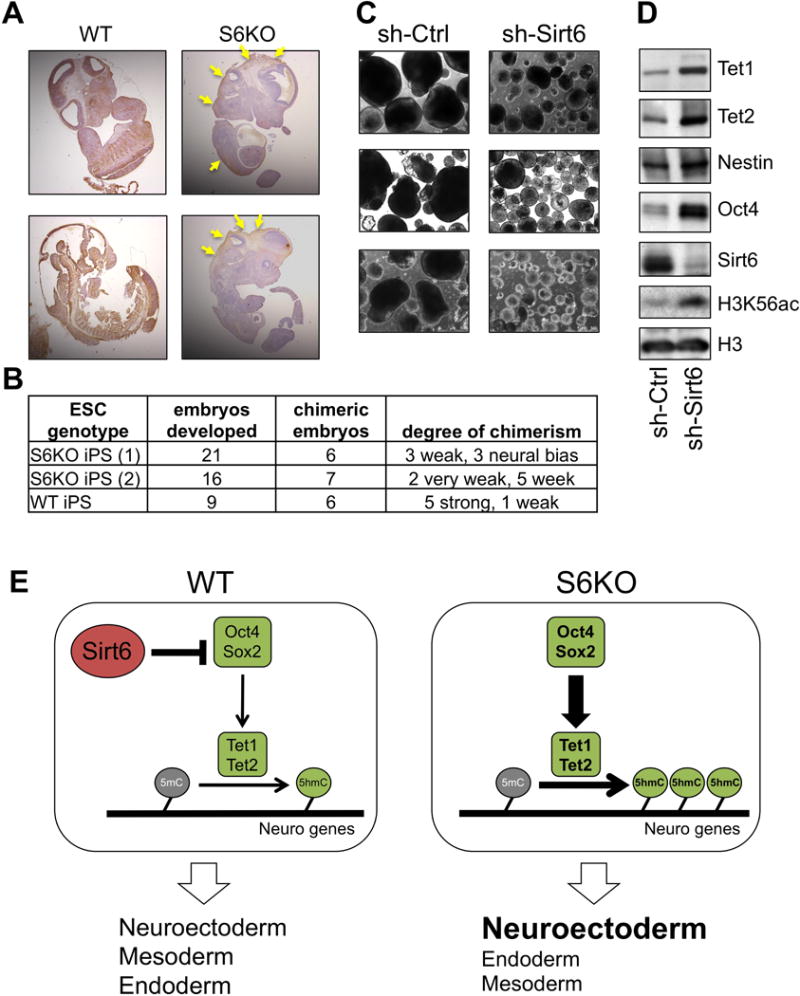
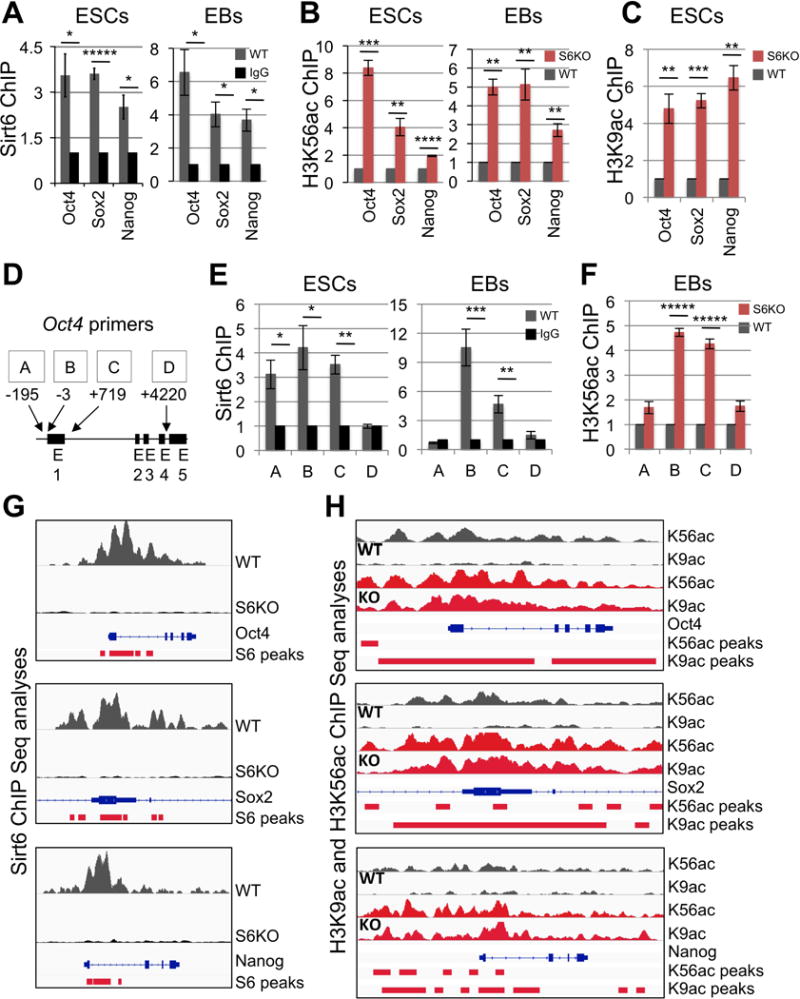
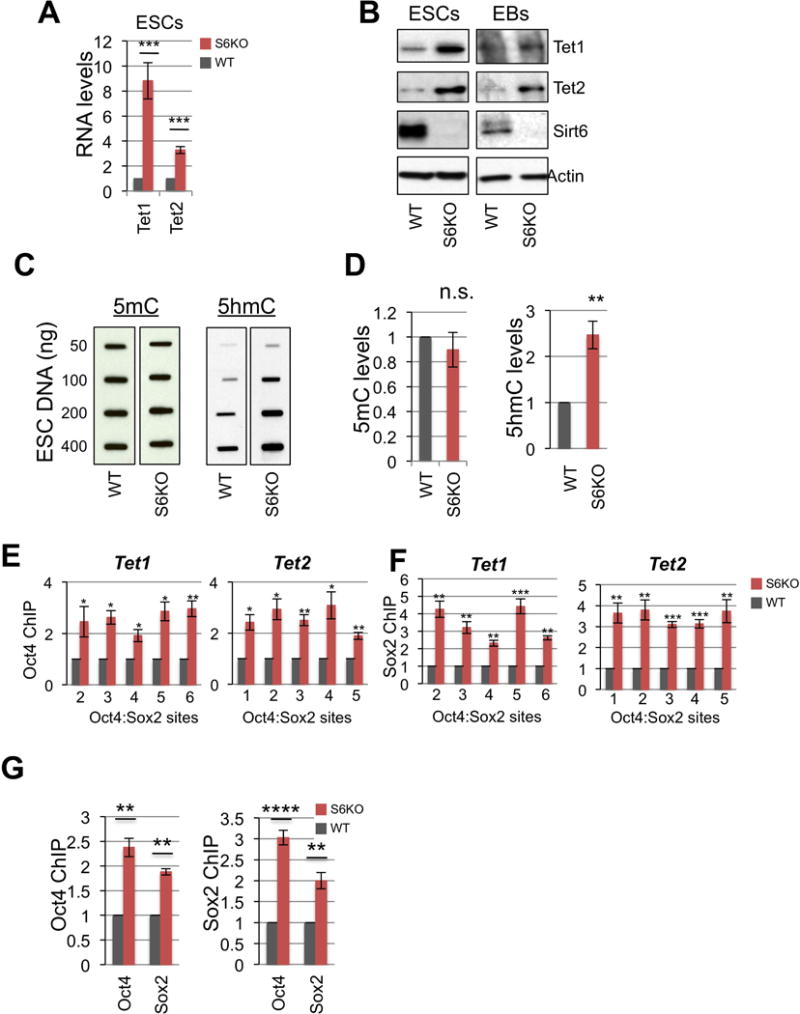
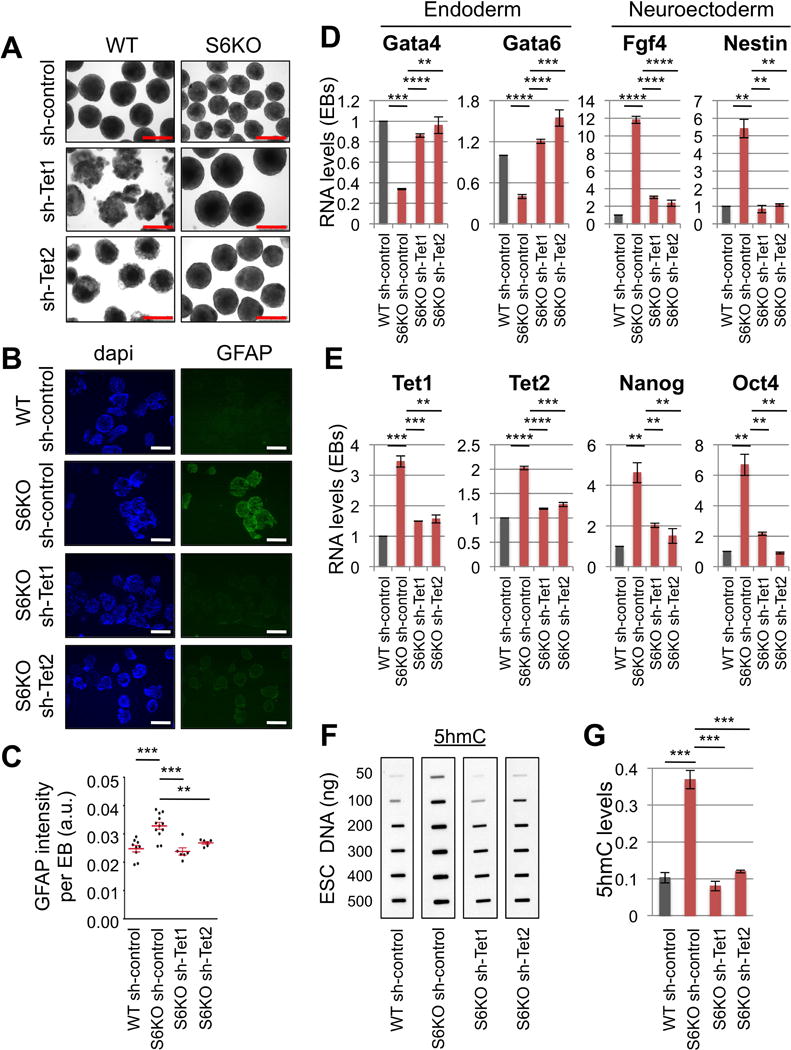
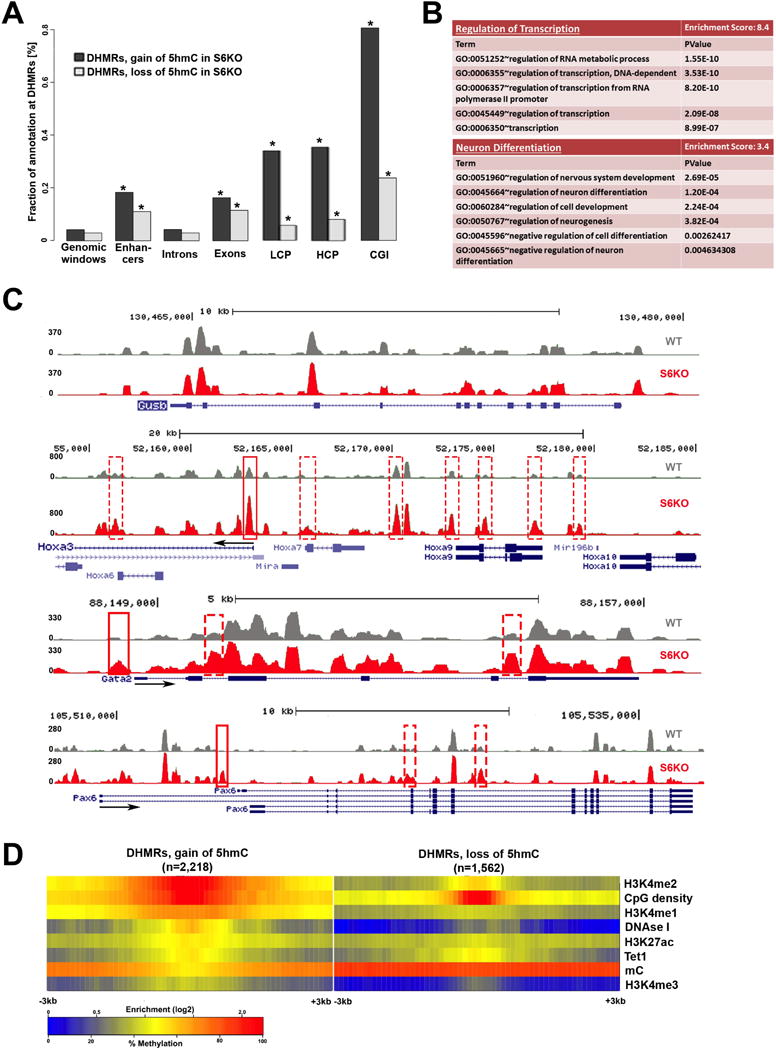
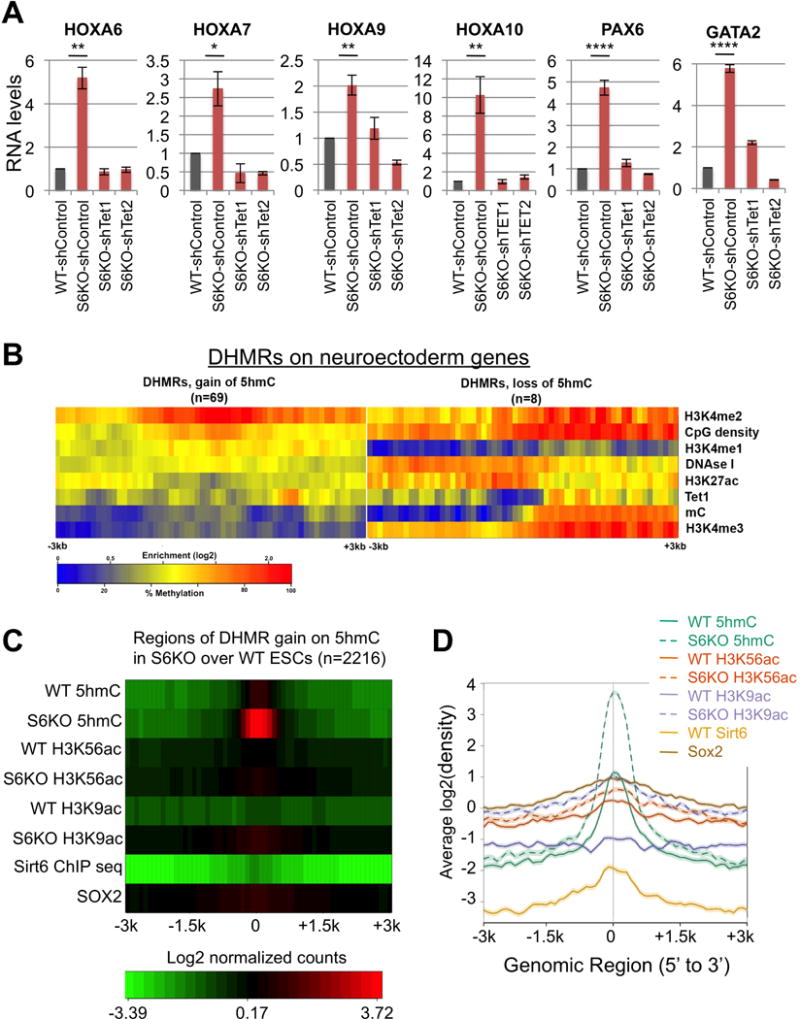
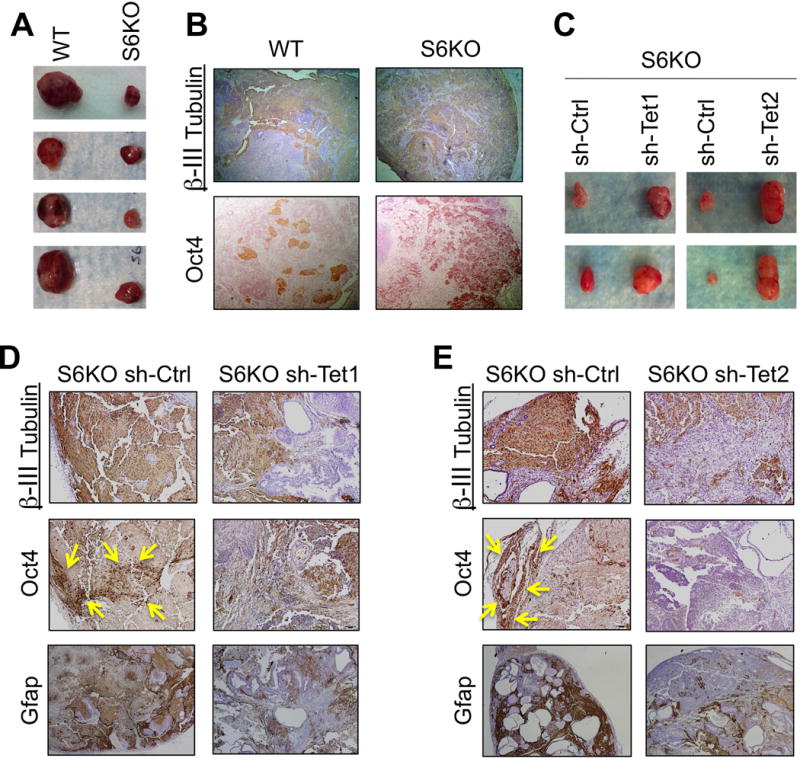
How embryonic stem cells (ESCs) commit to specific cell lineages and yield all cell types of a fully formed organism remains a major question. ESC differentiation is accompanied by large-scale histone and DNA modifications, but the relations between these epigenetic categories are not understood. Here we demonstrate the interplay between the histone deacetylase sirtuin 6 (SIRT6) and the ten-eleven translocation enzymes (TETs). SIRT6 targets acetylated histone H3 at Lys 9 and 56 (H3K9ac and H3K56ac), while TETs convert 5-methylcytosine into 5-hydroxymethylcytosine (5hmC). ESCs derived from Sirt6 knockout (S6KO) mice are skewed towards neuroectoderm development. This phenotype involves derepression of OCT4, SOX2 and NANOG, which causes an upregulation of TET-dependent production of 5hmC. Genome-wide analysis revealed neural genes marked with 5hmC in S6KO ESCs, thereby implicating TET enzymes in the neuroectoderm-skewed differentiation phenotype. We demonstrate that SIRT6 functions as a chromatin regulator safeguarding the balance between pluripotency and differentiation through Tet-mediated production of 5hmC.
胚胎干细胞(ESC)如何分化为特定的细胞谱系并产生成熟生物体的所有细胞类型仍是一个主要问题。ESC分化伴随着大规模的组蛋白和DNA修饰,但这些表观遗传类别之间的关系尚不清楚。在这里,我们展示了组蛋白去乙酰化酶沉默调节蛋白6(SIRT6)和10-11易位酶(TET)之间的相互作用。SIRT6作用于赖氨酸9和56处的乙酰化组蛋白H3(H3K9ac和H3K56ac),而TET将5-甲基胞嘧啶转化为5-羟甲基胞嘧啶(5hmC)。来自Sirt6基因敲除(S6KO)小鼠的ESC倾向于神经外胚层发育。这种表型涉及OCT4、SOX2和NANOG的去抑制,这导致TET依赖的5hmC产生上调。全基因组分析揭示了S6KO ESC中标记有5hmC的神经基因,从而表明TET酶参与了神经外胚层偏向的分化表型。我们证明SIRT6作为一种染色质调节因子,通过Tet介导的5hmC产生来维持多能性和分化之间的平衡。