Cao Ruifeng, Gkogkas Christos G, de Zavalia Nuria, Blum Ian D, Yanagiya Akiko, Tsukumo Yoshinori, Xu Haiyan, Lee Choogon, Storch Kai-Florian, Liu Andrew C, Amir Shimon, Sonenberg Nahum
Department of Biochemistry and Goodman Cancer Research Center, McGill University, Montreal, Canada.
Patrick Wild Centre, Centre for Integrative Physiology, University of Edinburgh, Edinburgh, UK.
Nat Neurosci. 2015 Jun;18(6):855-62. doi: 10.1038/nn.4010. Epub 2015 Apr 27.
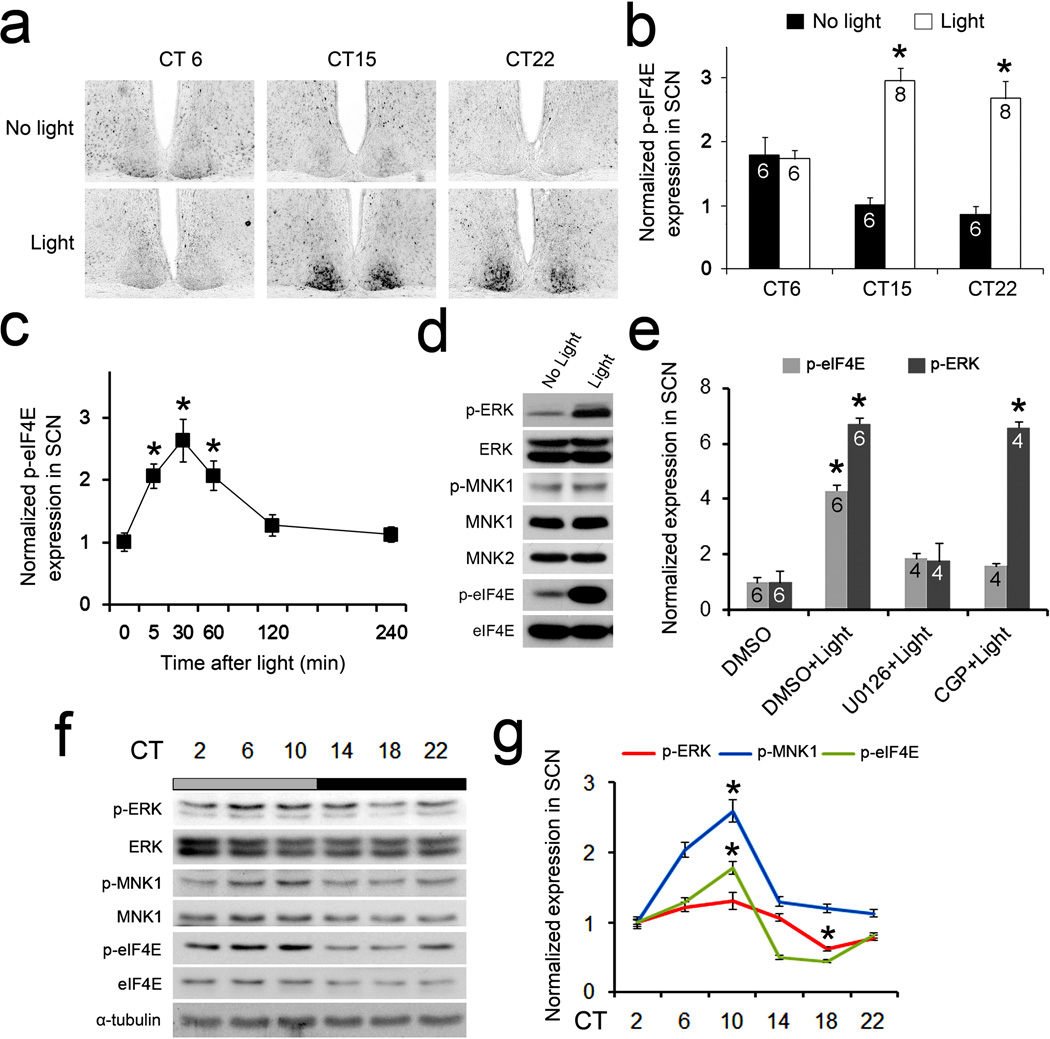
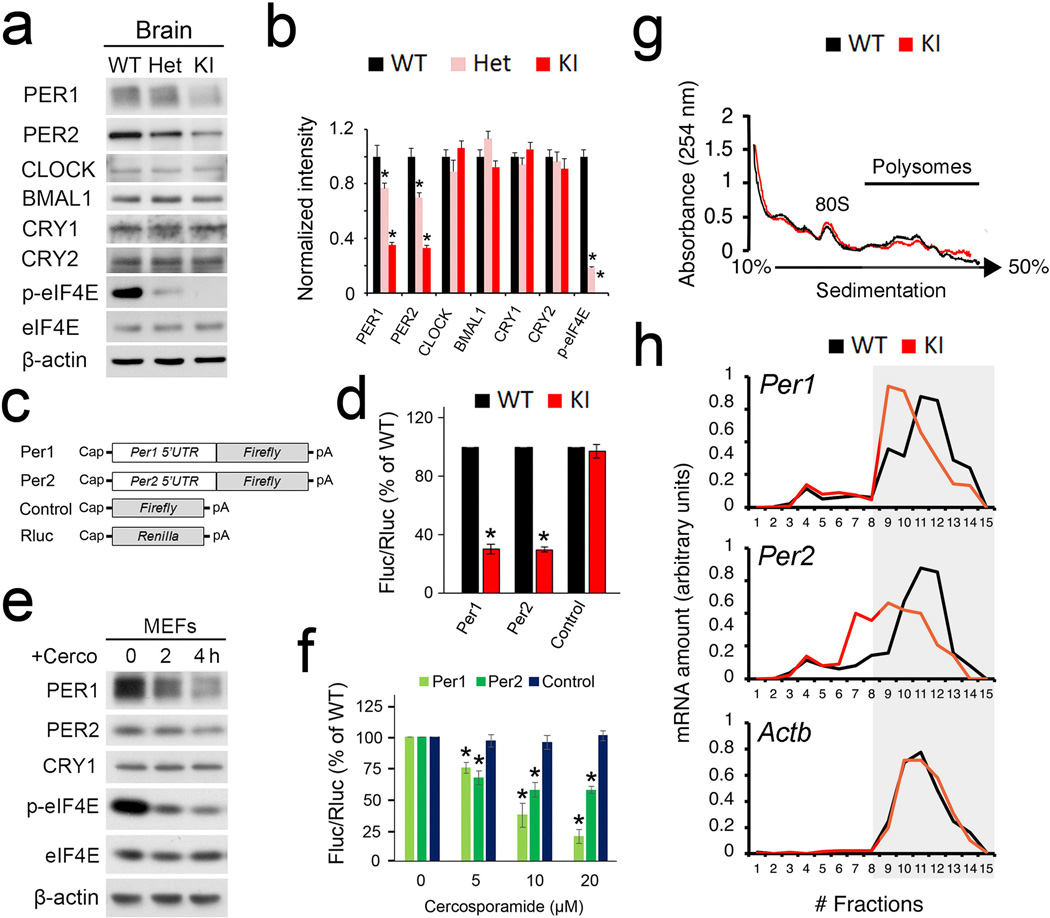
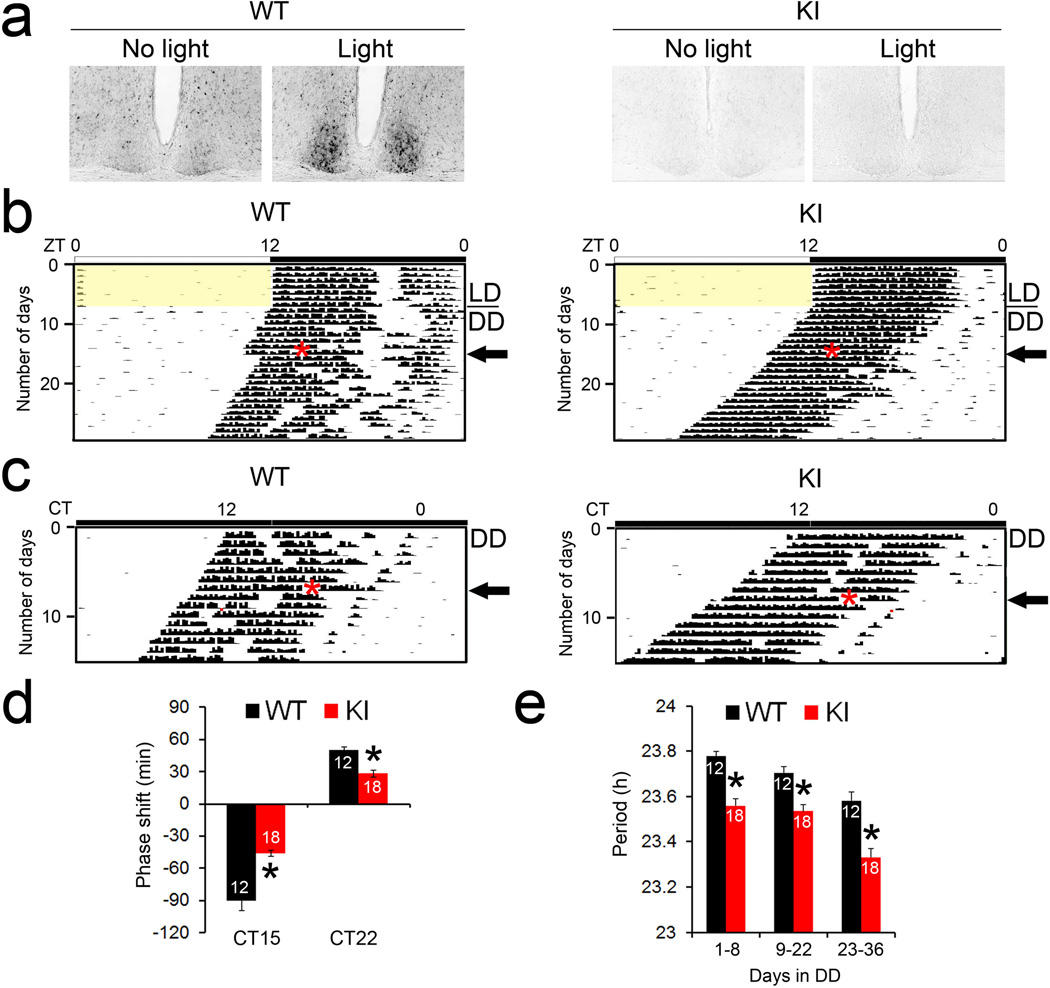
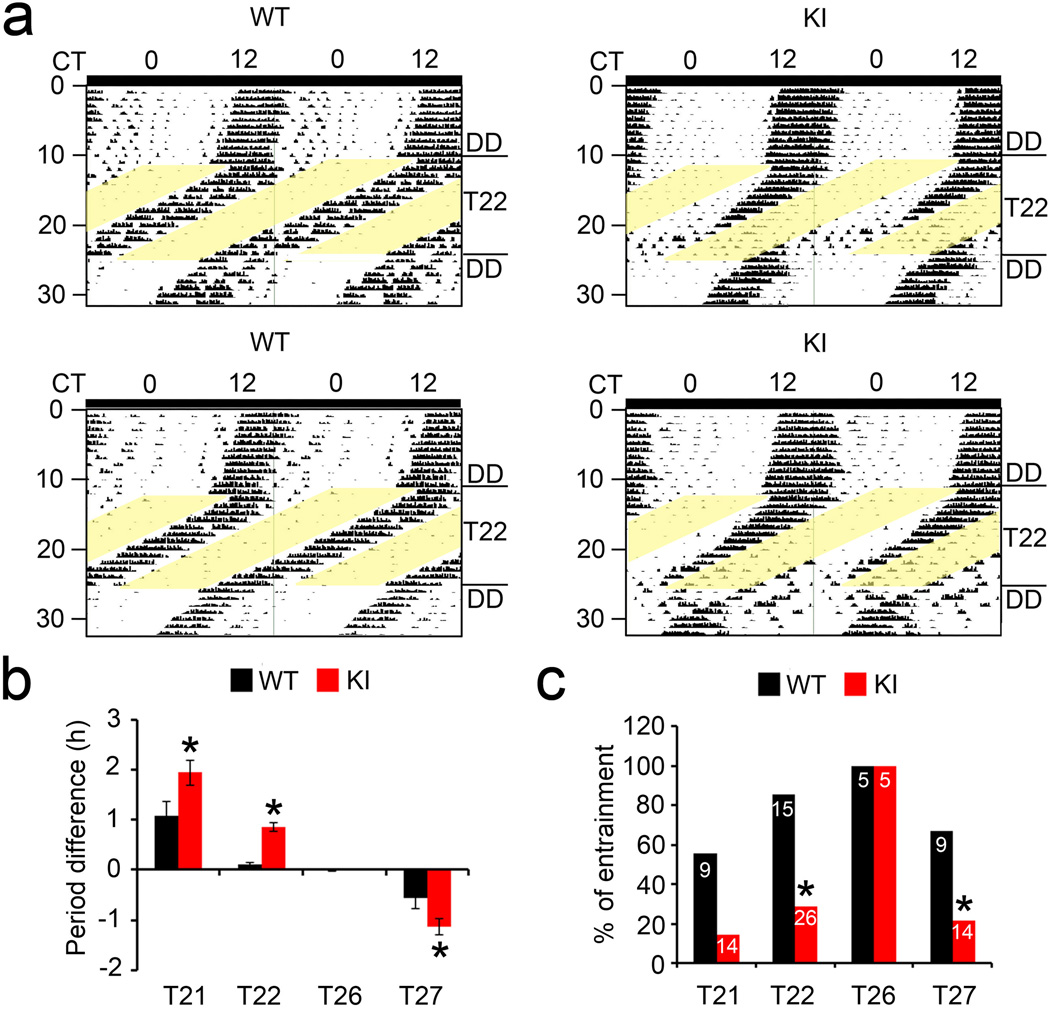
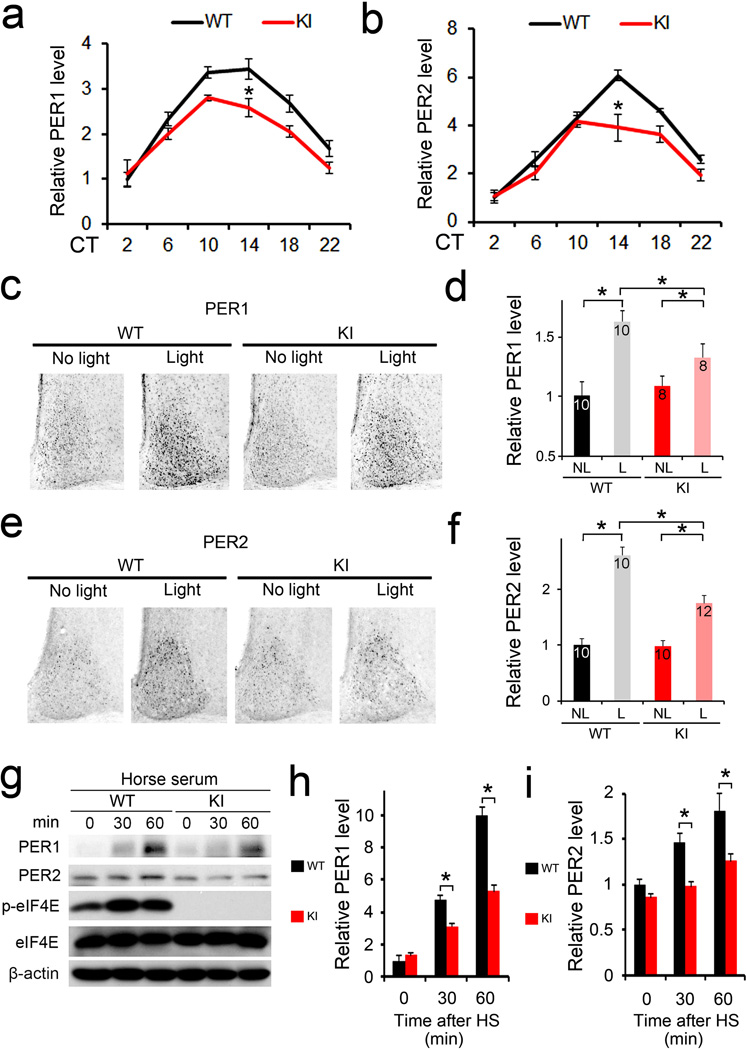
The circadian (∼24 h) clock is continuously entrained (reset) by ambient light so that endogenous rhythms are synchronized with daily changes in the environment. Light-induced gene expression is thought to be the molecular mechanism underlying clock entrainment. mRNA translation is a key step of gene expression, but the manner in which clock entrainment is controlled at the level of mRNA translation is not well understood. We found that a light- and circadian clock-regulated MAPK/MNK pathway led to phosphorylation of the cap-binding protein eIF4E in the mouse suprachiasmatic nucleus of the hypothalamus, the locus of the master circadian clock in mammals. Phosphorylation of eIF4E specifically promoted translation of Period 1 (Per1) and Period 2 (Per2) mRNAs and increased the abundance of basal and inducible PER proteins, which facilitated circadian clock resetting and precise timekeeping. Together, these results highlight a critical role for light-regulated translational control in the physiology of the circadian clock.
昼夜节律(约24小时)时钟持续被环境光校准(重置),从而使内源性节律与环境中的日常变化同步。光诱导的基因表达被认为是时钟校准的分子机制。mRNA翻译是基因表达的关键步骤,但在mRNA翻译水平上时钟校准是如何被控制的,目前还不太清楚。我们发现,一条受光和昼夜节律时钟调节的MAPK/MNK信号通路导致小鼠下丘脑视交叉上核(哺乳动物主昼夜节律时钟的所在位置)中的帽结合蛋白eIF4E磷酸化。eIF4E的磷酸化特异性地促进了周期蛋白1(Per1)和周期蛋白2(Per2)mRNA的翻译,并增加了基础和诱导型PER蛋白的丰度,这有助于昼夜节律时钟的重置和精确计时。总之,这些结果凸显了光调节的翻译控制在昼夜节律时钟生理学中的关键作用。