Price David P, Schilkey Faye D, Ulanov Alexander, Hansen Immo A
Department of Biology, New Mexico State University, Las Cruces, NM, USA.
Molecular Biology Program, New Mexico State University, Las Cruces, USA.
Parasit Vectors. 2015 Apr 28;8:252. doi: 10.1186/s13071-015-0863-9.
Environmental factors such as temperature, nutrient availability, and larval density determine the outcome of postembryonic development in mosquitoes. Suboptimal temperatures, crowding, and starvation during the larval phase reduce adult mosquito size, nutrient stores and affect vectorial capacity.
In this study we compared adult female Aedes aegypti, Rockefeller strain, raised under standard laboratory conditions (Large) with those raised under crowded and nutritionally deprived conditions (Small). To compare the gene expression and nutritional state of the major energy storage and metabolic organ, the fat body, we performed transcriptomics using Illumina based RNA-seq and metabolomics using GC/MS on females before and 24 hours following blood feeding.
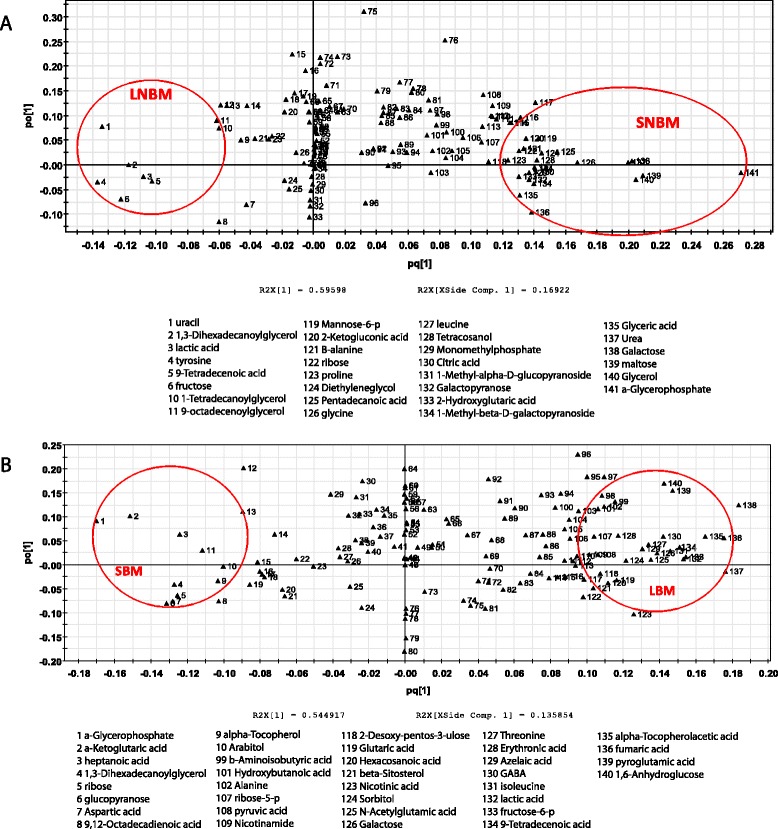
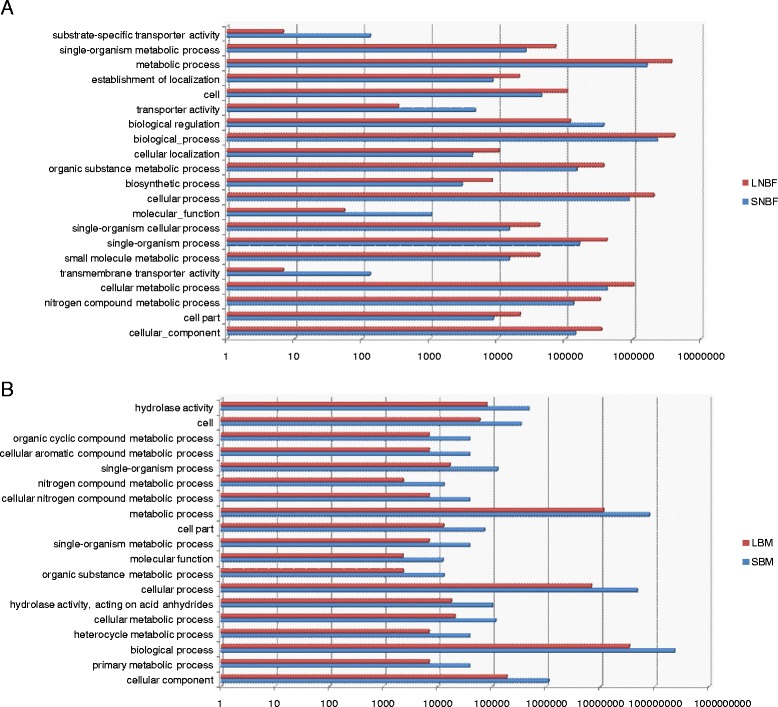
Analysis of fat body gene expression between the experimental groups revealed a large number of significantly differentially expressed genes. Transcripts related to immunity, reproduction, autophagy, several metabolic pathways; including amino acid degradation and metabolism; and membrane transport were differentially expressed. Metabolite profiling identified 60 metabolites within the fat body to be significantly affected between small and large mosquitoes, with the majority of detected free amino acids at a higher level in small mosquitoes compared to large.
Gene expression and metabolites in the adult fat body reflect the individual post-embryonic developmental history of a mosquito larva. These changes affect nutritional storage and utilization, immunity, and reproduction. Therefore, it is apparent that changes in larval environment due to weather conditions, nutrition availability, vector control efforts, and other factors can affect adult vectorial capacity in the field.
温度、营养可利用性和幼虫密度等环境因素决定了蚊子胚后发育的结果。幼虫期温度不适宜、拥挤和饥饿会减小成年蚊子的体型、减少营养储备,并影响其传病能力。
在本研究中,我们将标准实验室条件下饲养的成年雌性埃及伊蚊洛克菲勒品系(大个体)与在拥挤和营养缺乏条件下饲养的成年雌性埃及伊蚊(小个体)进行了比较。为了比较主要能量储存和代谢器官脂肪体的基因表达和营养状态,我们在雌性蚊子吸血前和吸血后24小时,使用基于Illumina的RNA测序进行转录组学分析,并使用气相色谱/质谱联用仪进行代谢组学分析。
对实验组之间脂肪体基因表达的分析揭示了大量显著差异表达的基因。与免疫、繁殖、自噬、几种代谢途径(包括氨基酸降解和代谢)以及膜转运相关的转录本存在差异表达。代谢物谱分析确定,脂肪体内有60种代谢物在小蚊子和大蚊子之间受到显著影响,与大蚊子相比,小蚊子中检测到的大多数游离氨基酸水平更高。
成年蚊子脂肪体中的基因表达和代谢物反映了蚊子幼虫个体的胚后发育历程。这些变化会影响营养储存和利用、免疫及繁殖。因此,很明显,天气条件、营养可利用性、病媒控制措施和其他因素导致的幼虫环境变化会影响野外成年蚊子的传病能力。