Zhang Yi, Zhou Zhi-Wei, Jin Hua, Hu Chengbin, He Zhi-Xu, Yu Zhi-Ling, Ko Kam-Ming, Yang Tianxin, Zhang Xueji, Pan Si-Yuan, Zhou Shu-Feng
Department of Pharmacology, School of Chinese Materia Medica, Beijing University of Chinese Medicine, Beijing, People's Republic of China ; Department of Pharmaceutical Sciences, College of Pharmacy, University of South Florida, Tampa, FL, USA.
Department of Pharmaceutical Sciences, College of Pharmacy, University of South Florida, Tampa, FL, USA.
Drug Des Devel Ther. 2015 Apr 9;9:2001-27. doi: 10.2147/DDDT.S77071. eCollection 2015.
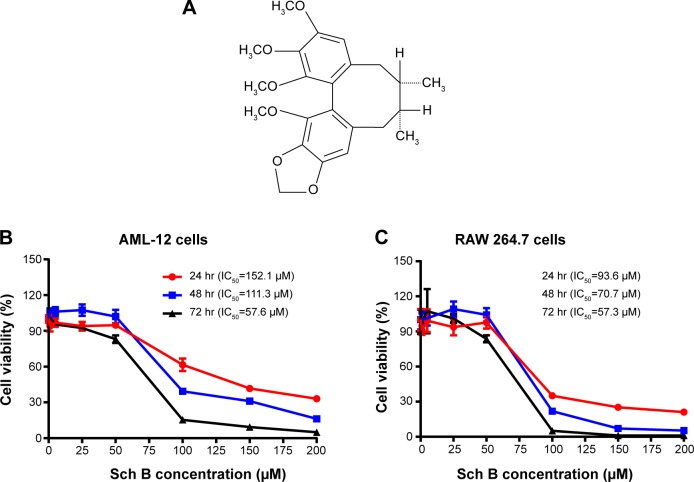
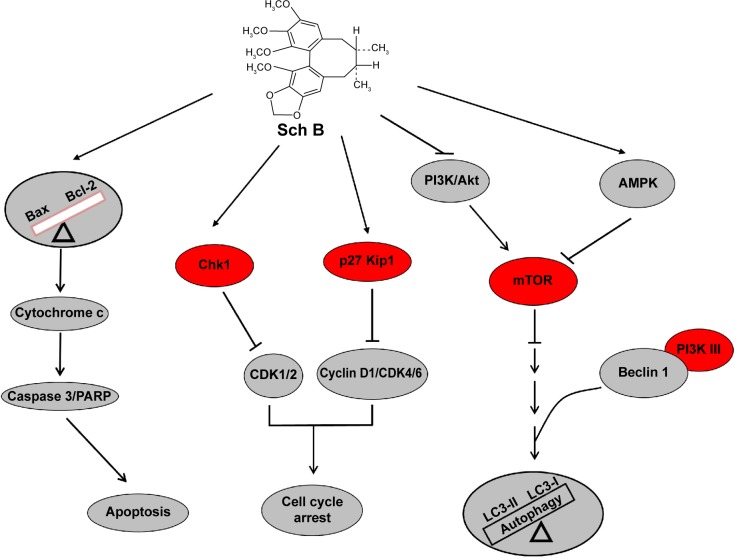
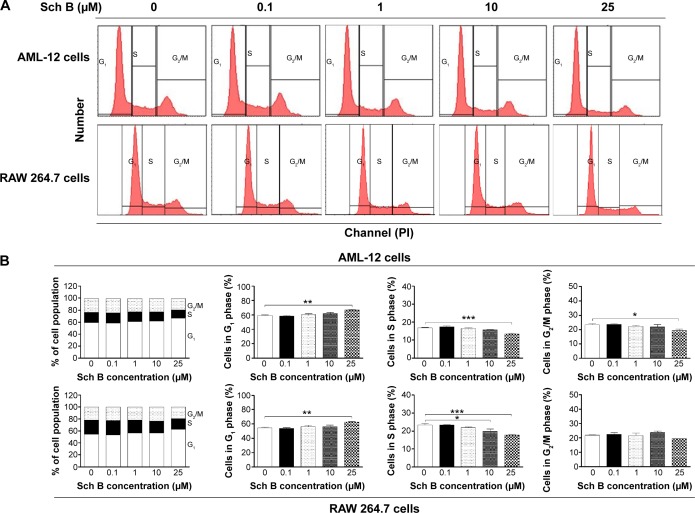
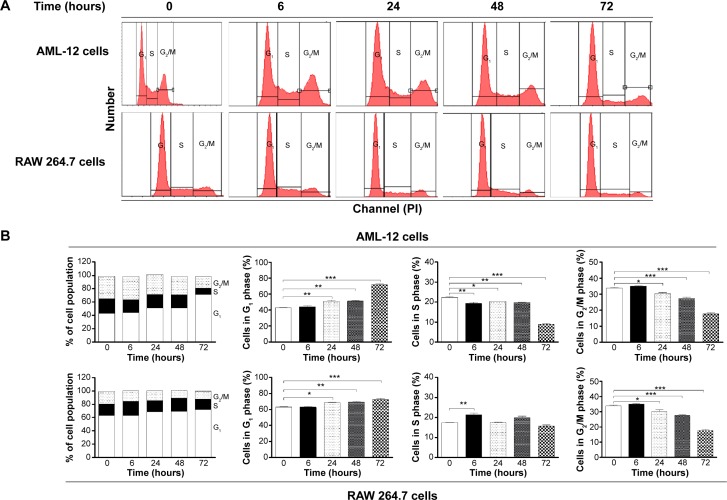
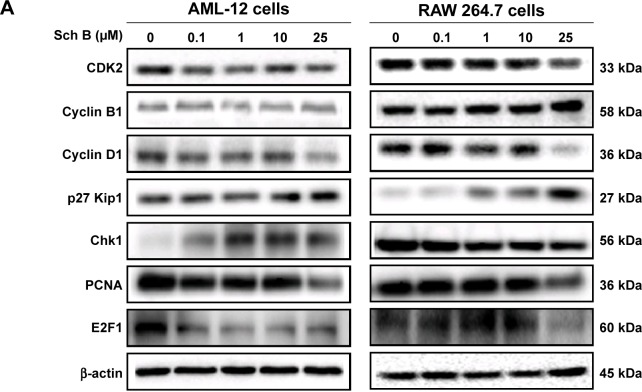
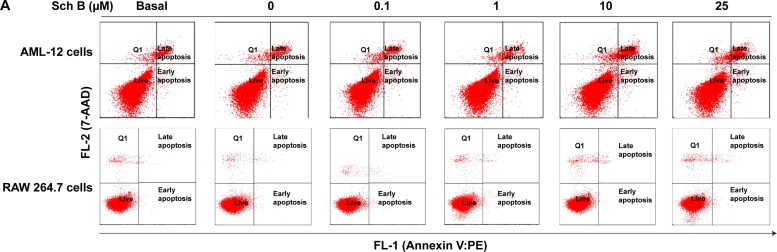
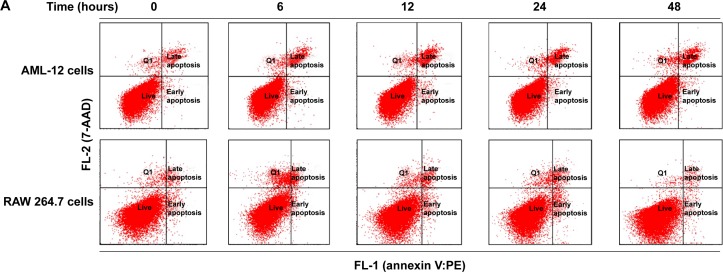
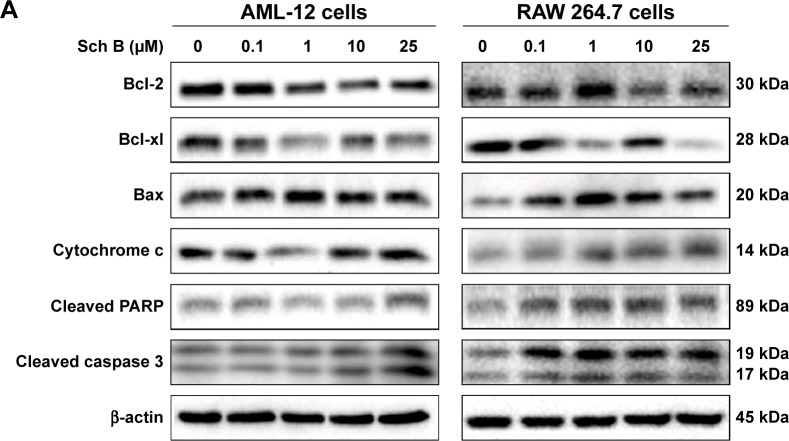
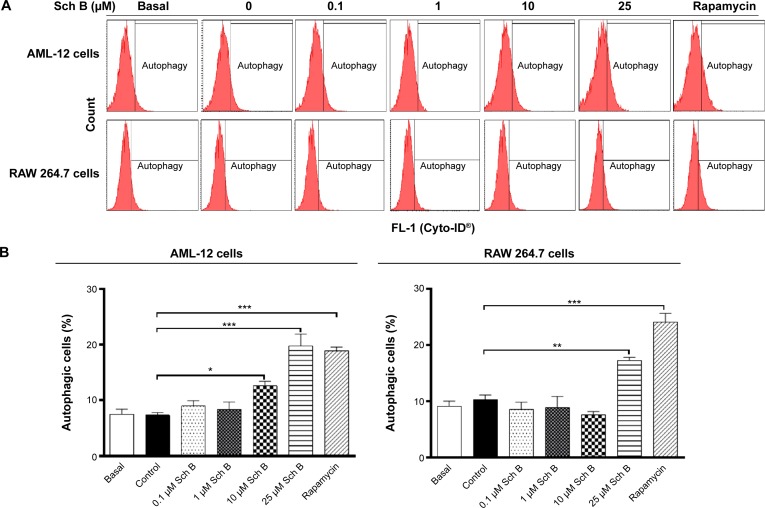
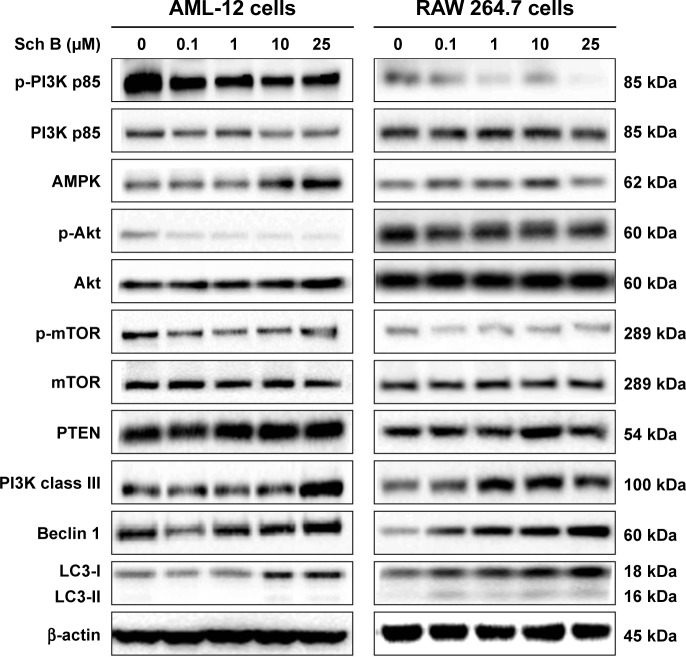
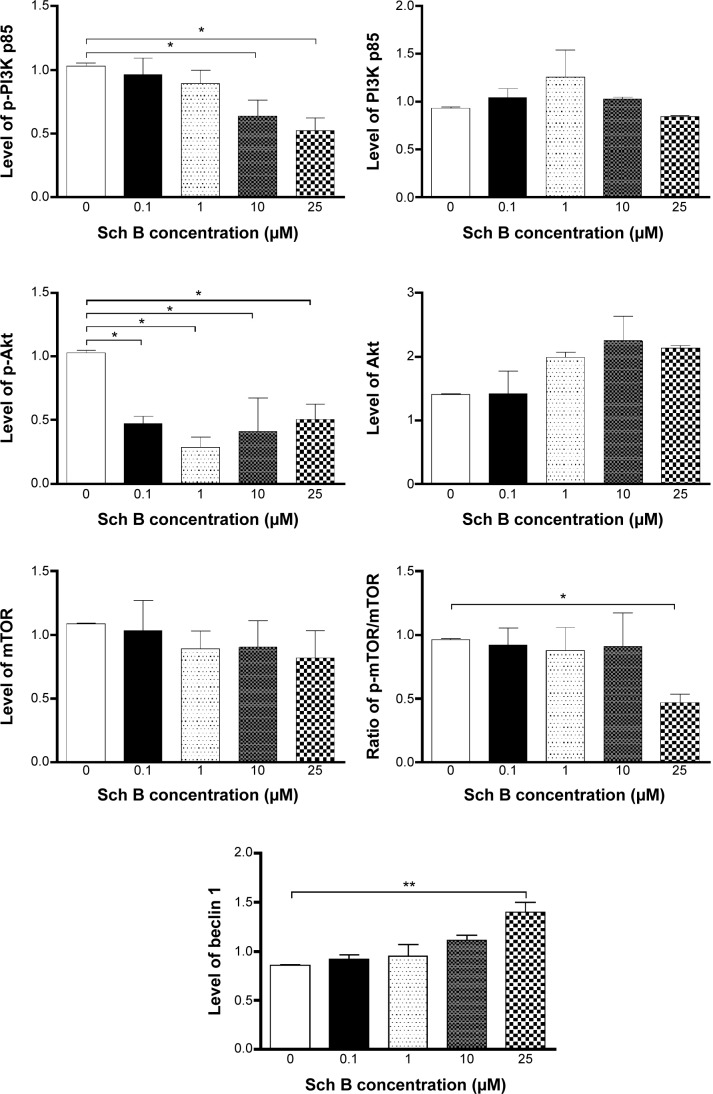
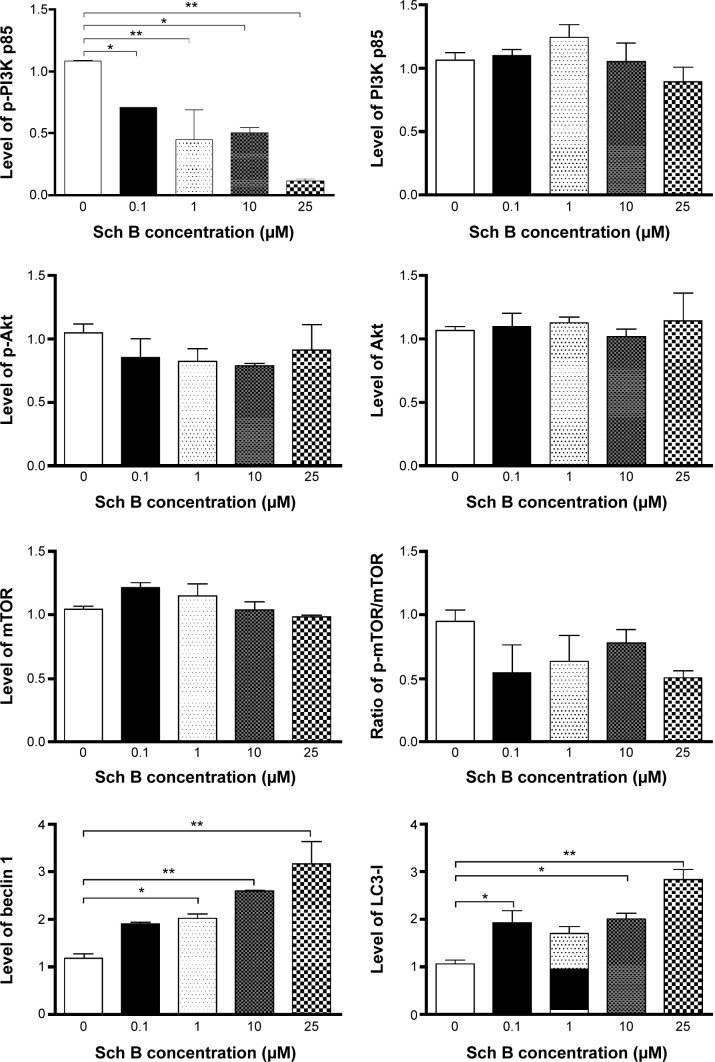
A number of drugs and herbal compounds have been documented to cause hepatoxicity. Schisandrin B (Sch B) is an active dibenzocyclooctadiene isolated from Schisandrae fructus, with a wide array of pharmacological activities. However, the potential hepatotoxicity of Sch B is a major safety concern, and the underlying mechanism for Sch B-induced liver toxic effects is not fully elucidated. In the present study, we aimed to investigate the liver toxic effects and the molecular mechanisms of Sch B in mouse liver and macrophage cells. The results have shown that Sch B exhibits potent grow inhibitory, proapoptotic, and proautophagic effects in AML-12 and RAW 264.7 cells. Sch B markedly arrested cells in G1 phase in both cell lines, accompanied by the down-regulation of cyclin dependent kinase 2 (CDK2) and cyclin D1 and up-regulation of p27 Kip1 and checkpoint kinase 1. Furthermore, Sch B markedly increased the apoptosis of AML-12 and RAW 264.7 cells with a decrease in the expression of B-cell lymphoma-extra-large and (Bcl-xl) B-cell lymphoma 2 (Bcl-2), but an increase in the expression of B-cell lymphoma 2-associated X protein (Bax). Sch B promoted the cleavage of caspase 3 and poly-adenosine diphosphate-ribose polymerase (PARP) in both cell lines. Additionally, Sch B significantly induced autophagy of AML-12 and RAW 264.7 cells. Sch B inhibited the activation of phosphatidylinositol 3-kinase (PI3K)/protein kinase B (Akt)/mammalian target of rapamycin (mTOR) signaling pathway, as indicated by their altered phosphorylation, contributing to the proautophagic effect of Sch B. Taken together, our findings show that the inducing effects of Sch B on cell cycle arrest, apoptosis, and autophagy may contribute to its liver toxic effects, which might provide a clue for the investigation of the molecular toxic targets and underlying mechanisms for Sch B-induced hepatotoxicity in herbal consumers. More studies are warranted to fully delineate the underlying mechanisms, efficacy, and safety of Sch B for clinical use.
已有多种药物和草药化合物被证明可导致肝毒性。五味子醇乙(Sch B)是从五味子果实中分离出的一种活性二苯并环辛二烯,具有广泛的药理活性。然而,Sch B的潜在肝毒性是一个主要的安全问题,其诱导肝脏毒性作用的潜在机制尚未完全阐明。在本研究中,我们旨在研究Sch B对小鼠肝脏和巨噬细胞的肝毒性作用及其分子机制。结果表明,Sch B在AML-12和RAW 264.7细胞中表现出强大的生长抑制、促凋亡和促自噬作用。Sch B使两种细胞系中的细胞明显停滞于G1期,同时伴有细胞周期蛋白依赖性激酶2(CDK2)和细胞周期蛋白D1的下调以及p27 Kip1和检查点激酶1的上调。此外,Sch B显著增加AML-12和RAW 264.7细胞的凋亡,同时B细胞淋巴瘤-超大(Bcl-xl)和B细胞淋巴瘤2(Bcl-2)的表达降低,但B细胞淋巴瘤2相关X蛋白(Bax)的表达增加。Sch B促进了两种细胞系中半胱天冬酶3和聚腺苷二磷酸核糖聚合酶(PARP)的裂解。此外,Sch B显著诱导AML-12和RAW 264.7细胞的自噬。Sch B抑制磷脂酰肌醇3激酶(PI3K)/蛋白激酶B(Akt)/雷帕霉素哺乳动物靶标(mTOR)信号通路的激活,其磷酸化改变表明了这一点,这有助于Sch B的促自噬作用。综上所述,我们的研究结果表明,Sch B对细胞周期停滞、凋亡和自噬的诱导作用可能导致其肝毒性作用,这可能为研究Sch B在草药使用者中诱导肝毒性的分子毒性靶点和潜在机制提供线索。需要更多的研究来全面阐明Sch B临床应用的潜在机制、疗效和安全性。