Pérez-Escamilla Beatriz, Franco-Trigo Lucía, Moullin Joanna C, Martínez-Martínez Fernando, García-Corpas José P
Academic Centre in Pharmaceutical Care, Faculty of Pharmacy, University of Granada, Granada, Spain.
Graduate School of Health, Faculty of Pharmacy, University of Technology Sydney, Sydney, NSW, Australia.
Patient Prefer Adherence. 2015 Apr 13;9:569-78. doi: 10.2147/PPA.S76139. eCollection 2015.
Low adherence to pharmacological treatments is one of the factors associated with poor blood pressure control. Questionnaires are an indirect measurement method that is both economic and easy to use. However, questionnaires should meet specific criteria, to minimize error and ensure reproducibility of results. Numerous studies have been conducted to design questionnaires that quantify adherence to pharmacological antihypertensive treatments. Nevertheless, it is unknown whether questionnaires fulfil the minimum requirements of validity and reliability. The aim of this study was to compile validated questionnaires measuring adherence to pharmacological antihypertensive treatments that had at least one measure of validity and one measure of reliability.
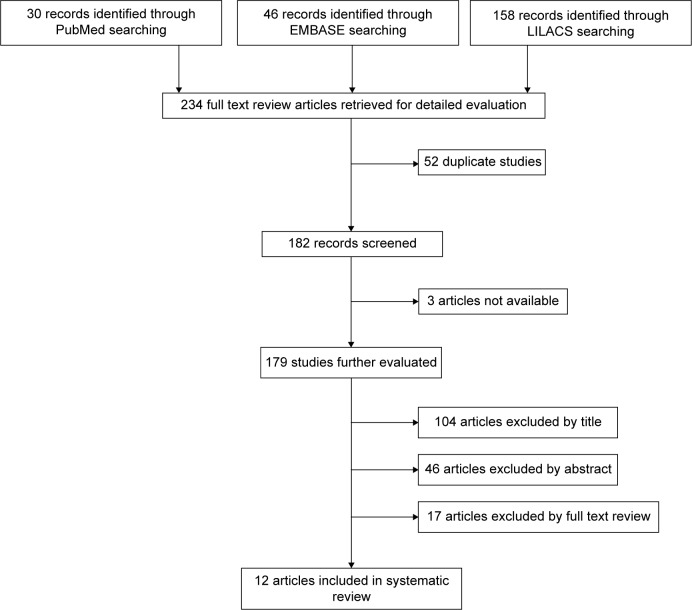
A literature search was undertaken in PubMed, the Excerpta Medica Database (EMBASE), and the Latin American and Caribbean Health Sciences Literature database (Literatura Latino-Americana e do Caribe em Ciências da Saúde [LILACS]). References from included articles were hand-searched. The included papers were all that were published in English, French, Portuguese, and Spanish from the beginning of the database's indexing until July 8, 2013, where a validation of a questionnaire (at least one demonstration of the validity and at least one of reliability) was performed to measure adherence to antihypertensive pharmacological treatments.
A total of 234 potential papers were identified in the electronic database search; of these, 12 met the eligibility criteria. Within these 12 papers, six questionnaires were validated: the Morisky-Green-Levine; Brief Medication Questionnaire; Hill-Bone Compliance to High Blood Pressure Therapy Scale; Morisky Medication Adherence Scale; Treatment Adherence Questionnaire for Patients with Hypertension (TAQPH); and Martín-Bayarre-Grau. Questionnaire length ranged from four to 28 items. Internal consistency, assessed by Cronbach's α, varied from 0.43 to 0.889. Additional statistical techniques utilized to assess the psychometric properties of the questionnaires varied greatly across studies.
At this stage, none of the six questionnaires included could be considered a gold standard. However, this revision will assist health professionals in the selection of the most appropriate tool for their individual circumstances.
药物治疗依从性低是血压控制不佳的相关因素之一。问卷调查是一种经济且易于使用的间接测量方法。然而,问卷应符合特定标准,以尽量减少误差并确保结果的可重复性。已经进行了大量研究来设计用于量化药物降压治疗依从性的问卷。然而,尚不清楚问卷是否满足有效性和可靠性的最低要求。本研究的目的是编制经过验证的问卷,以测量药物降压治疗的依从性,这些问卷至少有一项有效性指标和一项可靠性指标。
在PubMed、医学文摘数据库(EMBASE)以及拉丁美洲和加勒比健康科学文献数据库(Literatura Latino-Americana e do Caribe em Ciências da Saúde [LILACS])中进行文献检索。对纳入文章的参考文献进行手工检索。纳入的论文均为从数据库开始索引至2013年7月8日期间以英文、法文、葡萄牙文和西班牙文发表的,其中对测量降压药物治疗依从性的问卷进行了验证(至少一项有效性证明和至少一项可靠性证明)。
在电子数据库检索中总共识别出234篇潜在论文;其中12篇符合纳入标准。在这12篇论文中,有6份问卷经过了验证:Morisky-Green-Levine问卷;简短药物问卷;Hill-Bone高血压治疗依从性量表;Morisky药物依从性量表;高血压患者治疗依从性问卷(TAQPH);以及Martín-Bayarre-Grau问卷。问卷长度从4项到28项不等。通过Cronbach's α评估的内部一致性从0.43到0.889不等。用于评估问卷心理测量特性的其他统计技术在不同研究中差异很大。
在现阶段,所纳入的6份问卷均不能被视为金标准。然而,本次修订将有助于卫生专业人员根据个人情况选择最合适的工具。