Conley Alexander C, Marquez Jodie, Parsons Mark W, Fulham W Ross, Heathcote Andrew, Karayanidis Frini
Functional Neuroimaging Laboratory, School of Psychology, University of Newcastle, Newcastle, Australia; Priority Research Centre for Translational Neuroscience and Mental Health, University of Newcastle, Newcastle, Australia; Hunter Medical Research Institute, Newcastle, Australia.
Priority Research Centre for Translational Neuroscience and Mental Health, University of Newcastle, Newcastle, Australia; Hunter Medical Research Institute, Newcastle, Australia; School of Health Sciences, University of Newcastle, Newcastle, Australia.
PLoS One. 2015 May 1;10(5):e0124509. doi: 10.1371/journal.pone.0124509. eCollection 2015.
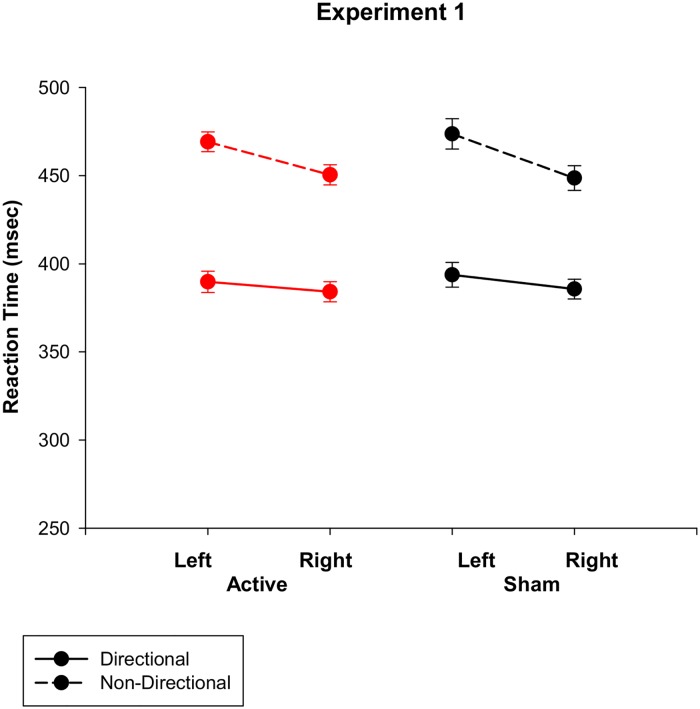
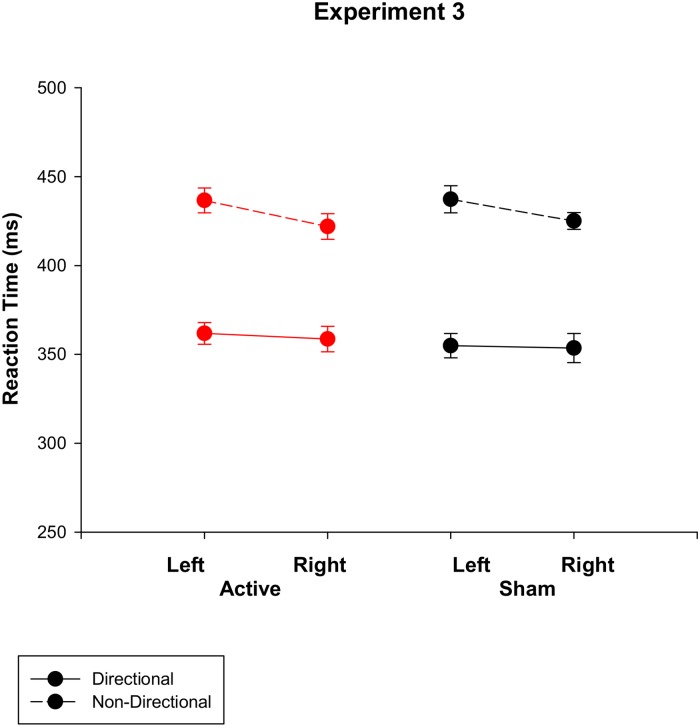
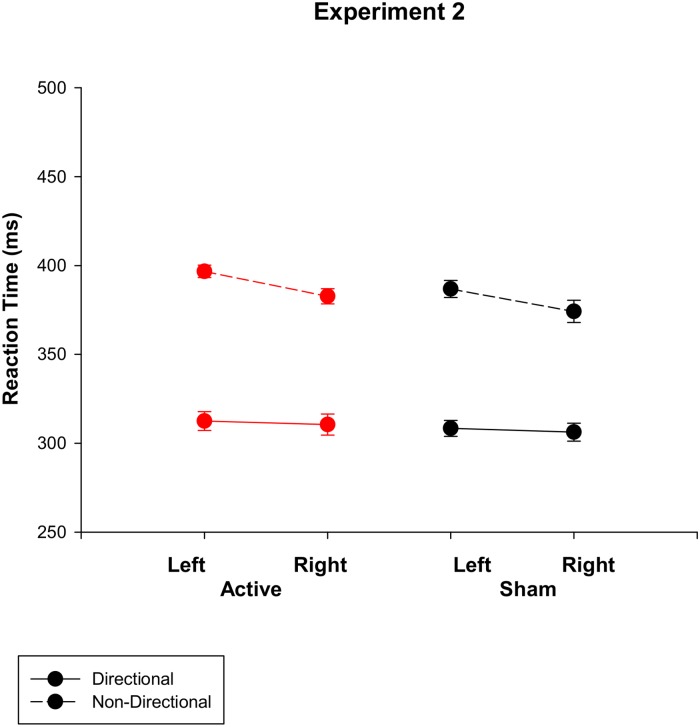
Anodal transcranial direct current stimulation (tDCS) over the primary motor cortex (M1) has been proposed as a possible therapeutic rehabilitation technique for motor impairment. However, despite extensive investigation into the effects of anodal tDCS on motor output, there is little information on how anodal tDCS affects response processes. In this study, we used a cued go/nogo task with both directional and non-directional cues to assess the effects of anodal tDCS over the dominant (left) primary motor cortex on prepared and unprepared motor responses. Three experiments explored whether the effectiveness of tDCS varied with timing between stimulation and test. Healthy, right-handed young adults participated in a double-blind randomised controlled design with crossover of anodal tDCS and sham stimulation. In Experiment 1, twenty-four healthy young adults received anodal tDCS over dominant M1 at least 40 mins before task performance. In Experiment 2, eight participants received anodal tDCS directly before task performance. In Experiment 3, twenty participants received anodal tDCS during task performance. In all three experiments, participants responded faster to directional compared to non-directional cues and with their right hand. However, anodal tDCS had no effect on go/nogo task performance at any stimulation-test interval. Bayesian analysis confirmed that anodal stimulation had no effect on response speed. We conclude that anodal tDCS over M1 does not improve response speed of prepared or unprepared responses of young adults in a go/nogo task.
阳极经颅直流电刺激(tDCS)作用于初级运动皮层(M1)已被提议作为一种可能用于治疗运动障碍的康复技术。然而,尽管对阳极tDCS对运动输出的影响进行了广泛研究,但关于阳极tDCS如何影响反应过程的信息却很少。在本研究中,我们使用了一种带有定向和非定向线索的提示性go/nogo任务,以评估阳极tDCS作用于优势(左侧)初级运动皮层对准备好的和未准备好的运动反应的影响。三个实验探讨了tDCS的有效性是否随刺激与测试之间的时间间隔而变化。健康的右利手年轻人参与了一项双盲随机对照设计,其中阳极tDCS和假刺激交叉进行。在实验1中,24名健康的年轻人在任务执行前至少40分钟接受了优势M1的阳极tDCS。在实验2中,8名参与者在任务执行前直接接受了阳极tDCS。在实验3中,20名参与者在任务执行期间接受了阳极tDCS。在所有三个实验中,与非定向线索相比,参与者对定向线索的反应更快,且使用右手。然而,在任何刺激 - 测试间隔下,阳极tDCS对go/nogo任务表现均无影响。贝叶斯分析证实阳极刺激对反应速度没有影响。我们得出结论,M1上的阳极tDCS并不能提高年轻人在go/nogo任务中准备好的或未准备好的反应的反应速度。