Sathanoori Ramasri, Swärd Karl, Olde Björn, Erlinge David
Department of Cardiology, Clinical Sciences, Lund University, Lund, Sweden.
Department of Experimental Medical Science, Lund University, Lund, Sweden.
PLoS One. 2015 May 4;10(5):e0125111. doi: 10.1371/journal.pone.0125111. eCollection 2015.
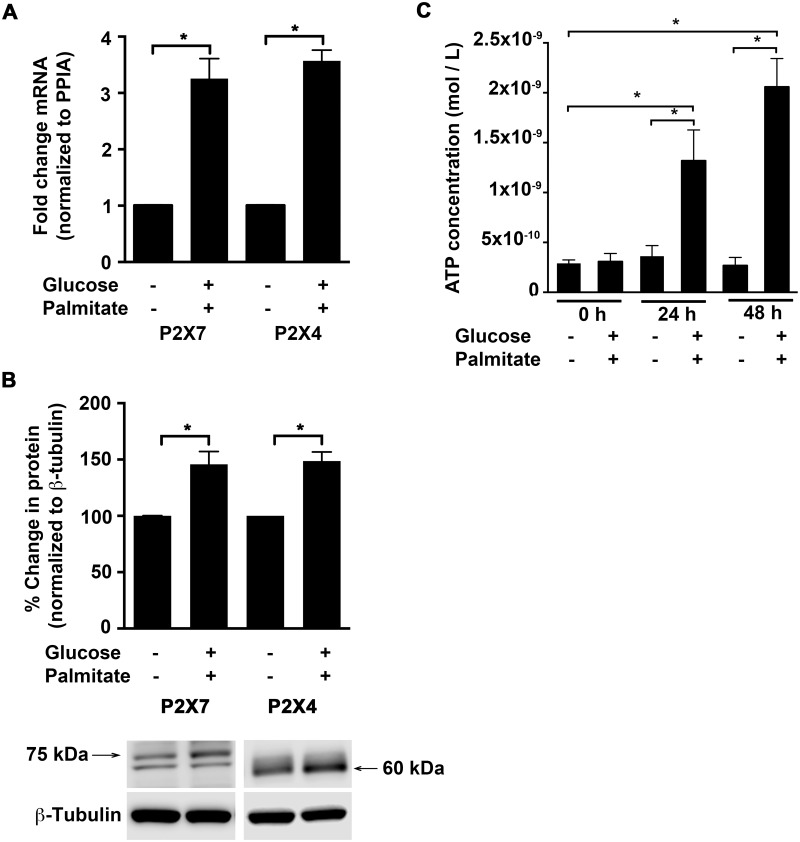
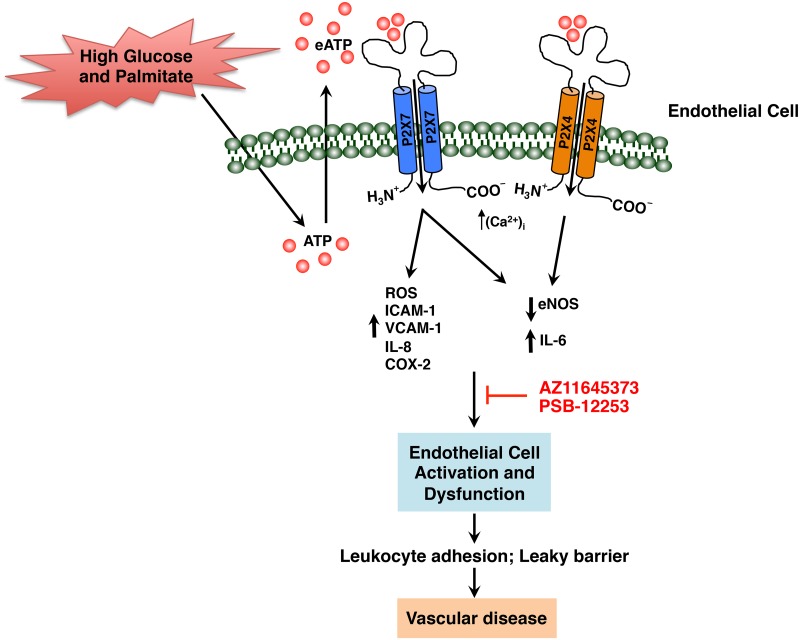
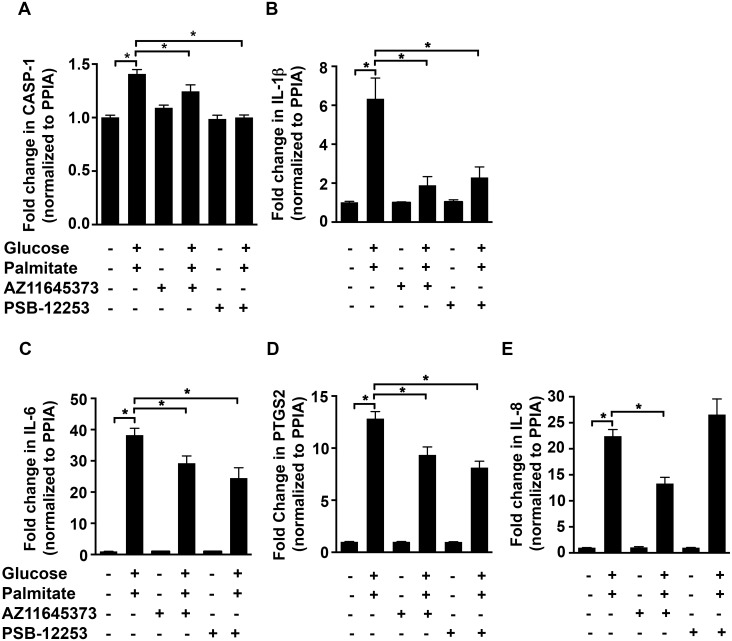
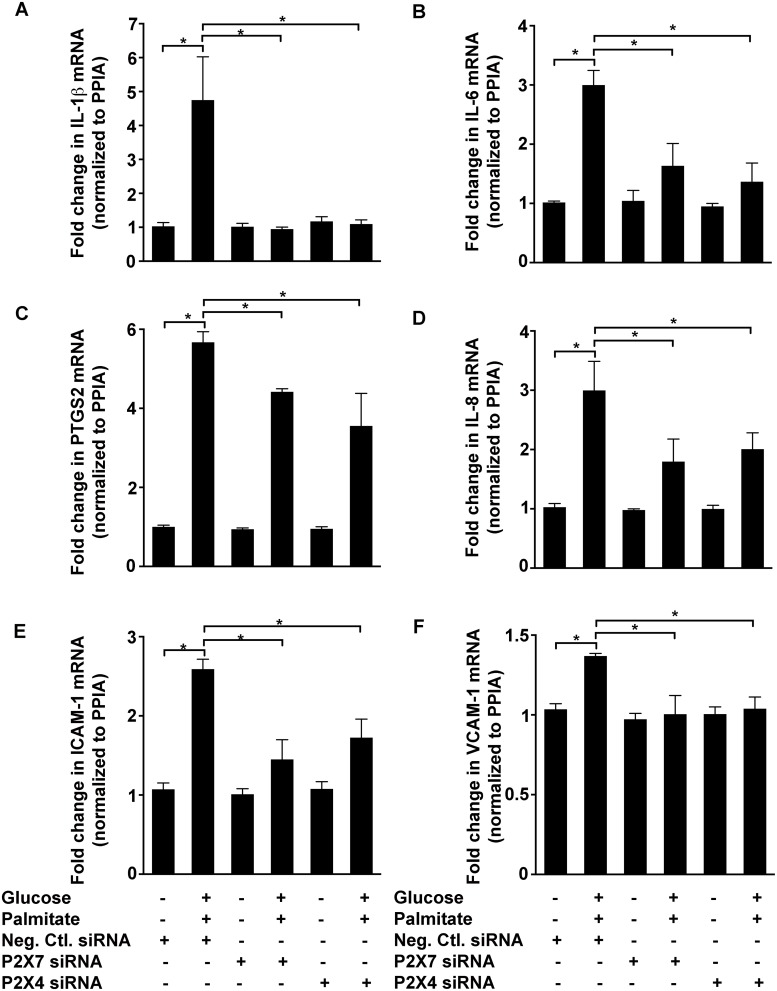
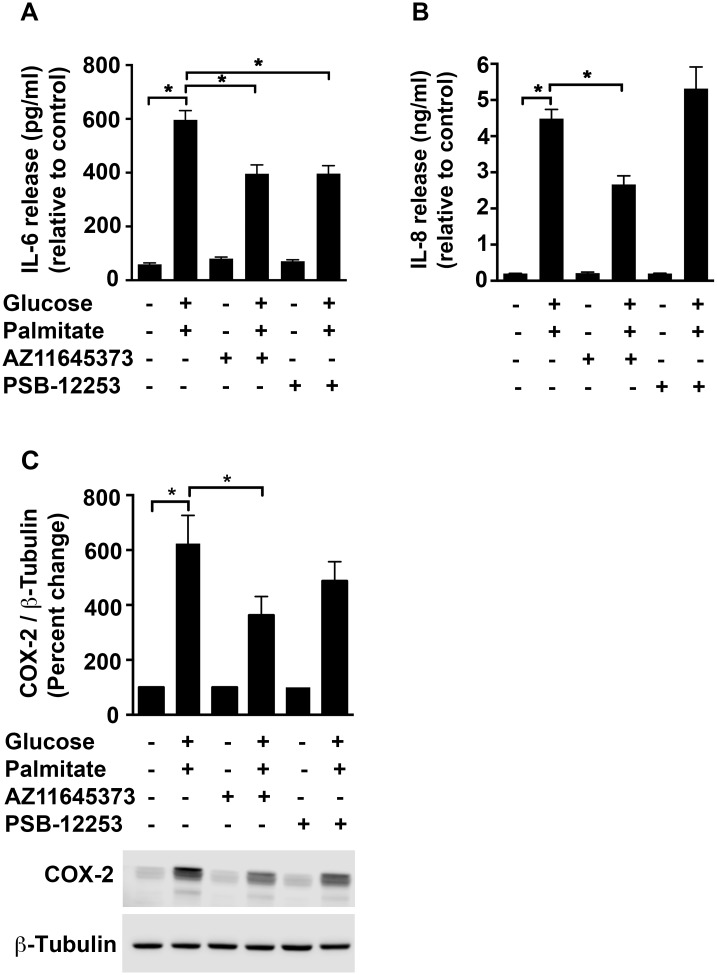
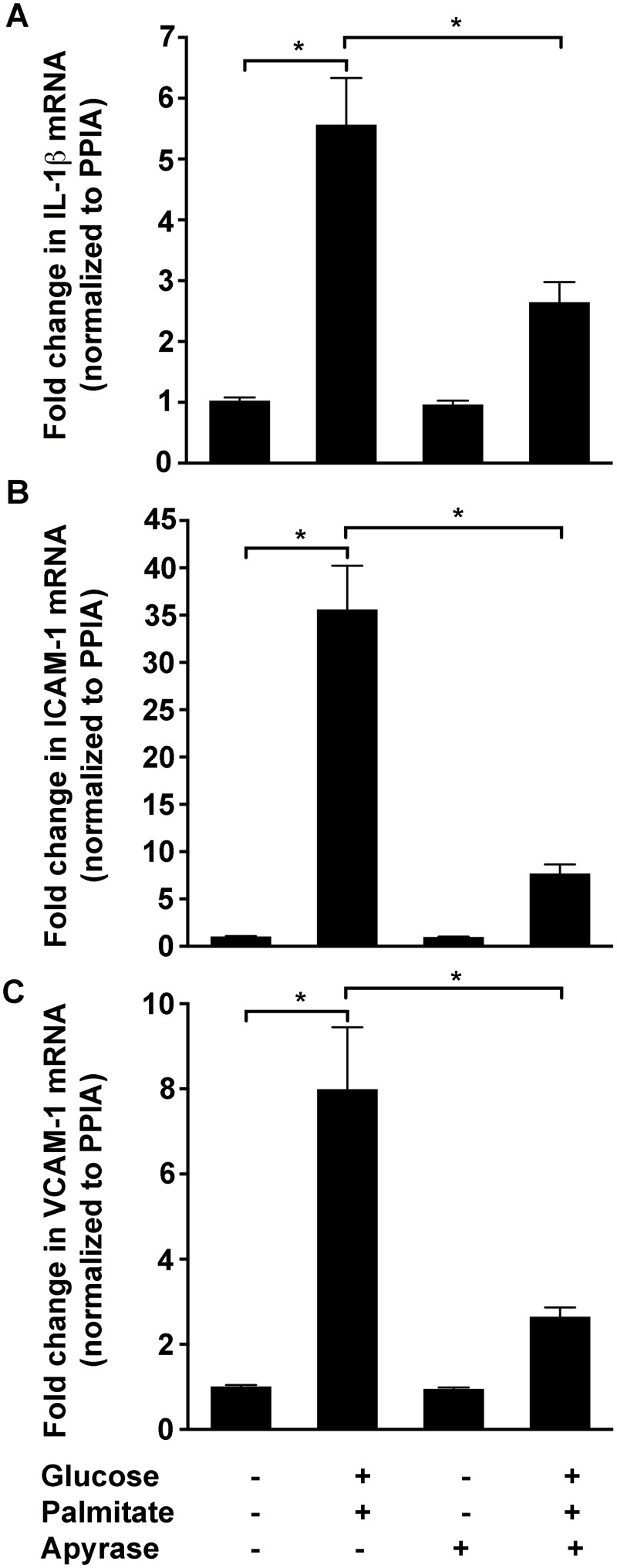
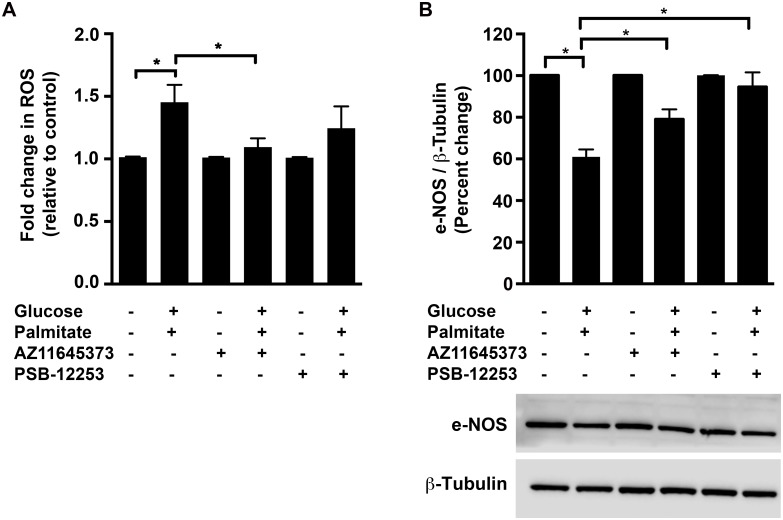
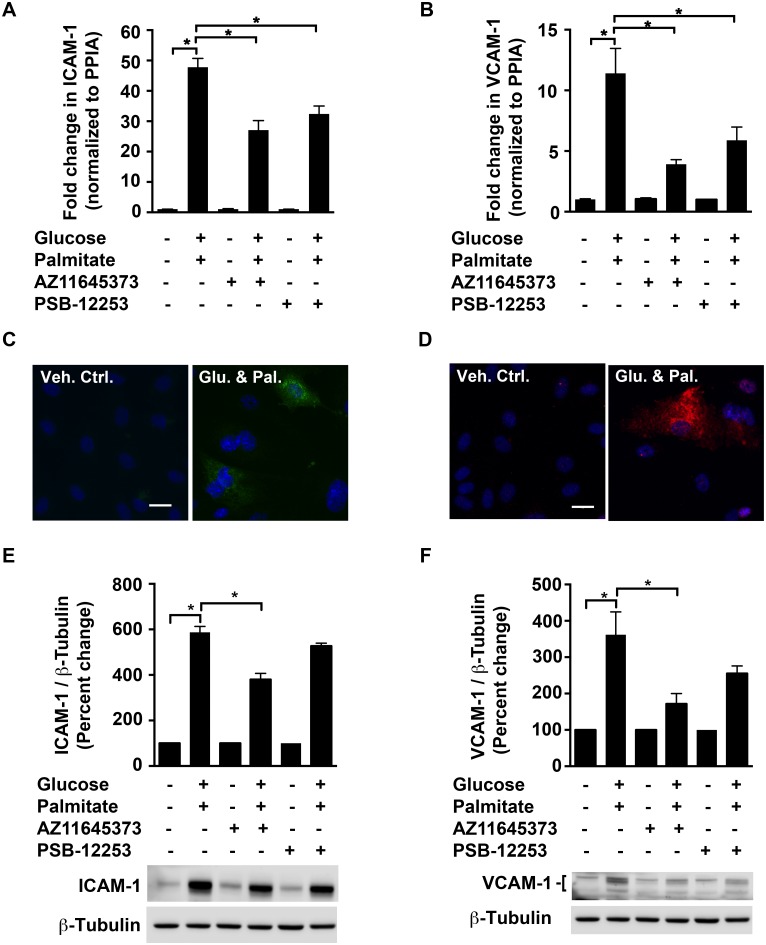
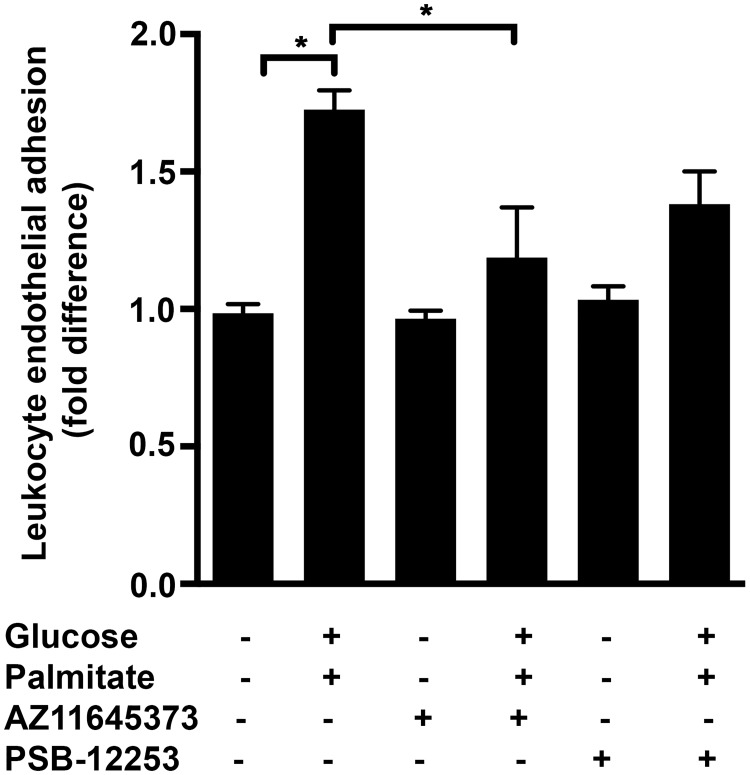
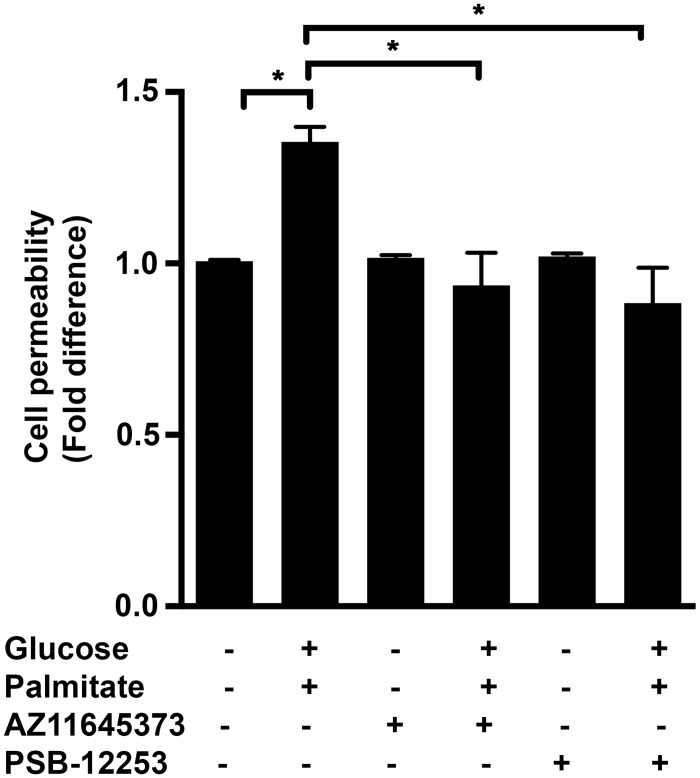
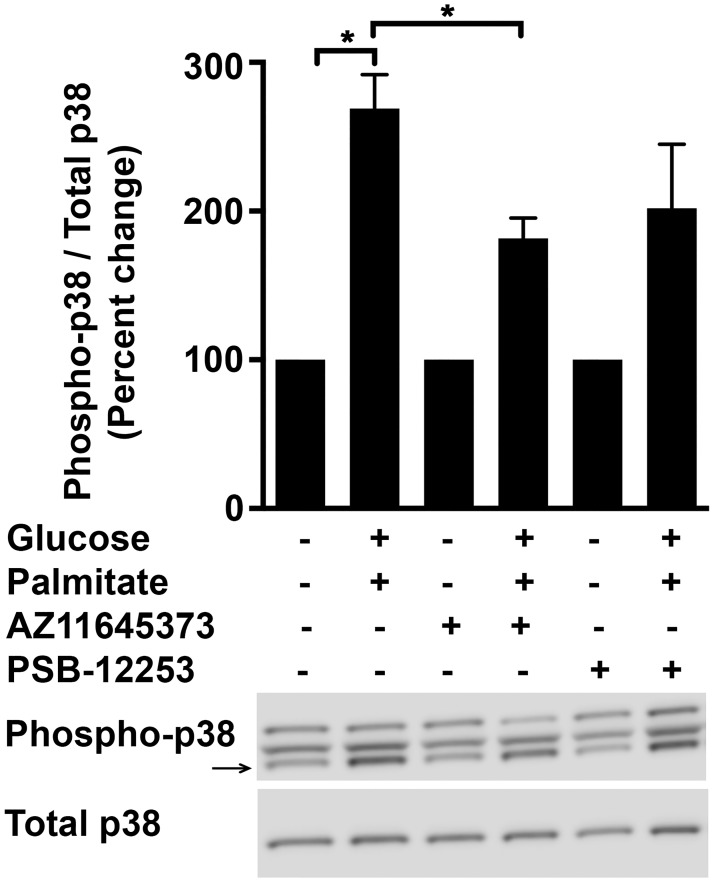
Endothelial cells lining the blood vessels are principal players in vascular inflammatory responses. Dysregulation of endothelial cell function caused by hyperglycemia, dyslipidemia, and hyperinsulinemia often result in impaired vasoregulation, oxidative stress, inflammation, and altered barrier function. Various stressors including high glucose stimulate the release of nucleotides thus initiating signaling via purinergic receptors. However, purinergic modulation of inflammatory responses in endothelial cells caused by high glucose and palmitate remains unclear. In the present study, we investigated whether the effect of high glucose and palmitate is mediated by P2X7 and P2X4 and if they play a role in endothelial cell dysfunction. Transcript and protein levels of inflammatory genes as well as reactive oxygen species production, endothelial-leukocyte adhesion, and cell permeability were investigated in human umbilical vein endothelial cells exposed to high glucose and palmitate. We report high glucose and palmitate to increase levels of extracellular ATP, expression of P2X7 and P2X4, and inflammatory markers. Both P2X7 and P2X4 antagonists inhibited high glucose and palmitate-induced interleukin-6 levels with the former having a significant effect on interleukin-8 and cyclooxygenase-2. The effect of the antagonists was confirmed with siRNA knockdown of the receptors. In addition, P2X7 mediated both high glucose and palmitate-induced increase in reactive oxygen species levels and decrease in endothelial nitric oxide synthase. Blocking P2X7 inhibited high glucose and palmitate-induced expression of intercellular adhesion molecule-1 and vascular cell adhesion molecule-1 as well as leukocyte-endothelial cell adhesion. Interestingly, high glucose and palmitate enhanced endothelial cell permeability that was dependent on both P2X7 and P2X4. Furthermore, antagonizing the P2X7 inhibited high glucose and palmitate-mediated activation of p38-mitogen activated protein kinase. These findings support a novel role for P2X7 and P2X4 coupled to induction of inflammatory molecules in modulating high glucose and palmitate-induced endothelial cell activation and dysfunction.
血管内壁的内皮细胞是血管炎症反应的主要参与者。由高血糖、血脂异常和高胰岛素血症引起的内皮细胞功能失调常导致血管调节受损、氧化应激、炎症和屏障功能改变。包括高糖在内的各种应激源会刺激核苷酸释放,从而通过嘌呤能受体启动信号传导。然而,高糖和棕榈酸酯引起的内皮细胞炎症反应的嘌呤能调节仍不清楚。在本研究中,我们调查了高糖和棕榈酸酯的作用是否由P2X7和P2X4介导,以及它们是否在内皮细胞功能障碍中起作用。在暴露于高糖和棕榈酸酯的人脐静脉内皮细胞中,研究了炎症基因的转录和蛋白水平以及活性氧生成、内皮细胞与白细胞黏附及细胞通透性。我们报告高糖和棕榈酸酯会增加细胞外ATP水平、P2X7和P2X4的表达以及炎症标志物。P2X7和P2X4拮抗剂均抑制高糖和棕榈酸酯诱导的白细胞介素-6水平,前者对白细胞介素-8和环氧化酶-2有显著影响。受体的小干扰RNA敲低证实了拮抗剂的作用。此外,P2X7介导高糖和棕榈酸酯诱导的活性氧水平升高以及内皮型一氧化氮合酶减少。阻断P2X7可抑制高糖和棕榈酸酯诱导的细胞间黏附分子-1和血管细胞黏附分子-1的表达以及白细胞与内皮细胞的黏附。有趣的是,高糖和棕榈酸酯增强了内皮细胞通透性,这依赖于P2X7和P2X4。此外,拮抗P2X7可抑制高糖和棕榈酸酯介导的p38丝裂原活化蛋白激酶的激活。这些发现支持P2X7和P2X4在调节高糖和棕榈酸酯诱导的内皮细胞活化和功能障碍中与炎症分子诱导相关的新作用。