Laurie Karen L, Guarnaccia Teagan A, Carolan Louise A, Yan Ada W C, Aban Malet, Petrie Stephen, Cao Pengxing, Heffernan Jane M, McVernon Jodie, Mosse Jennifer, Kelso Anne, McCaw James M, Barr Ian G
WHO Collaborating Centre for Reference and Research on Influenza, Victorian Infectious Diseases Reference Laboratory at the Peter Doherty Institute for Infection and Immunity School of Applied and Biomedical Sciences, Federation University, Churchill, Australia.
WHO Collaborating Centre for Reference and Research on Influenza, Victorian Infectious Diseases Reference Laboratory at the Peter Doherty Institute for Infection and Immunity.
J Infect Dis. 2015 Dec 1;212(11):1701-10. doi: 10.1093/infdis/jiv260. Epub 2015 May 5.
Epidemiological studies suggest that, following infection with influenza virus, there is a short period during which a host experiences a lower susceptibility to infection with other influenza viruses. This viral interference appears to be independent of any antigenic similarities between the viruses. We used the ferret model of human influenza to systematically investigate viral interference.
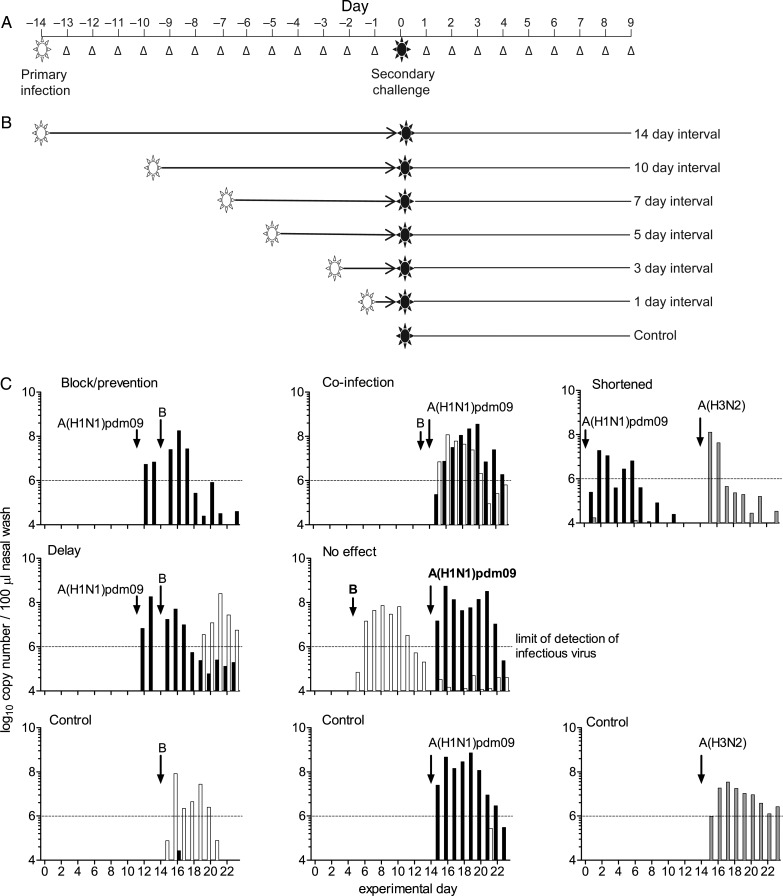
Ferrets were first infected then challenged 1-14 days later with pairs of influenza A(H1N1)pdm09, influenza A(H3N2), and influenza B viruses circulating in 2009 and 2010.
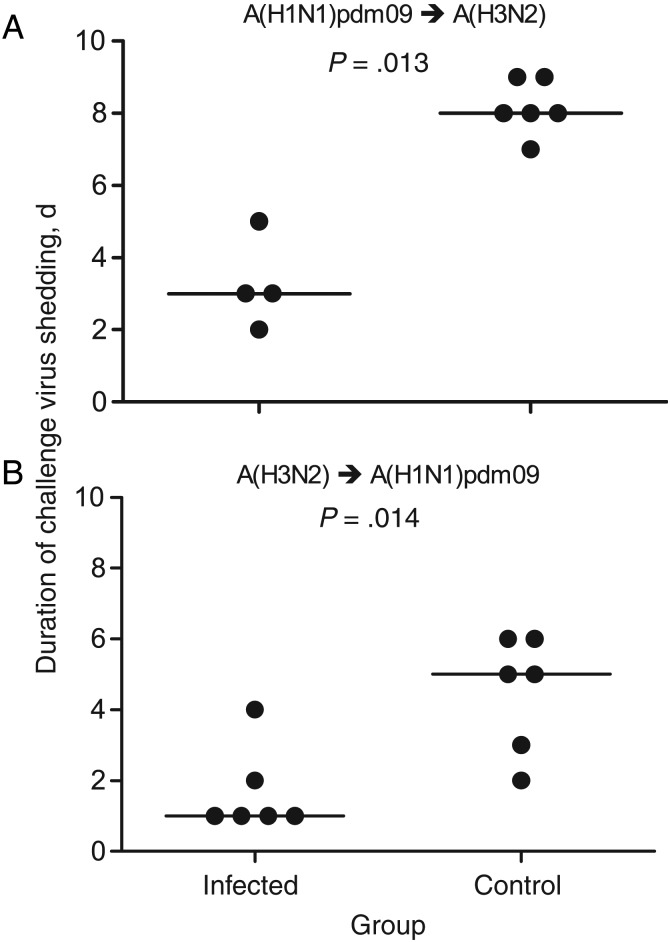
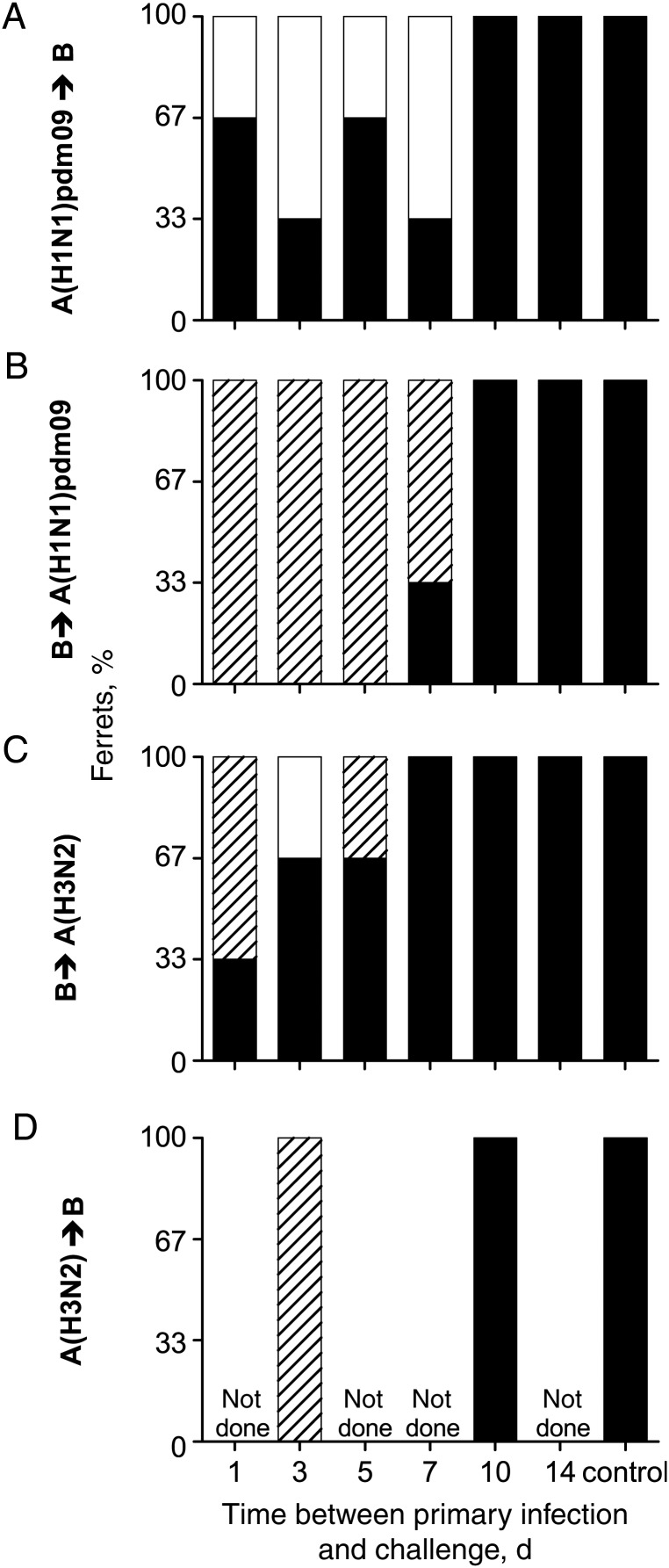
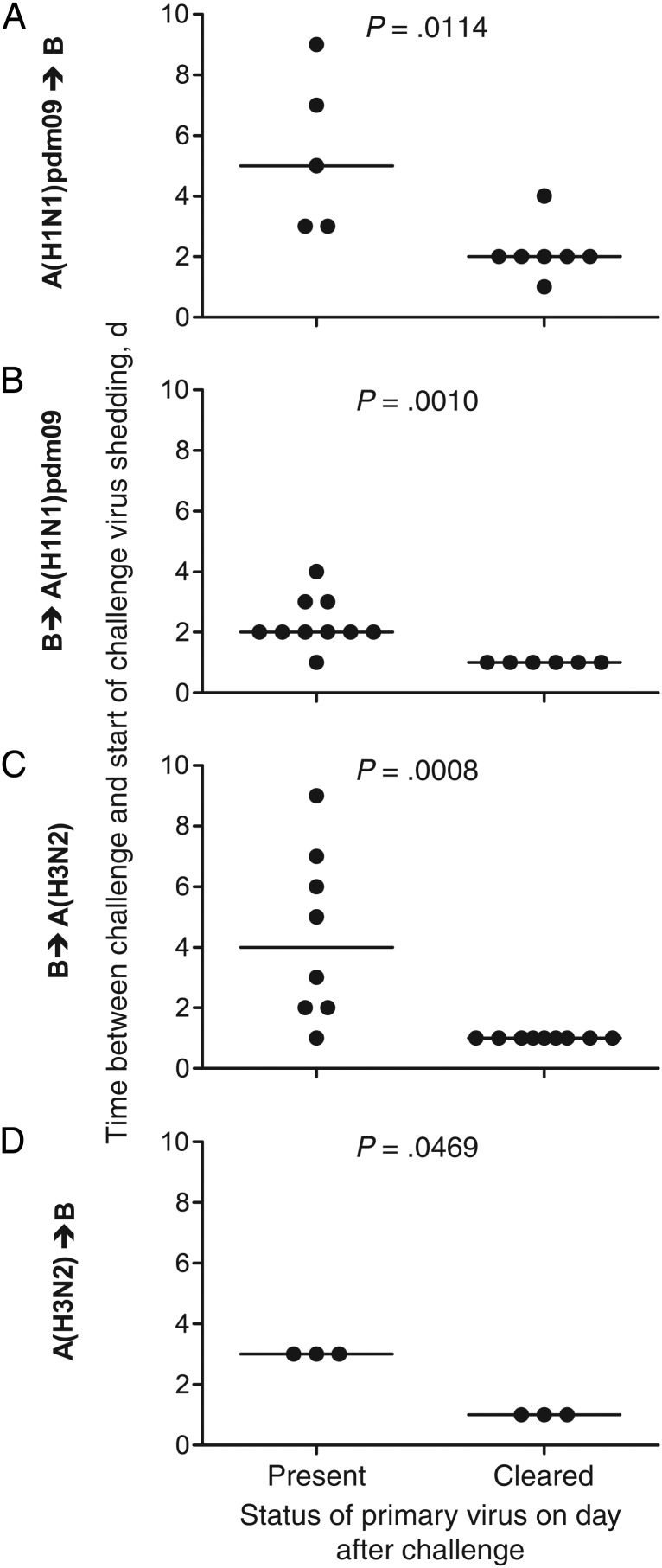
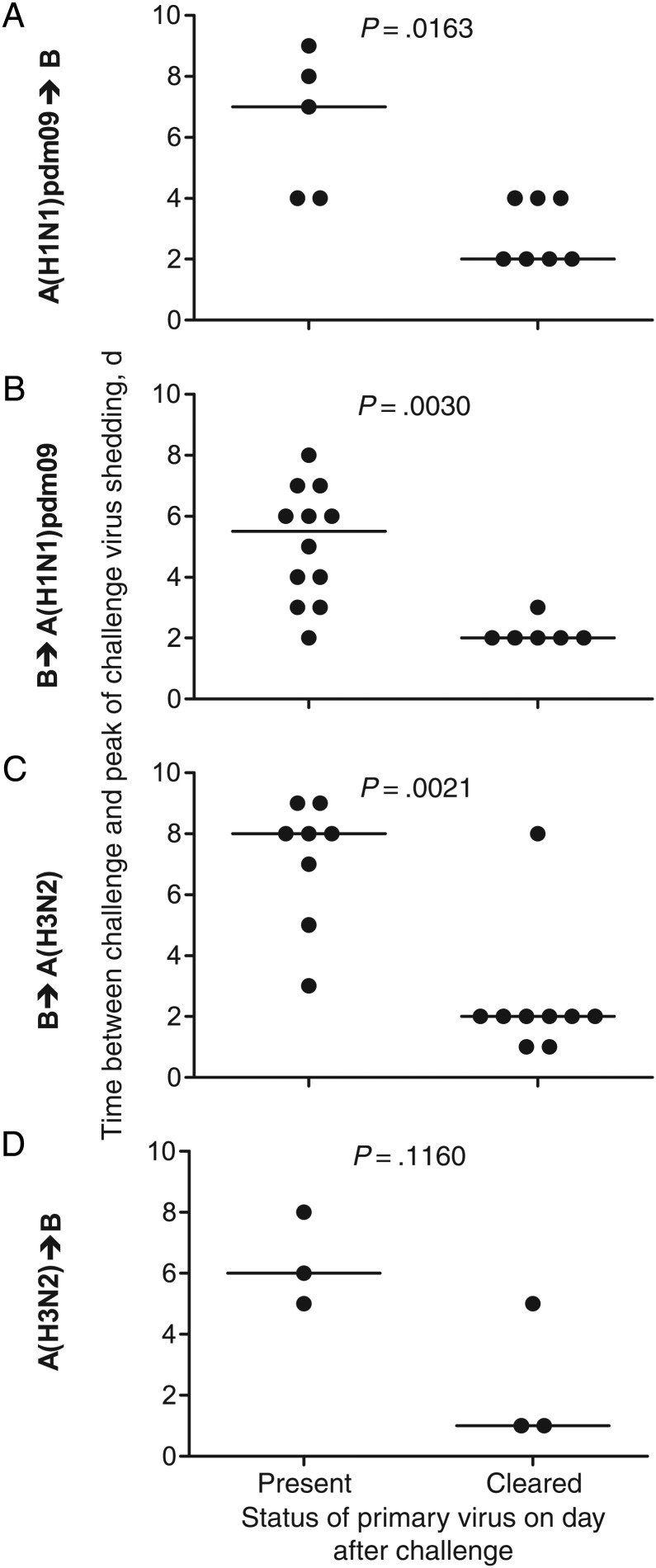
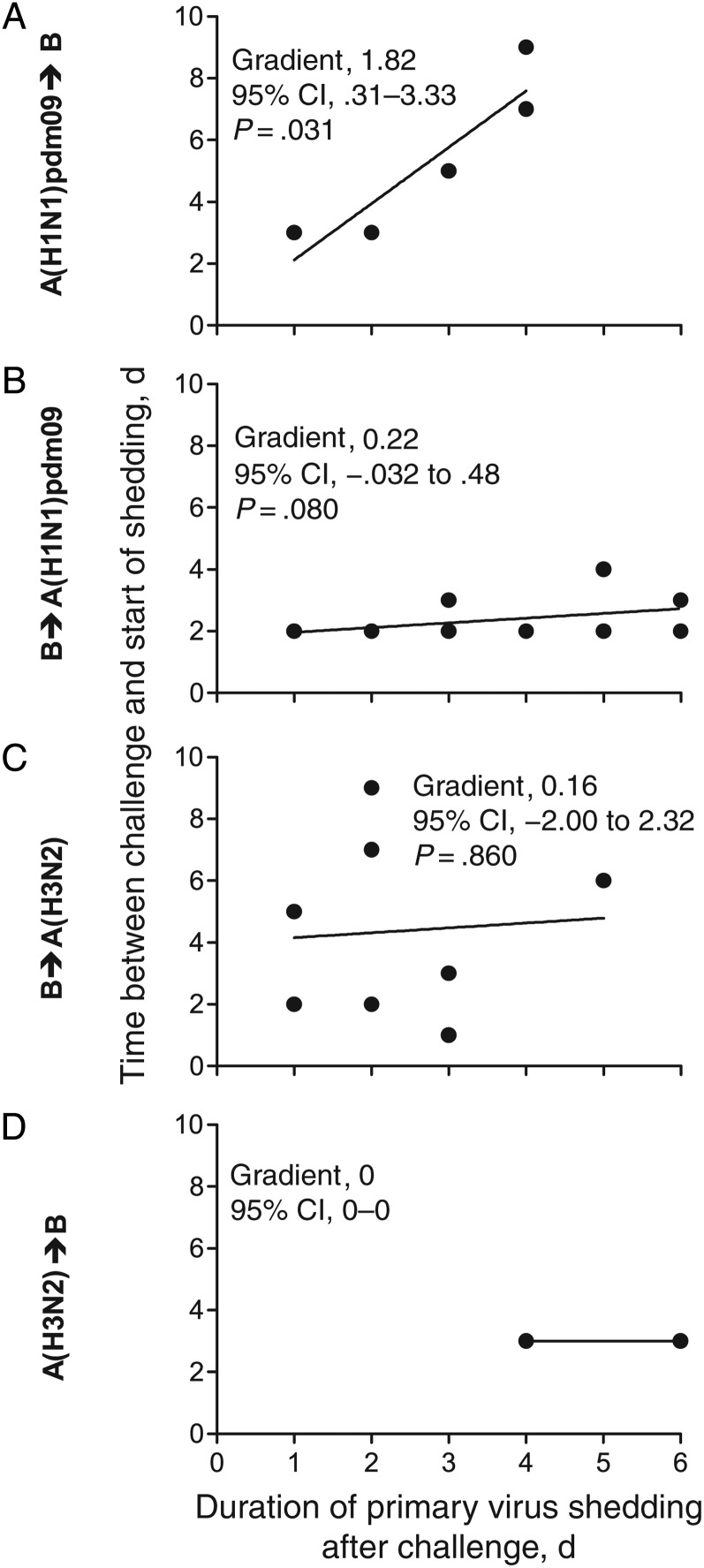
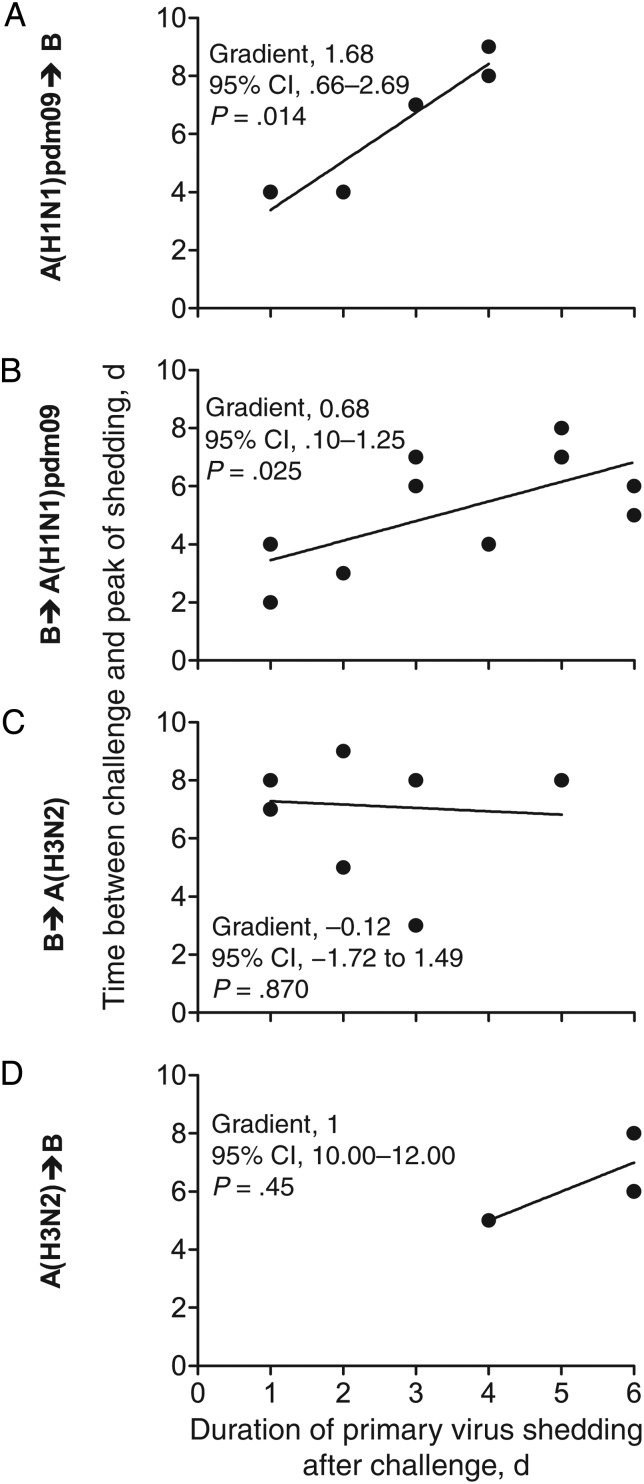
Viral interference was observed when the interval between initiation of primary infection and subsequent challenge was <1 week. This effect was virus specific and occurred between antigenically related and unrelated viruses. Coinfections occurred when 1 or 3 days separated infections. Ongoing shedding from the primary virus infection was associated with viral interference after the secondary challenge.
The interval between infections and the sequential combination of viruses were important determinants of viral interference. The influenza viruses in this study appear to have an ordered hierarchy according to their ability to block or delay infection, which may contribute to the dominance of different viruses often seen in an influenza season.
流行病学研究表明,感染流感病毒后,宿主在短时间内对其他流感病毒的易感性会降低。这种病毒干扰似乎与病毒之间的任何抗原相似性无关。我们使用人类流感的雪貂模型系统地研究了病毒干扰。
雪貂首先被感染,然后在1-14天后用2009年和2010年流行的甲型(H1N1)pdm09流感病毒、甲型(H3N2)流感病毒和乙型流感病毒对进行攻击。
当初次感染开始与随后攻击之间的间隔<1周时,观察到病毒干扰。这种效应具有病毒特异性,且发生在抗原相关和不相关的病毒之间。当感染间隔1天或3天时会发生合并感染。初次病毒感染的持续排毒与二次攻击后的病毒干扰有关。
感染间隔和病毒的先后组合是病毒干扰的重要决定因素。本研究中的流感病毒似乎根据其阻断或延迟感染的能力具有一个有序的等级体系,这可能有助于解释流感季节中常见的不同病毒的优势地位。