Fu Jingqi, Zheng Hongzhi, Wang Huihui, Yang Bei, Zhao Rui, Lu Chunwei, Liu Zhiyuan, Hou Yongyong, Xu Yuanyuan, Zhang Qiang, Qu Weidong, Pi Jingbo
Program of Environmental Toxicology, School of Public Health, China Medical University, No. 77 Puhe Road, Shenyang North New Area, Shenyang, Liaoning 110122, China.
The First Affiliated Hospital, China Medical University, 155 Nanjingbei Street, Heping District, Shenyang, Liaoning 110001, China.
Oxid Med Cell Longev. 2015;2015:639191. doi: 10.1155/2015/639191. Epub 2015 Apr 9.
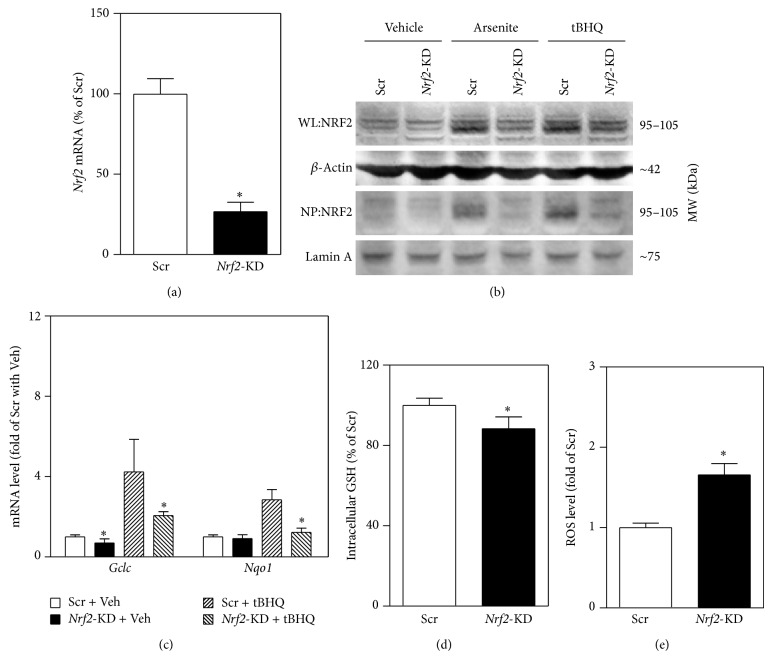
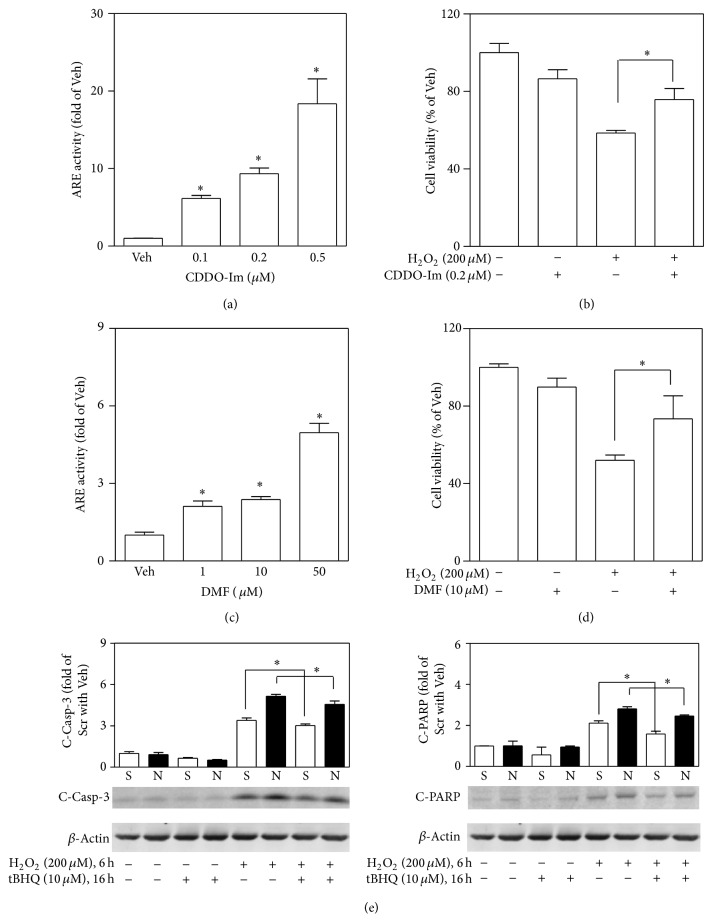
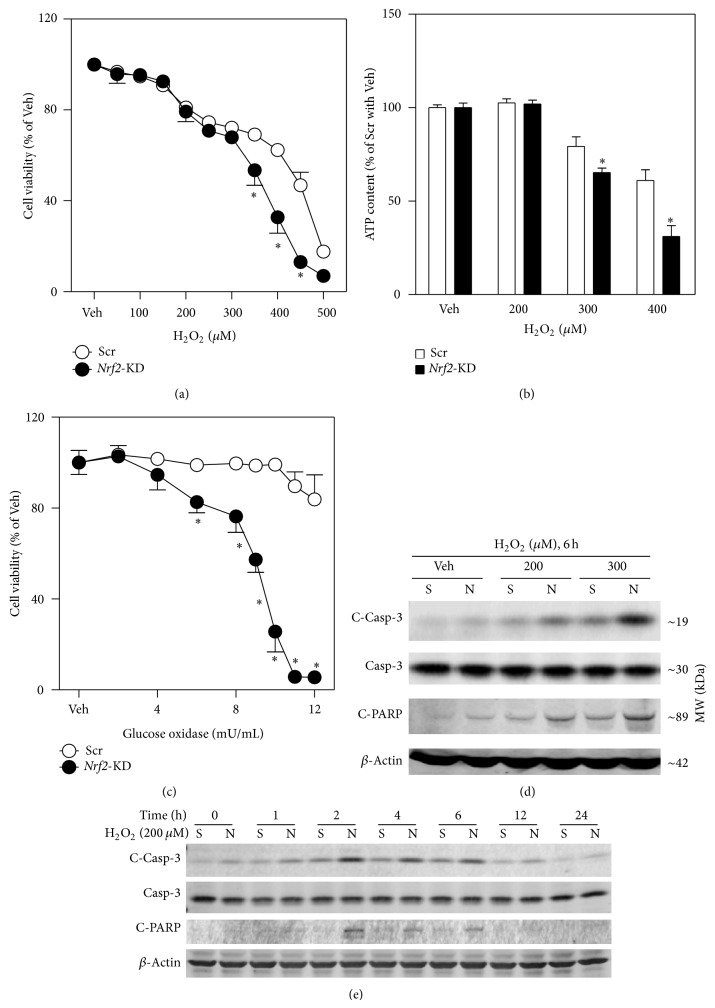
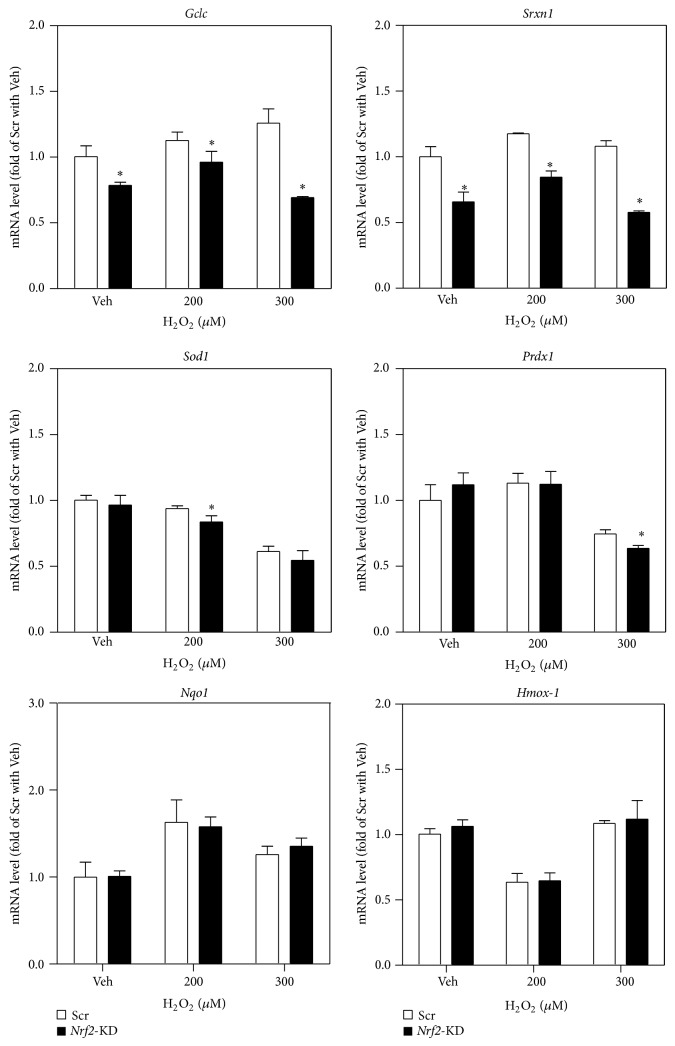
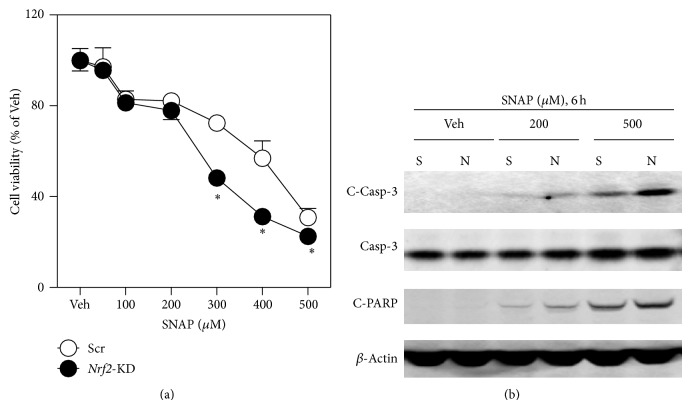
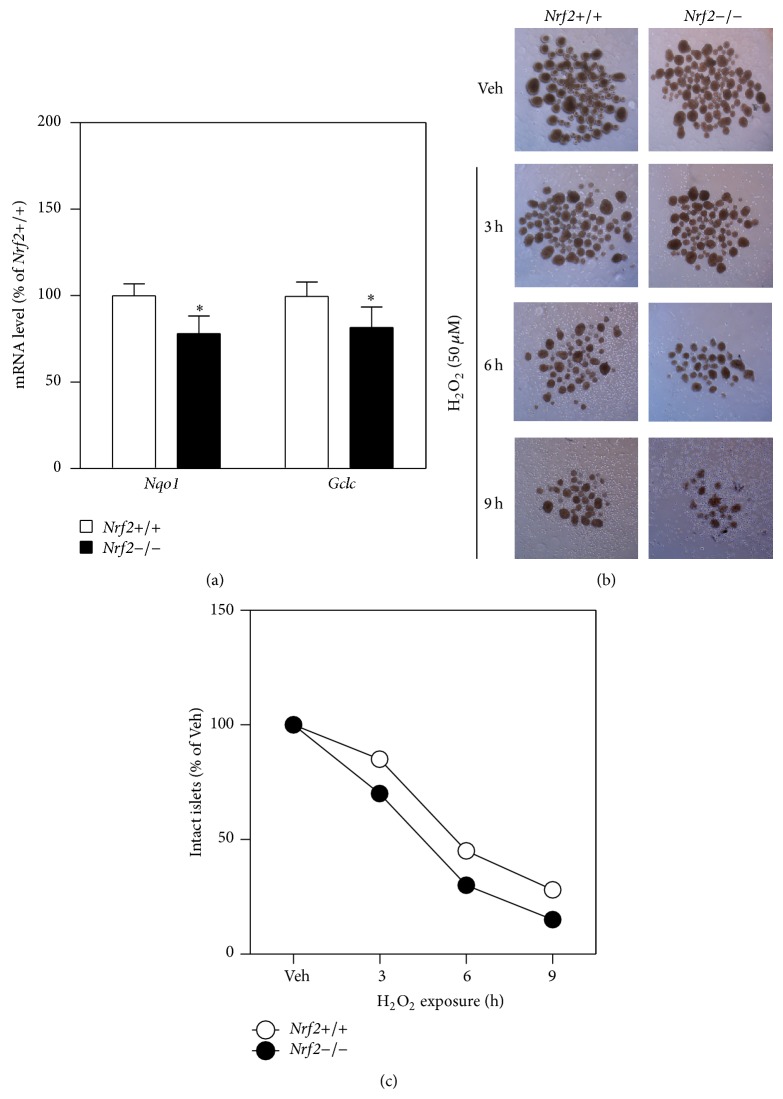
Oxidative stress is implicated in the pathogenesis of pancreatic β-cell dysfunction that occurs in both type 1 and type 2 diabetes. Nuclear factor E2-related factor 2 (NRF2) is a master regulator in the cellular adaptive response to oxidative stress. The present study found that MIN6 β-cells with stable knockdown of Nrf2 (Nrf2-KD) and islets isolated from Nrf2-knockout mice expressed substantially reduced levels of antioxidant enzymes in response to a variety of stressors. In scramble MIN6 cells or wild-type islets, acute exposure to oxidative stressors, including hydrogen peroxide (H2O2) and S-nitroso-N-acetylpenicillamine, resulted in cell damage as determined by decrease in cell viability, reduced ATP content, morphology changes of islets, and/or alterations of apoptotic biomarkers in a concentration- and/or time-dependent manner. In contrast, silencing of Nrf2 sensitized MIN6 cells or islets to the damage. In addition, pretreatment of MIN6 β-cells with NRF2 activators, including CDDO-Im, dimethyl fumarate (DMF), and tert-butylhydroquinone (tBHQ), protected the cells from high levels of H2O2-induced cell damage. Given that reactive oxygen species (ROS) are involved in regulating glucose-stimulated insulin secretion (GSIS) and persistent activation of NRF2 blunts glucose-triggered ROS signaling and GSIS, the present study highlights the distinct roles that NRF2 may play in pancreatic β-cell dysfunction that occurs in different stages of diabetes.
氧化应激与1型和2型糖尿病中发生的胰腺β细胞功能障碍的发病机制有关。核因子E2相关因子2(NRF2)是细胞对氧化应激适应性反应的主要调节因子。本研究发现,稳定敲低Nrf2(Nrf2-KD)的MIN6β细胞和从Nrf2基因敲除小鼠分离的胰岛,在应对各种应激源时,抗氧化酶水平显著降低。在乱序MIN6细胞或野生型胰岛中,急性暴露于氧化应激源,包括过氧化氢(H2O2)和S-亚硝基-N-乙酰青霉胺,导致细胞损伤,表现为细胞活力下降、ATP含量降低、胰岛形态改变和/或凋亡生物标志物的变化,呈浓度和/或时间依赖性。相比之下,Nrf2沉默使MIN6细胞或胰岛对损伤更敏感。此外,用NRF2激活剂,包括CDDO-Im、富马酸二甲酯(DMF)和叔丁基对苯二酚(tBHQ)预处理MIN6β细胞,可保护细胞免受高水平H2O2诱导的细胞损伤。鉴于活性氧(ROS)参与调节葡萄糖刺激的胰岛素分泌(GSIS),而NRF2的持续激活会减弱葡萄糖触发的ROS信号传导和GSIS,本研究强调了NRF2在糖尿病不同阶段发生的胰腺β细胞功能障碍中可能发挥的不同作用。