Hempstead Joshua, Jones Dustin P, Ziouche Abdelali, Cramer Gwendolyn M, Rizvi Imran, Arnason Stephen, Hasan Tayyaba, Celli Jonathan P
Department of Physics, University of Massachusetts, Boston, MA 02125, USA.
Laboratoire de Physique des Lasers, Université Paris 13, 93430 Villetaneuse, France.
Sci Rep. 2015 May 12;5:10093. doi: 10.1038/srep10093.
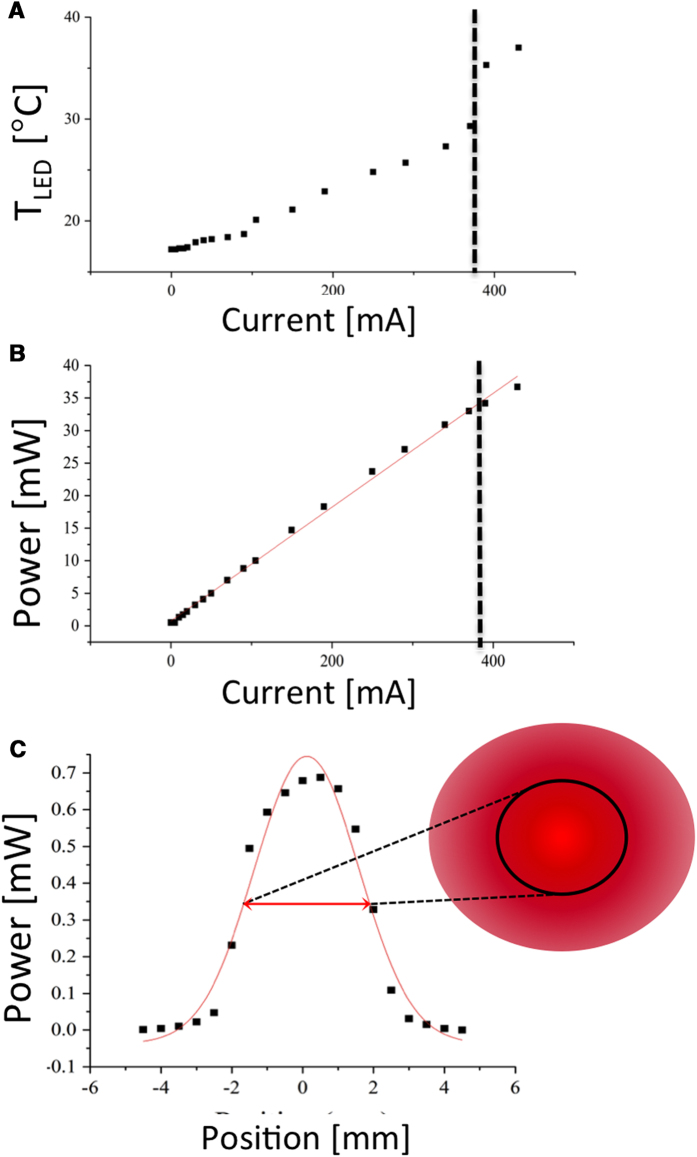
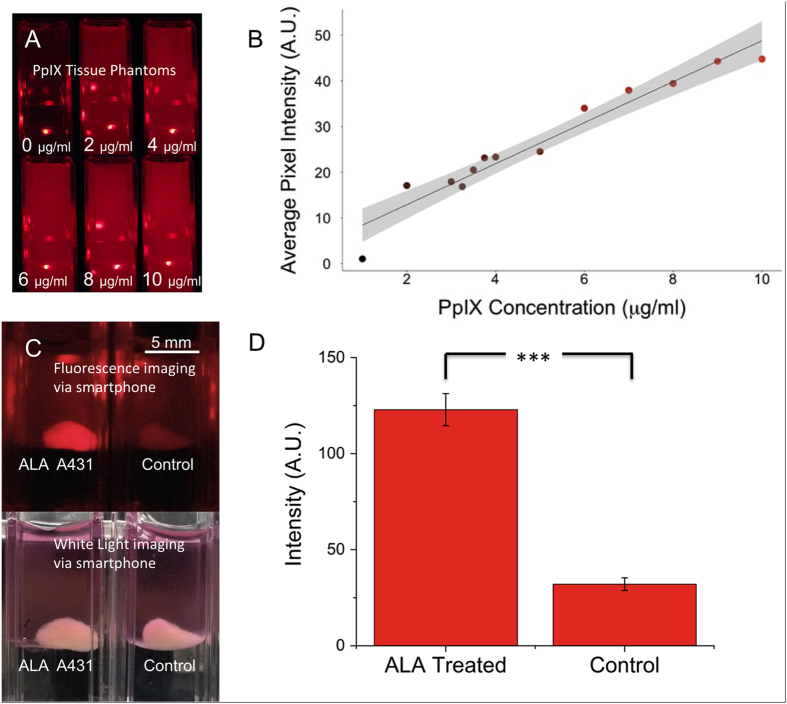
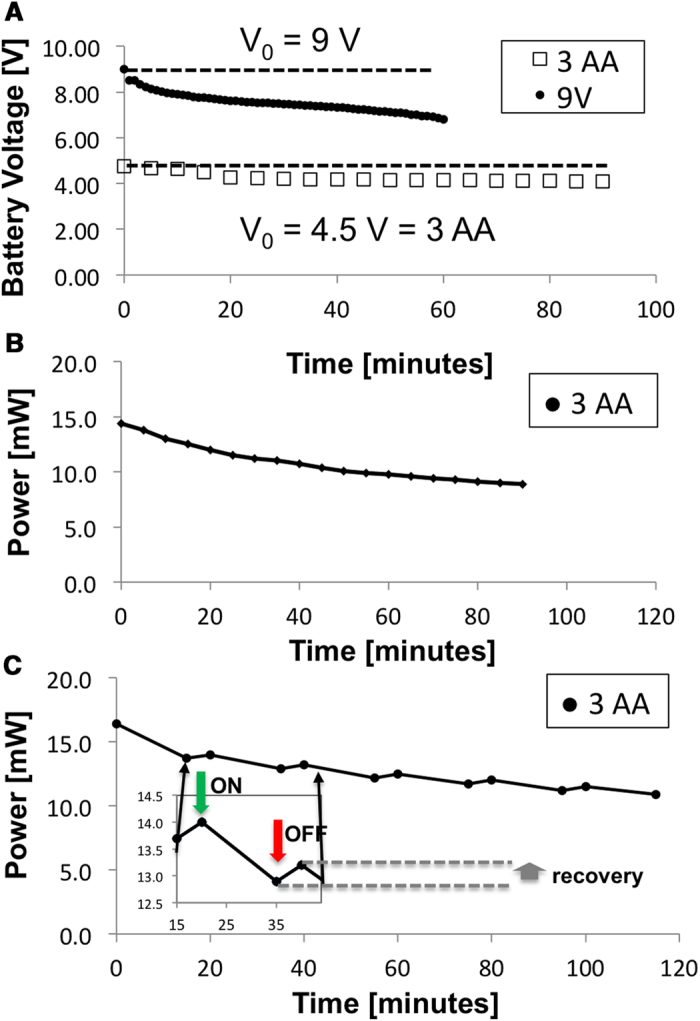
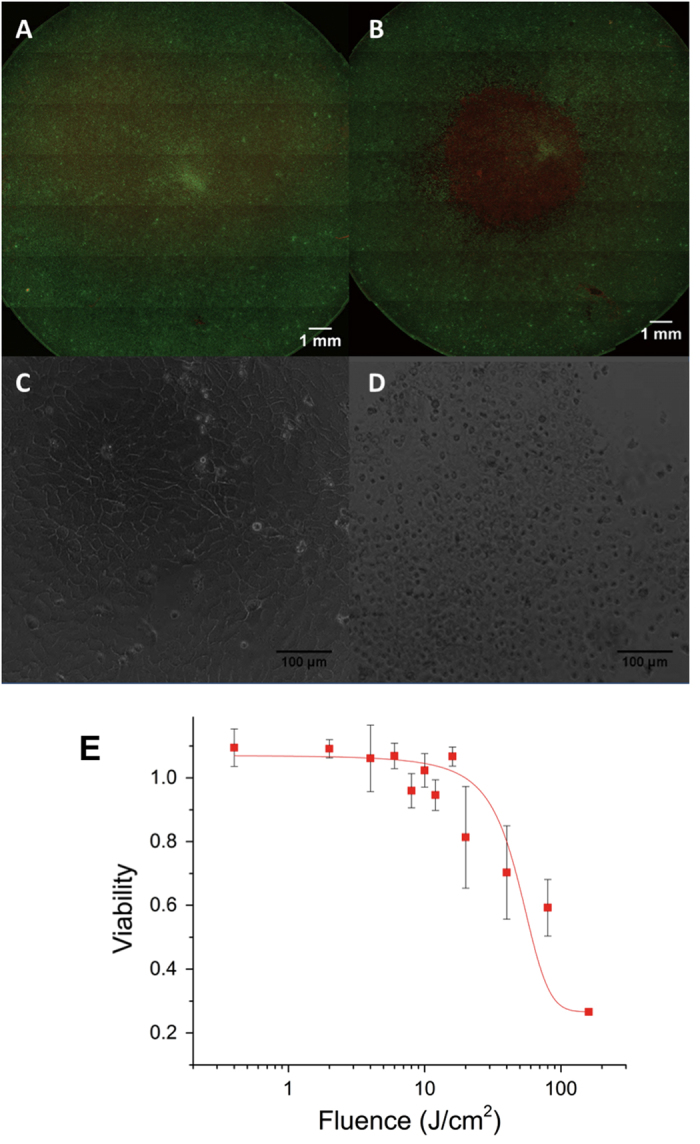
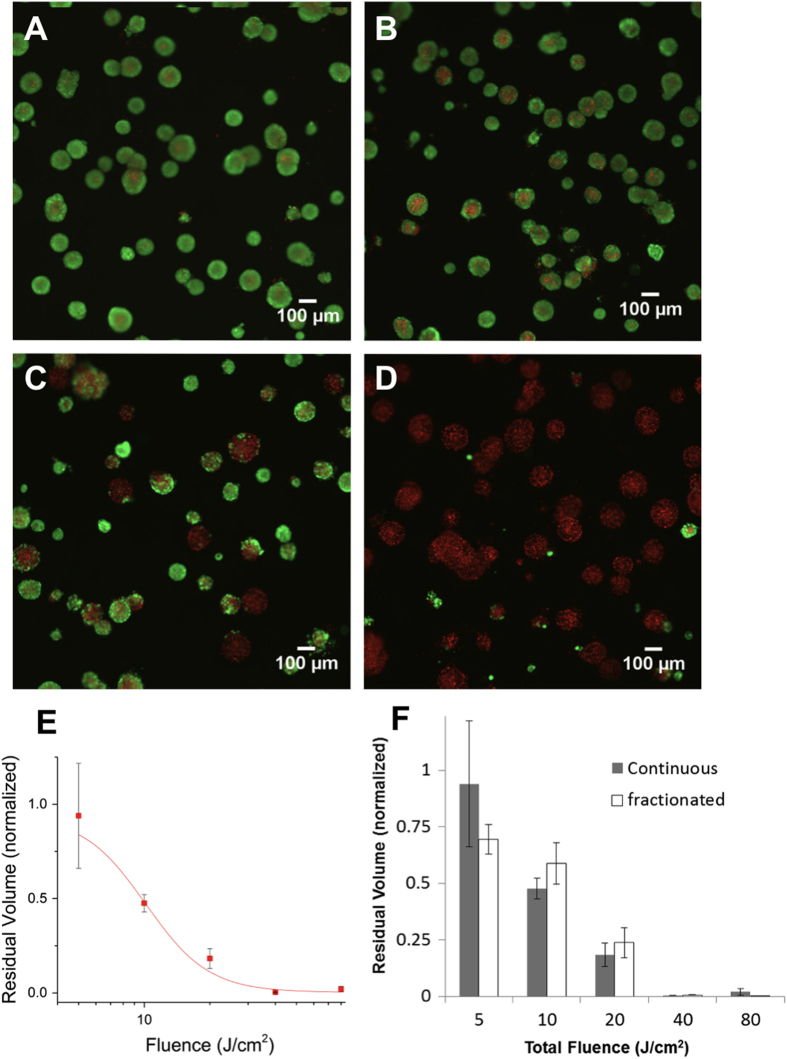
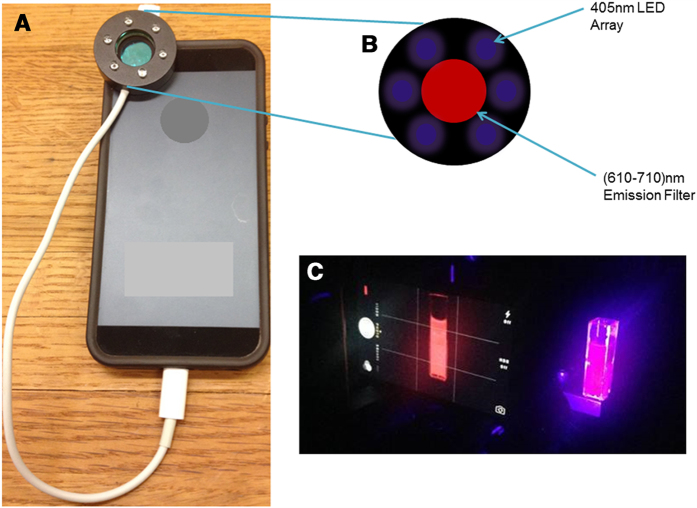
A lack of access to effective cancer therapeutics in resource-limited settings is implicated in global cancer health disparities between developed and developing countries. Photodynamic therapy (PDT) is a light-based treatment modality that has exhibited safety and efficacy in the clinic using wavelengths and irradiances achievable with light-emitting diodes (LEDs) operated on battery power. Here we assess low-cost enabling technology to extend the clinical benefit of PDT to regions with little or no access to electricity or medical infrastructure. We demonstrate the efficacy of a device based on a 635 nm high-output LED powered by three AA disposable alkaline batteries, to achieve strong cytotoxic response in monolayer and 3D cultures of A431 squamous carcinoma cells following photosensitization by administering aminolevulinic acid (ALA) to induce the accumulation of protoporphyrin IX (PpIX). Here we characterize challenges of battery-operated device performance, including battery drain and voltage stability specifically over relevant PDT dose parameters. Further motivated by the well-established capacity of PDT photosensitizers to serve as tumour-selective fluorescence contrast agents, we demonstrate the capability of a consumer smartphone with low-cost add-ons to measure concentration-dependent PpIX fluorescence. This study lays the groundwork for the on-going development of image-guided ALA-PDT treatment technologies for global health applications.
资源有限地区难以获得有效的癌症治疗方法,这与发达国家和发展中国家之间的全球癌症健康差距有关。光动力疗法(PDT)是一种基于光的治疗方式,在临床上已显示出安全性和有效性,它使用由电池供电的发光二极管(LED)可实现的波长和辐照度。在这里,我们评估低成本的支持技术,以将PDT的临床益处扩展到几乎没有或根本没有电力供应或医疗基础设施的地区。我们展示了一种基于由三节AA一次性碱性电池供电的635nm高输出LED的设备的功效,通过施用氨基乙酰丙酸(ALA)诱导原卟啉IX(PpIX)积累进行光敏化后,该设备能在A431鳞状癌细胞的单层和3D培养物中实现强烈的细胞毒性反应。在这里,我们描述了电池供电设备性能面临的挑战,包括电池耗尽和特别是在相关PDT剂量参数范围内的电压稳定性。受PDT光敏剂作为肿瘤选择性荧光造影剂的既定能力的进一步推动,我们展示了一款配备低成本附加装置的消费级智能手机测量浓度依赖性PpIX荧光的能力。这项研究为正在进行的用于全球健康应用的图像引导ALA-PDT治疗技术的开发奠定了基础。