Pierson Emma, Koller Daphne, Battle Alexis, Mostafavi Sara, Ardlie Kristin G, Getz Gad, Wright Fred A, Kellis Manolis, Volpi Simona, Dermitzakis Emmanouil T
Department of Computer Science, Stanford University, Stanford, California, United States of America.
PLoS Comput Biol. 2015 May 13;11(5):e1004220. doi: 10.1371/journal.pcbi.1004220. eCollection 2015 May.
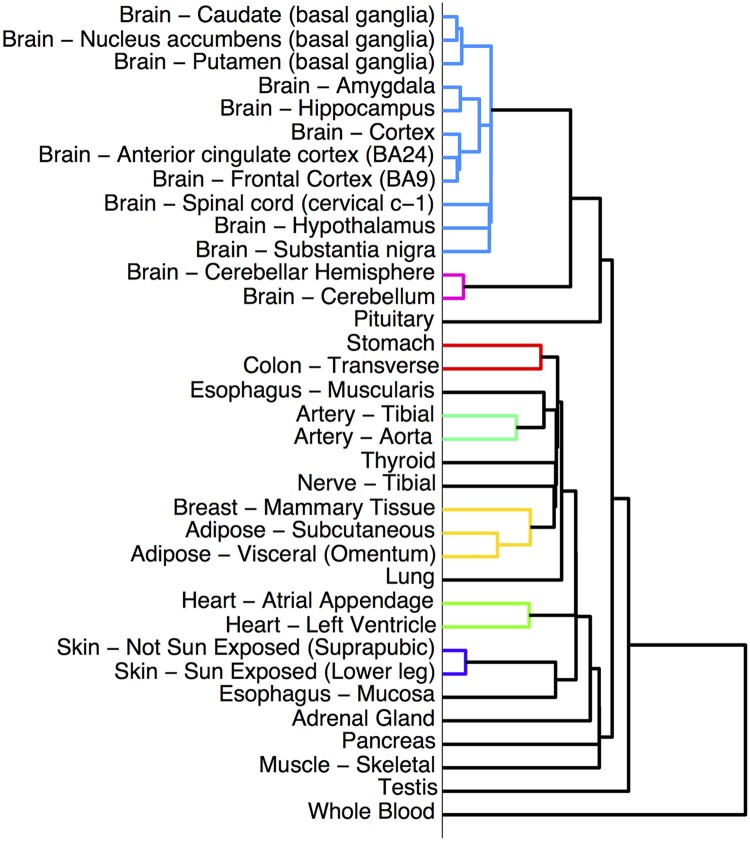
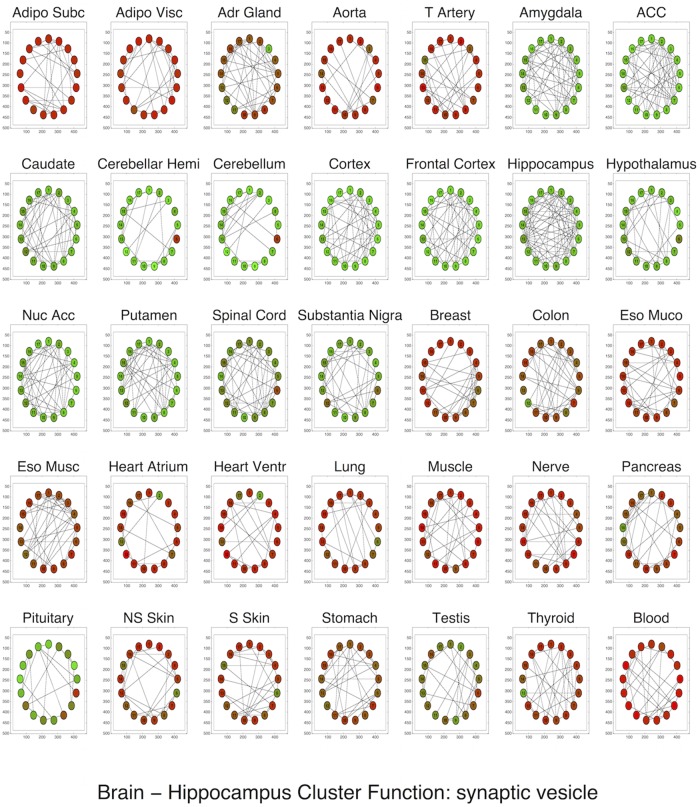
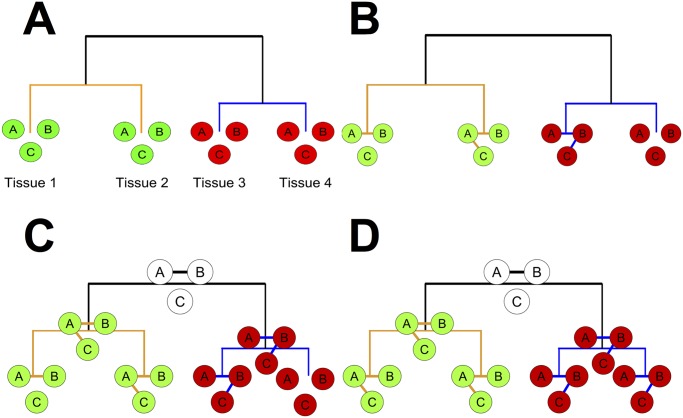
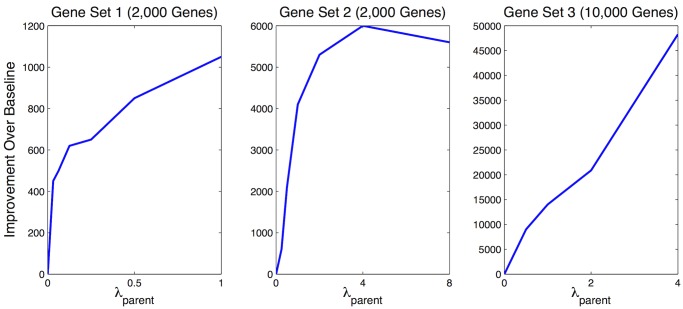
To understand the regulation of tissue-specific gene expression, the GTEx Consortium generated RNA-seq expression data for more than thirty distinct human tissues. This data provides an opportunity for deriving shared and tissue specific gene regulatory networks on the basis of co-expression between genes. However, a small number of samples are available for a majority of the tissues, and therefore statistical inference of networks in this setting is highly underpowered. To address this problem, we infer tissue-specific gene co-expression networks for 35 tissues in the GTEx dataset using a novel algorithm, GNAT, that uses a hierarchy of tissues to share data between related tissues. We show that this transfer learning approach increases the accuracy with which networks are learned. Analysis of these networks reveals that tissue-specific transcription factors are hubs that preferentially connect to genes with tissue specific functions. Additionally, we observe that genes with tissue-specific functions lie at the peripheries of our networks. We identify numerous modules enriched for Gene Ontology functions, and show that modules conserved across tissues are especially likely to have functions common to all tissues, while modules that are upregulated in a particular tissue are often instrumental to tissue-specific function. Finally, we provide a web tool, available at mostafavilab.stat.ubc.ca/GNAT, which allows exploration of gene function and regulation in a tissue-specific manner.
为了理解组织特异性基因表达的调控机制,基因型组织表达(GTEx)联盟生成了超过30种不同人体组织的RNA测序表达数据。这些数据为基于基因间共表达推导共享的和组织特异性的基因调控网络提供了契机。然而,大多数组织可用的样本数量较少,因此在这种情况下对网络进行统计推断的能力严重不足。为了解决这个问题,我们使用一种新颖的算法GNAT,为GTEx数据集中的35种组织推断组织特异性基因共表达网络,该算法利用组织层次结构在相关组织之间共享数据。我们表明,这种迁移学习方法提高了网络学习的准确性。对这些网络的分析表明,组织特异性转录因子是枢纽,优先连接到具有组织特异性功能的基因。此外,我们观察到具有组织特异性功能的基因位于我们网络的边缘。我们识别出大量富含基因本体功能的模块,并表明跨组织保守的模块特别可能具有所有组织共有的功能,而在特定组织中上调的模块通常对组织特异性功能起作用。最后,我们提供了一个网络工具,可在mostafavilab.stat.ubc.ca/GNAT上获取,它允许以组织特异性的方式探索基因功能和调控。