Islam Kazi N, Polhemus David J, Donnarumma Erminia, Brewster Luke P, Lefer David J
Cardiovascular Center of Excellence, Louisiana State University Health Sciences Center, New Orleans, LA (K.N.I., D.J.P., E.D., D.J.L.).
Emory University School of Medicine, Atlanta, GA (L.P.B.).
J Am Heart Assoc. 2015 May 14;4(5):e001986. doi: 10.1161/JAHA.115.001986.
Cystathionine γ-lyase, cystathionine β-synthase, and 3-mercaptopyruvate sulfurtransferase are endogenous enzymatic sources of hydrogen sulfide (H2S). Functions of H2S are mediated by several targets including ion channels and signaling proteins. Nuclear factor-erythroid 2-related factor 2 is responsible for the expression of antioxidant response element-regulated genes and is known to be upregulated by H2S. We examined the levels of H2S, H2S-producing enzymes, and nuclear factor-erythroid 2-related factor 2 activation status in skeletal muscle obtained from critical limb ischemia (CLI) patients.
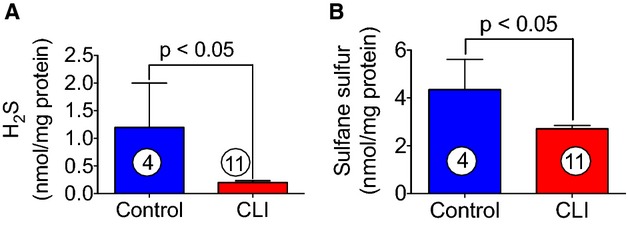
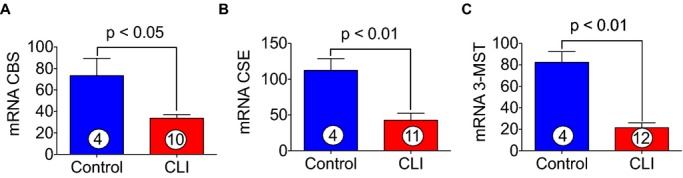
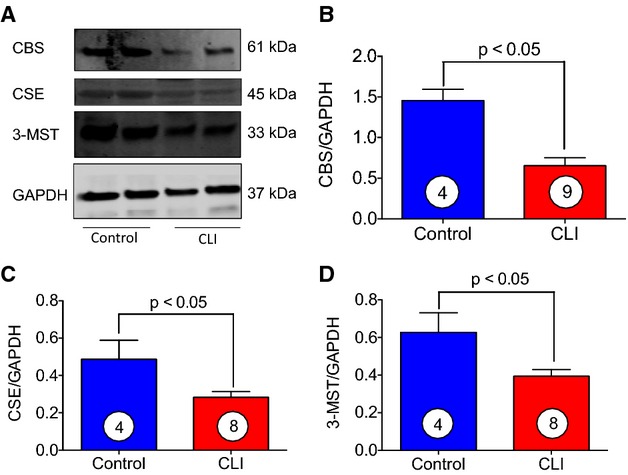
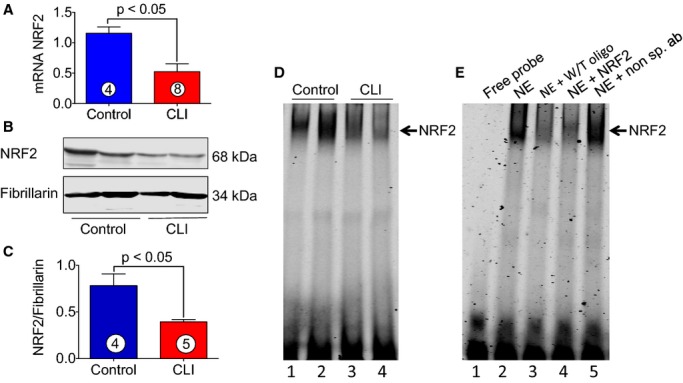
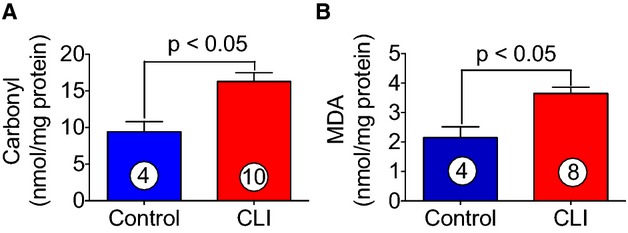
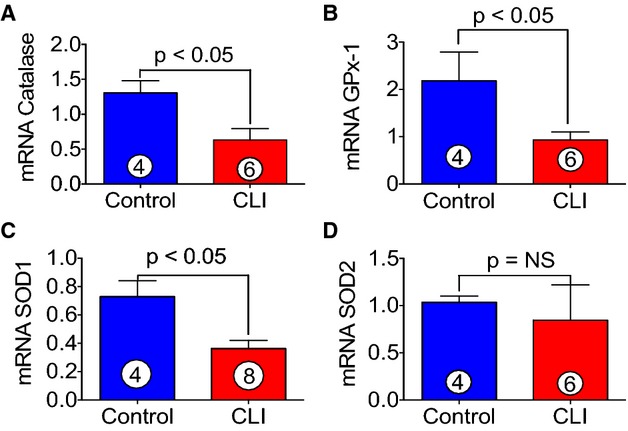
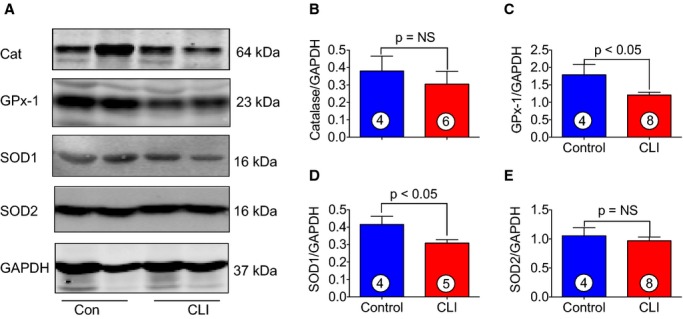
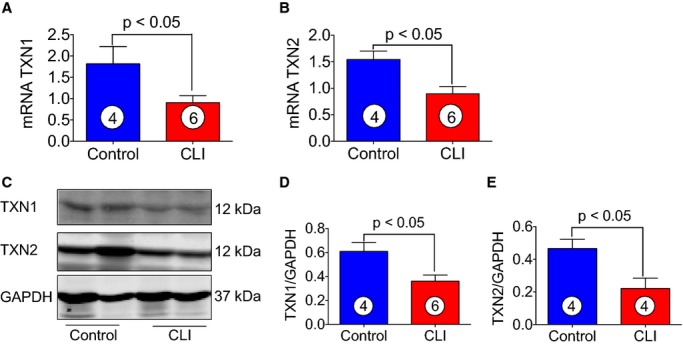
Gastrocnemius tissues were attained postamputation from human CLI and healthy control patients. We found mRNA and protein levels of cystathionine γ-lyase, cystathionine β-synthase, and 3-mercaptopyruvate sulfurtransferase were significantly decreased in skeletal muscle of CLI patients as compared to control. H2S and sulfane sulfur levels were significantly decreased in skeletal muscle of CLI patients. We also observed significant reductions in nuclear factor-erythroid 2-related factor 2 activation as well as antioxidant proteins, such as Cu, Zn-superoxide dismutase, catalase, and glutathione peroxidase in skeletal muscle of CLI patients. Biomarkers of oxidative stress, such as malondialdehyde and protein carbonyl formation, were significantly increased in skeletal muscle of CLI patients as compared to healthy controls.
The data demonstrate that H2S bioavailability and nuclear factor-erythroid 2-related factor 2 activation are both attenuated in CLI tissues concomitant with significantly increased oxidative stress. Reductions in the activity of H2S-producing enzymes may contribute to the pathogenesis of CLI.
胱硫醚γ-裂解酶、胱硫醚β-合酶和3-巯基丙酮酸硫转移酶是内源性硫化氢(H₂S)的酶来源。H₂S的功能由包括离子通道和信号蛋白在内的多个靶点介导。核因子红细胞2相关因子2负责抗氧化反应元件调控基因的表达,并且已知会被H₂S上调。我们检测了从严重肢体缺血(CLI)患者获取的骨骼肌中H₂S、H₂S产生酶的水平以及核因子红细胞2相关因子2的激活状态。
从CLI患者和健康对照者截肢后获取腓肠肌组织。我们发现,与对照组相比,CLI患者骨骼肌中胱硫醚γ-裂解酶、胱硫醚β-合酶和3-巯基丙酮酸硫转移酶的mRNA和蛋白水平显著降低。CLI患者骨骼肌中的H₂S和次磺基硫水平显著降低。我们还观察到CLI患者骨骼肌中核因子红细胞2相关因子2的激活以及抗氧化蛋白,如铜锌超氧化物歧化酶、过氧化氢酶和谷胱甘肽过氧化物酶显著减少。与健康对照相比,CLI患者骨骼肌中氧化应激生物标志物,如丙二醛和蛋白质羰基形成显著增加。
数据表明,在CLI组织中,H₂S生物利用度和核因子红细胞2相关因子2激活均减弱,同时氧化应激显著增加。H₂S产生酶活性的降低可能有助于CLI的发病机制。