Hamilton Andrew, Basic Vladimir, Andersson Sandra, Abrink Magnus, Ringvall Maria
Department of Medical Biochemistry and Microbiology, Uppsala University, Uppsala, Sweden.
Department of Biomedical Sciences and Veterinary Public Health, Swedish University for Agricultural Sciences, Uppsala, Sweden.
PLoS One. 2015 May 15;10(5):e0126688. doi: 10.1371/journal.pone.0126688. eCollection 2015.
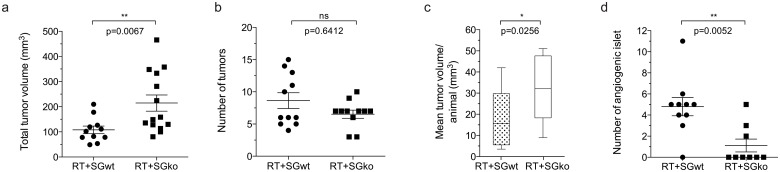
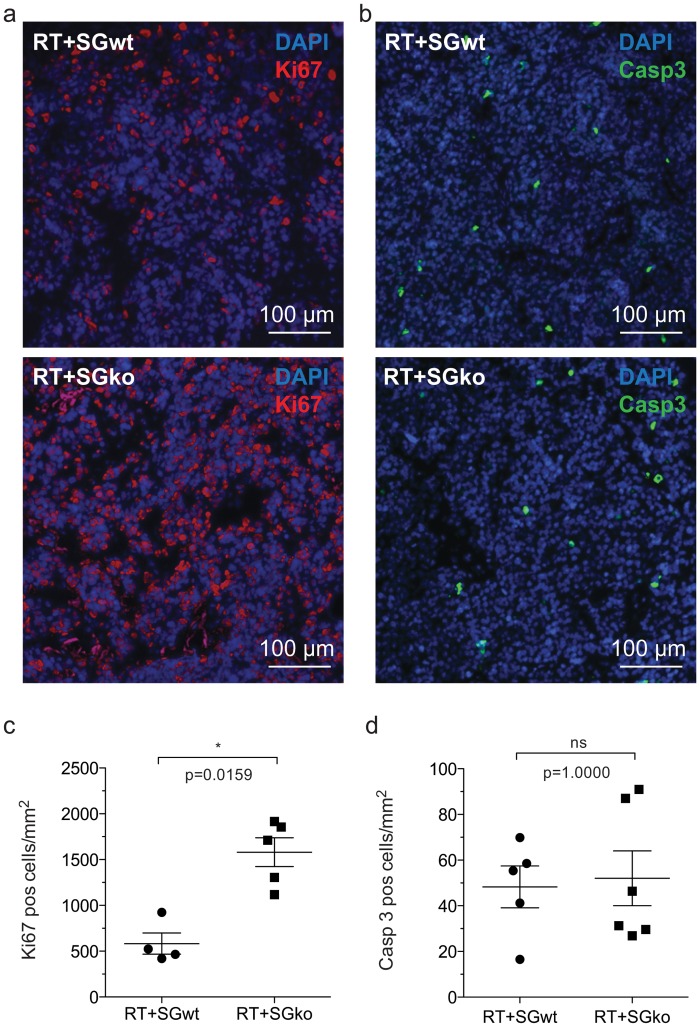
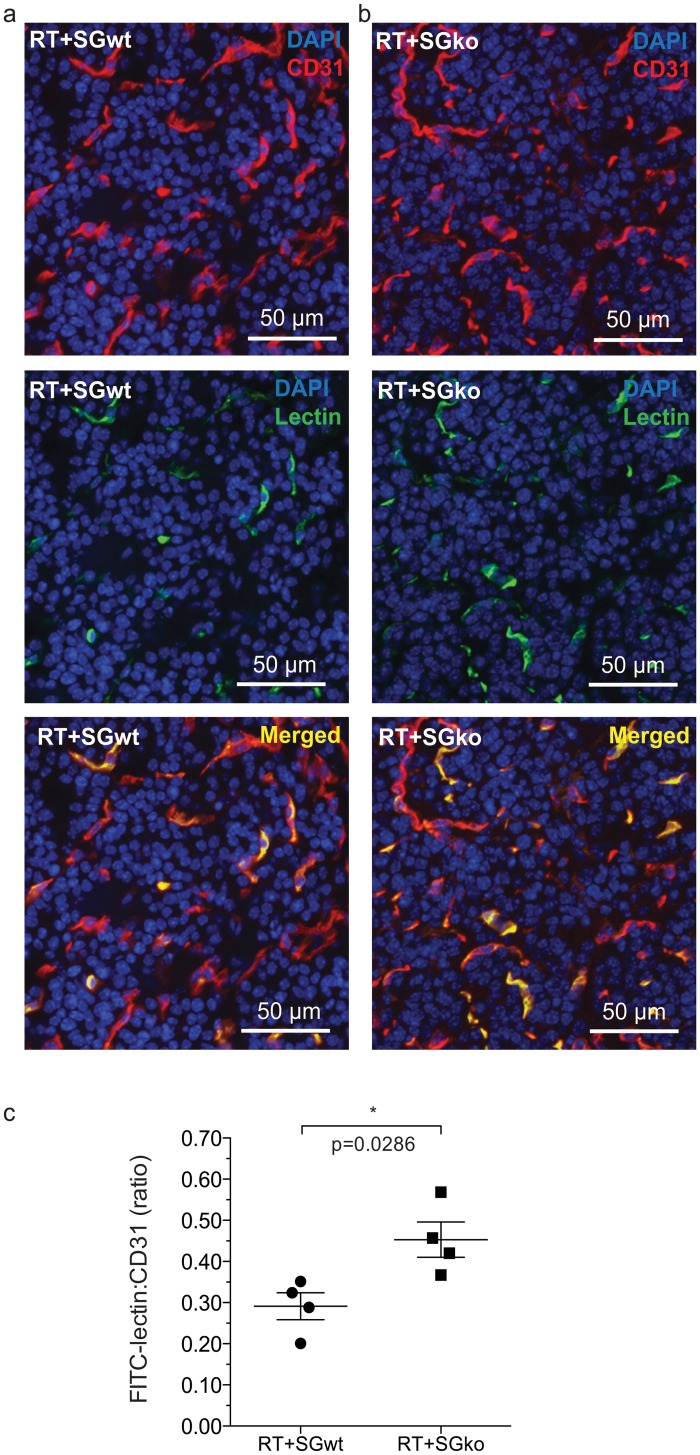
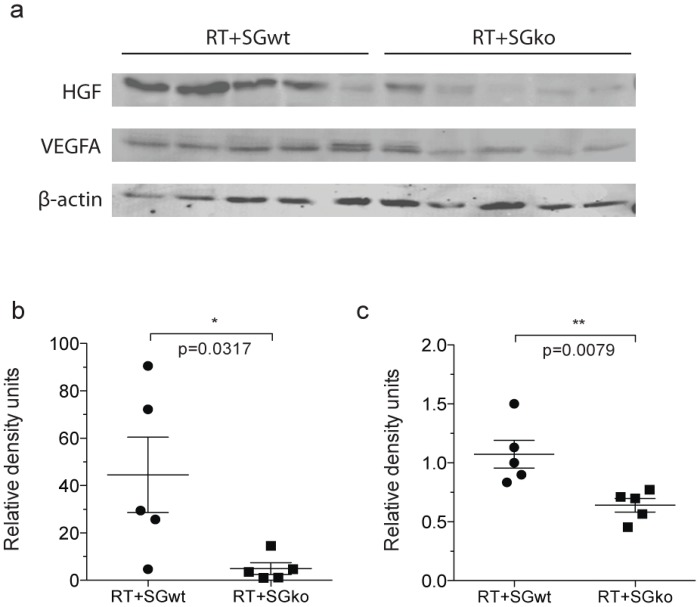
The serglycin proteoglycan is mainly expressed by hematopoietic cells where the major function is to retain the content of storage granules and vesicles. In recent years, expression of serglycin has also been found in different forms of human malignancies and a high serglycin expression level has been correlated with a more migratory and invasive phenotype in the case of breast cancer and nasopharyngeal carcinoma. Serglycin has also been implicated in the development of the tumor vasculature in multiple myeloma and hepatocellular carcinoma where reduced expression of serglycin was correlated with a less extensive vasculature. To further investigate the contribution of serglycin to tumor development, we have used the immunocompetent RIP1-Tag2 mouse model of spontaneous insulinoma formation crossed into serglycin deficient mice. For the first time we show that serglycin-deficiency affects orthotopic primary tumor growth and tumor vascular functionality of late stage carcinomas. RIP1-Tag2 mice that lack serglycin develop larger tumors with a higher proliferative activity but unaltered apoptosis compared to normal RIP1-Tag2 mice. The absence of serglycin also enhances the tumor vessel functionality, which is better perfused than in tumors from serglycin wild type mice. The presence of the pro-angiogenic modulators vascular endothelial growth factor and hepatocyte growth factor were decreased in the serglycin deficient mice which suggests a less pro-angiogenic environment in the tumors of these animals. Taken together, we conclude that serglycin affects multiple aspects of spontaneous tumor formation, which strengthens the theory that serglycin acts as an important mediator in the formation and progression of tumors.
丝甘蛋白聚糖蛋白聚糖主要由造血细胞表达,其主要功能是保留储存颗粒和囊泡的内容物。近年来,在不同形式的人类恶性肿瘤中也发现了丝甘蛋白聚糖的表达,在乳腺癌和鼻咽癌中,丝甘蛋白聚糖的高表达水平与更具迁移性和侵袭性的表型相关。丝甘蛋白聚糖还与多发性骨髓瘤和肝细胞癌的肿瘤血管生成有关,在这些肿瘤中,丝甘蛋白聚糖表达降低与血管分布较少相关。为了进一步研究丝甘蛋白聚糖对肿瘤发展的作用,我们使用了具有免疫活性的RIP1-Tag2自发胰岛素瘤形成小鼠模型,并将其与丝甘蛋白聚糖缺陷小鼠杂交。我们首次表明,丝甘蛋白聚糖缺陷会影响晚期癌原位原发性肿瘤的生长和肿瘤血管功能。与正常的RIP1-Tag2小鼠相比,缺乏丝甘蛋白聚糖的RIP1-Tag2小鼠会形成更大的肿瘤,增殖活性更高,但细胞凋亡未改变。丝甘蛋白聚糖的缺失还增强了肿瘤血管功能,其灌注比丝甘蛋白聚糖野生型小鼠的肿瘤更好。在丝甘蛋白聚糖缺陷小鼠中,促血管生成调节剂血管内皮生长因子和肝细胞生长因子的含量降低,这表明这些动物肿瘤中的促血管生成环境较弱。综上所述,我们得出结论,丝甘蛋白聚糖影响自发肿瘤形成的多个方面,这强化了丝甘蛋白聚糖在肿瘤形成和进展中起重要介导作用的理论。