Trindade Alexandre, Djokovic Dusan, Gigante Joana, Mendonça Liliana, Duarte António
Centro Interdisciplinar de Investigação em Sanidade Animal (CIISA), Faculdade de Medicina Veterinária, University of Lisbon, Lisbon, Portugal.
Faculdade de Ciências Médicas, Nova Medical School, Nova University of Lisbon, Lisbon, Portugal.
BMC Cancer. 2017 Mar 14;17(1):189. doi: 10.1186/s12885-017-3171-2.
The inhibition of Delta-like 4 (Dll4)/Notch signaling has been shown to result in excessive, nonfunctional vessel proliferation and significant tumor growth suppression. However, safety concerns emerged with the identification of side effects resulting from chronic Dll4/Notch blockade. Alternatively, we explored the endothelial Dll4 overexpression using different mouse tumor models.
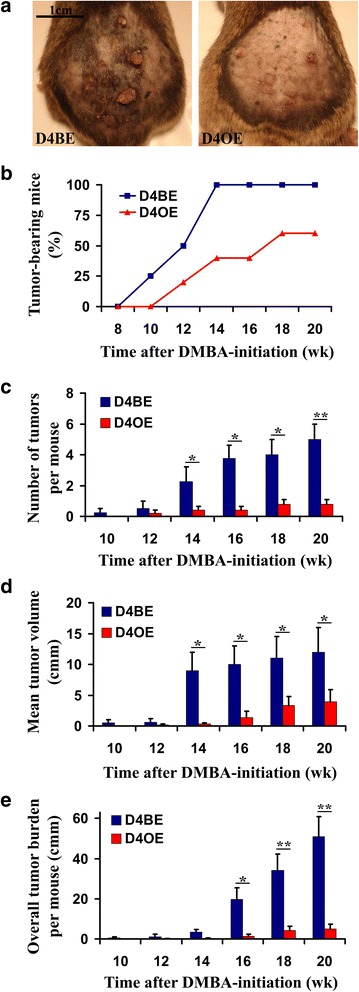
We used a transgenic mouse model of endothelial-specific Dll4 overexpression, previously produced. Growth kinetics and vascular histopathology of several types of solid tumors was evaluated, namely Lewis Lung Carcinoma xenografts, chemically-induced skin papillomas and RIP1-Tag2 insulinomas.
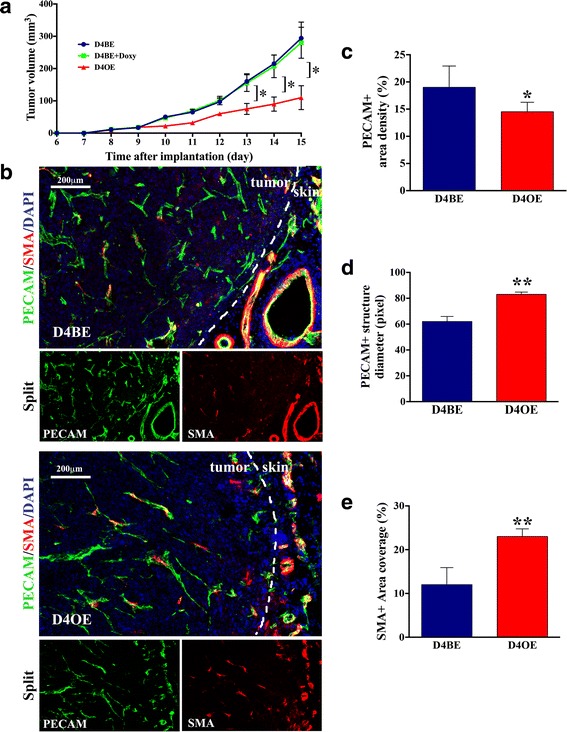
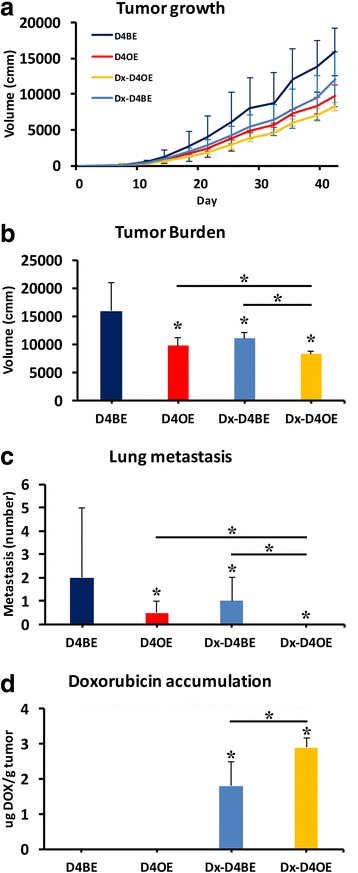
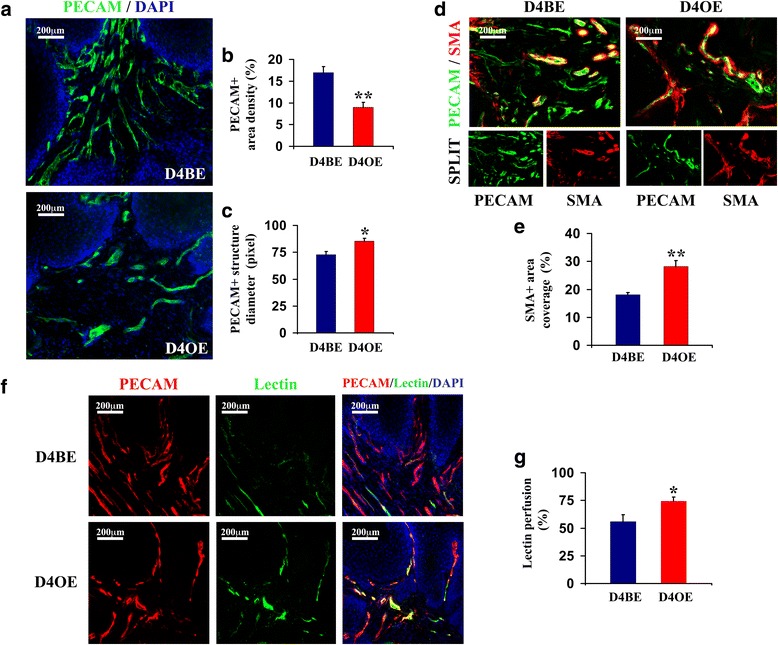
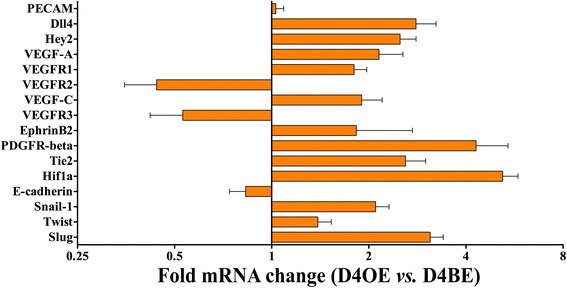
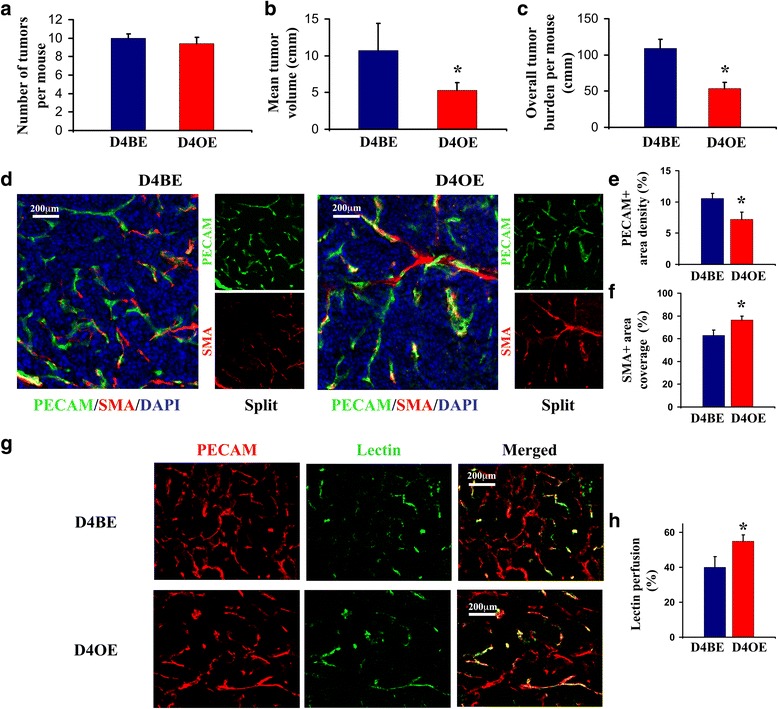
We found that increased Dll4/Notch signaling reduces tumor growth by reducing vascular endothelial growth factor (VEGF)-induced endothelial proliferation, tumor vessel density and overall tumor blood supply. In addition, Dll4 overexpression consistently improved tumor vascular maturation and functionality, as indicated by increased vessel calibers, enhanced mural cell recruitment and increased network perfusion. Importantly, the tumor vessel normalization is not more effective than restricted vessel proliferation, but was found to prevent metastasis formation and allow for increased delivery to the tumor of concomitant chemotherapy, improving its efficacy.
By reducing endothelial sensitivity to VEGF, these results imply that Dll4/Notch stimulation in tumor microenvironment could be beneficial to solid cancer patient treatment by reducing primary tumor size, improving tumor drug delivery and reducing metastization. Endothelial specific Dll4 overexpression thus appears as a promising anti-angiogenic modality that might improve cancer control.
研究表明,抑制Delta样蛋白4(Dll4)/Notch信号通路会导致血管过度增殖且无功能,同时显著抑制肿瘤生长。然而,随着慢性Dll4/Notch阻断所产生的副作用被发现,引发了对其安全性的担忧。因此,我们利用不同的小鼠肿瘤模型探索了内皮细胞Dll4的过表达情况。
我们使用了先前构建的内皮细胞特异性Dll4过表达转基因小鼠模型。评估了几种实体瘤的生长动力学和血管组织病理学,即Lewis肺癌异种移植瘤、化学诱导的皮肤乳头状瘤和RIP1-Tag2胰岛素瘤。
我们发现,增强的Dll4/Notch信号通路通过减少血管内皮生长因子(VEGF)诱导的内皮细胞增殖、肿瘤血管密度和肿瘤整体血供来抑制肿瘤生长。此外,Dll4过表达持续改善肿瘤血管的成熟度和功能,表现为血管口径增大、壁细胞募集增强和网络灌注增加。重要的是,肿瘤血管正常化并不比限制血管增殖更有效,但发现其可防止转移形成,并使伴随化疗药物向肿瘤的递送增加,从而提高化疗效果。
这些结果表明,通过降低内皮细胞对VEGF的敏感性,肿瘤微环境中的Dll4/Notch刺激可能通过减小原发性肿瘤大小、改善肿瘤药物递送和减少转移,对实体癌患者的治疗有益。因此,内皮细胞特异性Dll4过表达似乎是一种有前景的抗血管生成方式,可能会改善癌症控制。