Kaija Helena, Pakanen Lasse, Kortelainen Marja-Leena, Porvari Katja
Department of Forensic Medicine, Faculty of Medicine, University of Oulu, Oulu, Finland; Medical Research Center Oulu, Oulu University Hospital and University of Oulu, Oulu, Finland.
Department of Forensic Medicine, Faculty of Medicine, University of Oulu, Oulu, Finland.
PLoS One. 2015 May 21;10(5):e0127854. doi: 10.1371/journal.pone.0127854. eCollection 2015.
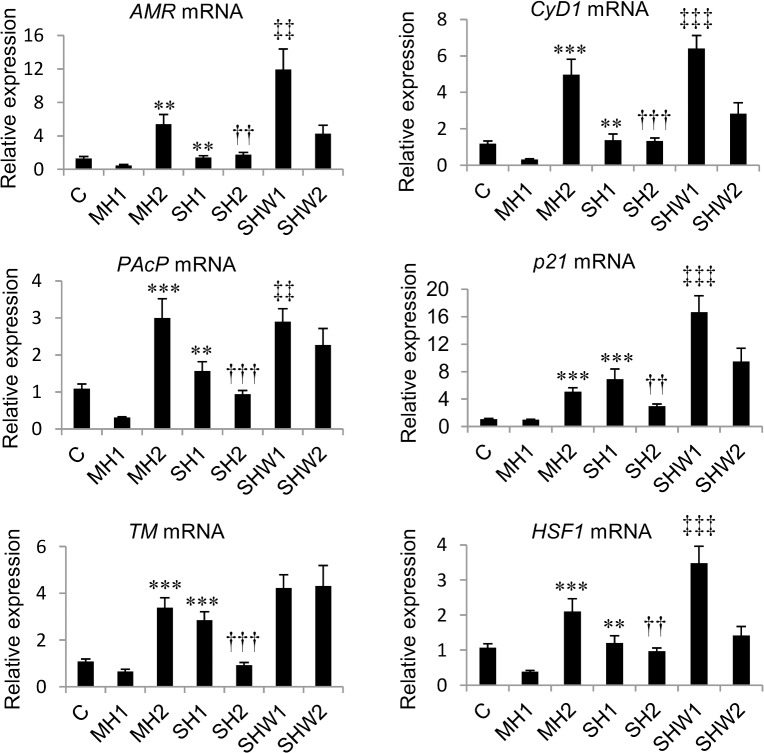
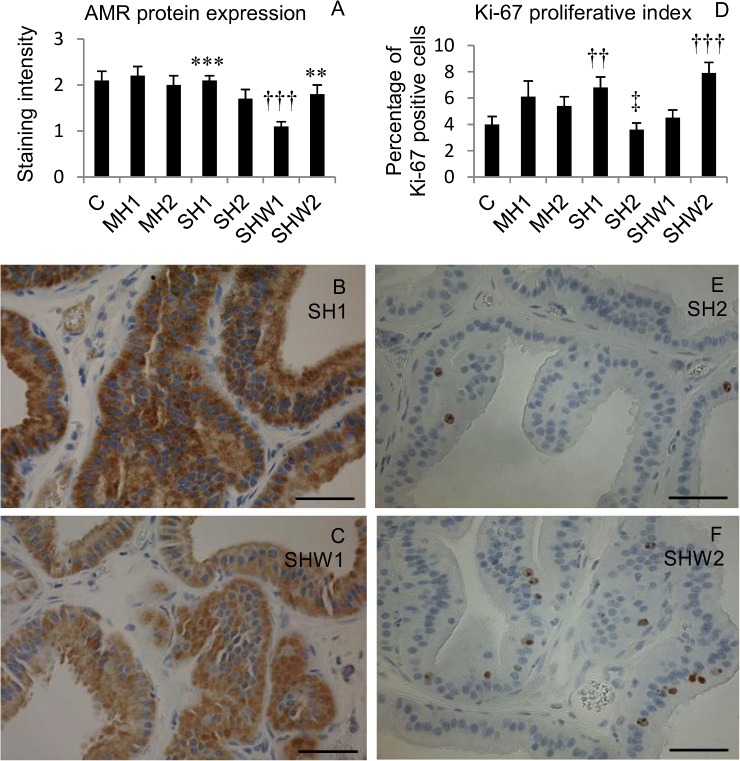
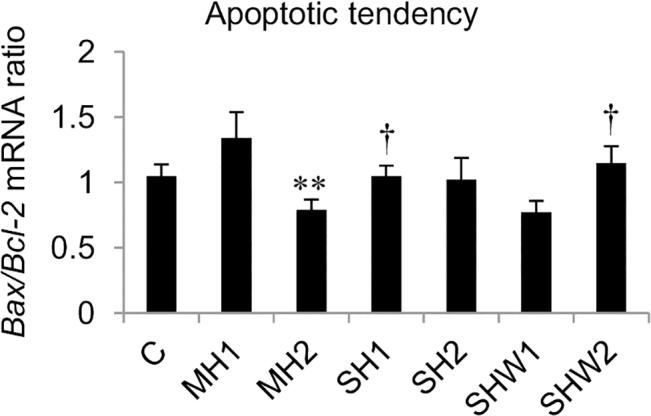
Prostate cancer has been extensively studied, but cellular stress responses in healthy prostate tissue are rarely investigated. Hypothermia is known to cause alterations in mRNA and protein expressions and stability. The aim of this study was to use normal rat prostate as a model in order to find out consequences of cold exposure and rewarming on the expressions of genes which are either members or functionally/structurally related to erythroblastic leukemia viral oncogene B (ErbB) signaling pathway. Relative mRNA expressions of amphiregulin (AMR), cyclin D1 (CyD1), cyclin-dependent kinase inhibitor 1A (p21), transmembrane form of the prostatic acid phosphatase (PAcP), thrombomodulin (TM) and heat shock transcription factor 1 (HSF1) in rat ventral prostate were quantified in mild (2 or 4.5 h at room temperature) and severe (2 or 4.5 h at +10°C) hypothermia and in rewarming after cold exposure (2 h at +10°C followed by 2 h at room temperature or 3 h at +28°C). AMR protein level, apoptotic Bcl-2 associated X protein to B-cell CLL/lymphoma 2 (Bax/Bcl-2) mRNA ratio and proliferative index Ki-67 were determined. 4.5-h mild hypothermia, 2-h severe hypothermia and rewarming increased expression of all these genes. Elevated proliferation index Ki-67 could be seen in 2-h severe hypothermia, and the proliferation index had its highest value in longer rewarming with totally recovered normal body temperature. Pro-apoptotic tendency could be seen in 2-h mild hypothermia while anti-apoptosis was predominant in 4.5-h mild hypothermia and in shorter rewarming with only partly recovered body temperature. Hypothermia and following rewarming promote the proliferation of cells in healthy rat prostate tissue possibly via ErbB signaling pathway.
前列腺癌已得到广泛研究,但健康前列腺组织中的细胞应激反应却很少被探究。已知低温会导致mRNA和蛋白质表达及稳定性发生改变。本研究的目的是以正常大鼠前列腺为模型,以查明冷暴露和复温对作为成红细胞白血病病毒癌基因B(ErbB)信号通路成员或在功能/结构上与之相关的基因表达的影响。对大鼠腹侧前列腺中双调蛋白(AMR)、细胞周期蛋白D1(CyD1)、细胞周期蛋白依赖性激酶抑制剂1A(p21)、前列腺酸性磷酸酶跨膜形式(PAcP)、血栓调节蛋白(TM)和热休克转录因子1(HSF1)的相对mRNA表达在轻度低温(室温下2或4.5小时)和重度低温(10°C下2或4.5小时)以及冷暴露后的复温过程(10°C下2小时,随后室温下2小时或28°C下3小时)中进行了定量分析。测定了AMR蛋白水平、凋亡相关蛋白Bcl-2相关X蛋白与B细胞淋巴瘤/白血病-2(Bax/Bcl-2)的mRNA比值以及增殖指数Ki-67。4.5小时的轻度低温、2小时的重度低温和复温均增加了所有这些基因的表达。在2小时的重度低温中可观察到增殖指数Ki-67升高,且在体温完全恢复正常的较长时间复温中增殖指数达到最高值。在2小时的轻度低温中可见促凋亡倾向,而在4.5小时的轻度低温和体温仅部分恢复的较短时间复温中抗凋亡占主导。低温及随后的复温可能通过ErbB信号通路促进健康大鼠前列腺组织中的细胞增殖。