Langland-Hassan Peter, Faries Frank R, Richardson Michael J, Dietz Aimee
Department of Philosophy, University of Cincinnati Cincinnati, OH, USA.
Department of Psychology, University of Cincinnati Cincinnati, OH, USA.
Front Psychol. 2015 May 5;6:528. doi: 10.3389/fpsyg.2015.00528. eCollection 2015.
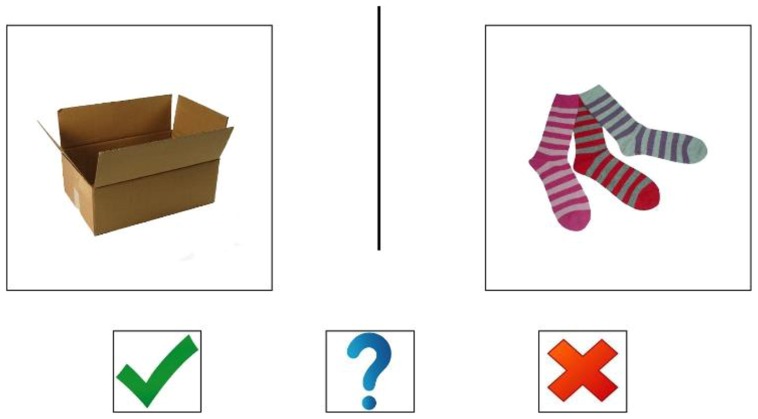
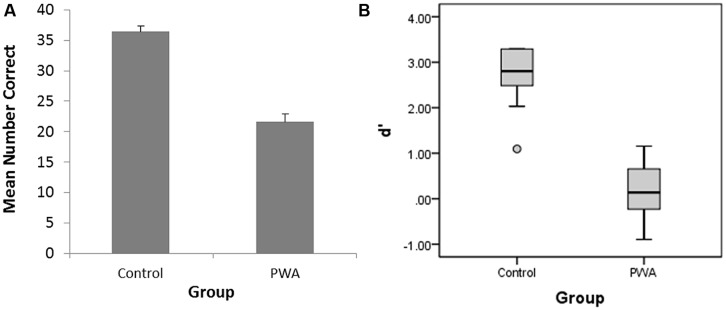
Despite the ubiquity of inner speech in our mental lives, methods for objectively assessing inner speech capacities remain underdeveloped. The most common means of assessing inner speech is to present participants with tasks requiring them to silently judge whether two words rhyme. We developed a version of this task to assess the inner speech of a population of patients with aphasia and corresponding language production deficits. Patients' performance on the silent rhyming task was severely impaired relative to controls. Patients' performance on this task did not, however, correlate with their performance on a variety of other standard tests of overt language and rhyming abilities. In particular, patients who were generally unimpaired in their abilities to overtly name objects during confrontation naming tasks, and who could reliably judge when two words spoken to them rhymed, were still severely impaired (relative to controls) at completing the silent rhyme task. A variety of explanations for these results are considered, as a means to critically reflecting on the relations among inner speech, outer speech, and silent rhyme judgments more generally.
尽管内心言语在我们的精神生活中无处不在,但客观评估内心言语能力的方法仍未得到充分发展。评估内心言语最常见的方法是向参与者呈现任务,要求他们默默地判断两个单词是否押韵。我们开发了这个任务的一个版本,以评估失语症患者群体的内心言语以及相应的语言生成缺陷。与对照组相比,患者在无声押韵任务中的表现严重受损。然而,患者在这项任务上的表现与他们在各种其他公开语言和押韵能力标准测试中的表现并无关联。特别是,在面对命名任务时通常能够正常公开命名物体,并且能够可靠地判断两个对他们说出的单词是否押韵的患者,在完成无声押韵任务时(相对于对照组)仍然严重受损。我们考虑了对这些结果的各种解释,以此更全面地批判性反思内心言语、外部言语和无声押韵判断之间的关系。