Mortensen Joel E, Ventrola Cindi, Hanna Sarah, Walter Adam
Department of Laboratory Medicine, Cincinnati Children's Hospital, MLC1010, 3333 Burnet Ave, 45229 Cincinnati, OH USA.
BD Diagnostics, Sparks, MD USA.
BMC Clin Pathol. 2015 May 28;15:9. doi: 10.1186/s12907-015-0010-8. eCollection 2015.
Conventional bacterial stool culture is one of the more time-consuming tests in a routine clinical microbiology laboratory. In addition, less than 5 % of stool cultures yield positive results. A molecular platform, the BD MAX™ System (BD Diagnostics, Sparks, MD) offers the potential for significantly more rapid results and less hands-on time. Time-motion analysis of the BD MAX Enteric Bacterial Panel (EBP) (BD Diagnostics, Quebec, Canada) on the BD MAX System was compared to conventional stool culture in the microbiology laboratory of a tertiary care pediatric hospital.
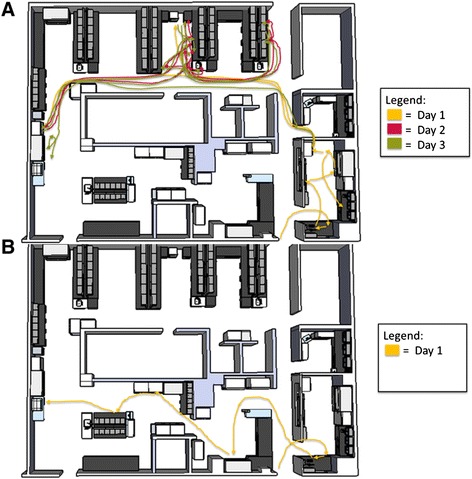
The process impact analysis of time-motion studies of conventional cultures were compared to those of EBP with 86 stool specimens. Sample flow, hands-on time, processing steps, and overall turnaround time were determined and analyzed. Data were obtained and analyzed from both standard operating procedures and direct observation. A regression analysis was performed to ensure consistency of measurements. Time and process measurements started when the specimens were logged into the accessioning area of the microbiology laboratory and were completed when actionable results were generated.
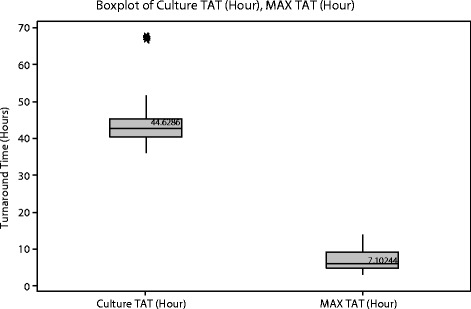
With conventional culture, negative culture results were available from 41:14:27 (hours:minutes:seconds) to 54:17:19; with EBP, positive and negative results were available from 2:28:40 to 3:33:39.
This study supports the suggestion that use of the EBP to detect commonly encountered stool pathogens can result in significant time savings and a shorter time-to-result for patients with acute bacterial diarrhea.
传统的粪便细菌培养是常规临床微生物实验室中耗时较长的检测项目之一。此外,粪便培养阳性结果的比例不到5%。一种分子检测平台,BD MAX™系统(BD诊断公司,美国马里兰州斯帕克斯)有潜力显著加快检测结果的得出速度并减少人工操作时间。在一家三级护理儿童医院的微生物实验室中,将BD MAX系统上的BD MAX肠道细菌检测板(EBP,BD诊断公司,加拿大魁北克)的时间动作分析与传统粪便培养进行了比较。
对86份粪便标本进行传统培养和EBP的时间动作研究过程影响分析。确定并分析样本流程、人工操作时间、处理步骤和总体周转时间。从标准操作规程和直接观察中获取并分析数据。进行回归分析以确保测量的一致性。时间和过程测量从标本登录到微生物实验室的接收区域开始,到产生可采取行动的结果时结束。
传统培养时,阴性培养结果在41:14:27(小时:分钟:秒)到54:17:19之间可得;使用EBP时,阳性和阴性结果在2:28:40到3:33:39之间可得。
本研究支持以下观点,即使用EBP检测常见的粪便病原体可显著节省时间,并缩短急性细菌性腹泻患者的出结果时间。