Schönfeld Fabian, Wiskott Laurenz
Theory of Neural Systems Group, Institut für Neuroinformatik, Ruhr Universität Bochum Bochum, Germany.
Front Comput Neurosci. 2015 May 22;9:51. doi: 10.3389/fncom.2015.00051. eCollection 2015.
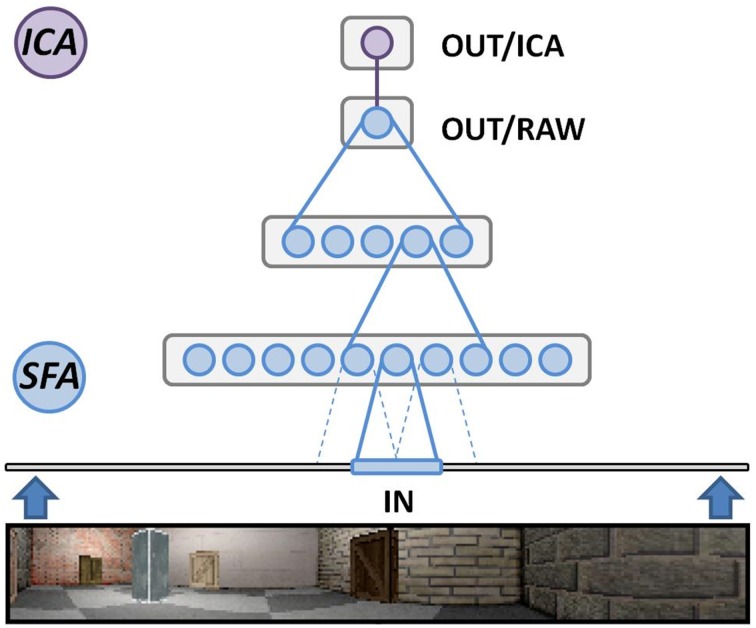
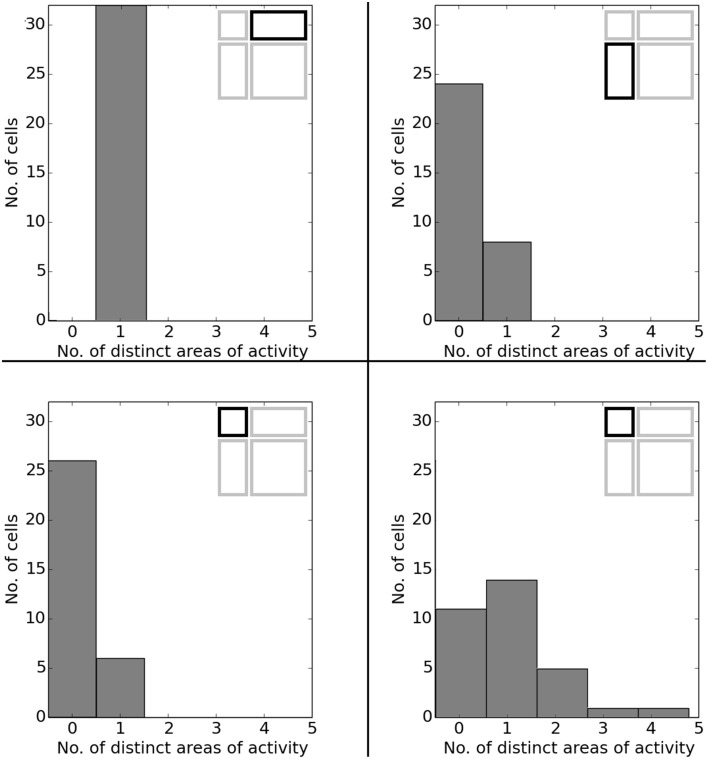
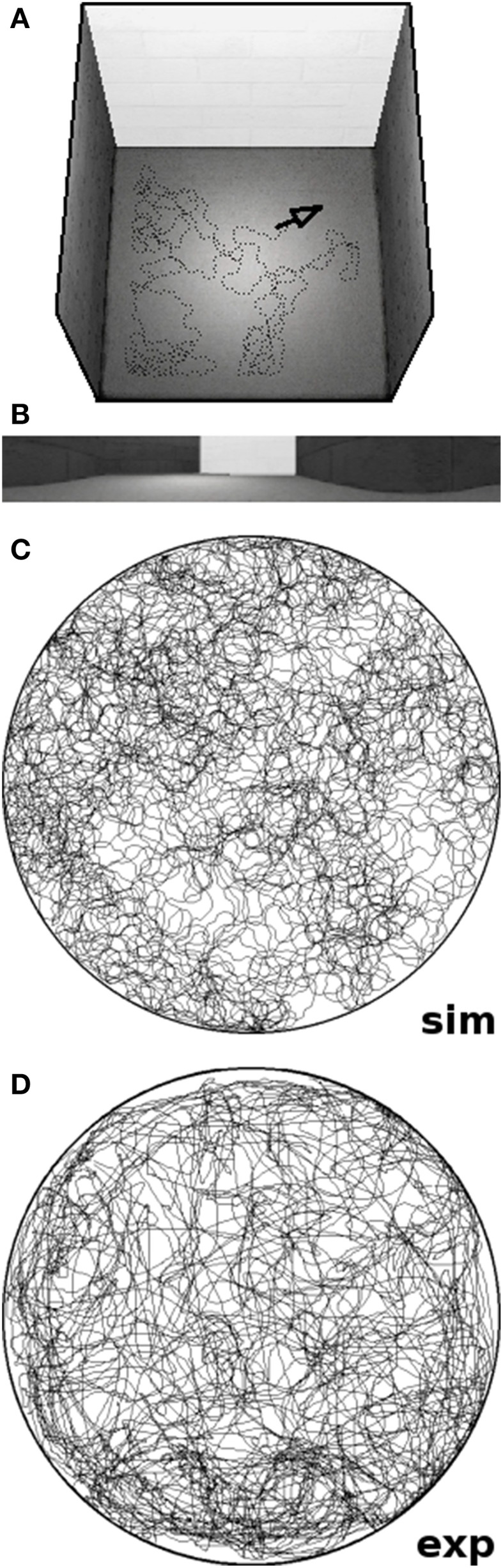
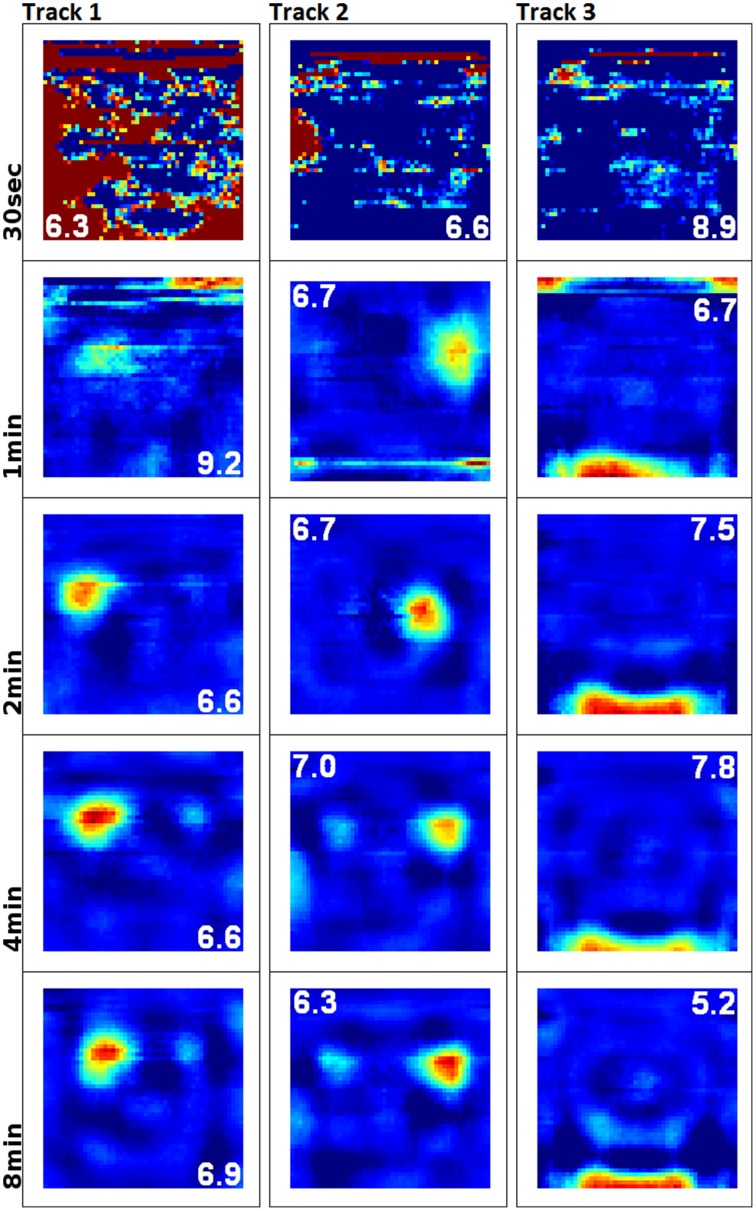
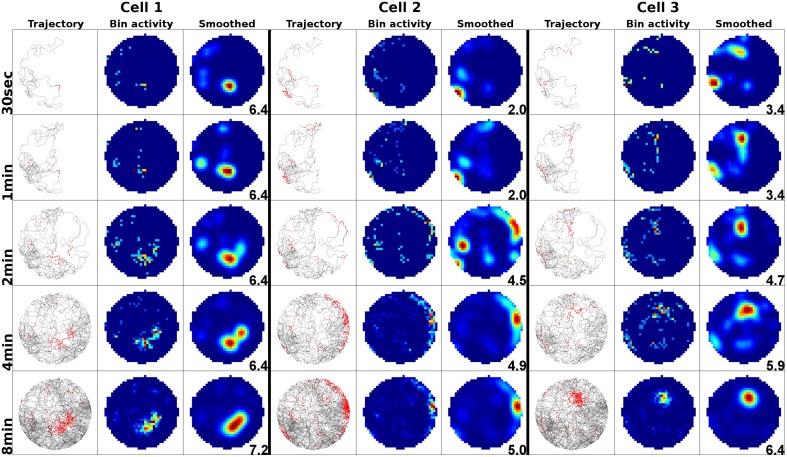
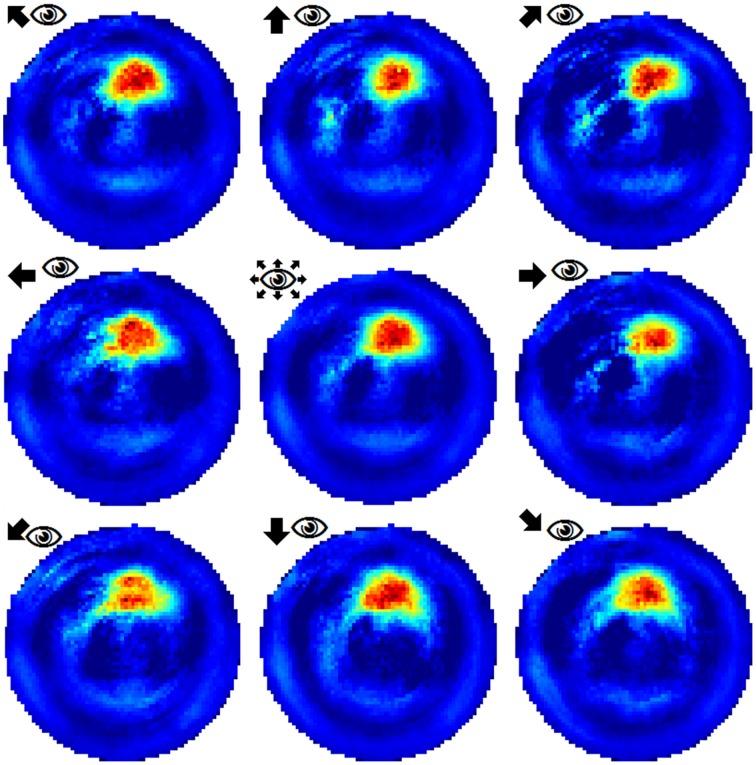
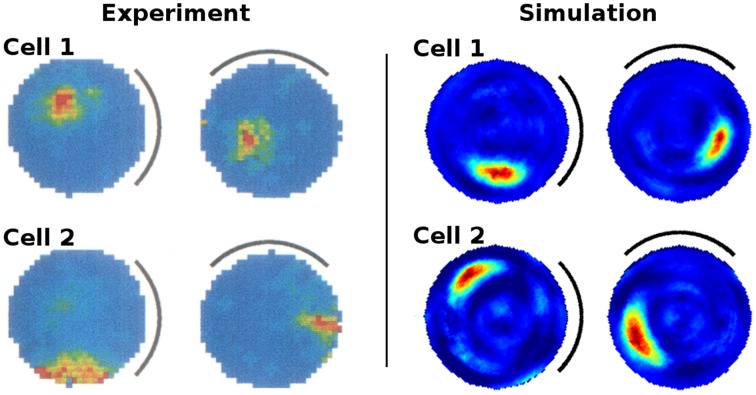
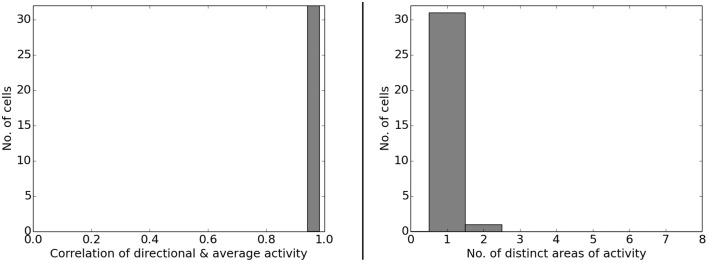
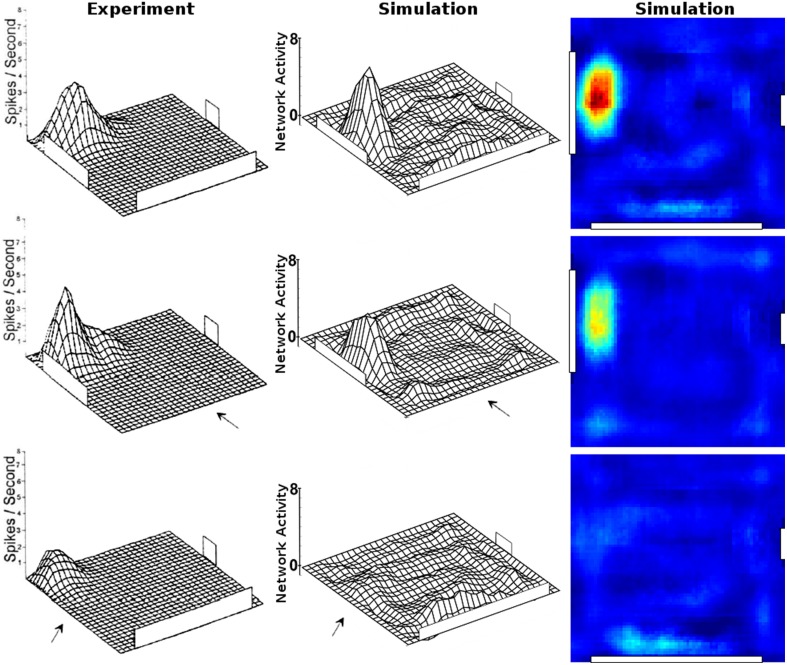
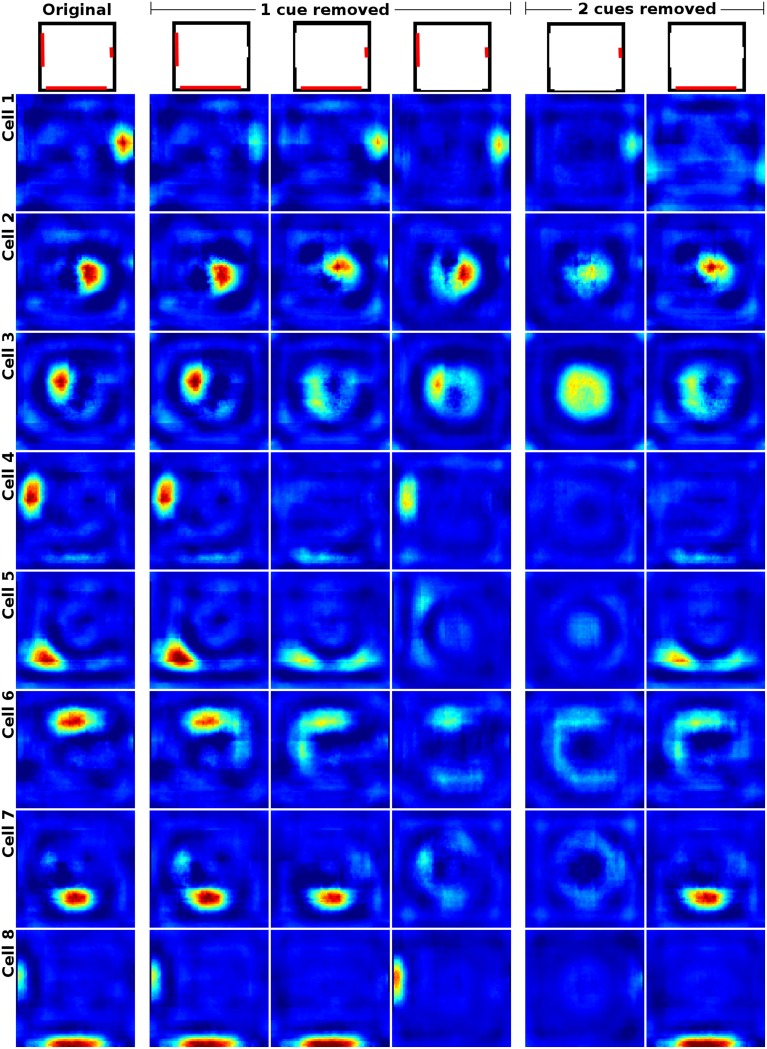
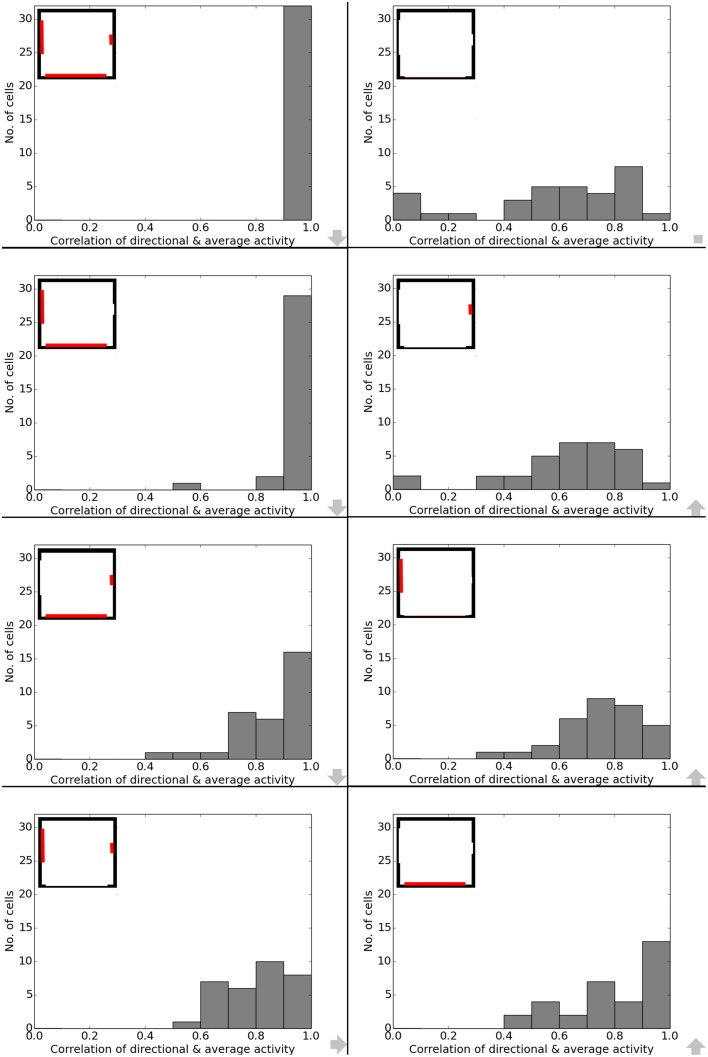
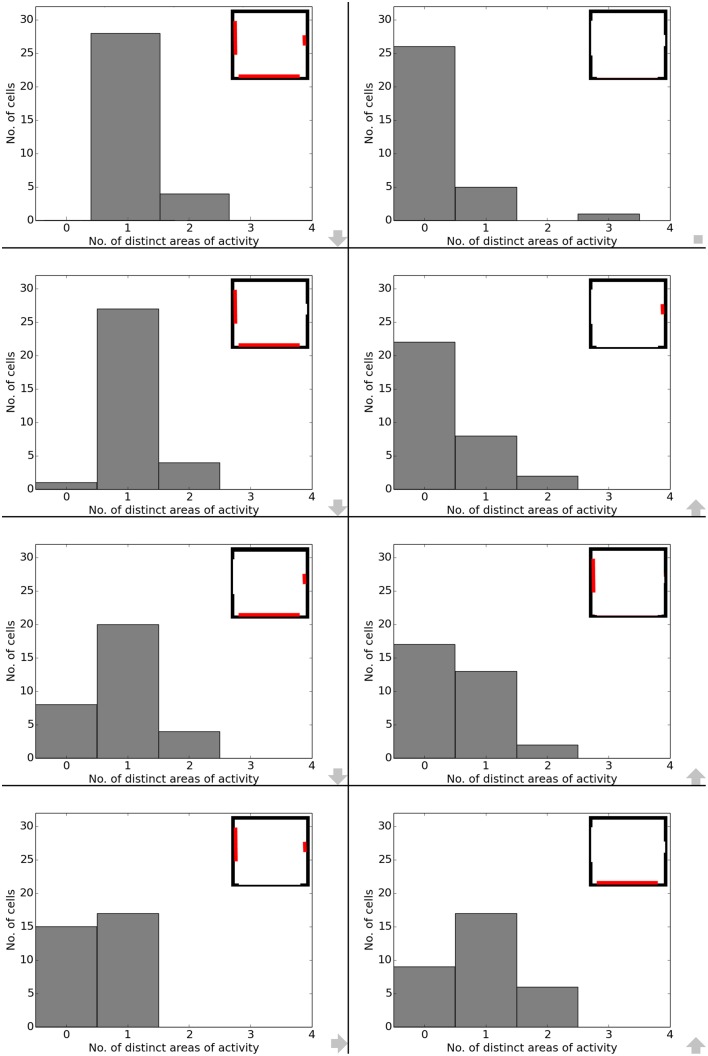
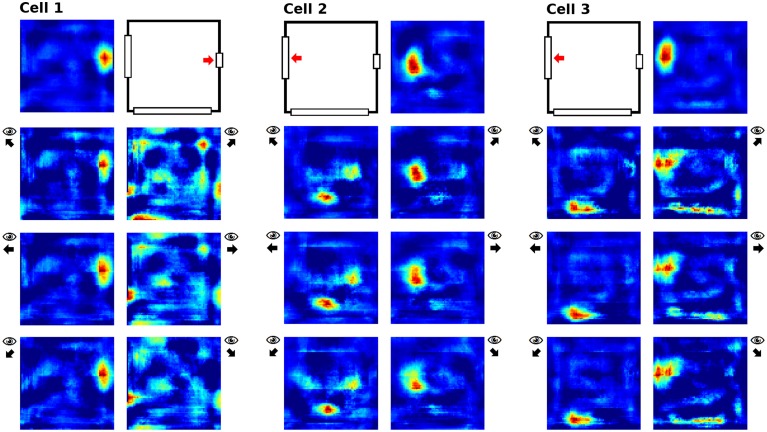
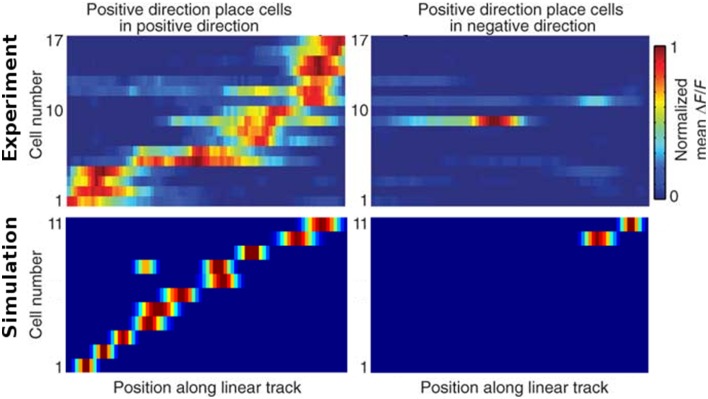
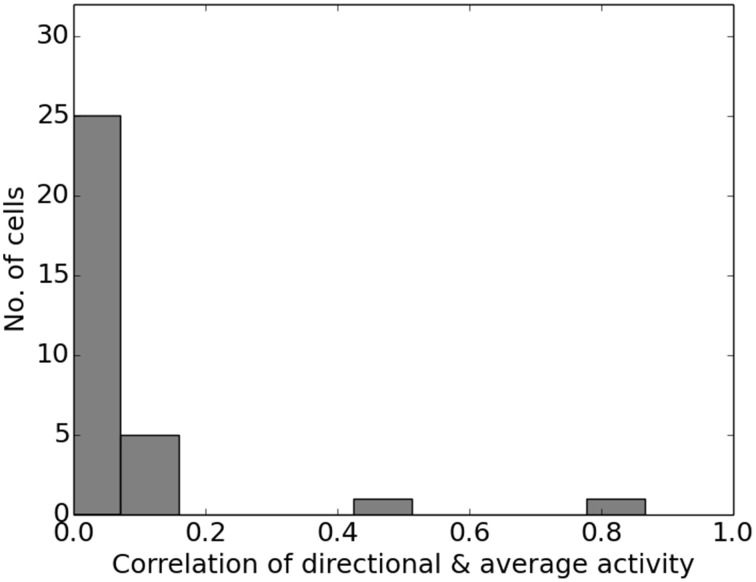
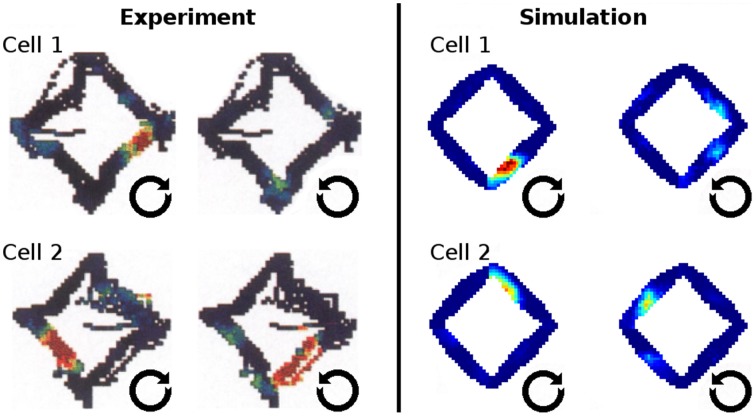
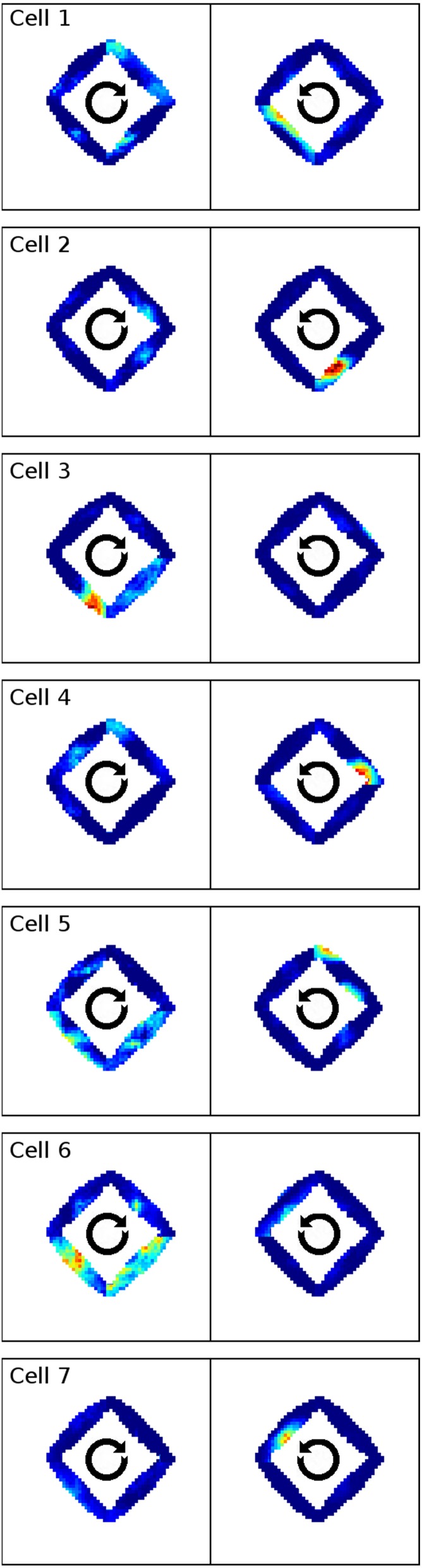
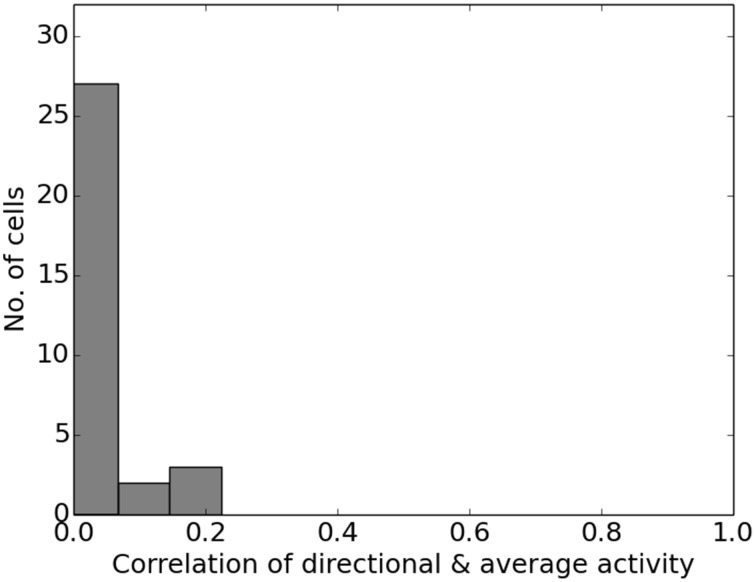
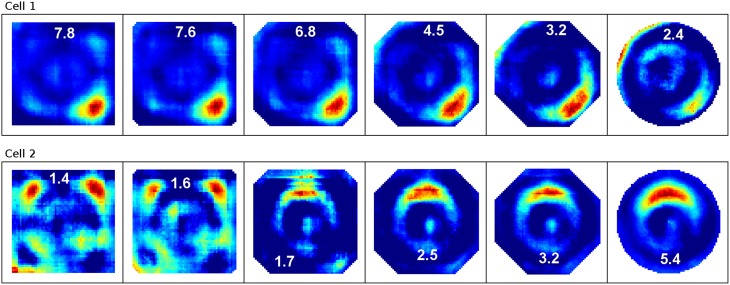
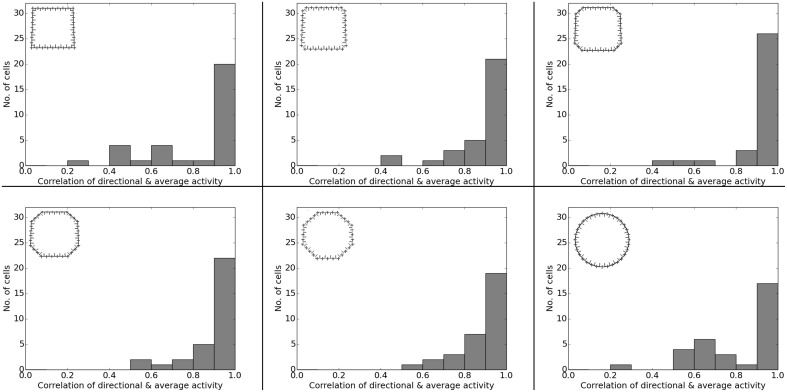
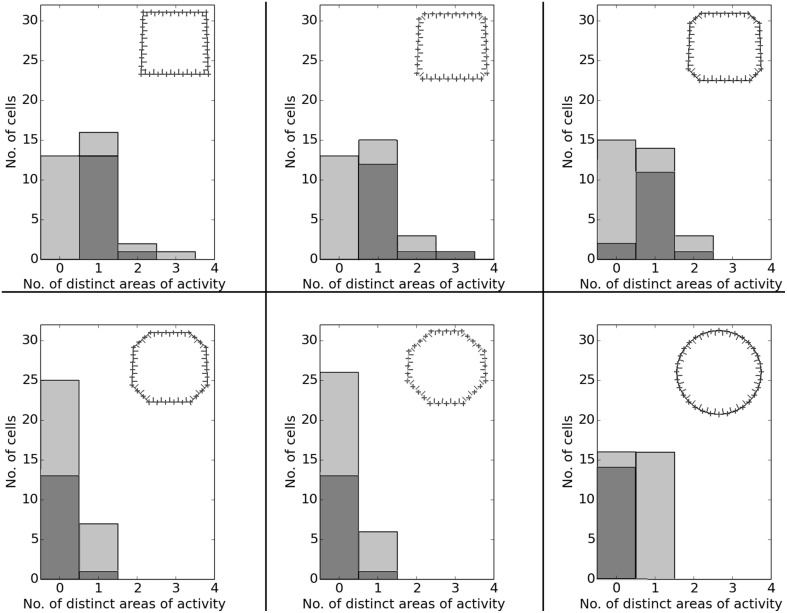
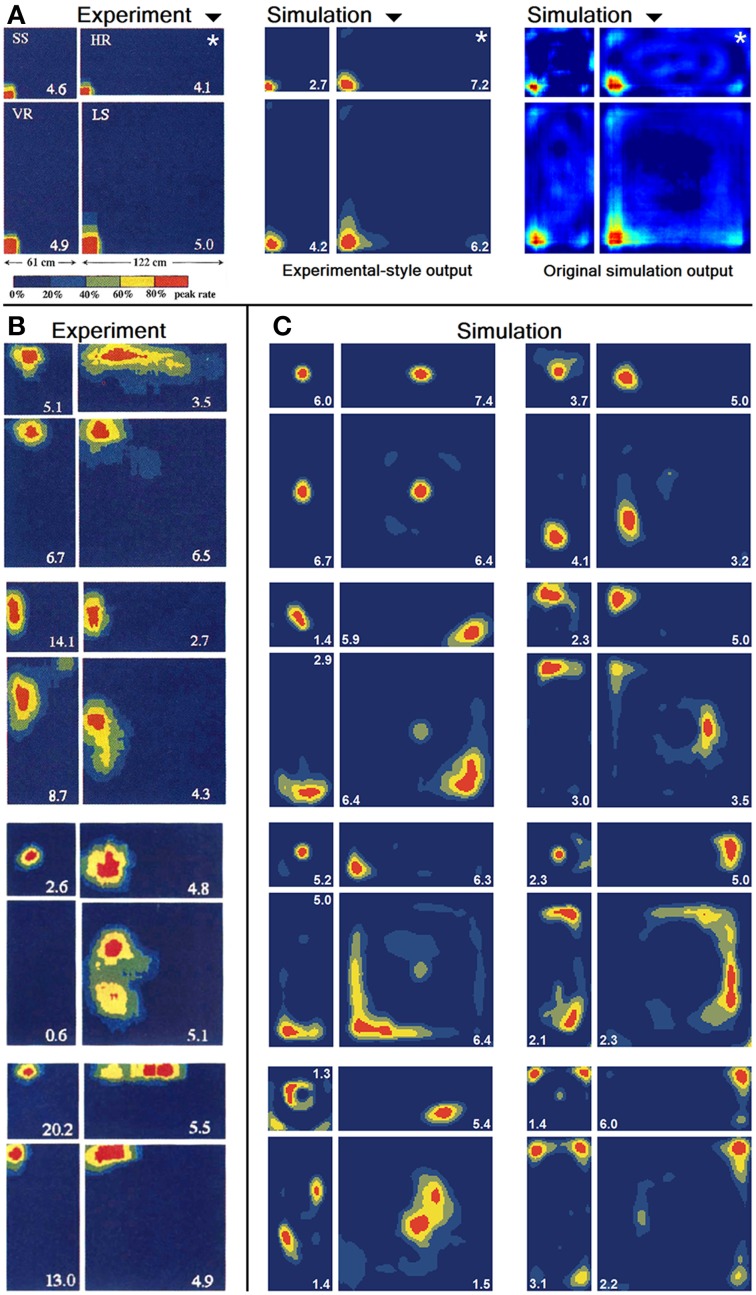
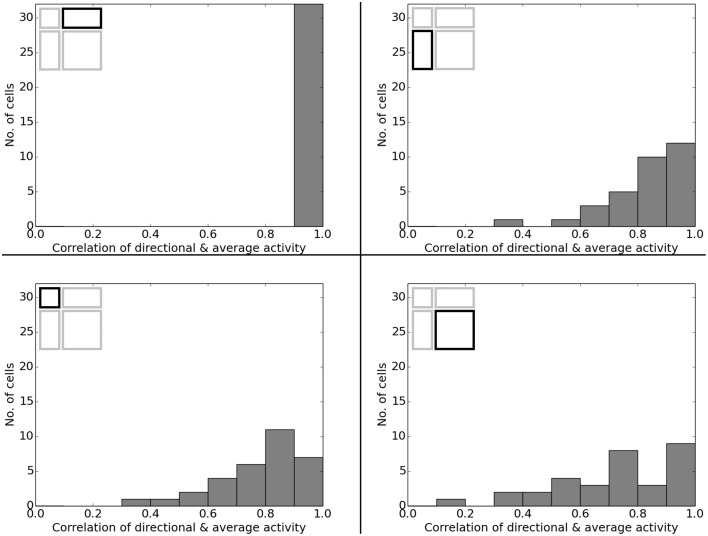
What are the computational laws of hippocampal activity? In this paper we argue for the slowness principle as a fundamental processing paradigm behind hippocampal place cell firing. We present six different studies from the experimental literature, performed with real-life rats, that we replicated in computer simulations. Each of the chosen studies allows rodents to develop stable place fields and then examines a distinct property of the established spatial encoding: adaptation to cue relocation and removal; directional dependent firing in the linear track and open field; and morphing and scaling the environment itself. Simulations are based on a hierarchical Slow Feature Analysis (SFA) network topped by a principal component analysis (ICA) output layer. The slowness principle is shown to account for the main findings of the presented experimental studies. The SFA network generates its responses using raw visual input only, which adds to its biological plausibility but requires experiments performed in light conditions. Future iterations of the model will thus have to incorporate additional information, such as path integration and grid cell activity, in order to be able to also replicate studies that take place during darkness.
海马体活动的计算规律是什么?在本文中,我们主张慢原则是海马体位置细胞放电背后的一种基本处理范式。我们展示了六项来自实验文献的不同研究,这些研究是用现实生活中的大鼠进行的,我们在计算机模拟中对其进行了复制。每项所选研究都让啮齿动物形成稳定的位置野,然后研究已建立的空间编码的一个独特属性:对线索重新定位和移除的适应;在直线轨道和开阔场地中的方向依赖性放电;以及环境本身的变形和缩放。模拟基于一个由主成分分析(ICA)输出层作为顶层的分层慢特征分析(SFA)网络。慢原则被证明可以解释所呈现的实验研究的主要发现。SFA网络仅使用原始视觉输入来生成其反应,这增加了其生物学合理性,但需要在光照条件下进行实验。因此,该模型的未来迭代将必须纳入额外信息,如路径整合和网格细胞活动,以便也能够复制在黑暗中进行的研究。