Awad Alaa S, You Hanning, Gao Ting, Cooper Timothy K, Nedospasov Sergei A, Vacher Jean, Wilkinson Patrick F, Farrell Francis X, Brian Reeves W
Department of Medicine, Penn State University College of Medicine, Hershey, Pennsylvania, USA.
Department of Comparative Medicine, Penn State University College of Medicine, Hershey, Pennsylvania, USA.
Kidney Int. 2015 Oct;88(4):722-33. doi: 10.1038/ki.2015.162. Epub 2015 Jun 10.
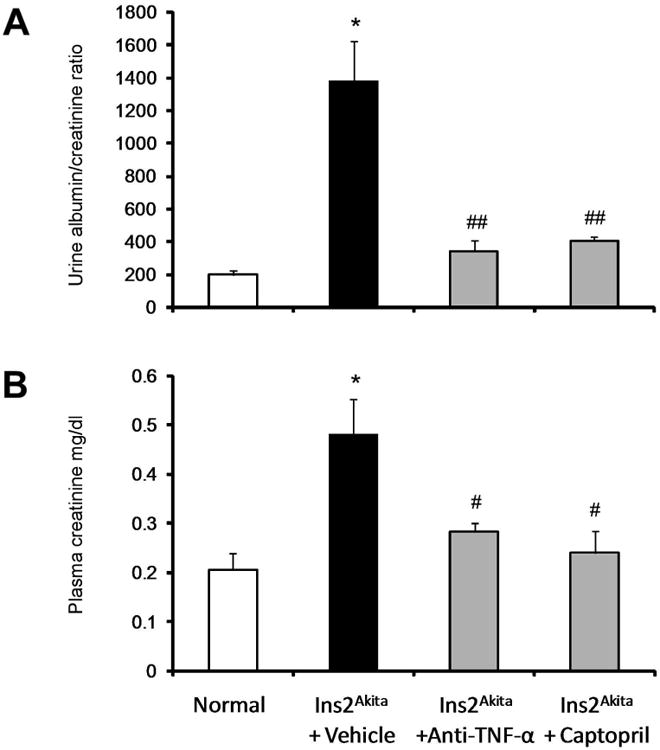
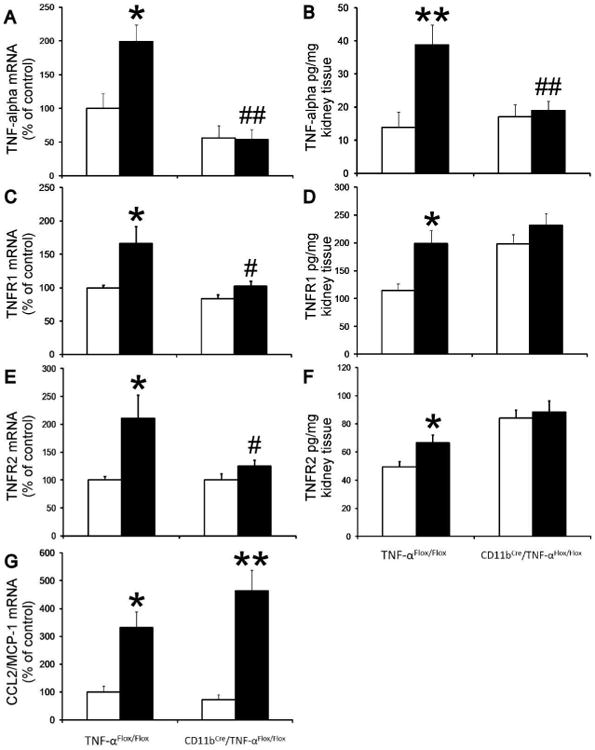
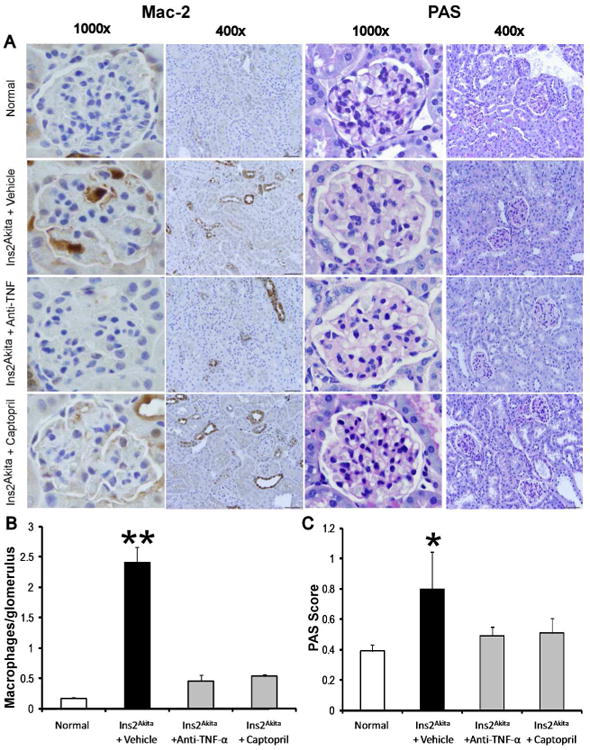
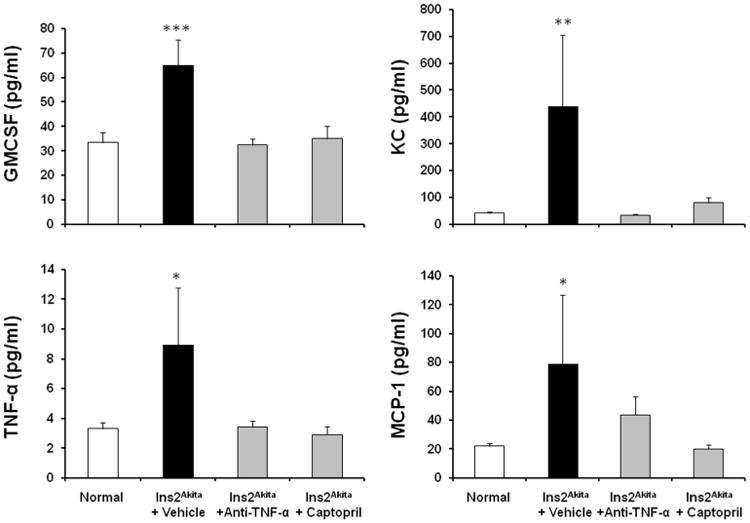
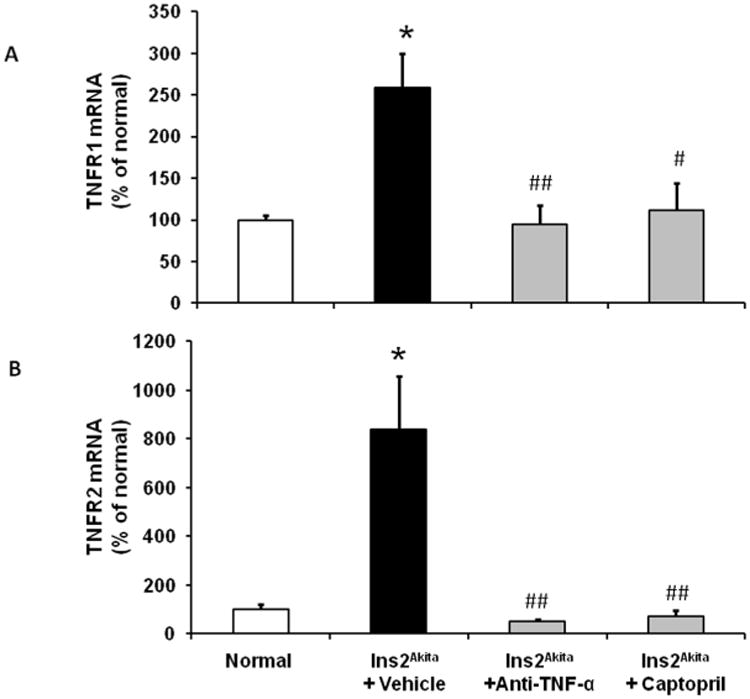
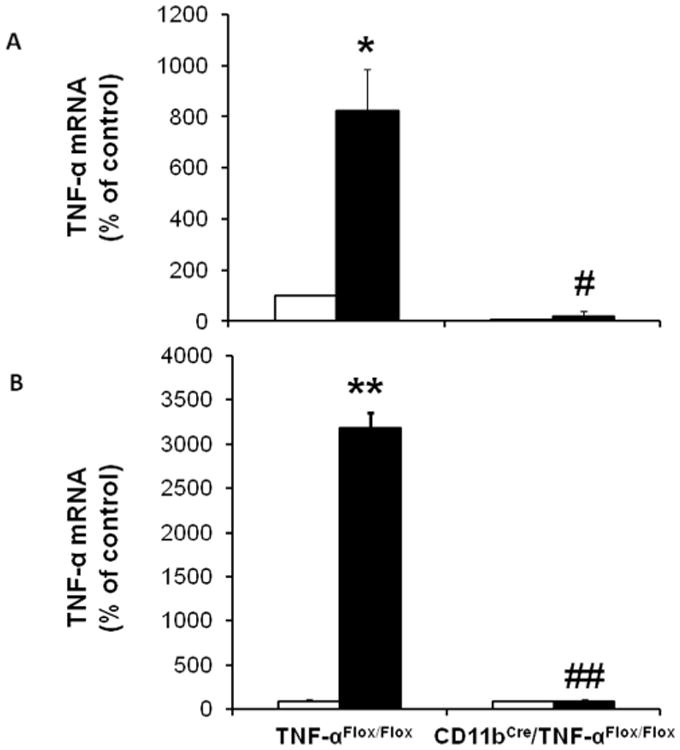
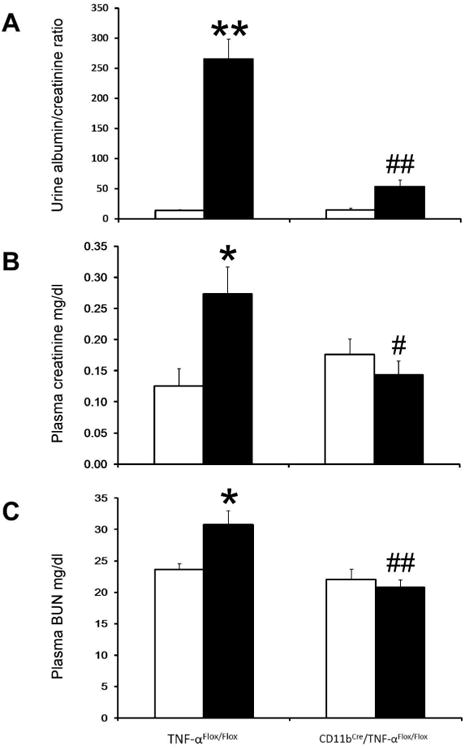
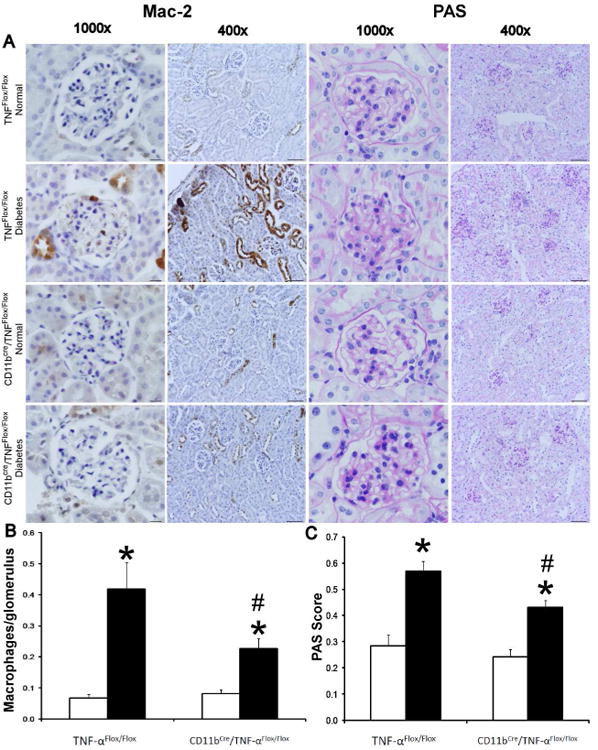
Monocyte/macrophage recruitment correlates strongly with the progression of diabetic nephropathy. Tumor necrosis factor-α (TNF-α) is produced by monocytes/macrophages but the direct role of TNF-α and/or macrophage-derived TNF-α in the progression of diabetic nephropathy remains unclear. Here we tested whether inhibition of TNF-α confers kidney protection in diabetic nephropathy via a macrophage-derived TNF-α-dependent pathway. Compared to vehicle-treated mice, blockade of TNF-α with a murine anti-TNF-α antibody conferred kidney protection in Ins2(Akita) mice as indicated by reductions in albuminuria, plasma creatinine, histopathologic changes, kidney macrophage recruitment, and plasma inflammatory cytokine levels at 18 weeks of age. To assess the direct role of macrophage-derived TNF-α in diabetic nephropathy, we generated macrophage-specific TNF-α-deficient mice (CD11b(Cre)/TNF-α(Flox/Flox)). Conditional ablation of TNF-α in macrophages significantly reduced albuminuria, the increase in plasma creatinine and blood urea nitrogen, histopathologic changes, and kidney macrophage recruitment compared to diabetic TNF-α(Flox/Flox) control mice after 12 weeks of streptozotocin-induced diabetes. Thus, production of TNF-α by macrophages plays a major role in diabetic renal injury. Hence, blocking TNF-α could be a novel therapeutic approach for treatment of diabetic nephropathy.
单核细胞/巨噬细胞募集与糖尿病肾病的进展密切相关。肿瘤坏死因子-α(TNF-α)由单核细胞/巨噬细胞产生,但TNF-α和/或巨噬细胞源性TNF-α在糖尿病肾病进展中的直接作用仍不清楚。在此,我们测试了抑制TNF-α是否通过巨噬细胞源性TNF-α依赖途径在糖尿病肾病中赋予肾脏保护作用。与用赋形剂处理的小鼠相比,用鼠抗TNF-α抗体阻断TNF-α在Ins2(Akita)小鼠中赋予肾脏保护作用,这在18周龄时表现为蛋白尿、血浆肌酐、组织病理学变化、肾脏巨噬细胞募集和血浆炎性细胞因子水平降低。为了评估巨噬细胞源性TNF-α在糖尿病肾病中的直接作用,我们生成了巨噬细胞特异性TNF-α缺陷小鼠(CD11b(Cre)/TNF-α(Flox/Flox))。在链脲佐菌素诱导糖尿病12周后,与糖尿病TNF-α(Flox/Flox)对照小鼠相比,巨噬细胞中TNF-α的条件性缺失显著降低了蛋白尿、血浆肌酐和血尿素氮的升高、组织病理学变化以及肾脏巨噬细胞募集。因此,巨噬细胞产生的TNF-α在糖尿病肾损伤中起主要作用。因此,阻断TNF-α可能是治疗糖尿病肾病的一种新的治疗方法。