Lillehei Heart Institute, University of Minnesota, 2231 6th St SE, MMC 208, Minneapolis, MN, 55455, USA.
Stem Cell Rev Rep. 2015 Oct;11(5):710-27. doi: 10.1007/s12015-015-9596-6.
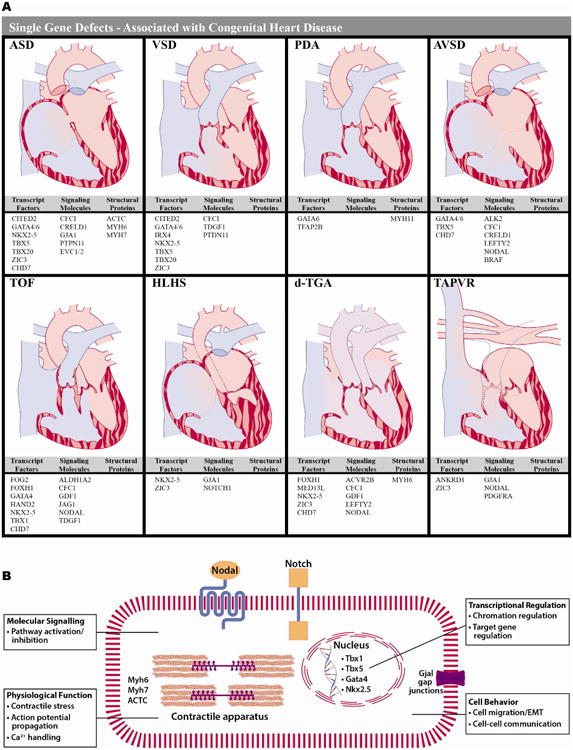
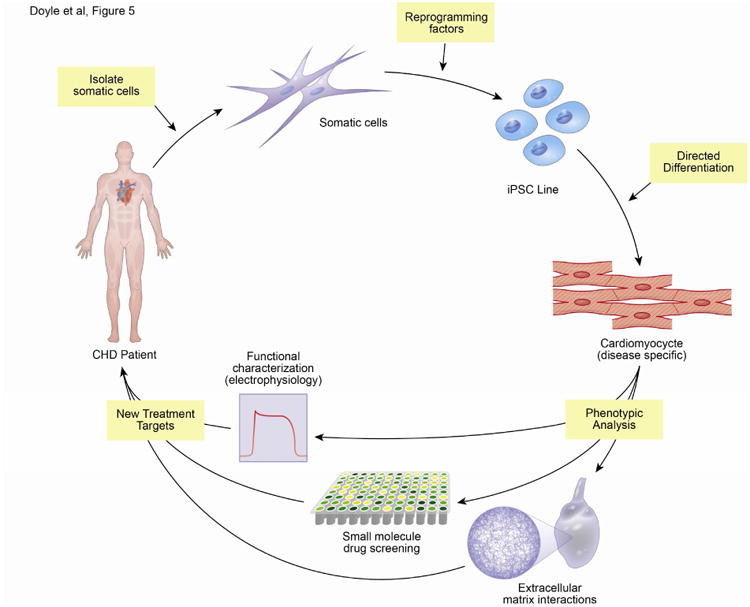
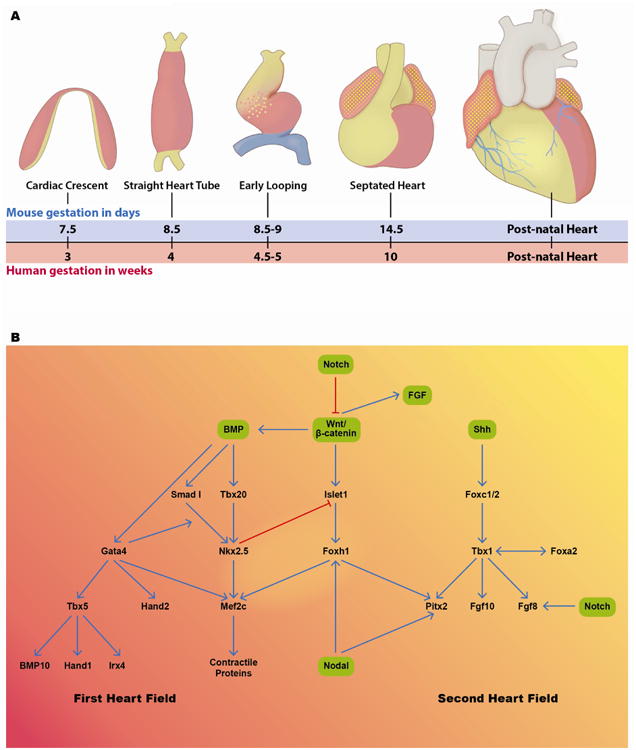
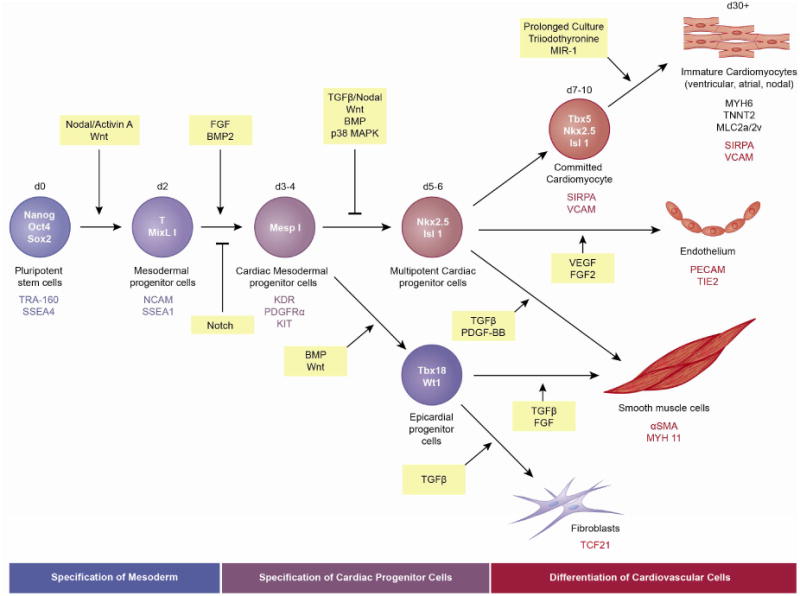
Congenital heart disease (CHD) remains a significant health problem, with a growing population of survivors with chronic disease. Despite intense efforts to understand the genetic basis of CHD in humans, the etiology of most CHD is unknown. Furthermore, new models of CHD are required to better understand the development of CHD and to explore novel therapies for this patient population. In this review, we highlight the role that human induced pluripotent stem cell (hiPSC)-derived cardiomyocytes can serve to enhance our understanding of the development, pathophysiology and potential therapeutic targets for CHD. We highlight the use of hiPSC-derived cardiomyocytes to model gene regulatory interactions, cell-cell interactions and tissue interactions contributing to CHD. We further emphasize the importance of using hiPSC-derived cardiomyocytes as personalized research models. The use of hiPSCs presents an unprecedented opportunity to generate disease-specific cellular models, investigate the underlying molecular mechanisms of disease and uncover new therapeutic targets for CHD.
先天性心脏病(CHD)仍然是一个重大的健康问题,患有慢性疾病的幸存者人数不断增加。尽管人们努力深入了解人类 CHD 的遗传基础,但大多数 CHD 的病因仍不清楚。此外,还需要新的 CHD 模型来更好地了解 CHD 的发展,并为这一患者群体探索新的治疗方法。在这篇综述中,我们强调了人类诱导多能干细胞(hiPSC)衍生的心肌细胞在增强我们对 CHD 发育、病理生理学和潜在治疗靶点的理解方面可以发挥的作用。我们强调了使用 hiPSC 衍生的心肌细胞来模拟导致 CHD 的基因调控相互作用、细胞-细胞相互作用和组织相互作用。我们进一步强调了使用 hiPSC 衍生的心肌细胞作为个性化研究模型的重要性。hiPSC 的使用为生成特定于疾病的细胞模型、研究疾病的潜在分子机制以及发现 CHD 的新治疗靶点提供了前所未有的机会。