Liang LiQun, Chang YuMei, He XuLing, Tang Ran
National & Local United Engineering Laboratory of Freshwater Fish Breeding, Key Laboratory of Freshwater Aquatic Biotechnology and Genetic Breeding, Ministry of Agriculture, Key Laboratory of Fish Stress Resistance Breeding and Germplasm Characteristics on Special Habitats, Heilongjiang River Fisheries Research Institute, Chinese Academy of Fishery Sciences, Harbin, Heilongjiang, P. R. China.
Chinese National Human Genome Center at Shanghai, Shanghai, P. R. China.
PLoS One. 2015 Jun 22;10(6):e0130526. doi: 10.1371/journal.pone.0130526. eCollection 2015.
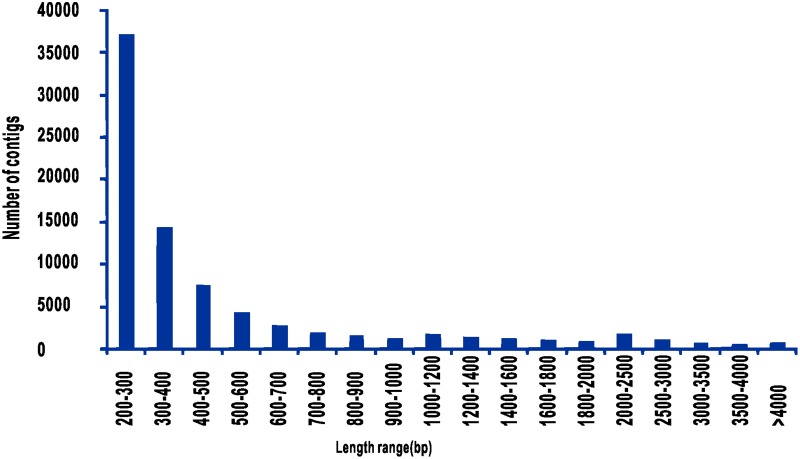
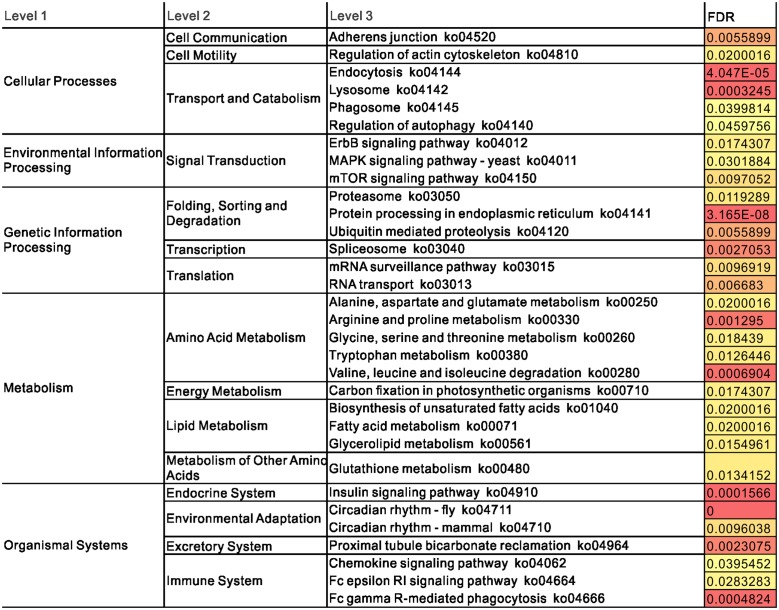
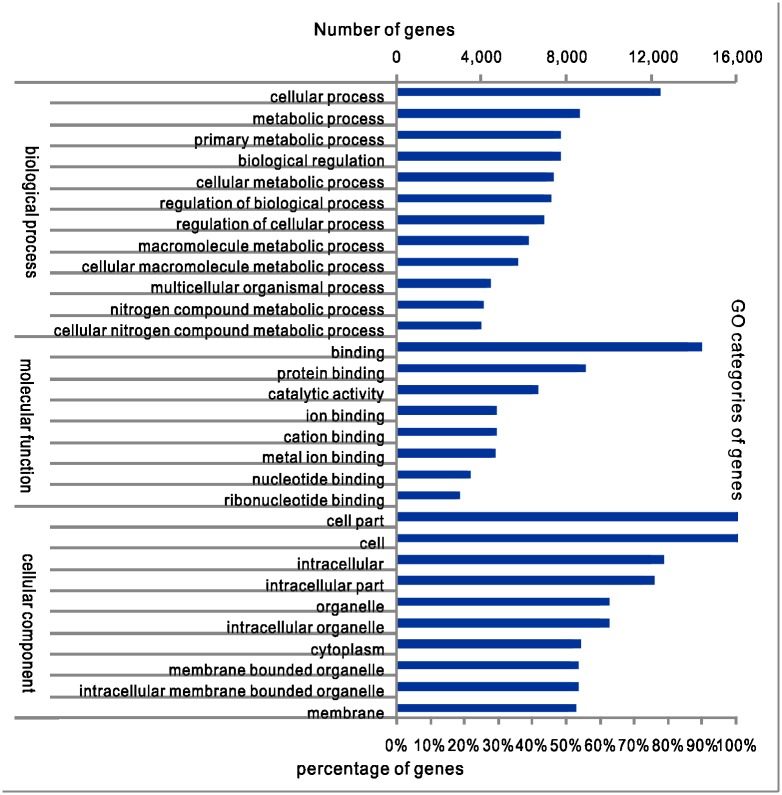
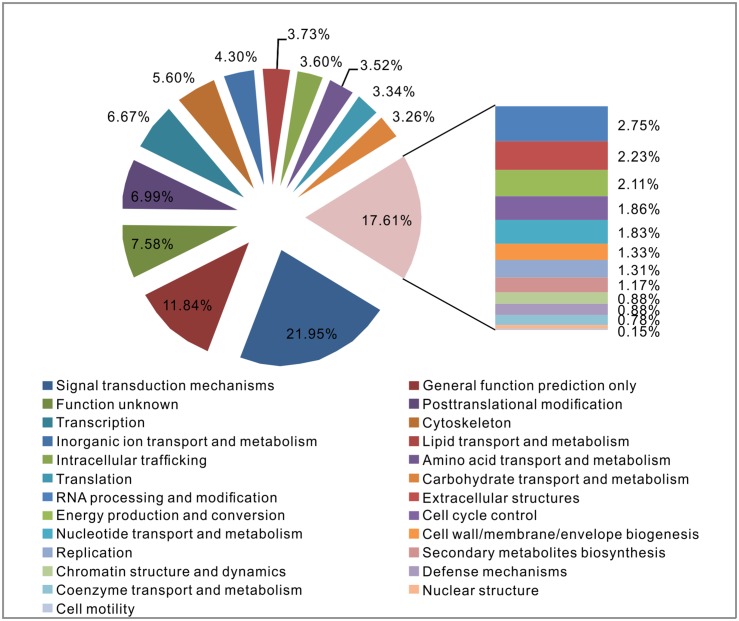
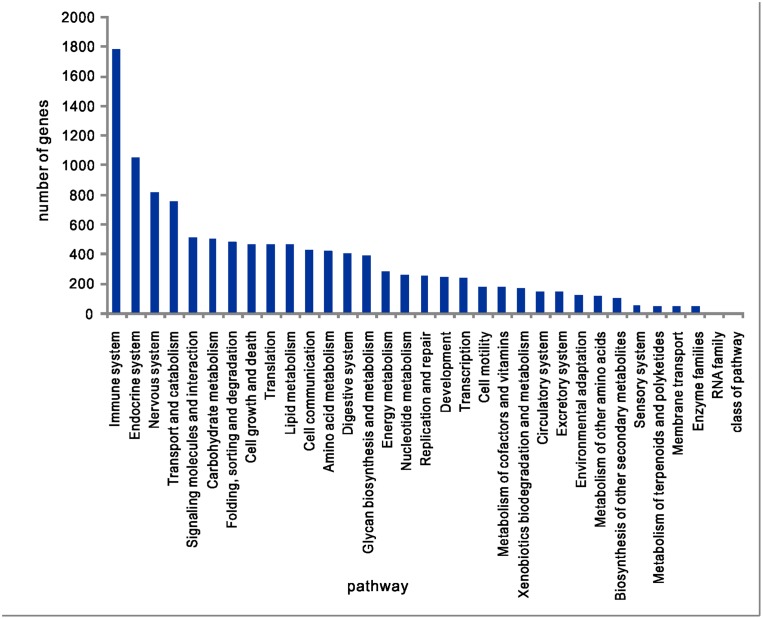
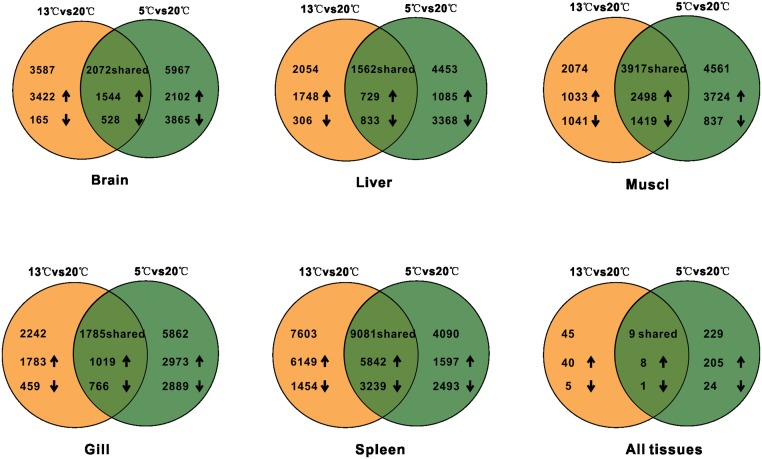
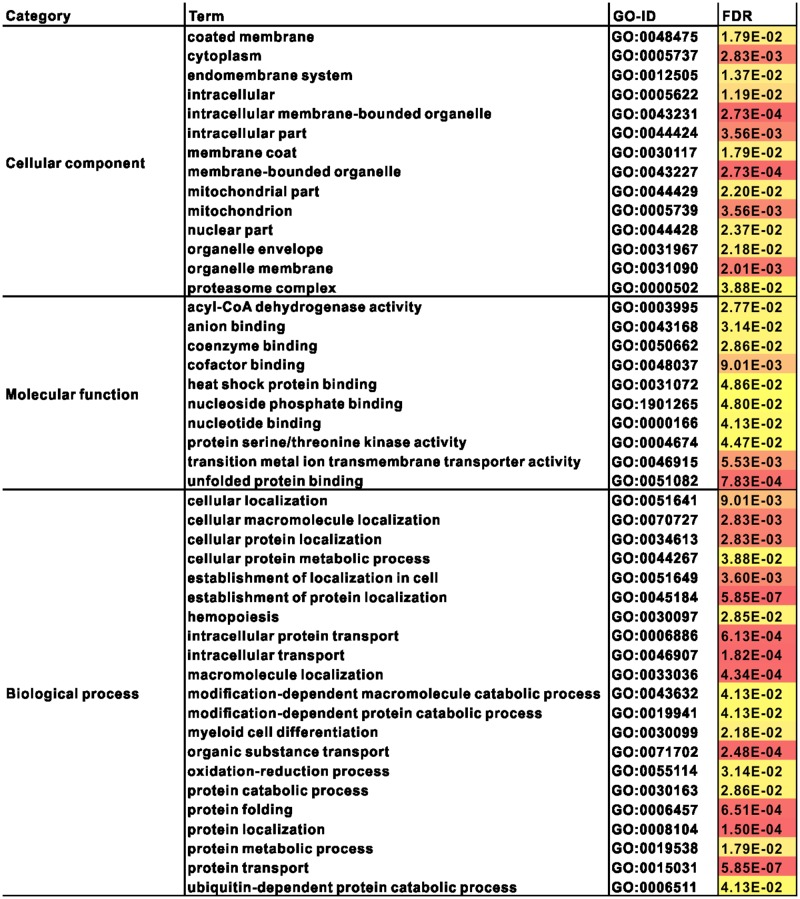
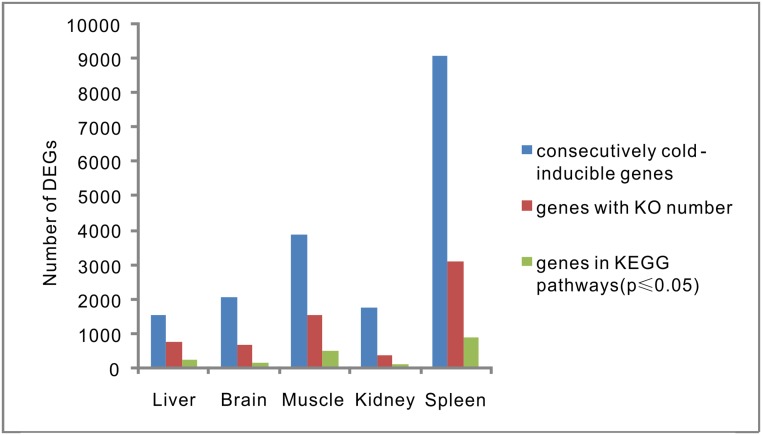
The adaptation of fish to low temperatures is the result of long-term evolution. Amur carp (Cyprinus carpio haematopterus) survives low temperatures (0-4°C) for six months per year. Therefore, we chose this fish as a model organism to study the mechanisms of cold-adaptive responses using high-throughput sequencing technology. This system provided an excellent model for exploring the relationship between evolutionary genomic changes and environmental adaptations. The Amur carp transcriptome was sequenced using the Illumina platform and was assembled into 163,121 cDNA contigs, with an average read length of 594 bp and an N50 length of 913 bp. A total of 162,339 coding sequences (CDSs) were identified and of 32,730 unique CDSs were annotated. Gene Ontology (GO), EuKaryotic Orthologous Groups (KOG) and Kyoto Encyclopedia of Genes and Genomes (KEGG) analyses were performed to classify all CDSs into different functional categories. A large number of cold-responsive genes were detected in different tissues at different temperatures. A total of 9,427 microsatellites were identified and classified, with 1952 identifying in cold-responsive genes. Based on GO enrichment analysis of the cold-induced genes, "protein localization" and "protein transport" were the most highly represented biological processes. "Circadian rhythm," "protein processing in endoplasmic reticulum," "endocytosis," "insulin signaling pathway," and "lysosome" were the most highly enriched pathways for the genes induced by cold stress. Our data greatly contribute to the common carp (C. carpio) transcriptome resource, and the identification of cold-responsive genes in different tissues at different temperatures will aid in deciphering the genetic basis of ecological and environmental adaptations in this species. Based on our results, the Amur carp has evolved special strategies to survive low temperatures, and these strategies include the system-wide or tissue-specific induction of gene expression during their six-month overwintering period.
鱼类对低温的适应是长期进化的结果。黑龙江鲤(Cyprinus carpio haematopterus)每年有六个月能在低温(0 - 4°C)环境中存活。因此,我们选择这种鱼作为模式生物,利用高通量测序技术研究冷适应性反应的机制。该系统为探索进化基因组变化与环境适应之间的关系提供了一个绝佳模型。使用Illumina平台对黑龙江鲤转录组进行测序,并组装成163,121个cDNA重叠群,平均读长为594 bp,N50长度为913 bp。共鉴定出162,339个编码序列(CDS),其中32,730个独特的CDS得到注释。进行了基因本体论(GO)、真核直系同源组(KOG)和京都基因与基因组百科全书(KEGG)分析,以将所有CDS分类到不同的功能类别中。在不同温度下的不同组织中检测到大量冷响应基因。共鉴定并分类了9,427个微卫星,其中1952个存在于冷响应基因中。基于对冷诱导基因的GO富集分析,“蛋白质定位”和“蛋白质转运”是最具代表性的生物学过程。“昼夜节律”、“内质网中的蛋白质加工”、“内吞作用”、“胰岛素信号通路”和“溶酶体”是冷应激诱导基因中最富集的通路。我们的数据极大地丰富了鲤鱼(C. carpio)转录组资源,并且在不同温度下不同组织中鉴定冷响应基因将有助于解读该物种生态和环境适应的遗传基础。基于我们的结果,黑龙江鲤已经进化出特殊策略以在低温下生存,这些策略包括在其六个月的越冬期内全系统或组织特异性的基因表达诱导。