Xing Jida, Chen Jie
Faculty of Engineering, University of Alberta, Edmonton, AB T6G 2V4, Canada.
Canadian National Research Council National Institute for Nanotechnology, Edmonton, AB T6G 2M9, Canada.
Sensors (Basel). 2015 Jun 23;15(6):14788-808. doi: 10.3390/s150614788.
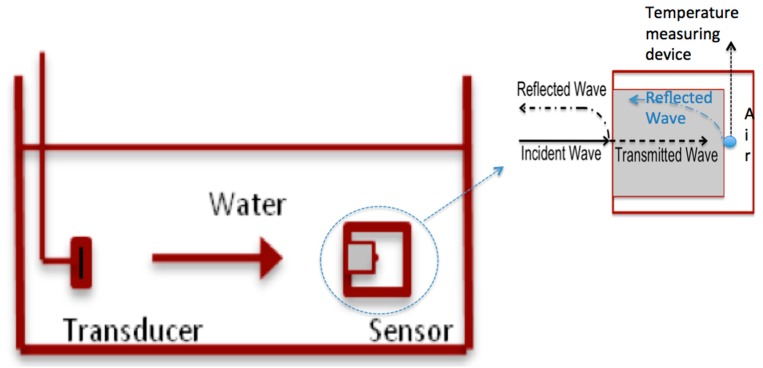
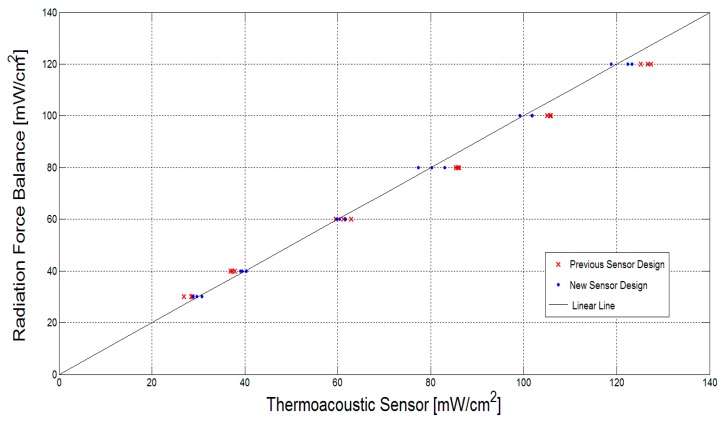
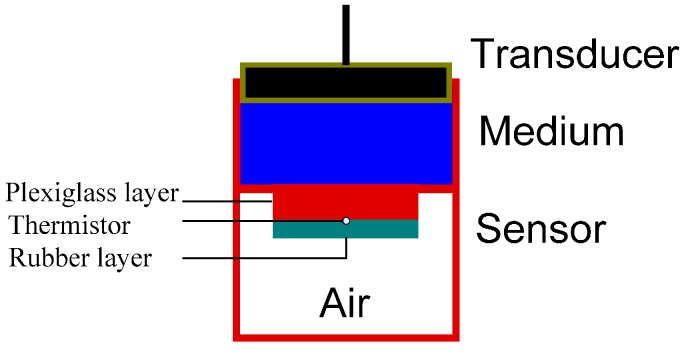
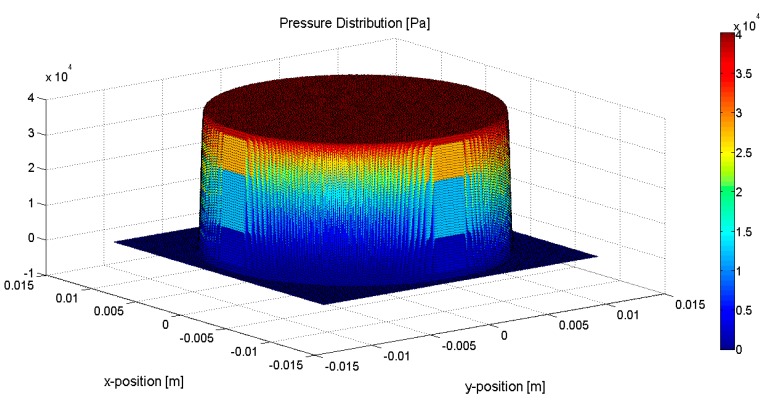
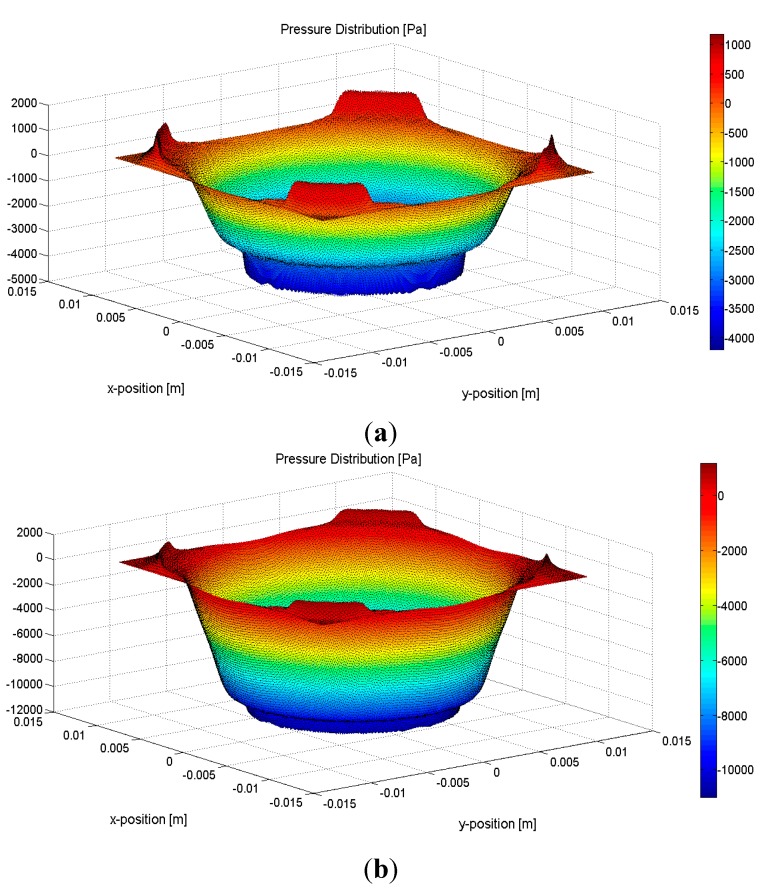
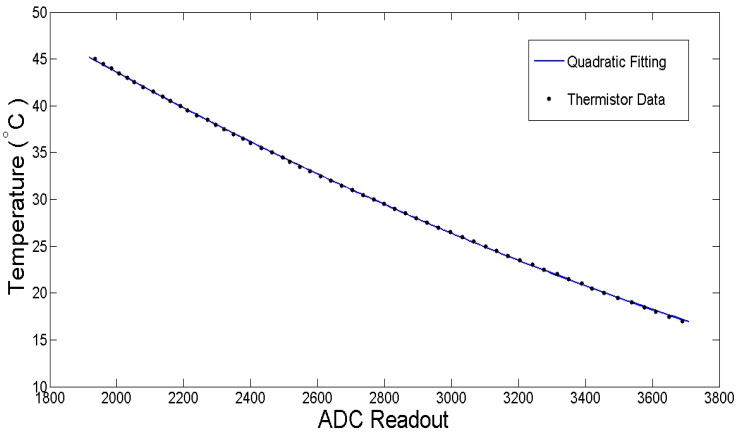
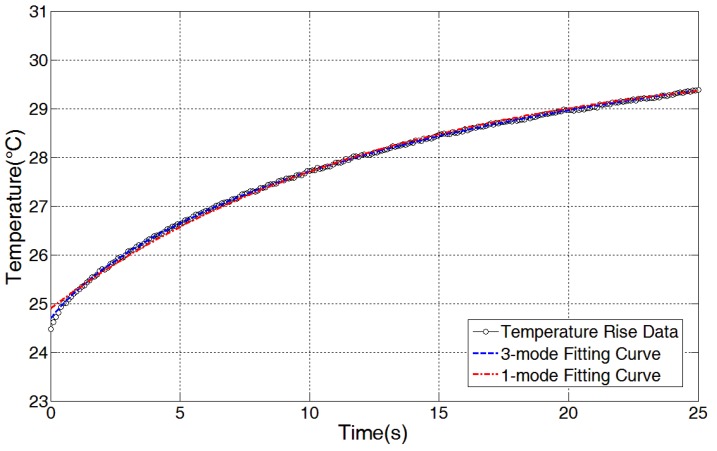
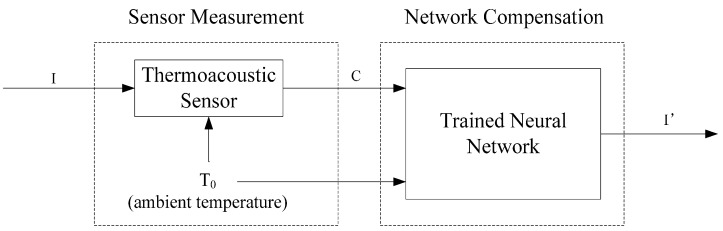
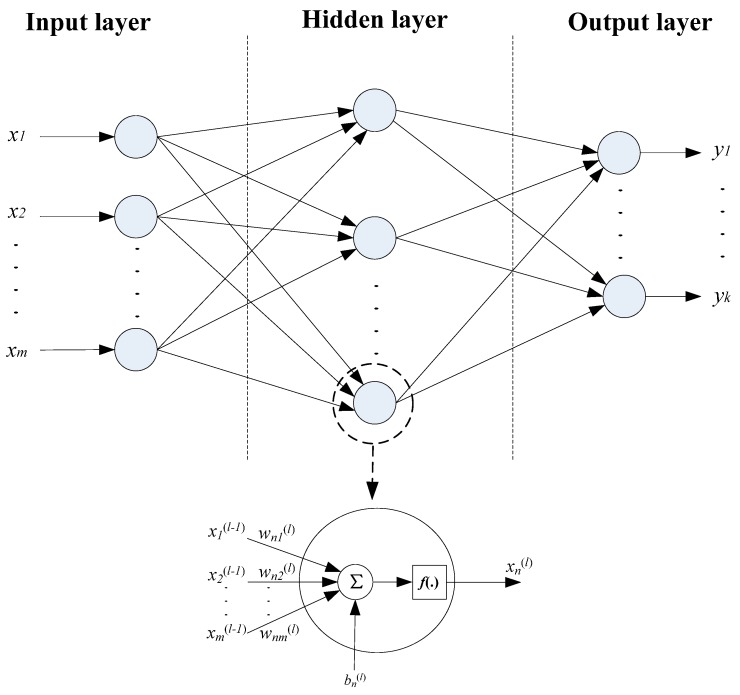
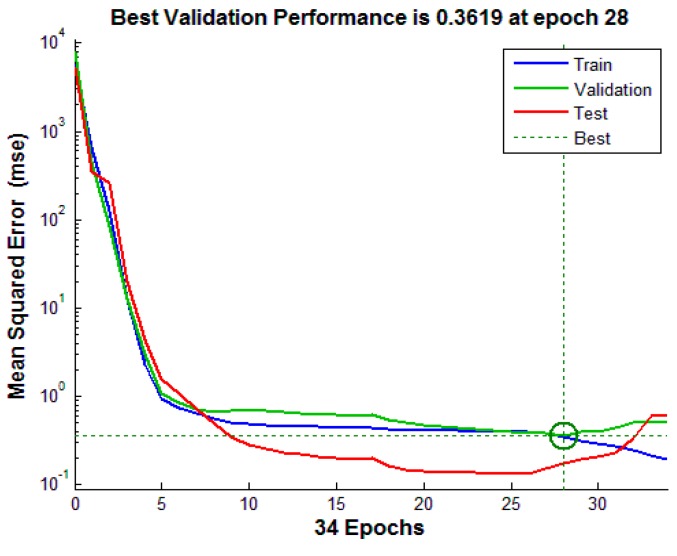
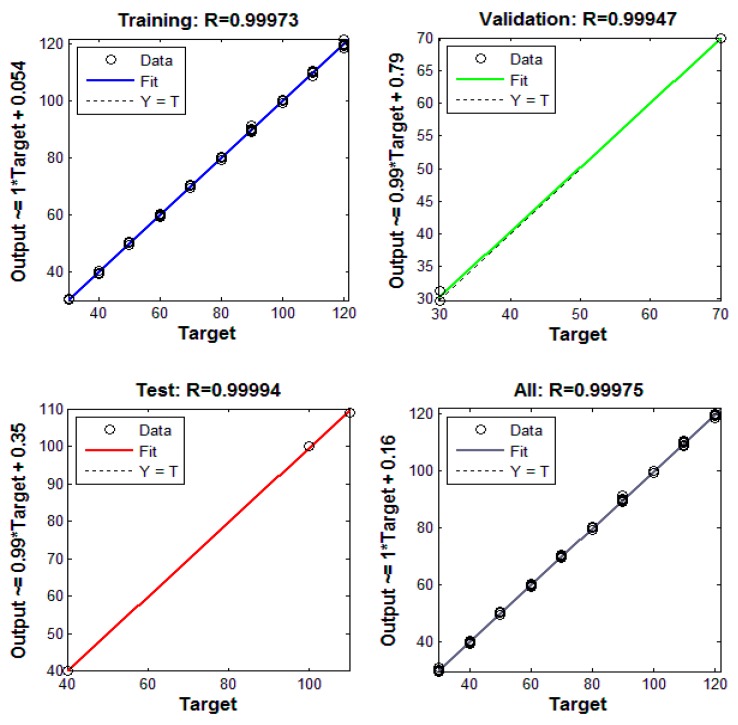
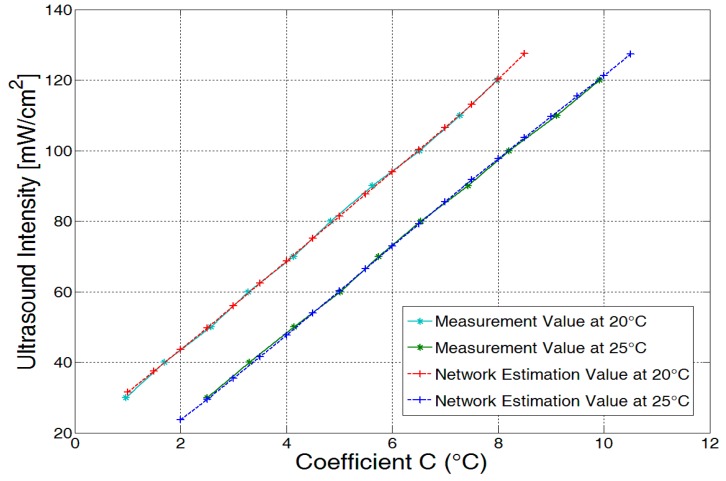
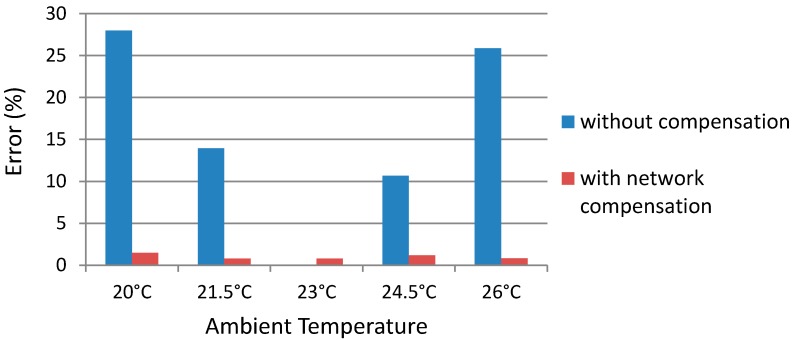
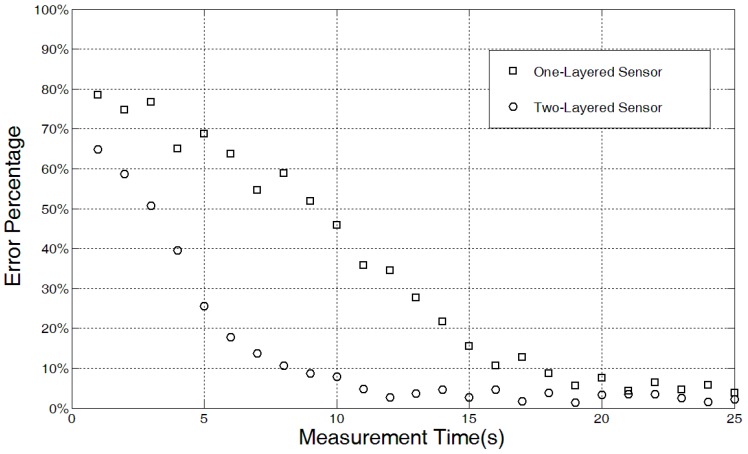
In therapeutic ultrasound applications, accurate ultrasound output intensities are crucial because the physiological effects of therapeutic ultrasound are very sensitive to the intensity and duration of these applications. Although radiation force balance is a benchmark technique for measuring ultrasound intensity and power, it is costly, difficult to operate, and compromised by noise vibration. To overcome these limitations, the development of a low-cost, easy to operate, and vibration-resistant alternative device is necessary for rapid ultrasound intensity measurement. Therefore, we proposed and validated a novel two-layer thermoacoustic sensor using an artificial neural network technique to accurately measure low ultrasound intensities between 30 and 120 mW/cm2. The first layer of the sensor design is a cylindrical absorber made of plexiglass, followed by a second layer composed of polyurethane rubber with a high attenuation coefficient to absorb extra ultrasound energy. The sensor determined ultrasound intensities according to a temperature elevation induced by heat converted from incident acoustic energy. Compared with our previous one-layer sensor design, the new two-layer sensor enhanced the ultrasound absorption efficiency to provide more rapid and reliable measurements. Using a three-dimensional model in the K-wave toolbox, our simulation of the ultrasound propagation process demonstrated that the two-layer design is more efficient than the single layer design. We also integrated an artificial neural network algorithm to compensate for the large measurement offset. After obtaining multiple parameters of the sensor characteristics through calibration, the artificial neural network is built to correct temperature drifts and increase the reliability of our thermoacoustic measurements through iterative training about ten seconds. The performance of the artificial neural network method was validated through a series of experiments. Compared to our previous design, the new design reduced sensing time from 20 s to 12 s, and the sensor's average error from 3.97 mW/cm2 to 1.31 mW/cm2 respectively.
在治疗性超声应用中,准确的超声输出强度至关重要,因为治疗性超声的生理效应对这些应用的强度和持续时间非常敏感。尽管辐射力平衡是测量超声强度和功率的基准技术,但它成本高昂、操作困难且受噪声振动影响。为克服这些限制,开发一种低成本、易于操作且抗振动的替代设备对于快速测量超声强度是必要的。因此,我们提出并验证了一种新颖的两层热声传感器,该传感器使用人工神经网络技术来准确测量30至120 mW/cm²之间的低超声强度。传感器设计的第一层是由有机玻璃制成的圆柱形吸收器,接着是由具有高衰减系数的聚氨酯橡胶组成的第二层,以吸收额外的超声能量。该传感器根据入射声能转换产生的热量引起的温度升高来确定超声强度。与我们之前的单层传感器设计相比,新的两层传感器提高了超声吸收效率,以提供更快速可靠的测量。使用K-wave工具箱中的三维模型,我们对超声传播过程的模拟表明两层设计比单层设计更有效。我们还集成了人工神经网络算法以补偿较大的测量偏差。通过校准获得传感器特性的多个参数后,构建人工神经网络以校正温度漂移,并通过约十秒的迭代训练提高我们热声测量的可靠性。通过一系列实验验证了人工神经网络方法的性能。与我们之前的设计相比,新设计将传感时间从20秒减少到12秒,传感器的平均误差分别从3.97 mW/cm²降低到1.31 mW/cm²。