Fujita Takeshi, Chiwaki Fumiko, Takahashi Ryou-u, Aoyagi Kazuhiko, Yanagihara Kazuyoshi, Nishimura Takao, Tamaoki Masashi, Komatsu Masayuki, Komatsuzaki Rie, Matsusaki Keisuke, Ichikawa Hitoshi, Sakamoto Hiromi, Yamada Yasuhide, Fukagawa Takeo, Katai Hitoshi, Konno Hiroyuki, Ochiya Takahiro, Yoshida Teruhiko, Sasaki Hiroki
Department of Translational Oncology, National Cancer Center Research Institute, Tokyo, Japan; Second Department of Surgery, Hamamatsu University School of Medicine, Shizuoka, Japan.
Department of Translational Oncology, National Cancer Center Research Institute, Tokyo, Japan.
PLoS One. 2015 Jun 25;10(6):e0130808. doi: 10.1371/journal.pone.0130808. eCollection 2015.
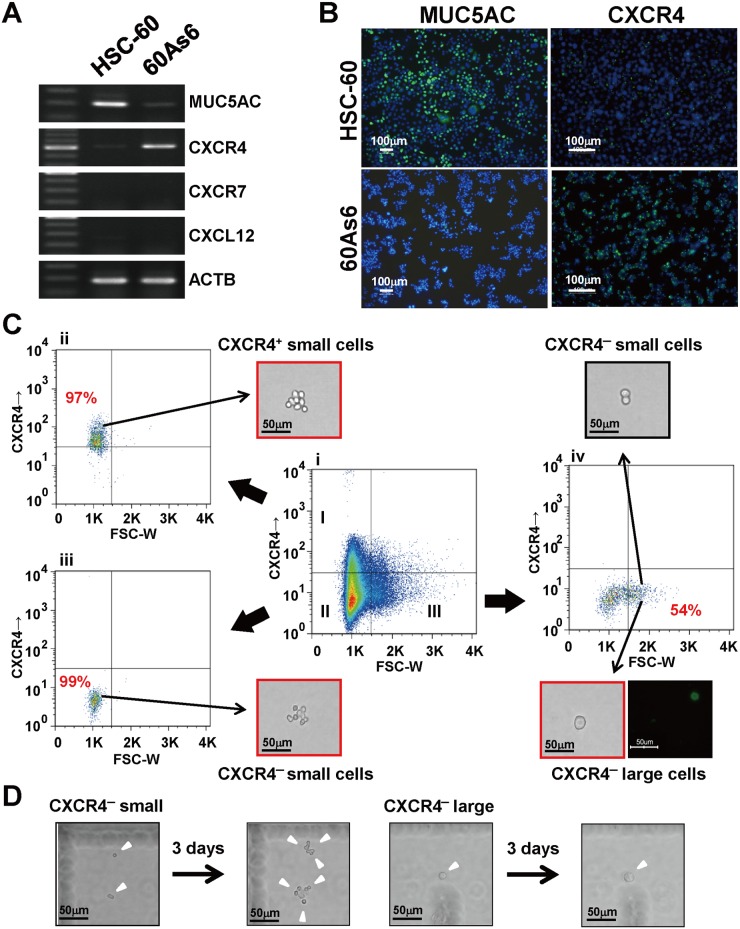
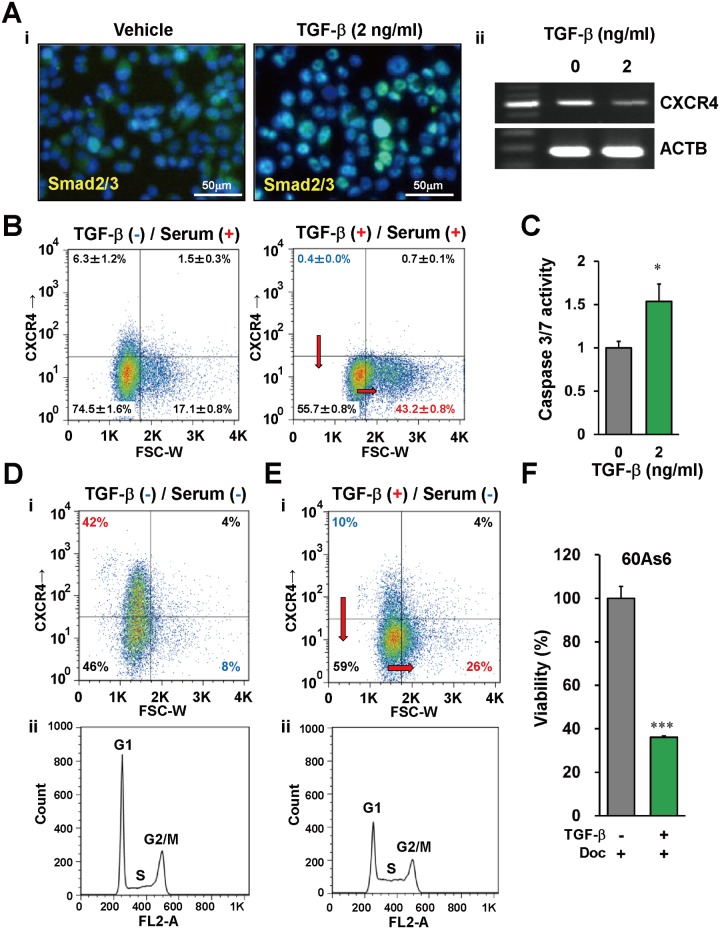
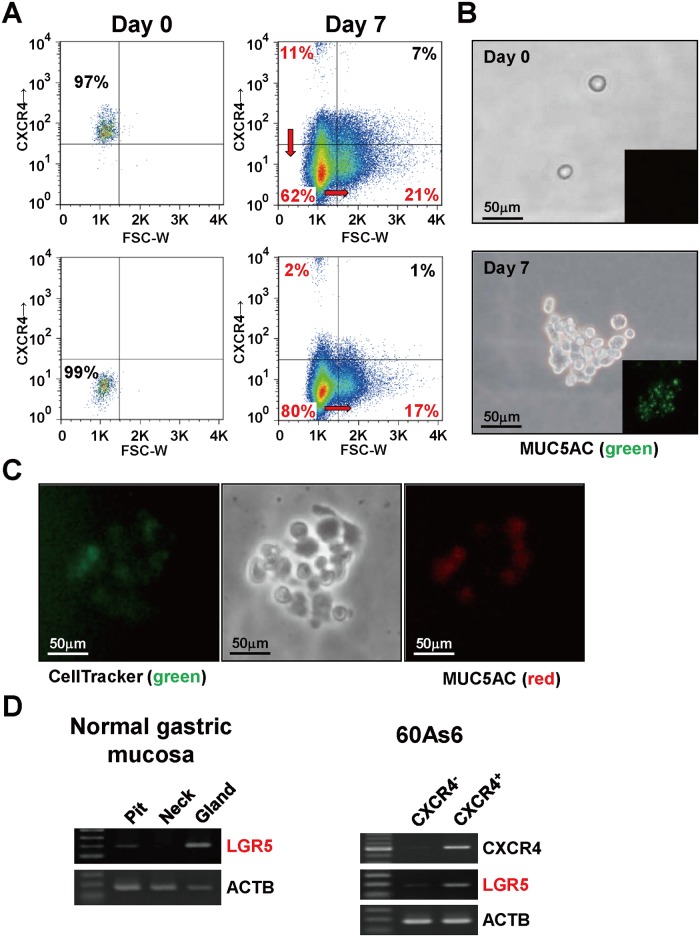
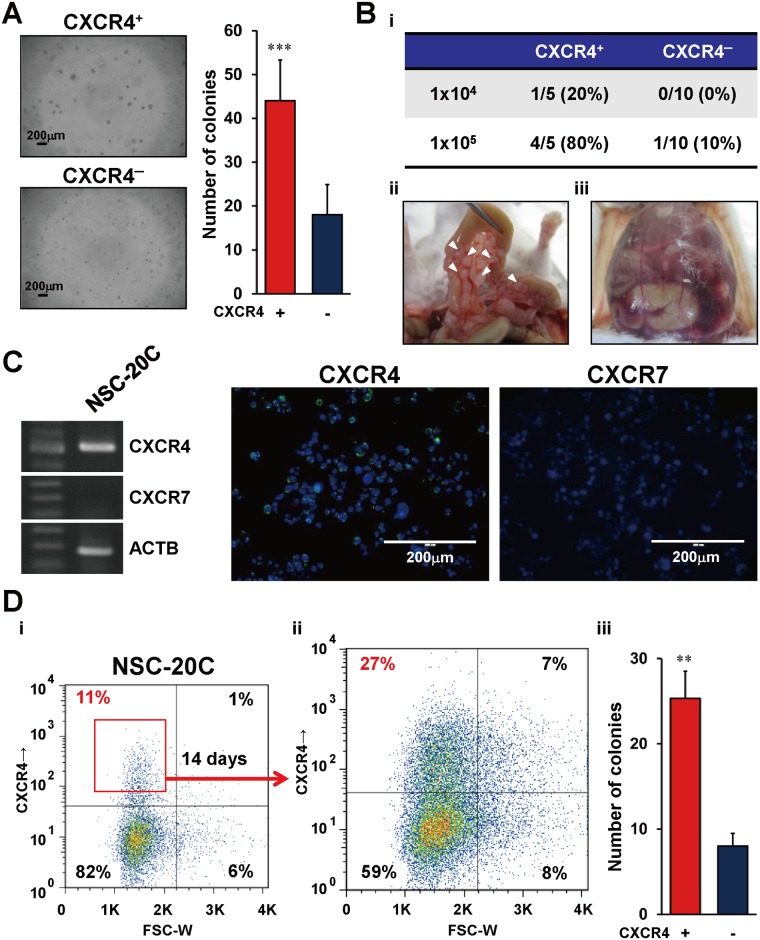
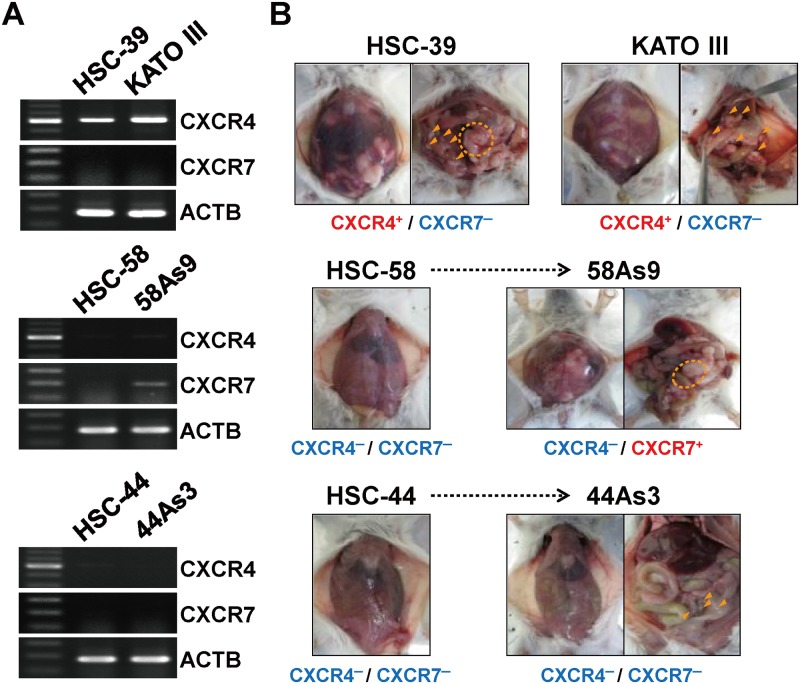
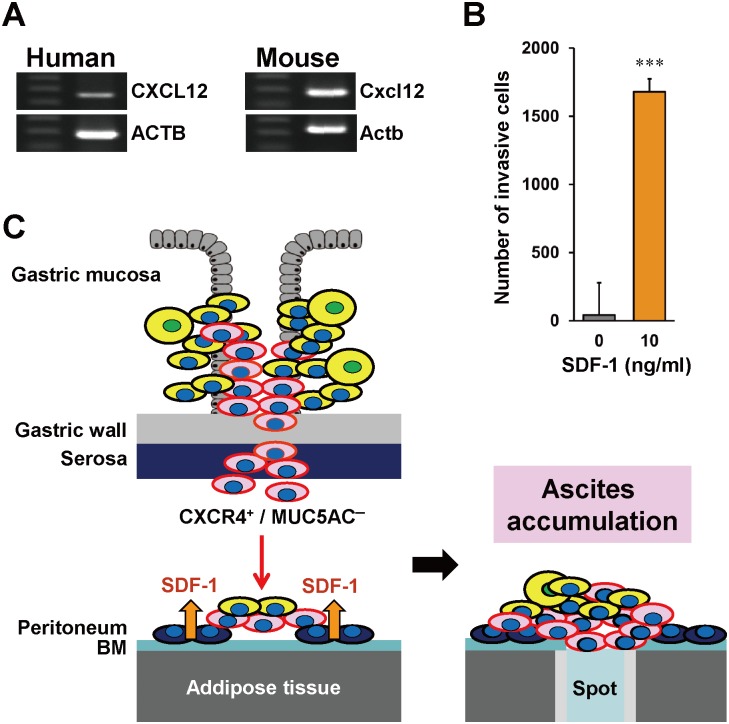
Diffuse-type solid tumors are often composed of a high proportion of rarely proliferating (i.e., dormant) cancer cells, strongly indicating the involvement of cancer stem cells (CSCs) Although diffuse-type gastric cancer (GC) patients have a poor prognosis due to high-frequent development of peritoneal dissemination (PD), it is limited knowledge that the PD-associated CSCs and efficacy of CSC-targeting therapy in diffuse-type GC. In this study, we established highly metastatic GC cell lines by in vivo selection designed for the enrichment of PD-associated GC cells. By microarray analysis, we found C-X-C chemokine receptor type 4 (CXCR4) can be a novel marker for highly metastatic CSCs, since CXCR4-positive cells can grow anchorage-independently, initiate tumors in mice, be resistant to cytotoxic drug, and produce differentiated daughter cells. In clinical samples, these CXCR4-positive cells were found from not only late metastasis stage (accumulated ascites) but also earlier stage (peritoneal washings). Moreover, treatment with transforming growth factor-β enhanced the anti-cancer effect of docetaxel via induction of cell differentiation/asymmetric cell division of the CXCR4-positive gastric CSCs even in a dormant state. Therefore, differentiation inducers hold promise for obtaining the maximum therapeutic outcome from currently available anti-cancer drugs through re-cycling of CSCs.
弥漫型实体瘤通常由高比例的增殖缓慢(即处于休眠状态)的癌细胞组成,这有力地表明癌症干细胞(CSCs)的参与。尽管弥漫型胃癌(GC)患者因腹膜播散(PD)的高频率发生而预后较差,但关于PD相关的CSCs以及CSC靶向治疗在弥漫型GC中的疗效,目前所知有限。在本研究中,我们通过体内筛选建立了高转移性GC细胞系,旨在富集与PD相关的GC细胞。通过微阵列分析,我们发现C-X-C趋化因子受体4(CXCR4)可能是高转移性CSCs的一个新标志物,因为CXCR4阳性细胞能够不依赖贴壁生长,在小鼠体内引发肿瘤,对细胞毒性药物具有抗性,并产生分化的子代细胞。在临床样本中,不仅在晚期转移阶段(腹水积聚)而且在早期阶段(腹腔灌洗)都发现了这些CXCR4阳性细胞。此外,转化生长因子-β处理即使在休眠状态下也能通过诱导CXCR4阳性胃CSCs的细胞分化/不对称细胞分裂增强多西他赛的抗癌效果。因此,分化诱导剂有望通过CSCs的再循环从目前可用的抗癌药物中获得最大的治疗效果。