Vix Justine, Mathis Stéphane, Lacoste Mathieu, Guillevin Rémy, Neau Jean-Philippe
From Department of Neurology, CHU Poitiers, University of Poitiers, Poitiers (JV, SM, JPN); Cabinet of Neurology, Niort (ML); and Department of Radiology, CHU Poitiers, University of Poitiers, Poitiers, France (RG).
Medicine (Baltimore). 2015 Jul;94(28):e1147. doi: 10.1097/MD.0000000000001147.
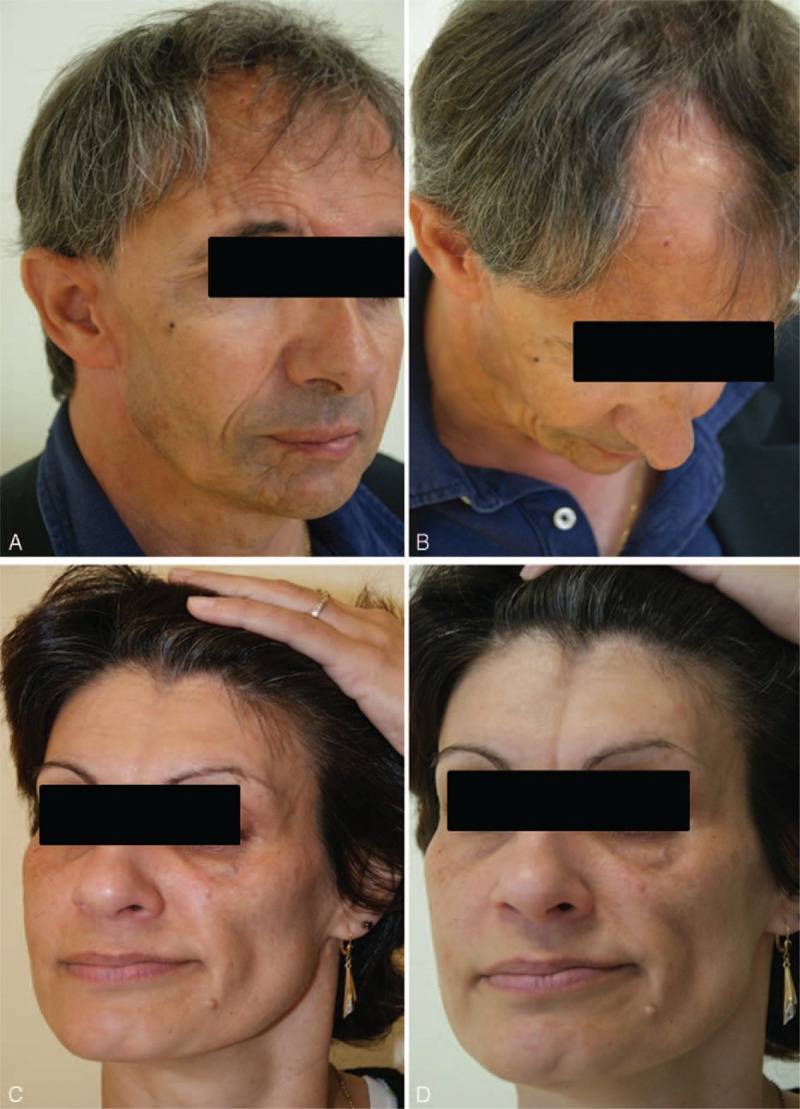
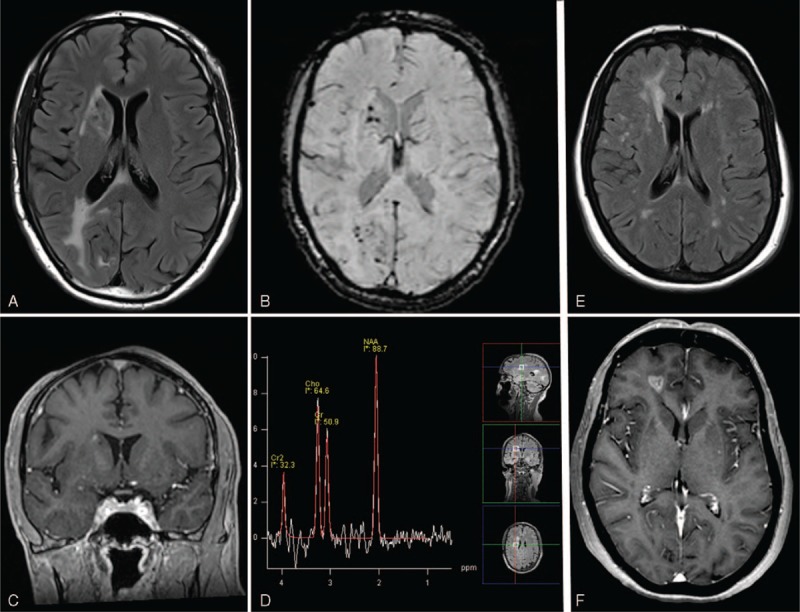
Parry-Romberg syndrome (PRS) is a variant of morphea usually characterized by a slowly progressive course. Clinical and radiological involvement of the central nervous system may be observed in PRS. We describe 2 patients with PRS and neurological symptoms (one with trigeminal neuralgia associated with deafness, and the second with hemifacial pain associated with migraine without aura) in conjunction with abnormal cerebral MRI including white matter T2 hyperintensities and enhancement with gadolinium. Despite the absence of specific immunosuppressive treatments, both patients have presented stable imaging during follow-up without any clinical neurologic progression. We have performed a large review of the medical literature on patients with PRS and neurological involvement (total of 129 patients). Central nervous system involvement is frequent among PRS patients and is inconsistently associated with clinical abnormalities. These various neurological manifestations include seizures, headaches, movement disorders, neuropsychological symptoms, and focal symptoms. Cerebral MRI may reveal frequent abnormalities, which can be bilateral or more often homolateral to the skin lesions, localized or so widespread so as to involve the whole hemisphere: T2 hyperintensities, mostly in the subcortical white matter, gadolinium enhancement, brain atrophy, and calcifications. These radiological lesions do not usually progress over time. Steroids or immunosuppressive treatments are controversial since it remains unclear to what extent they are beneficial and there is often no neurological progression.
帕里-罗姆伯格综合征(PRS)是硬斑病的一种变体,通常表现为病程缓慢进展。PRS患者可出现中枢神经系统的临床和影像学受累表现。我们描述了2例伴有神经系统症状的PRS患者(1例伴有三叉神经痛和耳聋,另1例伴有半侧面部疼痛和无先兆偏头痛),其脑部MRI异常,包括白质T2高信号和钆增强。尽管缺乏特异性免疫抑制治疗,但2例患者在随访期间影像学表现稳定,无任何临床神经功能进展。我们对有关PRS伴神经系统受累患者的医学文献进行了全面回顾(共129例患者)。中枢神经系统受累在PRS患者中很常见,且与临床异常表现的相关性不一致。这些各种神经系统表现包括癫痫发作、头痛、运动障碍、神经心理症状和局灶性症状。脑部MRI可能显示频繁的异常,可双侧出现,但更常见于与皮肤病变同侧,可为局限性或广泛至累及整个半球:T2高信号,主要位于皮质下白质,钆增强,脑萎缩和钙化。这些影像学病变通常不会随时间进展。由于尚不清楚类固醇或免疫抑制治疗的益处程度,且通常无神经功能进展,因此其应用存在争议。