Olivas-Chacon Cristina I, Mullins Carola, Stewart Kevan, Akle Nassim, Calleros Jesus E, Ramos-Duran Luis R
Department of Radiology, Texas Tech University Health Science Center El Paso, El Paso, Texas, USA.
J Clin Imaging Sci. 2015 Jun 30;5:37. doi: 10.4103/2156-7514.159564. eCollection 2015.
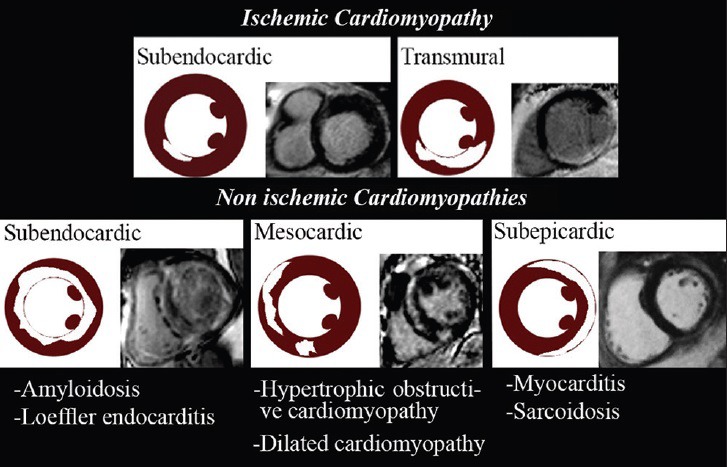
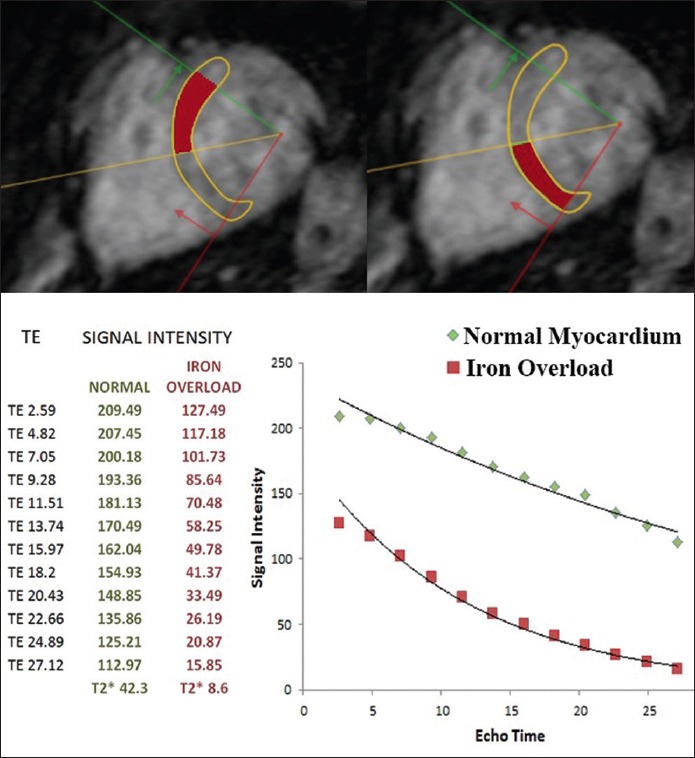
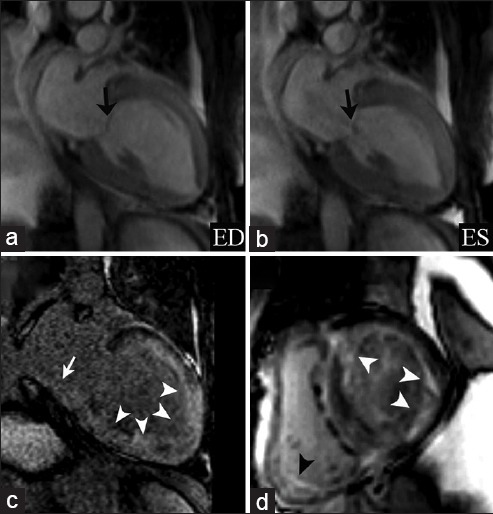
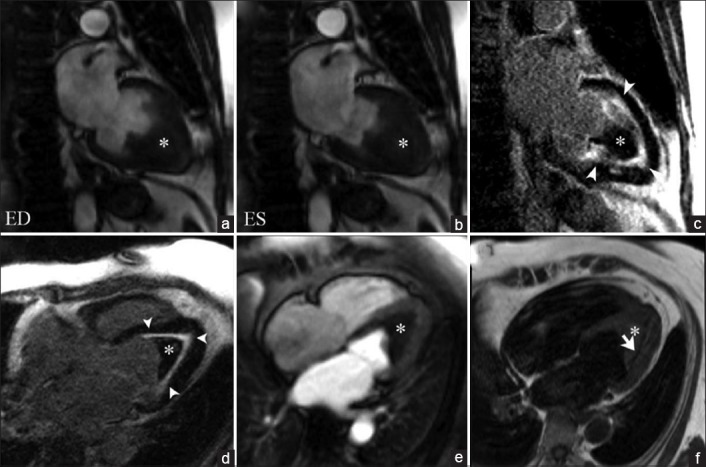
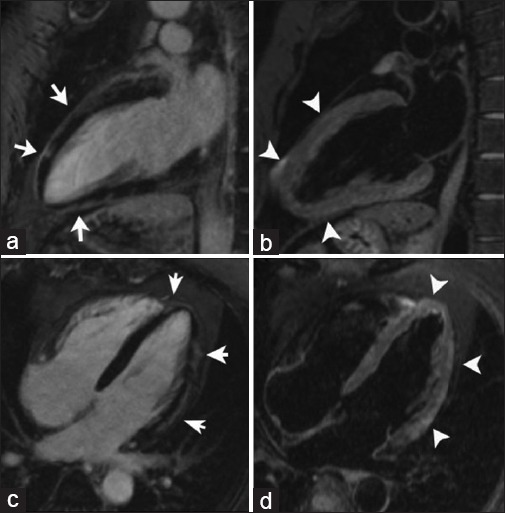
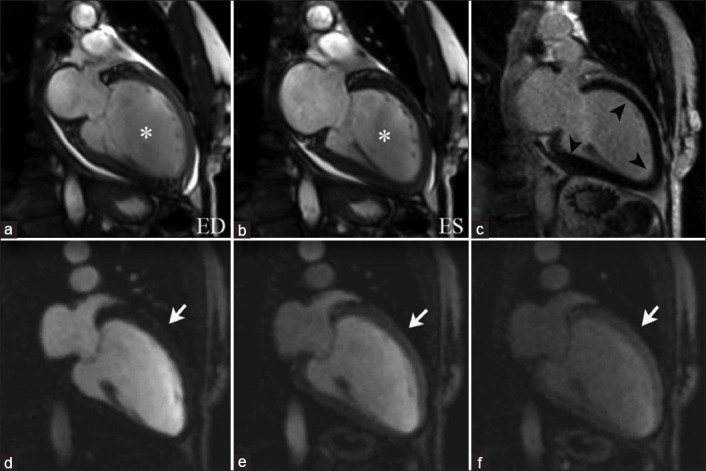
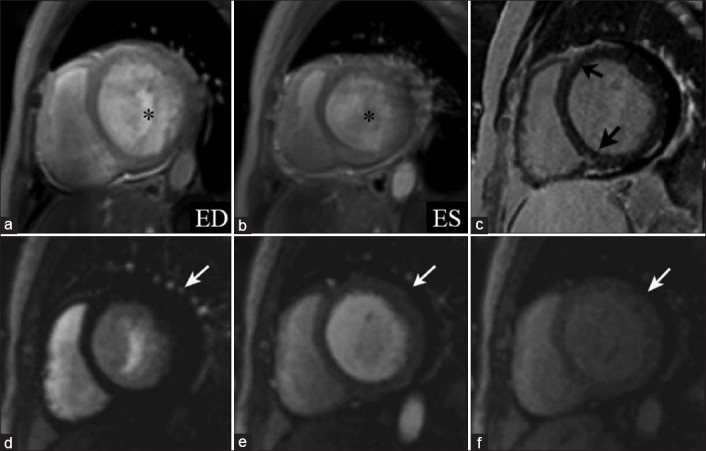
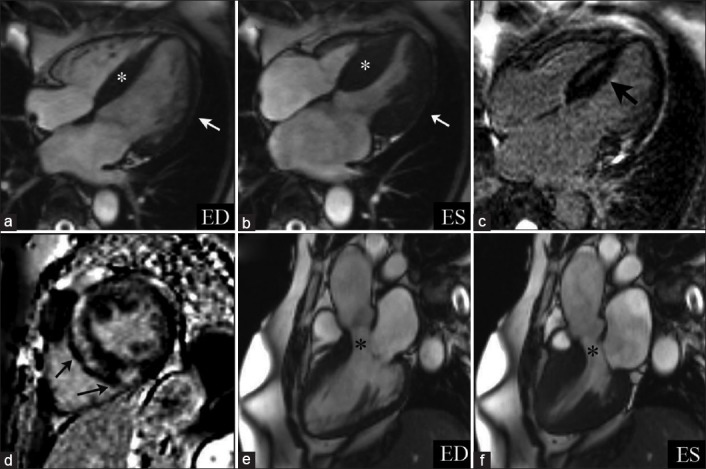
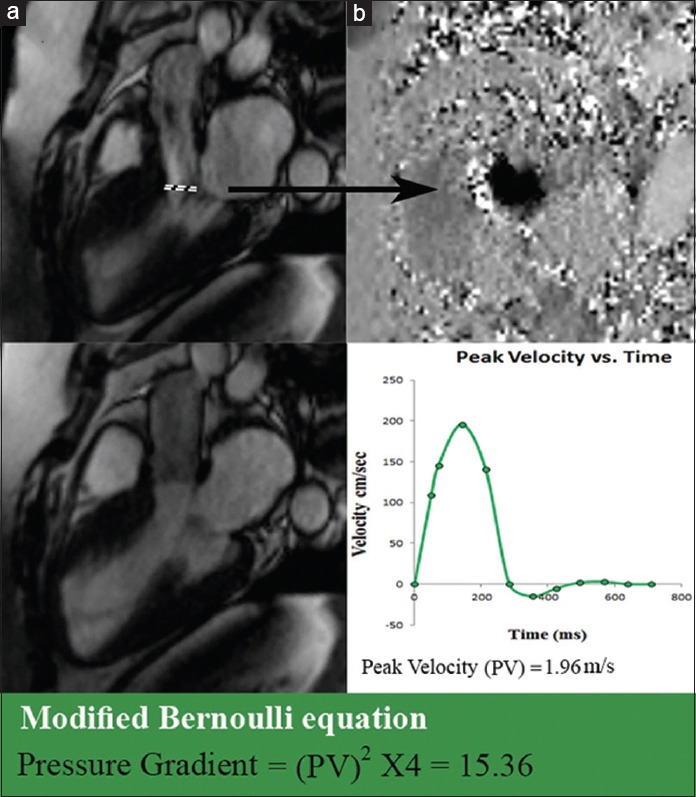
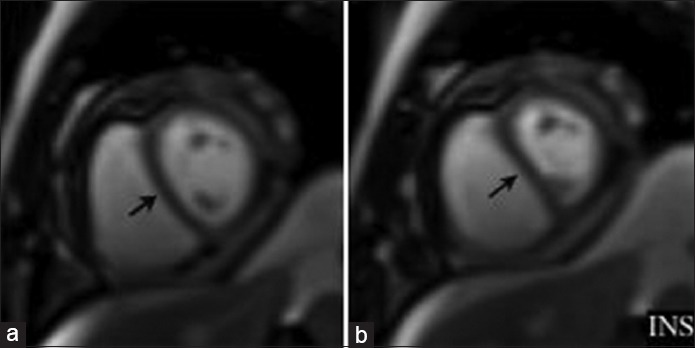
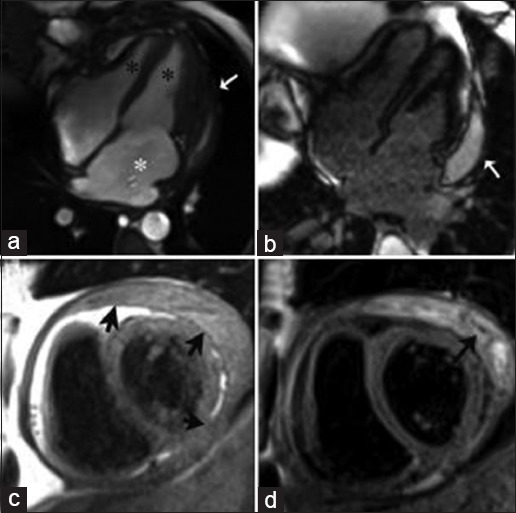
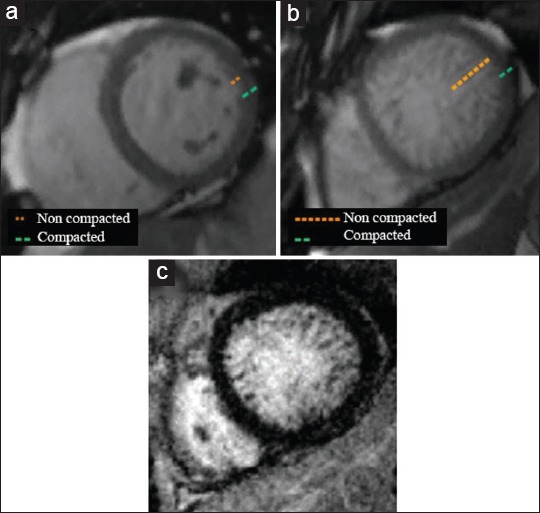
Non-ischemic cardiomyopathies are defined as either primary or secondary diseases of the myocardium resulting in cardiac dysfunction. While primary cardiomyopathies are confined to the heart and can be genetic or acquired, secondary cardiomyopathies show involvement of the heart as a manifestation of an underlying systemic disease including metabolic, inflammatory, granulomatous, infectious, or autoimmune entities. Non-ischemic cardiomyopathies are currently classified as hypertrophic, dilated, restrictive, or unclassifiable, including left ventricular non-compaction. Cardiovascular Magnetic Resonance Imaging (CMRI) not only has the capability to assess cardiac morphology and function, but also the ability to detect edema, hemorrhage, fibrosis, and intramyocardial deposits, providing a valuable imaging tool in the characterization of non-ischemic cardiomyopathies. This pictorial essay shows some of the most important non-ischemic cardiomyopathies with an emphasis on magnetic resonance imaging features.
非缺血性心肌病被定义为导致心脏功能障碍的原发性或继发性心肌疾病。原发性心肌病局限于心脏,可为遗传性或后天获得性,而继发性心肌病则表现为心脏受累,是潜在全身性疾病的一种表现,包括代谢性、炎症性、肉芽肿性、感染性或自身免疫性疾病。非缺血性心肌病目前分为肥厚型、扩张型、限制型或无法分类型,包括左心室心肌致密化不全。心血管磁共振成像(CMRI)不仅能够评估心脏形态和功能,还能够检测水肿、出血、纤维化和心肌内沉积物,为非缺血性心肌病的特征描述提供了一种有价值的成像工具。这篇图文并茂的文章展示了一些最重要的非缺血性心肌病,并重点介绍了磁共振成像特征。