Arduin Alessia, Gaffney Piers R J, Ces Oscar
Institute of Chemical Biology, Department of Chemical Biology, Imperial College London, Exhibition Road, London SW7 2AZ, United Kingdom.
Sci Rep. 2015 Aug 5;5:12628. doi: 10.1038/srep12628.
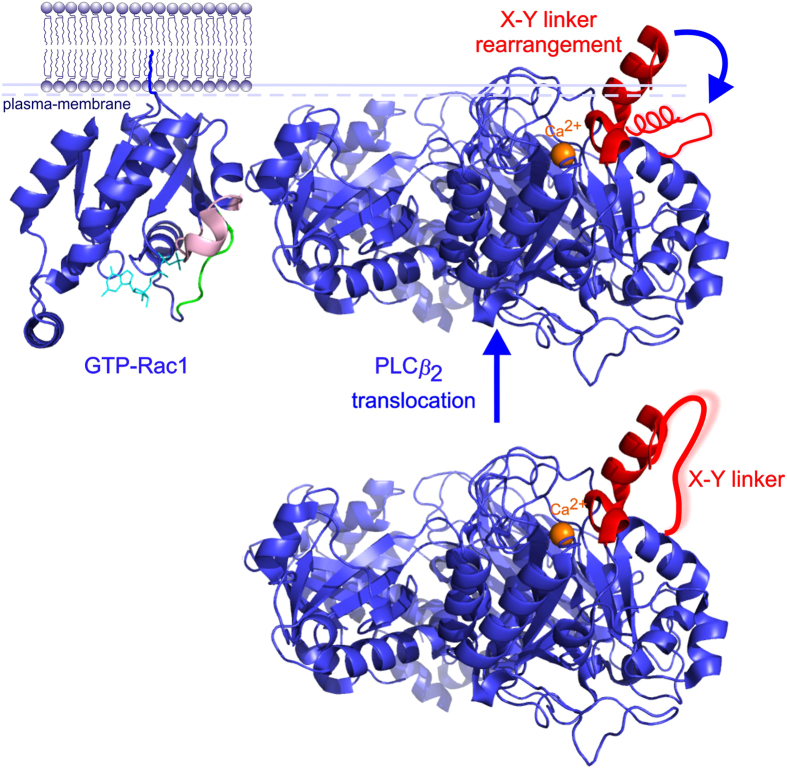
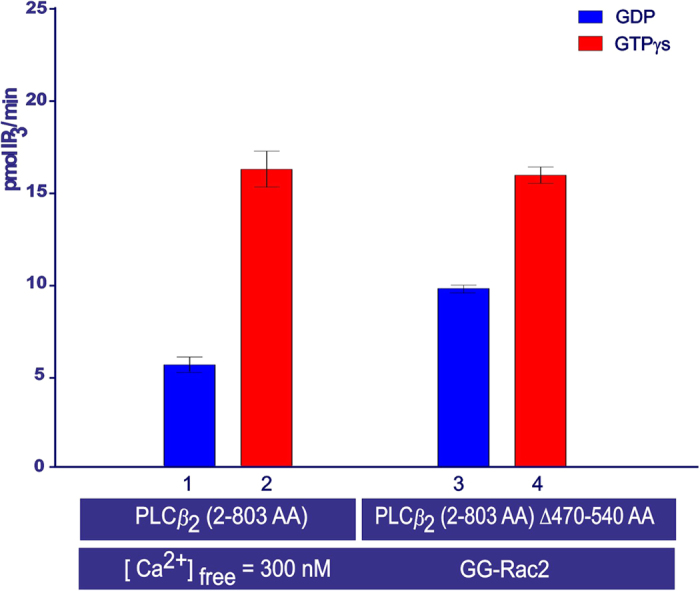
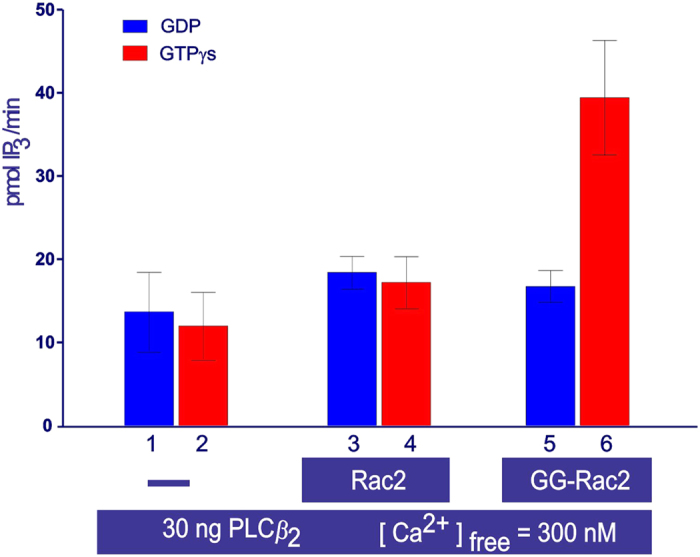
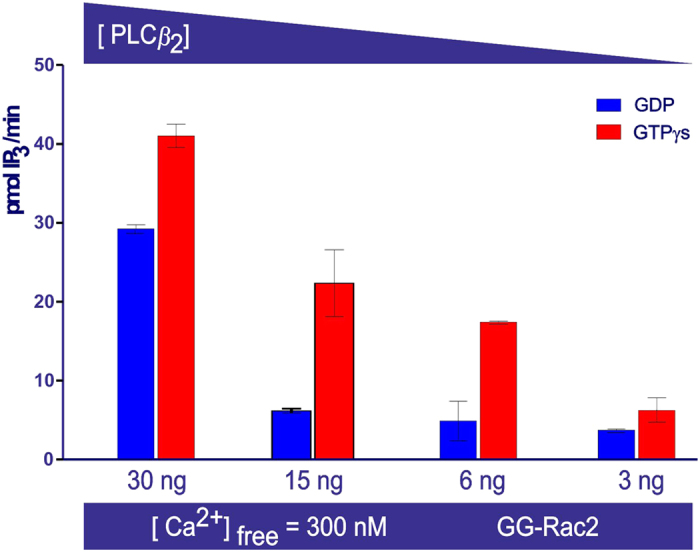
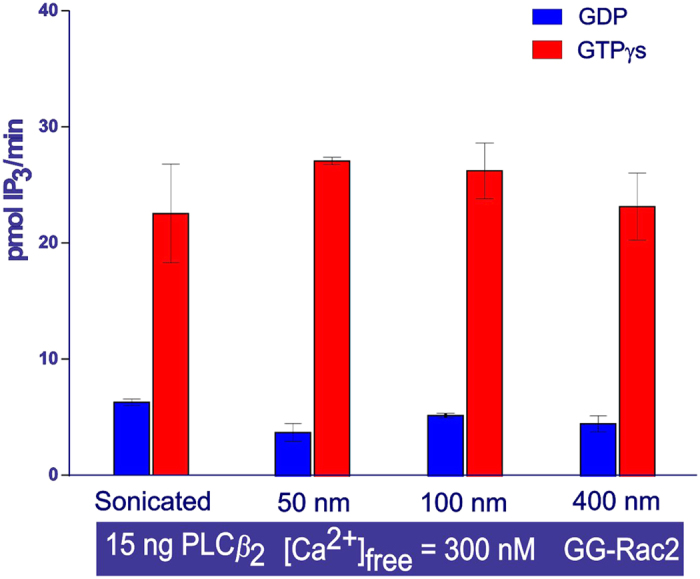
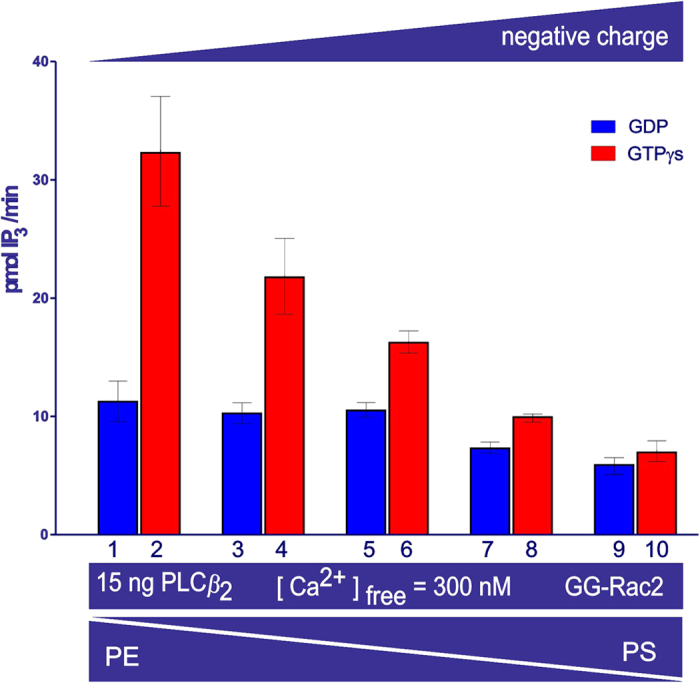
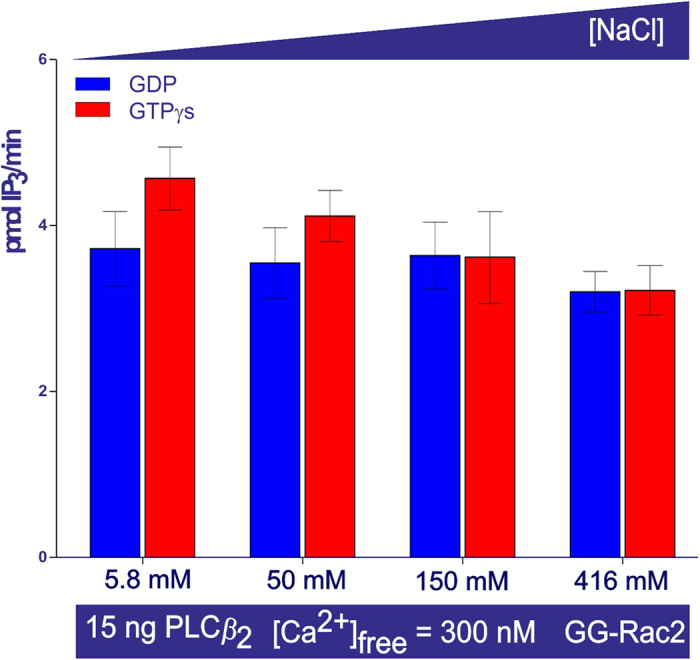
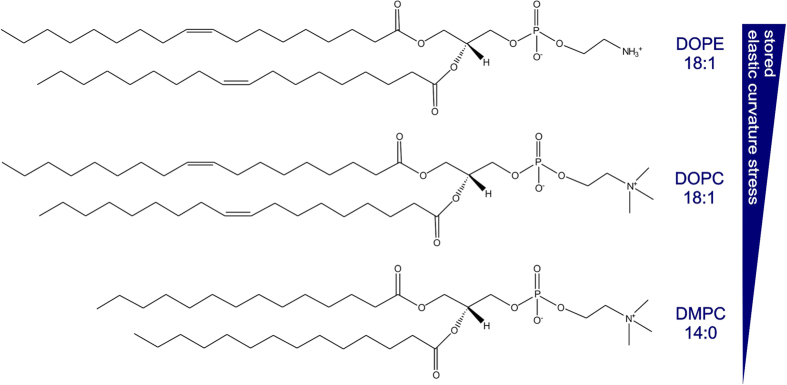
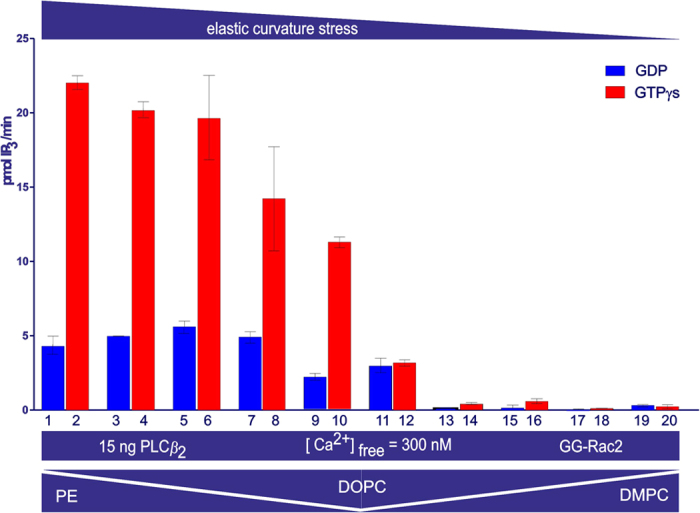
Phosphoinositide-specific phospholipase C (PLC) is an important family of enzymes constituting a junction between phosphoinositide lipid signaling and the trans-membrane signal transduction processes that are crucial to many living cells. However, the regulatory mechanism of PLC is not yet understood in detail. To address this issue, activity studies were carried out using lipid vesicles in a model system that was specifically designed to study protein-protein and lipid-protein interactions in concert. Evidence was found for a direct interaction between PLC and the GTPases that mediate phospholipase activation. Furthermore, for the first time, the relationships between PLC activity and substrate presentation in lipid vesicles of various sizes, as well as lipid composition and membrane mechanical properties, were analyzed. PLC activity was found to depend upon the electrostatic potential and the stored curvature elastic stress of the lipid membranes.
磷脂酰肌醇特异性磷脂酶C(PLC)是一类重要的酶家族,构成了磷脂酰肌醇脂质信号传导与对许多活细胞至关重要的跨膜信号转导过程之间的连接点。然而,PLC的调节机制尚未完全清楚。为了解决这个问题,我们在一个专门设计用于协同研究蛋白质-蛋白质和脂质-蛋白质相互作用的模型系统中,使用脂质囊泡进行了活性研究。我们发现了PLC与介导磷脂酶激活的GTP酶之间存在直接相互作用的证据。此外,首次分析了PLC活性与不同大小脂质囊泡中底物呈现之间的关系,以及脂质组成和膜力学性质。研究发现PLC活性取决于脂质膜的静电势和储存的曲率弹性应力。