Department of Plant Sciences, University of Tennessee , Knoxville, TN , USA ; Bioenergy Science Center, Oak Ridge National Laboratory , Oak Ridge, TN , USA.
Bioenergy Science Center, Oak Ridge National Laboratory , Oak Ridge, TN , USA ; National Renewable Energy Laboratory , Golden, CO , USA.
Front Bioeng Biotechnol. 2015 Jul 20;3:101. doi: 10.3389/fbioe.2015.00101. eCollection 2015.
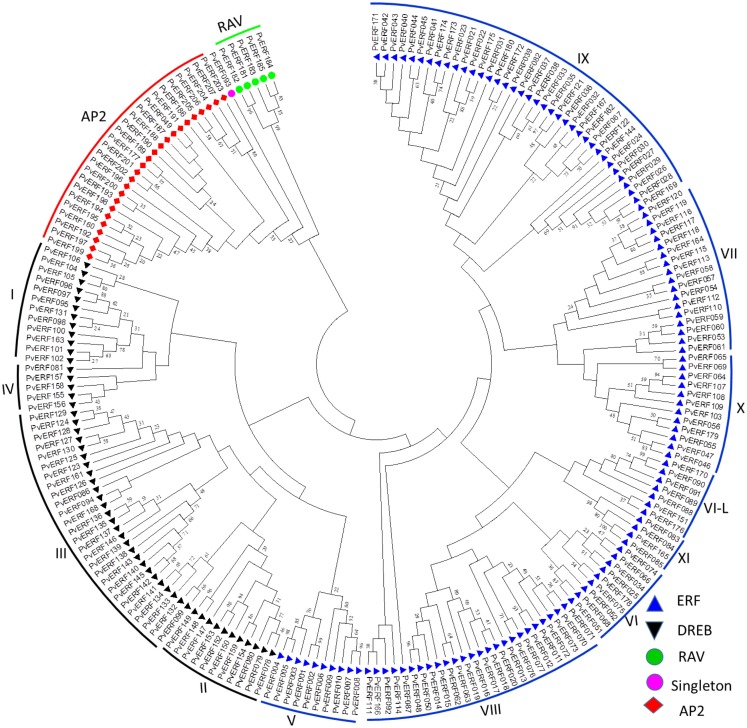
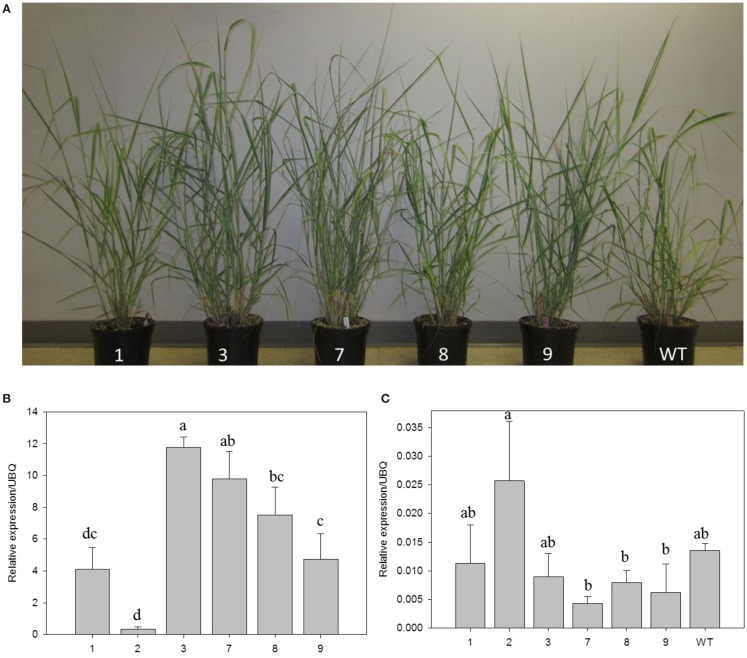
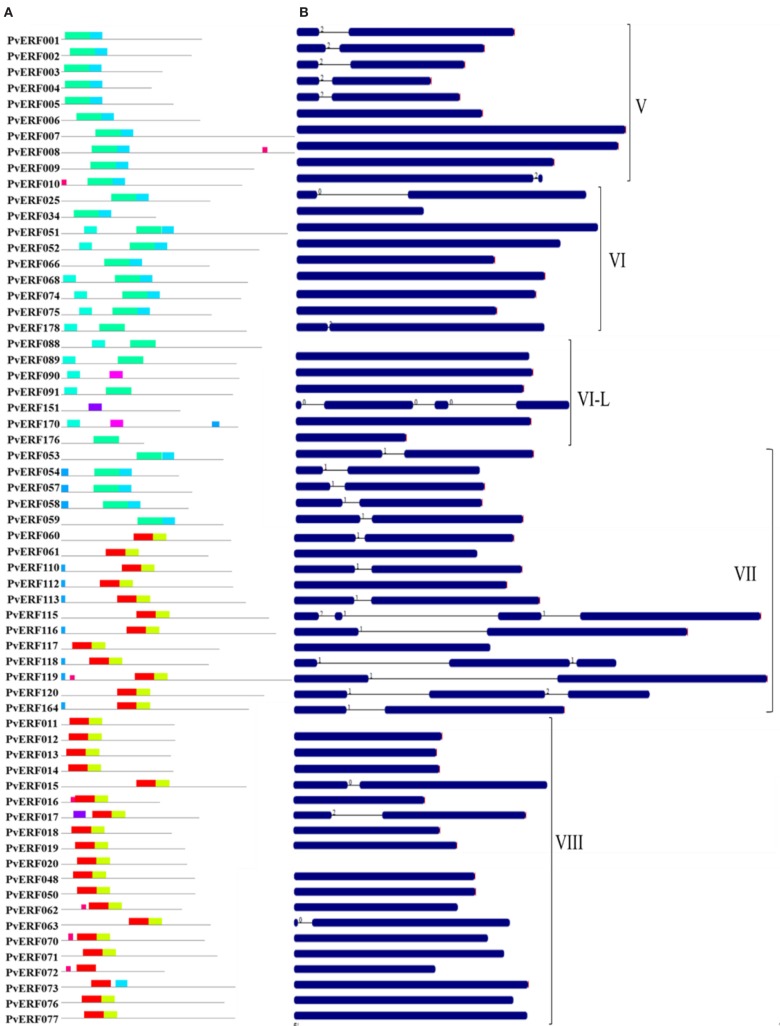
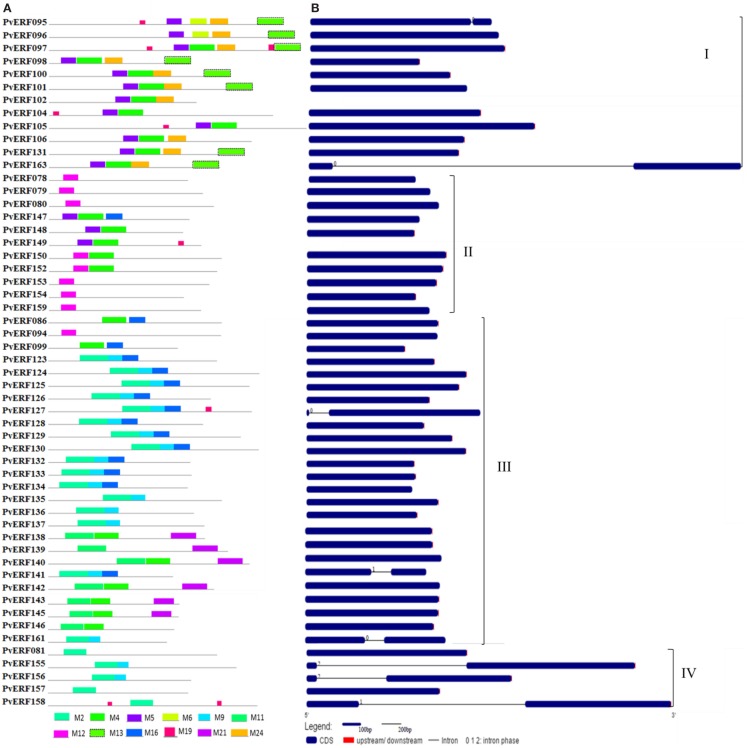
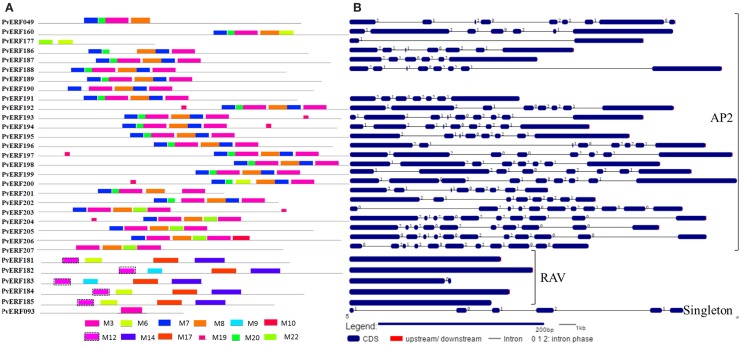
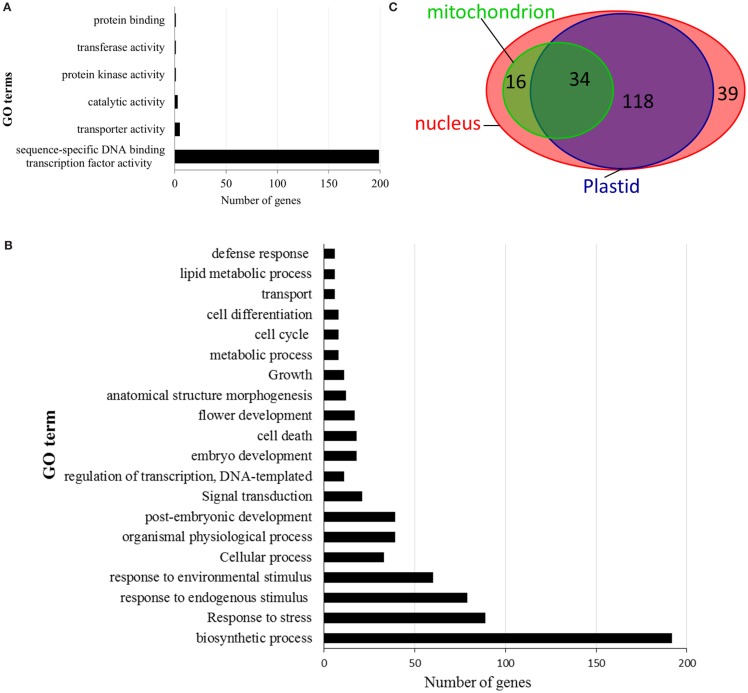
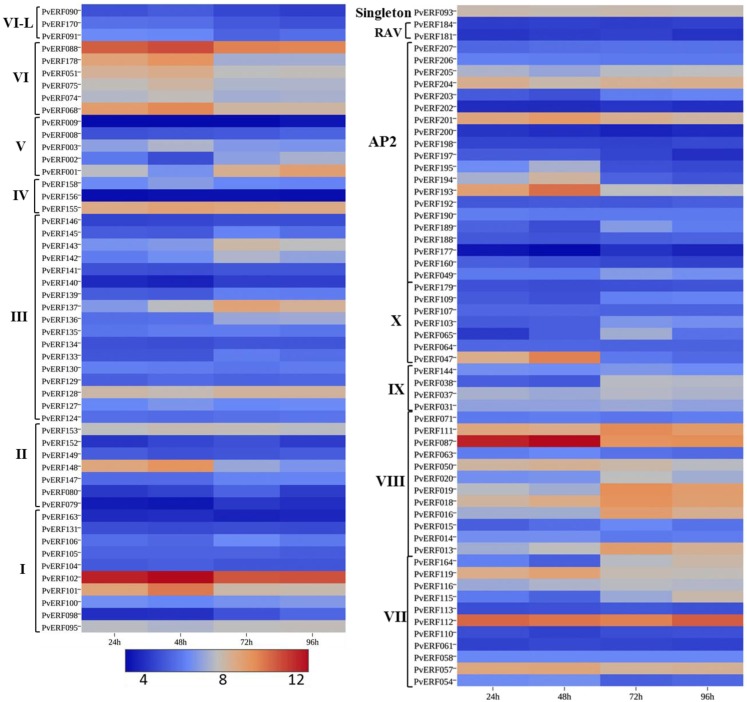
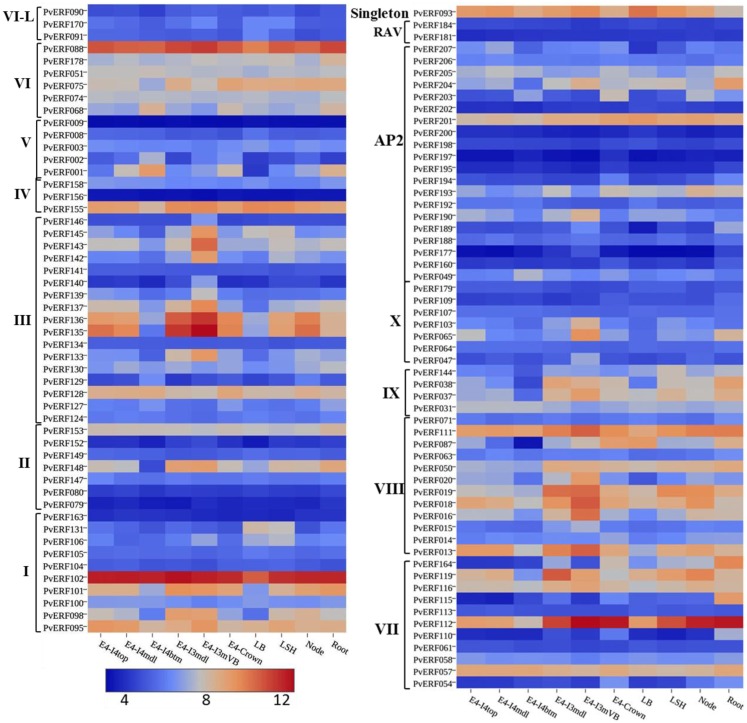
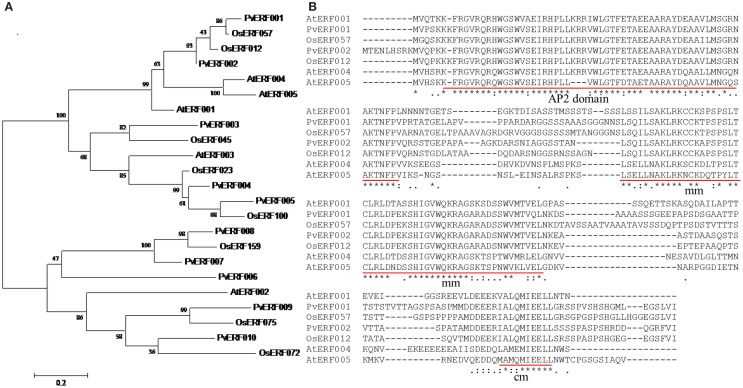
The APETALA2/ethylene response factor (AP2/ERF) superfamily of transcription factors (TFs) plays essential roles in the regulation of various growth and developmental programs including stress responses. Members of these TFs in other plant species have been implicated to play a role in the regulation of cell wall biosynthesis. Here, we identified a total of 207 AP2/ERF TF genes in the switchgrass genome and grouped into four gene families comprised of 25 AP2-, 121 ERF-, 55 DREB (dehydration responsive element binding)-, and 5 RAV (related to API3/VP) genes, as well as a singleton gene not fitting any of the above families. The ERF and DREB subfamilies comprised seven and four distinct groups, respectively. Analysis of exon/intron structures of switchgrass AP2/ERF genes showed high diversity in the distribution of introns in AP2 genes versus a single or no intron in most genes in the ERF and RAV families. The majority of the subfamilies or groups within it were characterized by the presence of one or more specific conserved protein motifs. In silico functional analysis revealed that many genes in these families might be associated with the regulation of responses to environmental stimuli via transcriptional regulation of the response genes. Moreover, these genes had diverse endogenous expression patterns in switchgrass during seed germination, vegetative growth, flower development, and seed formation. Interestingly, several members of the ERF and DREB families were found to be highly expressed in plant tissues where active lignification occurs. These results provide vital resources to select candidate genes to potentially impart tolerance to environmental stress as well as reduced recalcitrance. Overexpression of one of the ERF genes (PvERF001) in switchgrass was associated with increased biomass yield and sugar release efficiency in transgenic lines, exemplifying the potential of these TFs in the development of lignocellulosic feedstocks with improved biomass characteristics for biofuels.
AP2/乙烯响应因子(AP2/ERF)转录因子(TF)超家族在各种生长和发育程序的调节中发挥着重要作用,包括应激反应。其他植物物种中的这些 TF 成员被认为在细胞壁生物合成的调节中发挥作用。在这里,我们在柳枝稷基因组中总共鉴定了 207 个 AP2/ERF TF 基因,并将它们分为四个基因家族,包括 25 个 AP2、121 个 ERF、55 个 DREB(脱水响应元件结合)和 5 个 RAV(与 API3/VP 相关)基因,以及一个不属于上述任何家族的单体基因。ERF 和 DREB 亚家族分别由七个和四个不同的组组成。柳枝稷 AP2/ERF 基因的外显子/内含子结构分析表明,AP2 基因中外显子的分布高度多样化,而 ERF 和 RAV 家族中的大多数基因只有一个或没有内含子。大多数亚家族或其中的组都具有一个或多个特定的保守蛋白基序。计算机功能分析表明,这些家族中的许多基因可能通过对响应基因的转录调控来参与调节对环境刺激的响应。此外,在柳枝稷种子萌发、营养生长、花发育和种子形成过程中,这些基因在不同组织中表现出不同的内源性表达模式。有趣的是,在植物组织中发现 ERF 和 DREB 家族的几个成员高度表达,这些组织中木质素的形成活跃。这些结果为选择候选基因提供了重要资源,这些基因可能赋予植物对环境胁迫的耐受性以及降低木质纤维素的抗降解性。在柳枝稷中过表达一个 ERF 基因(PvERF001)与转基因系中生物量产量和糖释放效率的提高有关,这证明了这些 TF 在开发具有改善生物量特性的木质纤维素生物燃料原料方面的潜力。