Tong Ying, Zhang Yang, Huang Jiaomei, Xiao Shu, Zhang Yuehuan, Li Jun, Chen Jinhui, Yu Ziniu
Key Laboratory of Marine Bio-resource Sustainable Utilization, Laboratory of Applied Marine Biology, South China Sea Institute of Oceanology, Chinese Academy of Sciences, Guangzhou, China; South China Sea Bio-Resource Exploitation and Utilization Collaborative Innovation Center, Guangzhou, China.
Qingyuan Polytechnic, Qingyuan, China.
PLoS One. 2015 Aug 10;10(8):e0134280. doi: 10.1371/journal.pone.0134280. eCollection 2015.
The reproductive mechanisms of mollusk species have been interesting targets in biological research because of the diverse reproductive strategies observed in this phylum. These species have also been studied for the development of fishery technologies in molluscan aquaculture. Although the molecular mechanisms underlying the reproductive process have been well studied in animal models, the relevant information from mollusks remains limited, particularly in species of great commercial interest. Crassostrea hongkongensis is the dominant oyster species that is distributed along the coast of the South China Sea and little genomic information on this species is available. Currently, high-throughput sequencing techniques have been widely used for investigating the basis of physiological processes and facilitating the establishment of adequate genetic selection programs.
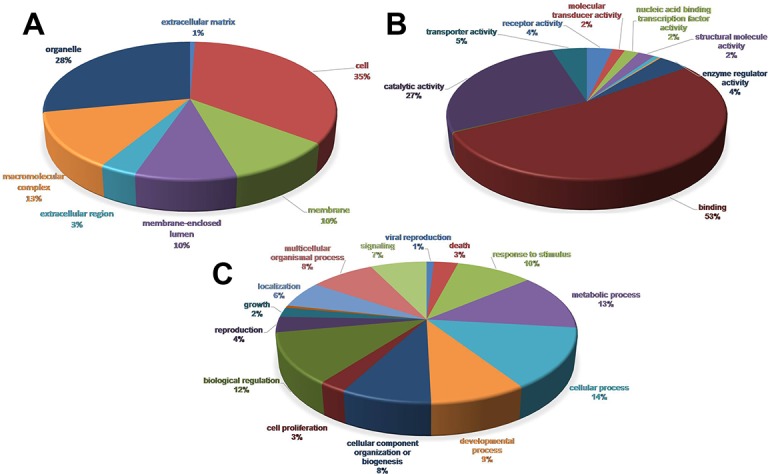
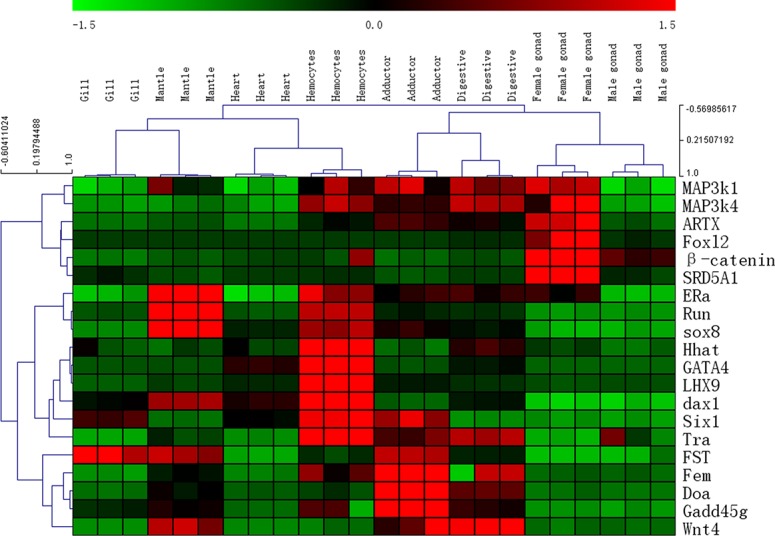
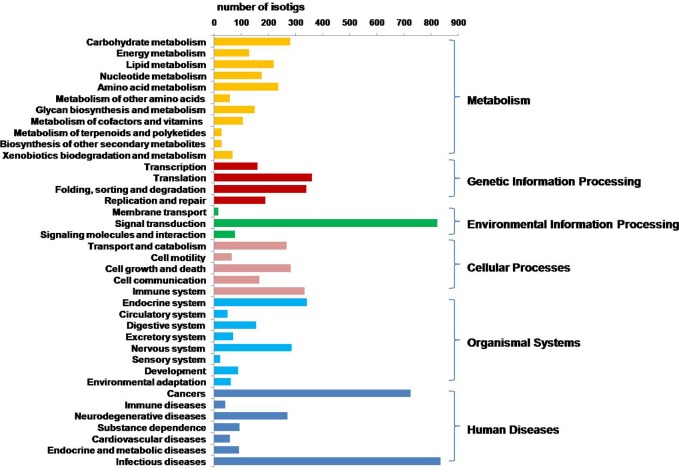
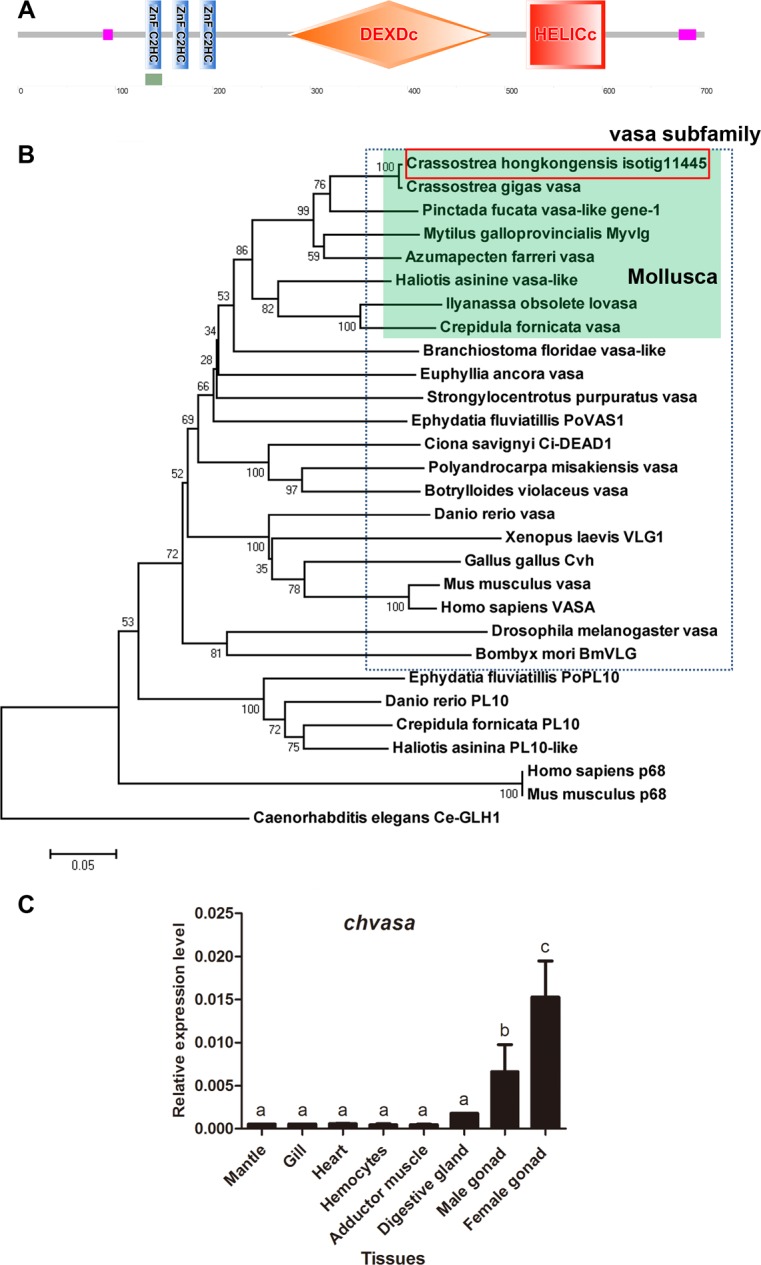
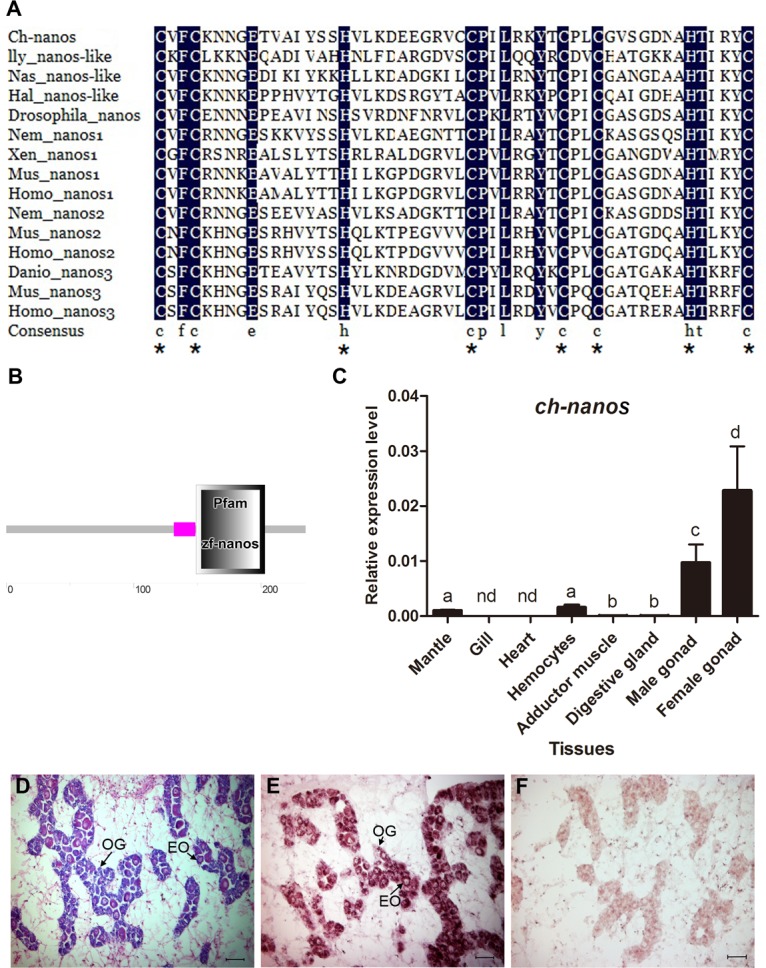
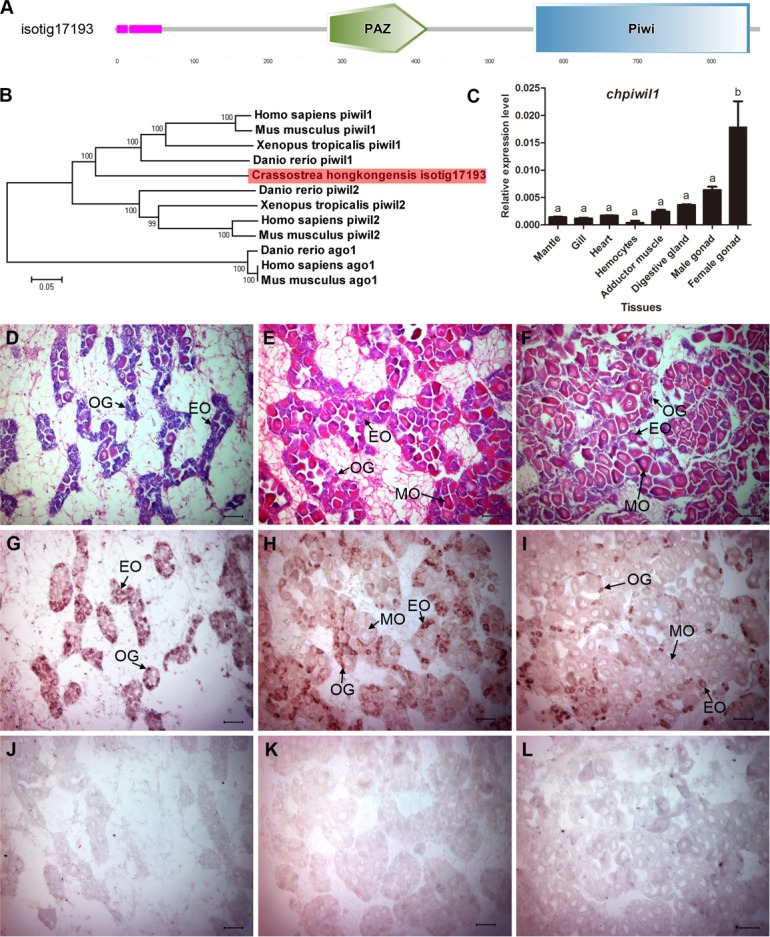
The C.hongkongensis transcriptome included a total of 1,595,855 reads, which were generated by 454 sequencing and were assembled into 41,472 contigs using de novo methods. Contigs were clustered into 33,920 isotigs and further grouped into 22,829 isogroups. Approximately 77.6% of the isogroups were successfully annotated by the Nr database. More than 1,910 genes were identified as being related to reproduction. Some key genes involved in germline development, sex determination and differentiation were identified for the first time in C.hongkongensis (nanos, piwi, ATRX, FoxL2, β-catenin, etc.). Gene expression analysis indicated that vasa, nanos, piwi, ATRX, FoxL2, β-catenin and SRD5A1 were highly or specifically expressed in C.hongkongensis gonads. Additionally, 94,056 single nucleotide polymorphisms (SNPs) and 1,699 simple sequence repeats (SSRs) were compiled.
Our study significantly increased C.hongkongensis genomic information based on transcriptomics analysis. The group of reproduction-related genes identified in the present study constitutes a new tool for research on bivalve reproduction processes. The large group of molecular markers discovered in this study will be useful for population screening and marker assisted selection programs in C.hongkongensis aquaculture.
由于在软体动物门中观察到多样的繁殖策略,软体动物物种的繁殖机制一直是生物学研究中有趣的目标。这些物种也被用于研究贝类水产养殖中的渔业技术发展。尽管在动物模型中对繁殖过程的分子机制已有充分研究,但来自软体动物的相关信息仍然有限,特别是在具有重大商业价值的物种中。香港牡蛎是分布于中国南海沿岸的优势牡蛎物种,关于该物种的基因组信息很少。目前,高通量测序技术已被广泛用于研究生理过程的基础,并促进建立适当的遗传选择计划。
香港牡蛎转录组共包含1,595,855条读段,通过454测序产生,并使用从头组装方法组装成41,472个重叠群。重叠群被聚类为33,920个同位素重叠群,并进一步分组为22,829个同组。约77.6%的同组被Nr数据库成功注释。超过1910个基因被鉴定为与繁殖相关。首次在香港牡蛎中鉴定出一些参与生殖细胞发育、性别决定和分化的关键基因(nanos、piwi、ATRX、FoxL2、β-连环蛋白等)。基因表达分析表明,vasa、nanos、piwi、ATRX、FoxL2、β-连环蛋白和SRD5A1在香港牡蛎性腺中高表达或特异性表达。此外,还整理了94,056个单核苷酸多态性(SNP)和1,699个简单序列重复(SSR)。
我们的研究基于转录组学分析显著增加了香港牡蛎的基因组信息。本研究中鉴定出的与繁殖相关的基因群构成了研究双壳类繁殖过程的新工具。本研究中发现的大量分子标记将有助于香港牡蛎水产养殖中的群体筛选和标记辅助选择计划。