Prüss H, Leubner J, Wenke N K, Czirják G Á, Szentiks C A, Greenwood A D
German Center for Neurodegenerative Diseases (DZNE) Berlin, Germany.
Department of Neurology, Charité - Universitätsmedizin Berlin, Berlin, Germany.
Sci Rep. 2015 Aug 27;5:12805. doi: 10.1038/srep12805.
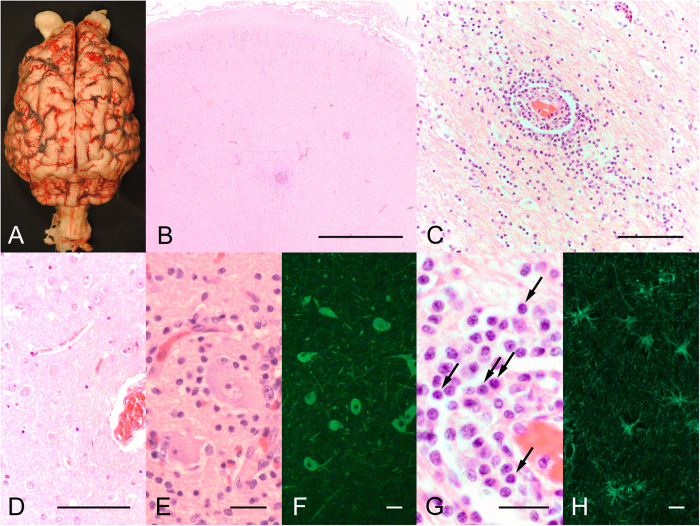
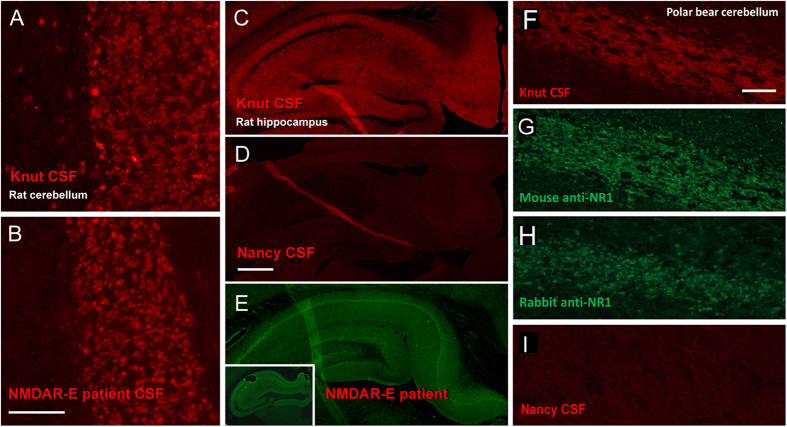
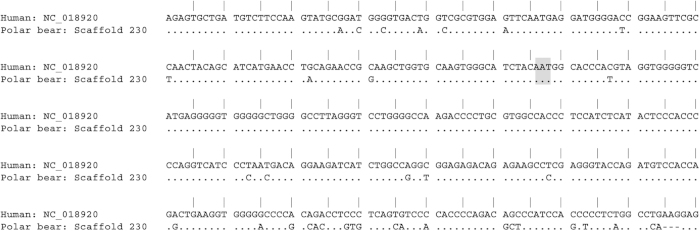
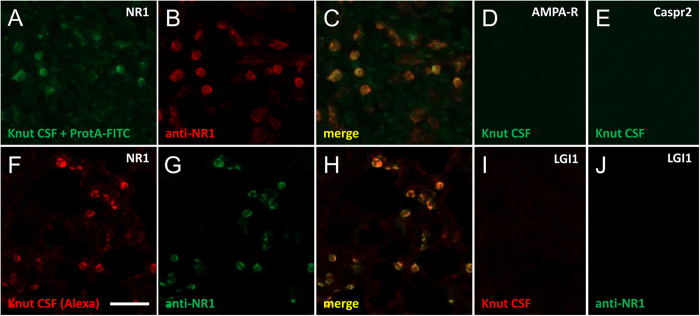
Knut the polar bear of the Berlin Zoological Garden drowned in 2011 following seizures and was diagnosed as having suffered encephalitis of unknown etiology after exhaustive pathogen screening. Using the diagnostic criteria applied to human patients, we demonstrate that Knut's encephalitis is almost identical to anti-NMDA receptor encephalitis which is a severe autoimmune disease representing the most common non-infectious encephalitis in humans. High concentrations of antibodies specific against the NR1 subunit of the NMDA receptor were detected in Knut's cerebrospinal fluid. Histological examination demonstrated very similar patterns of plasma cell infiltration and minimal neuronal loss in affected brain areas. We conclude that Knut suffered anti-NMDA receptor encephalitis making his the first reported non-human case of this treatable disease. The results suggest that anti-NMDA receptor encephalitis may be a disease of broad relevance to mammals that until now has remained undiagnosed.
柏林动物园的北极熊克努特在2011年癫痫发作后溺水身亡,经过详尽的病原体筛查,被诊断为患有病因不明的脑炎。运用适用于人类患者的诊断标准,我们证明克努特的脑炎与抗N-甲基-D-天冬氨酸(NMDA)受体脑炎几乎完全相同,后者是一种严重的自身免疫性疾病,是人类最常见的非感染性脑炎。在克努特的脑脊液中检测到了高浓度的针对NMDA受体NR1亚基的特异性抗体。组织学检查显示,在受影响的脑区,浆细胞浸润模式非常相似,神经元损失极少。我们得出结论,克努特患有抗NMDA受体脑炎,这使其成为该可治疗疾病首例有报道的非人类病例。研究结果表明,抗NMDA受体脑炎可能是一种与哺乳动物广泛相关的疾病,迄今为止一直未被诊断出来。