Kaptein Ad A, Schoones Jan W, Fischer Maarten J, Thong Melissa S Y, Kroep Judith R, van der Hoeven Koos J M
Medical Psychology, Leiden University Medical Center (LUMC), PO Box 9600, 2300 RC Leiden, The Netherlands.
Walaeus Library, LUMC, PO Box 9600, 2300 RC Leiden, The Netherlands.
Curr Breast Cancer Rep. 2015;7(3):117-126. doi: 10.1007/s12609-015-0187-y.
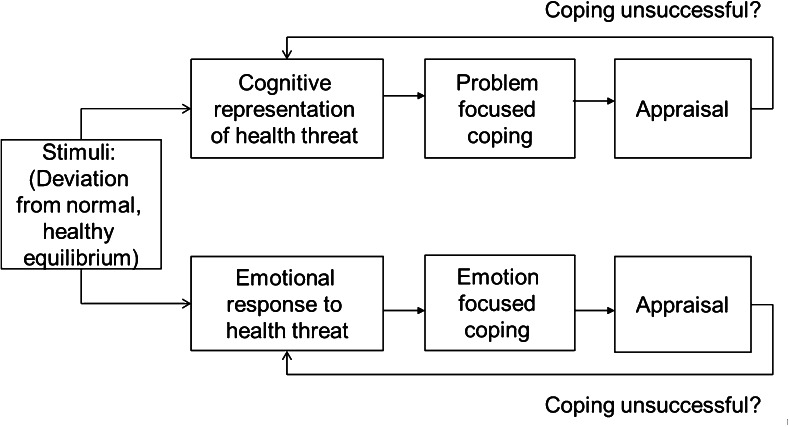
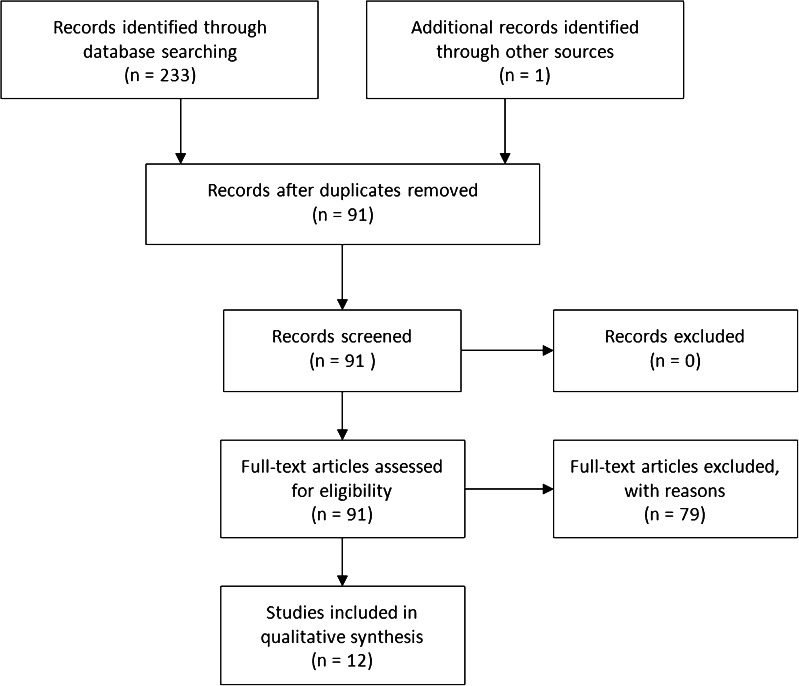
Women with breast cancer respond to the illness and its medical management in their own personal way. Their coping behavior and self-management are determined by their views (cognitions) and feelings (emotions) about symptoms and illness: their illness perceptions. This paper reports the results of a systematic literature review of illness perceptions and breast cancer. In the 12 studies identified, published between 2012 and 2015, illness perceptions were found to be important concomitants of medical and behavioral outcomes: fear of recurrence, distress, quality of life, satisfaction with medical care, use of traditional healers, and risk perception. Intervention studies are called for where the effects are examined of replacing unhelpful illness perceptions by more constructive ones. Health care providers do well by incorporating illness perceptions in their care for women with breast cancer, as this is instrumental in improving patients' quality of life.
患有乳腺癌的女性会以自己独特的方式应对疾病及其医疗处理。她们的应对行为和自我管理取决于她们对症状和疾病的看法(认知)和感受(情绪):即她们的疾病认知。本文报告了一项关于疾病认知与乳腺癌的系统文献综述结果。在2012年至2015年间发表的12项已确定研究中,发现疾病认知是医疗和行为结果的重要伴随因素:对复发的恐惧、痛苦、生活质量、对医疗护理的满意度、对传统治疗师的使用以及风险认知。需要开展干预研究,以检验用更具建设性的疾病认知取代无益的疾病认知所产生的效果。医疗服务提供者若能将疾病认知纳入对乳腺癌女性的护理中,将会做得很好,因为这有助于提高患者的生活质量。