Su Xiaomin, Chu Yaping, Kordower Jeffrey H, Li Bin, Cao Hong, Huang Liang, Nishida Maki, Song Lei, Wang Difei, Federoff Howard J
Department of Neuroscience, Georgetown University Medical Center, Washington DC, United States of America.
Department of Neurological Science, Rush University Medical Center, Chicago, Illinois, United States of America.
PLoS One. 2015 Aug 28;10(8):e0134087. doi: 10.1371/journal.pone.0134087. eCollection 2015.
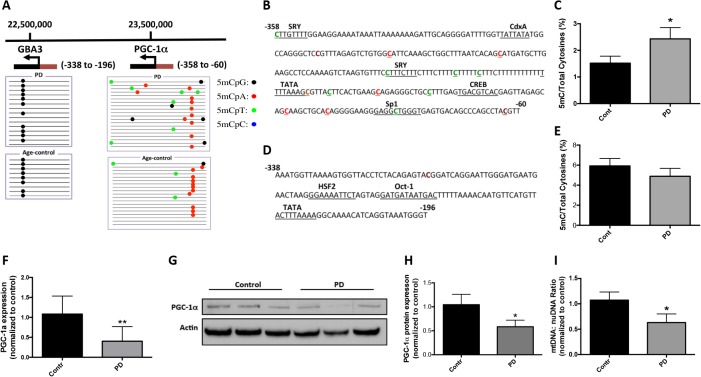
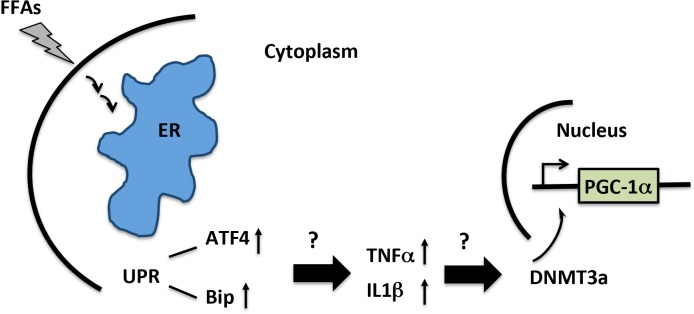
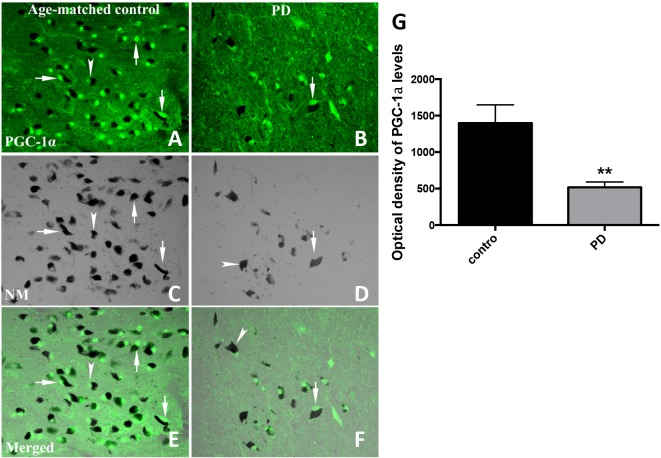
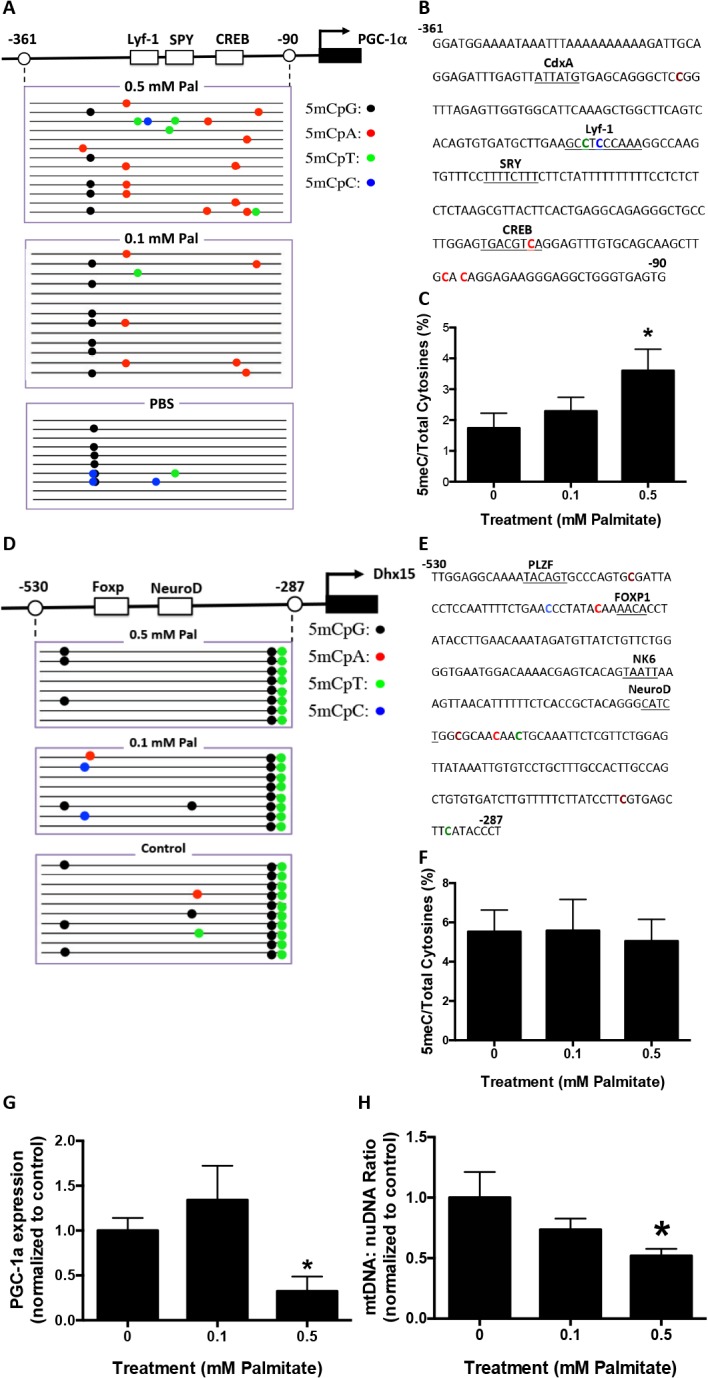
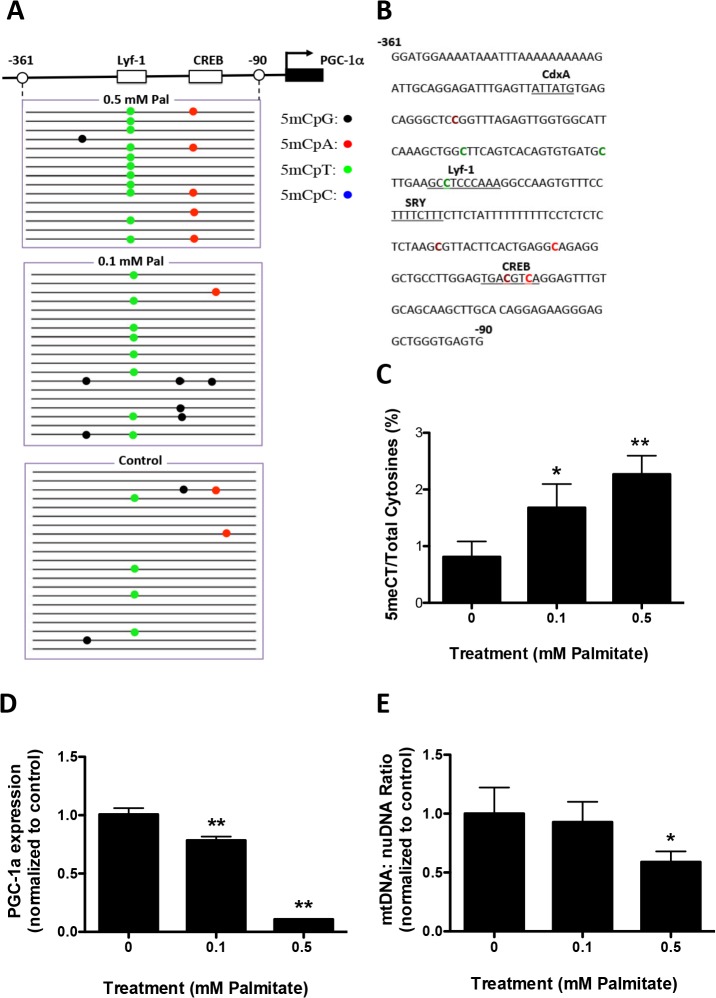
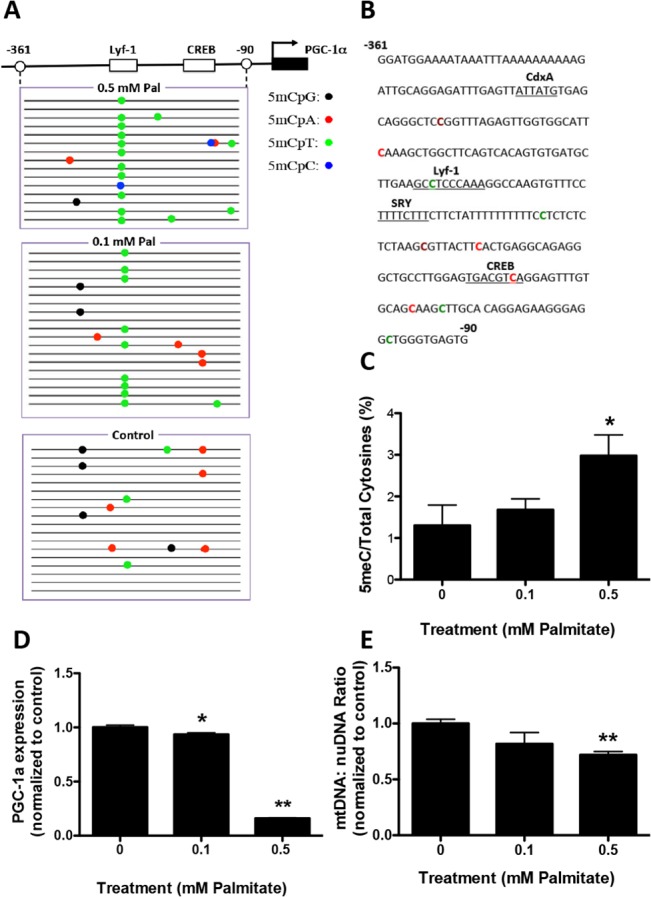
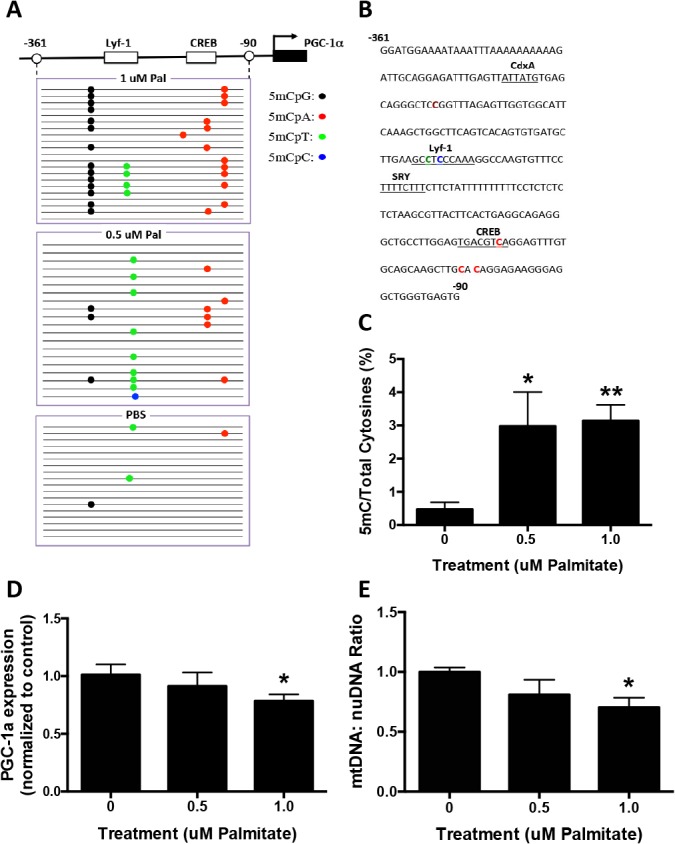
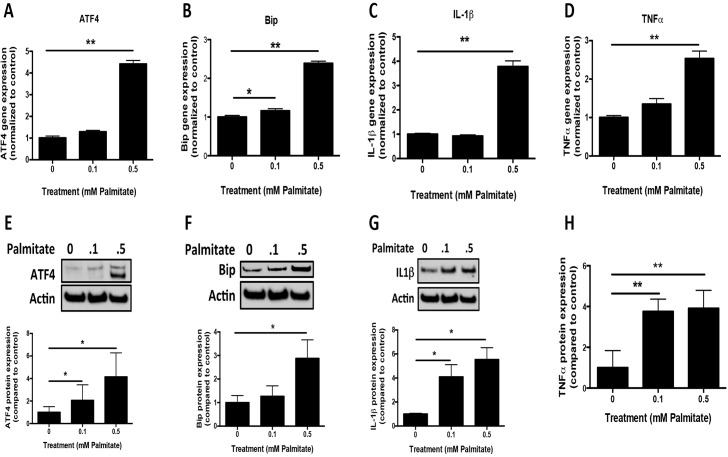
The etiopathogenesis of sporadic Parkinson's disease (PD) remains elusive although mitochondrial dysfunction has long been implicated. Recent evidence revealed reduced expression of peroxisome proliferator-activated receptor gamma coactivator-1 α (PGC-1α) and downstream regulated nuclear encoded respiratory complex genes in affected brain tissue from PD patients. We sought to determine whether epigenetic modification of the PGC-1α gene could account for diminished expression. In substantia nigra from PD patients but not control subjects, we show significant promoter-proximal non-canonical cytosine methylation of the PGC-1α gene but not an adjacent gene. As neuroinflammation is a prominent feature of PD and a mediator of epigenetic change, we evaluated whether the pro-inflammatory fatty acid, palmitate, would stimulate PGC-1α promoter methylation in different cell types from the CNS. Indeed, in mouse primary cortical neurons, microglia and astrocytes, palmitate causes PGC-1α gene promoter non-canonical cytosine methylation, reduced expression of the gene and reduced mitochondrial content. Moreover, intracerebroventricular (ICV) injection of palmitate to transgenic human α-synuclein mutant mice resulted in increased PGC-1α promoter methylation, decreased PGC-1α expression and reduced mitochondrial content in substantia nigra. Finally we provide evidence that dysregulation of ER stress and inflammatory signaling is associated with PGC-1α promoter methylation. Together, these data strengthen the connection between saturated fatty acids, neuroflammation, ER stress, epigenetic alteration and bioenergetic compromise in PD.
尽管线粒体功能障碍长期以来一直被认为与散发性帕金森病(PD)的发病机制有关,但其确切病因仍不清楚。最近的证据显示,帕金森病患者受影响脑组织中过氧化物酶体增殖物激活受体γ共激活因子-1α(PGC-1α)及其下游调控的核编码呼吸复合体基因的表达降低。我们试图确定PGC-1α基因的表观遗传修饰是否可以解释其表达减少的原因。在帕金森病患者的黑质中,而非对照组中,我们发现PGC-1α基因启动子近端存在显著的非典型胞嘧啶甲基化,而相邻基因则没有。由于神经炎症是帕金森病的一个显著特征,也是表观遗传变化的介质,我们评估了促炎脂肪酸棕榈酸酯是否会刺激中枢神经系统不同细胞类型中PGC-1α启动子的甲基化。事实上,在小鼠原代皮质神经元、小胶质细胞和星形胶质细胞中,棕榈酸酯会导致PGC-1α基因启动子非典型胞嘧啶甲基化、该基因表达降低以及线粒体含量减少。此外,向转基因人α-突触核蛋白突变小鼠脑室内注射棕榈酸酯会导致黑质中PGC-1α启动子甲基化增加、PGC-1α表达降低以及线粒体含量减少。最后,我们提供证据表明内质网应激和炎症信号失调与PGC-1α启动子甲基化有关。总之,这些数据加强了饱和脂肪酸、神经炎症、内质网应激、表观遗传改变和帕金森病生物能量代谢受损之间的联系。