Tsang Kelly M C, Annabi Nasim, Ercole Francesca, Zhou Kun, Karst Daniel, Li Fanyi, Haynes John M, Evans Richard A, Thissen Helmut, Khademhosseini Ali, Forsythe John S
Department of Materials Engineering, Wellington Road, Monash University, Clayton, VIC 3800, Australia. CSIRO Manufacturing Flagship, Bayview Avenue, Clayton, VIC 3168, Australia. CRC for Polymers, 8 Redwood Drive, Notting Hill, VIC 3168, Australia.
Biomaterials Innovation Research Center, Division of Biomedical Engineering, Department of Medicine, Brigham and Women's Hospital, Harvard Medical School, 02139, MA, USA. Harvard-Massachusetts Institute of Technology Division of Health Sciences and Technology, Massachusetts Institute of Technology, Cambridge 02139, MA, USA. Wyss Institute for Biologically Inspired Engineering, Harvard University, 02115, MA, USA.
Adv Funct Mater. 2015 Feb 11;25(6):977-986. doi: 10.1002/adfm.201403124.
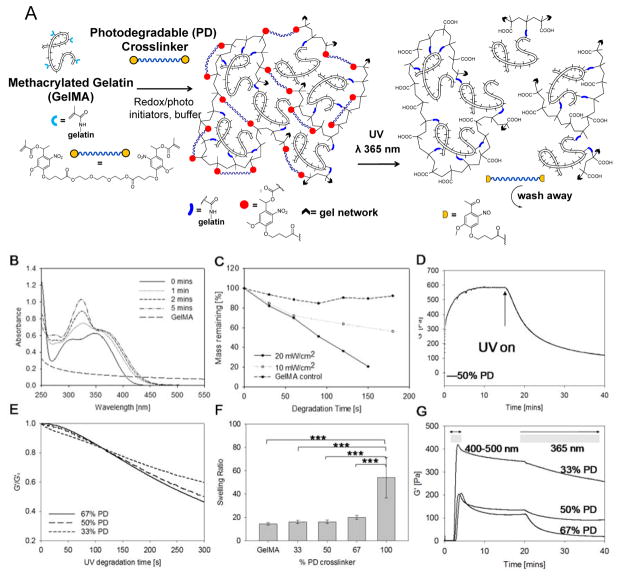
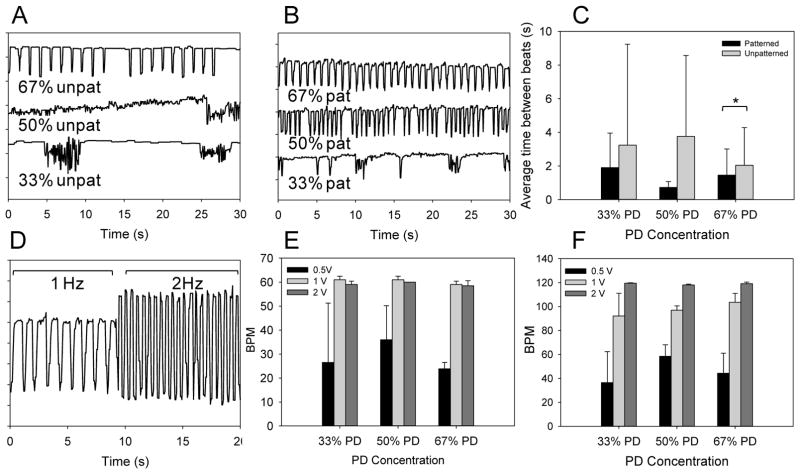
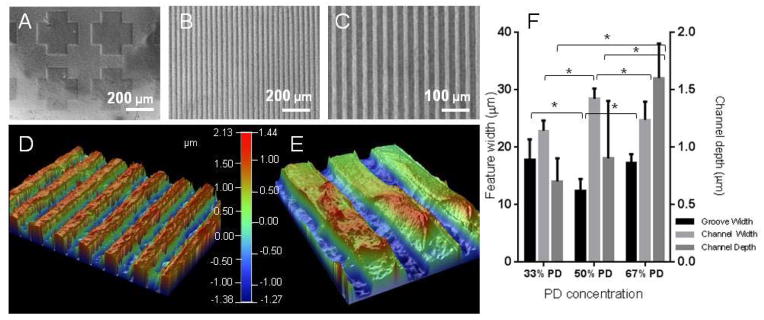
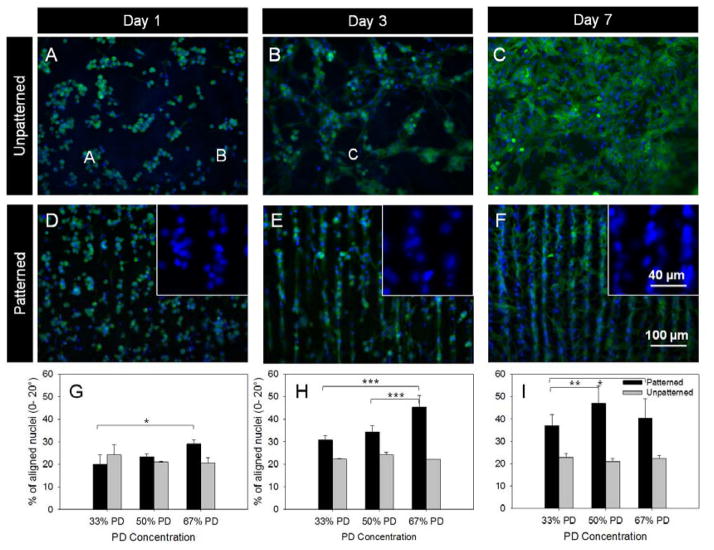
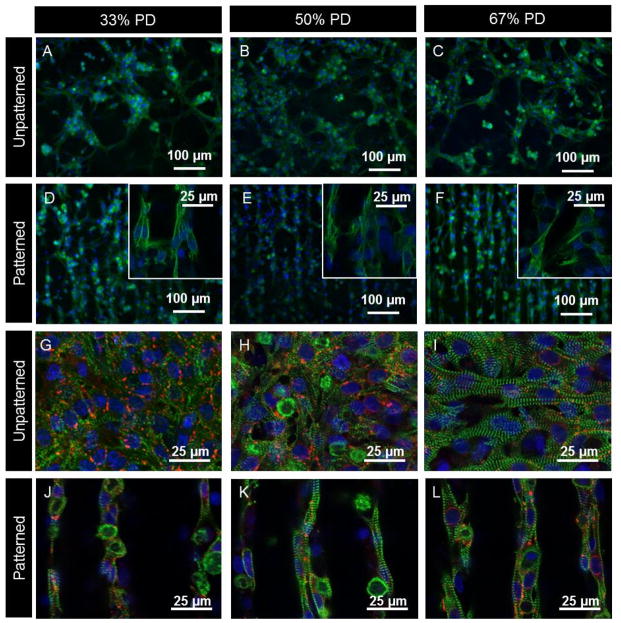
Hydrogels are often employed as temporary platforms for cell proliferation and tissue organization . Researchers have incorporated photodegradable moieties into synthetic polymeric hydrogels as a means of achieving spatiotemporal control over material properties. In this study protein-based photodegradable hydrogels composed of methacrylated gelatin (GelMA) and a crosslinker containing -nitrobenzyl ester groups have been developed. The hydrogels are able to degrade rapidly and specifically in response to UV light and can be photopatterned to a variety of shapes and dimensions in a one-step process. Micropatterned photodegradable hydrogels are shown to improve cell distribution, alignment and beating regularity of cultured neonatal rat cardiomyocytes. Overall this work introduces a new class of photodegradable hydrogel based on natural and biofunctional polymers as cell culture substrates for improving cellular organization and function.
水凝胶常被用作细胞增殖和组织构建的临时平台。研究人员已将光可降解部分引入合成聚合物水凝胶中,作为实现对材料特性进行时空控制的一种手段。在本研究中,已开发出由甲基丙烯酸化明胶(GelMA)和含硝基苄酯基团的交联剂组成的基于蛋白质的光可降解水凝胶。这些水凝胶能够响应紫外线快速且特异性地降解,并且可以通过一步法光图案化为各种形状和尺寸。微图案化的光可降解水凝胶显示出可改善培养的新生大鼠心肌细胞的细胞分布、排列和搏动规律性。总体而言,这项工作引入了一类基于天然和生物功能聚合物的新型光可降解水凝胶作为细胞培养底物,以改善细胞组织和功能。