Morandi Fabio, Morandi Barbara, Horenstein Alberto L, Chillemi Antonella, Quarona Valeria, Zaccarello Gianluca, Carrega Paolo, Ferlazzo Guido, Mingari Maria Cristina, Moretta Lorenzo, Pistoia Vito, Malavasi Fabio
Laboratory of Oncology, Istituto Giannina Gaslini, Genoa, Italy.
Department of Experimental Medicine, University of Genoa, Genoa, Italy.
Oncotarget. 2015 Sep 22;6(28):25602-18. doi: 10.18632/oncotarget.4693.
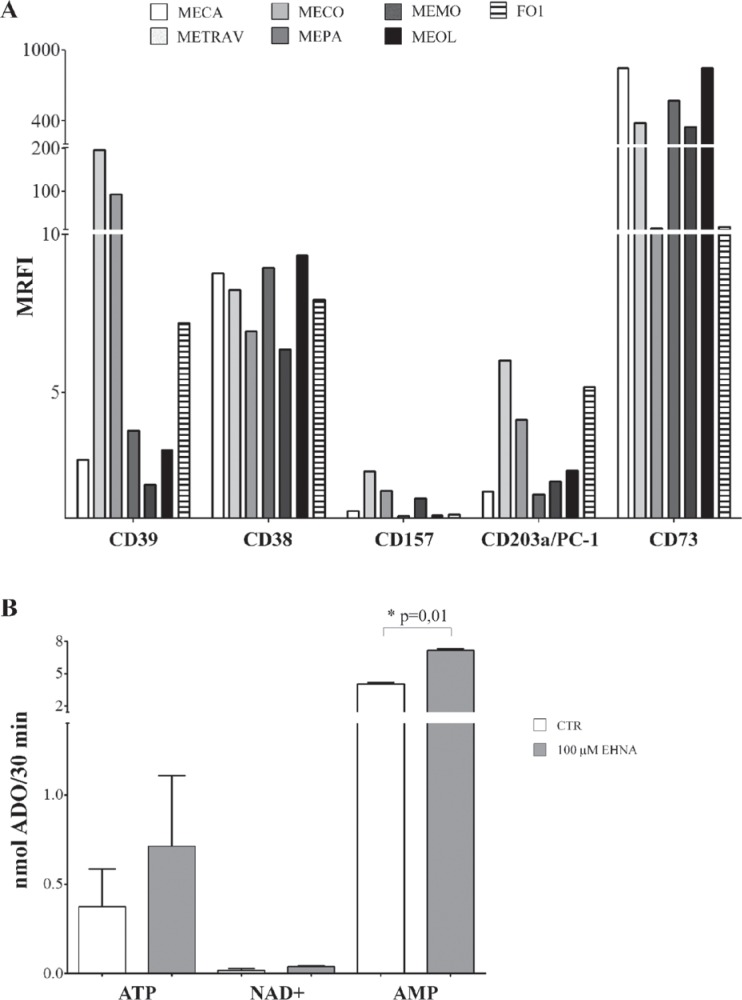
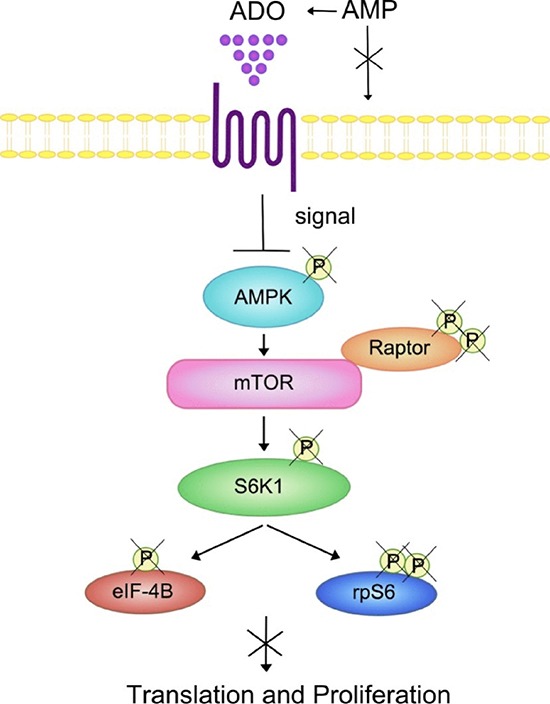
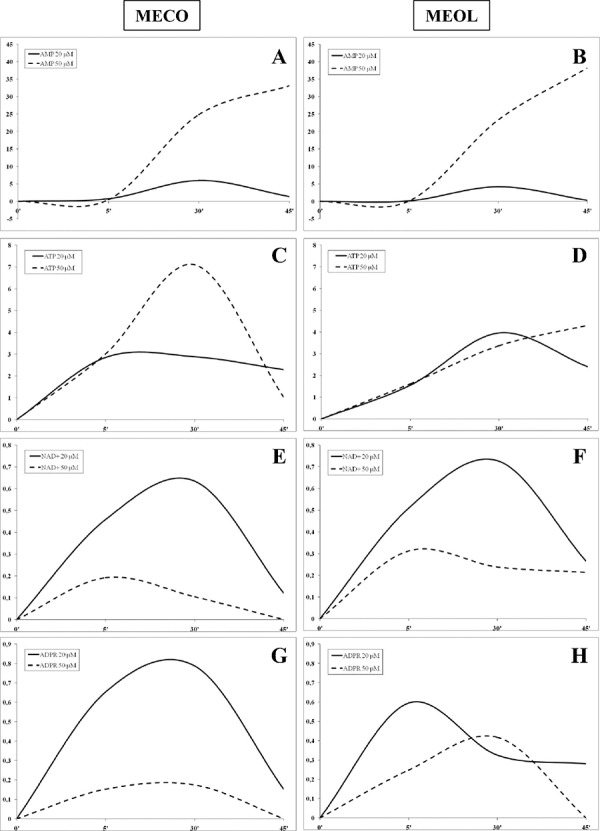
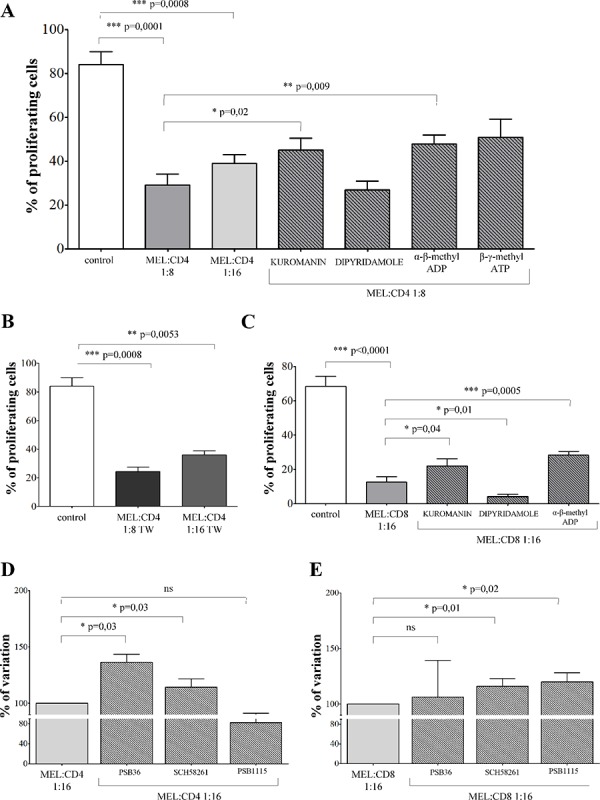
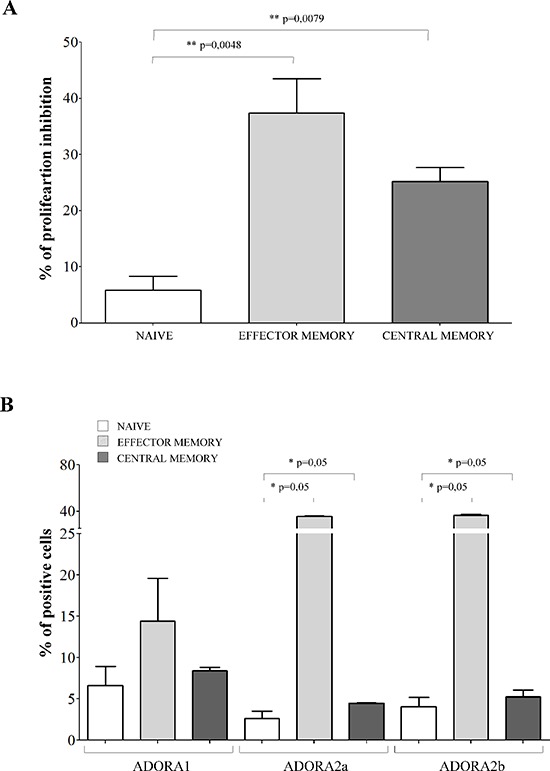
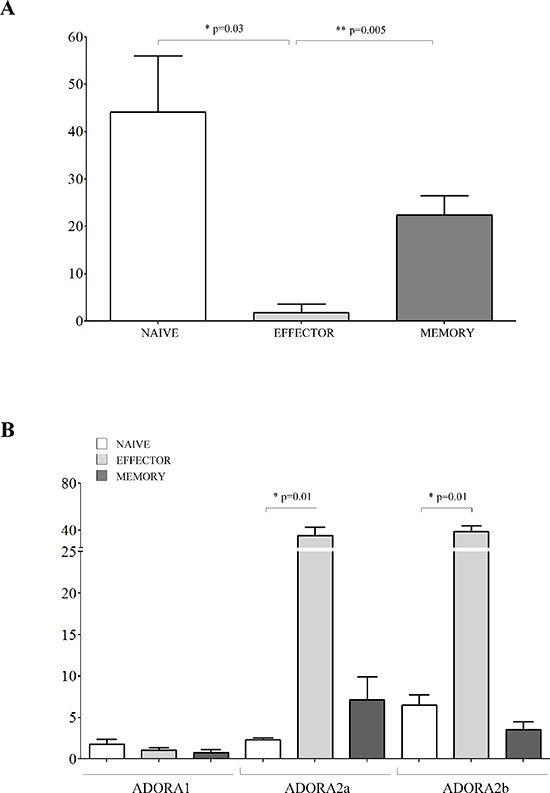
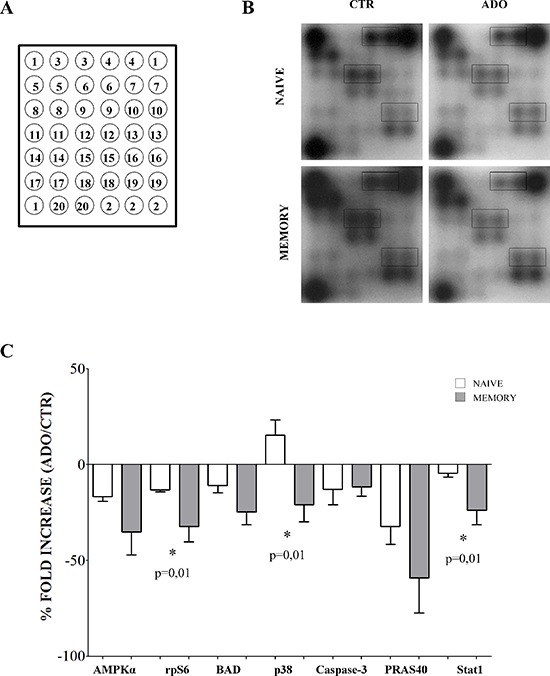
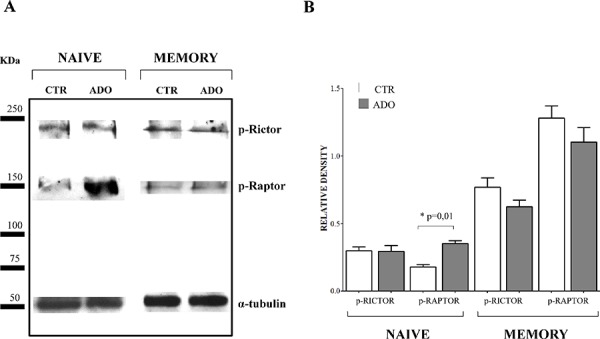
Nucleotide-metabolizing ectoenzymes are endowed with an extracellular catalytic domain, which is involved in regulating the extracellular nucleotide/nucleoside balance. The tumor microenvironment contains high levels of adenosine (ADO) generated by this enzymatic network, thus promoting tumor growth by inhibiting anti-tumor immune responses. ADO inhibition in melanoma murine models limits tumor metastases and restores anti-tumor immune responses. This work investigates the expression and function of ectoenzymes in primary human melanoma cell lines. All of latter cells expressed CD38, CD39, CD73, and CD203a/PC-1, and produced ADO from AMP and NAD(+ )T cell proliferation. Accordingly, phosphorylation of S6 ribosomal protein, p38 and Stat1 was lower in activated memory cells than in naïve CD4(+) T lymphocytes. Melanoma cells also inhibited proliferation of naïve, memory and -to a lesser extent- of effector CD8(+) T cells. These different inhibitory effects correlated with distinct patterns of expression of the ADO receptor A2a and A2b. These results show that primary human melanoma cell lines suppress in vitro T cell proliferation through an adenosinergic pathway in which CD38 and CD73 play a prominent role.
核苷酸代谢外切酶具有一个细胞外催化结构域,该结构域参与调节细胞外核苷酸/核苷平衡。肿瘤微环境中含有由该酶网络产生的高水平腺苷(ADO),从而通过抑制抗肿瘤免疫反应促进肿瘤生长。在黑色素瘤小鼠模型中抑制ADO可限制肿瘤转移并恢复抗肿瘤免疫反应。这项工作研究了外切酶在原发性人黑色素瘤细胞系中的表达和功能。所有这些细胞均表达CD38、CD39、CD73和CD203a/PC-1,并从AMP和NAD(+)产生ADO以抑制T细胞增殖。相应地,活化记忆细胞中S6核糖体蛋白、p38和Stat1的磷酸化水平低于初始CD4(+)T淋巴细胞。黑色素瘤细胞还抑制初始、记忆以及在较小程度上抑制效应CD8(+)T细胞的增殖。这些不同的抑制作用与ADO受体A2a和A2b的不同表达模式相关。这些结果表明,原发性人黑色素瘤细胞系通过一种以CD38和CD73起主要作用的腺苷能途径在体外抑制T细胞增殖。