Revach Or-Yam, Cicerchia Angelina M, Shorer Ofir, Petrova Boryana, Anderson Seth, Park Joshua, Chen Lee, Mehta Arnav, Wright Samuel J, McNamee Niamh, Tal-Mason Aya, Cattaneo Giulia, Tiwari Payal, Xie Hongyan, Sweere Johanna M, Cheng Li-Chun, Sigal Natalia, Enrico Elizabeth, Miljkovic Marisa, Evans Shane A, Nguyen Ngan, Whidden Mark E, Srinivasan Ramji, Spitzer Matthew H, Sun Yi, Sharova Tatyana, Lawless Aleigha R, Michaud William A, Rasmussen Martin Q, Fang Jacy, Palin Claire A, Chen Feng, Wang Xinhui, Ferrone Cristina R, Lawrence Donald P, Sullivan Ryan J, Liu David, Sachdeva Uma M, Sen Debattama R, Flaherty Keith T, Manguso Robert T, Bod Lloyd, Kellis Manolis, Boland Genevieve M, Yizhak Keren, Yang Jiekun, Kanarek Naama, Sade-Feldman Moshe, Hacohen Nir, Jenkins Russell W
Mass General Cancer Center, Krantz Family Center for Cancer Research, Department of Medicine, Massachusetts General Hospital, Boston, MA, USA.
Harvard Medical School, Boston, MA, USA.
bioRxiv. 2024 Mar 26:2024.02.12.579184. doi: 10.1101/2024.02.12.579184.
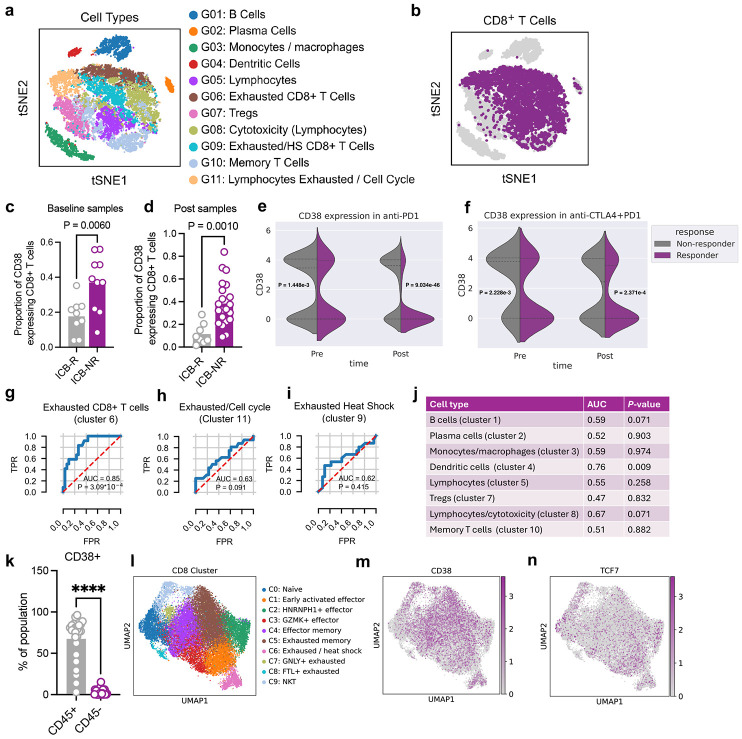
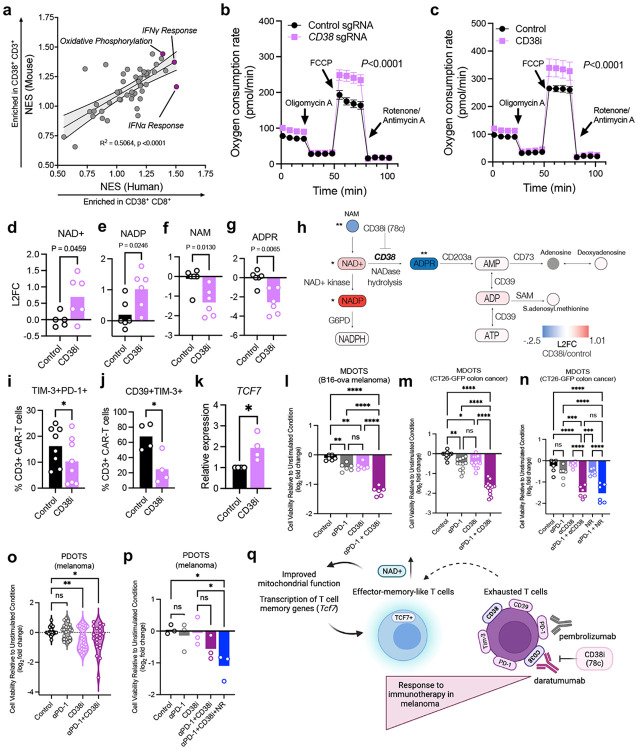
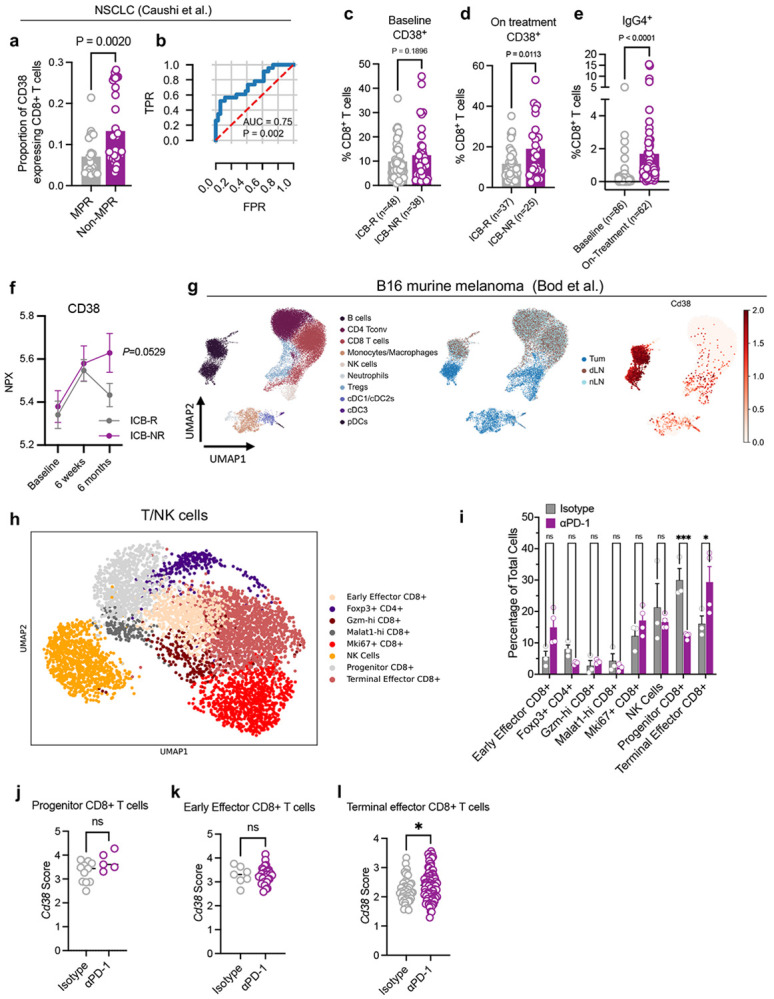
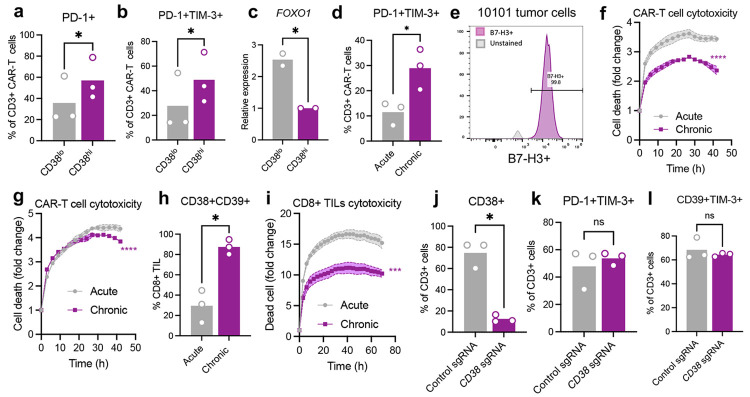
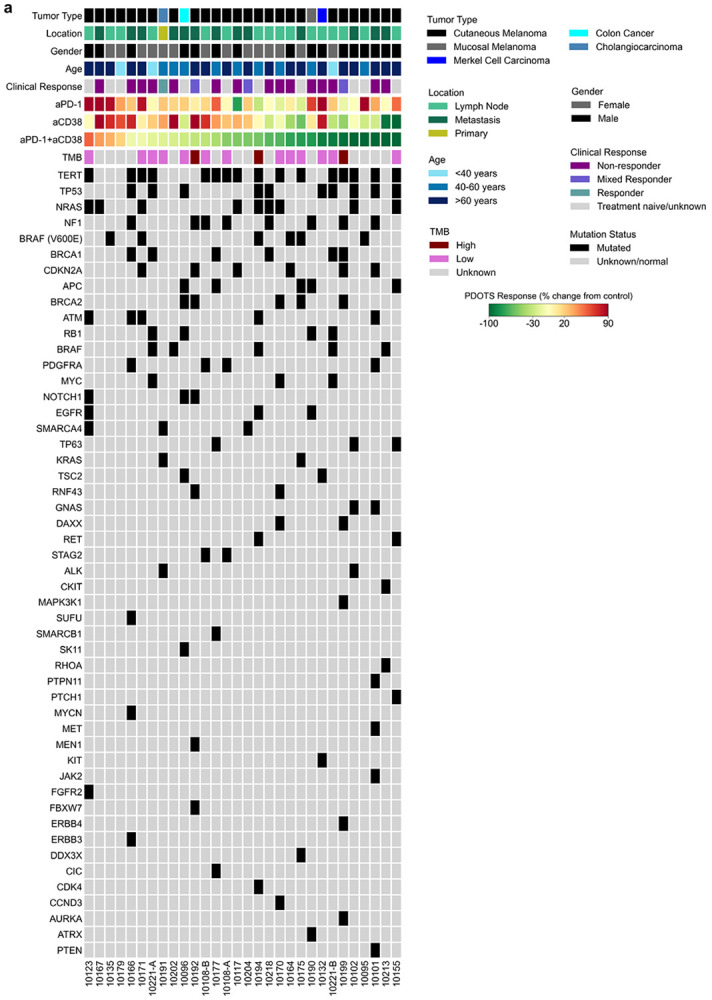
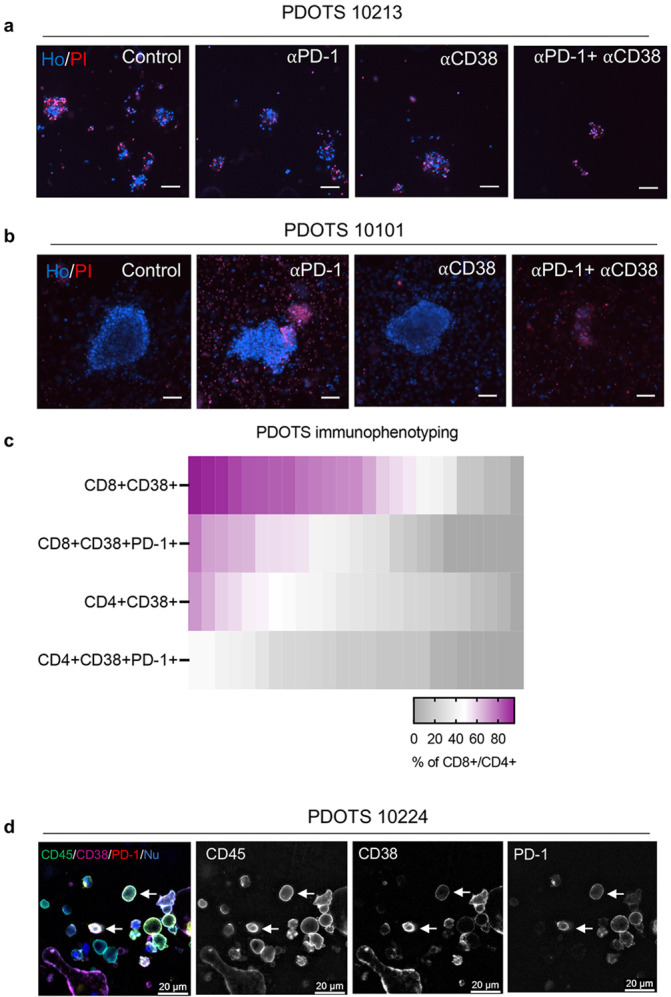
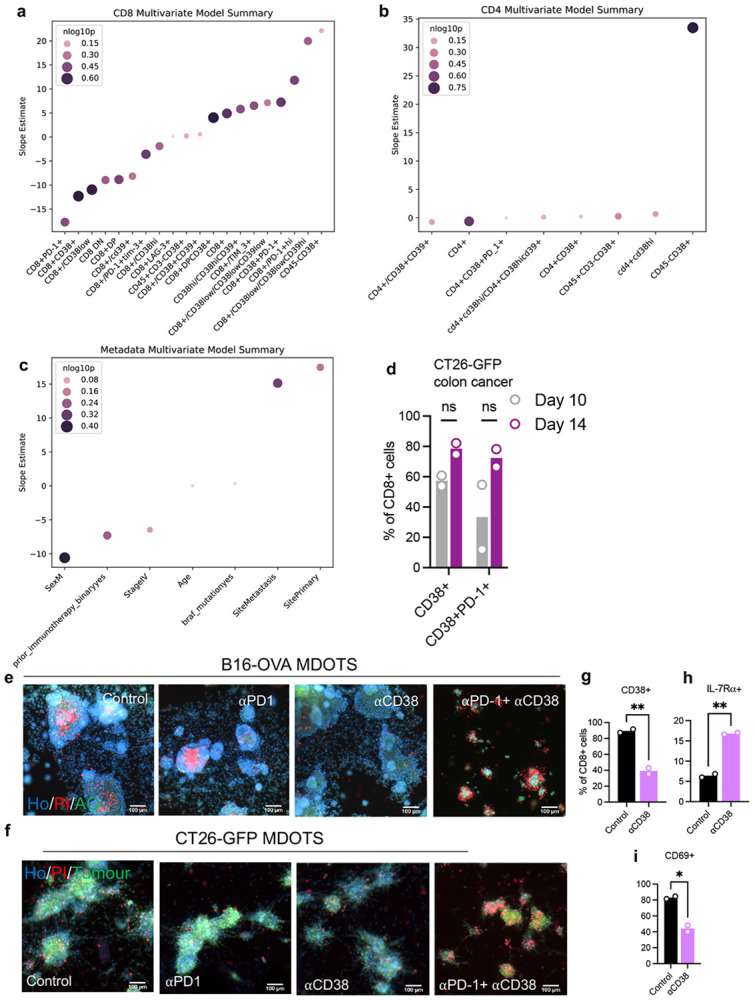
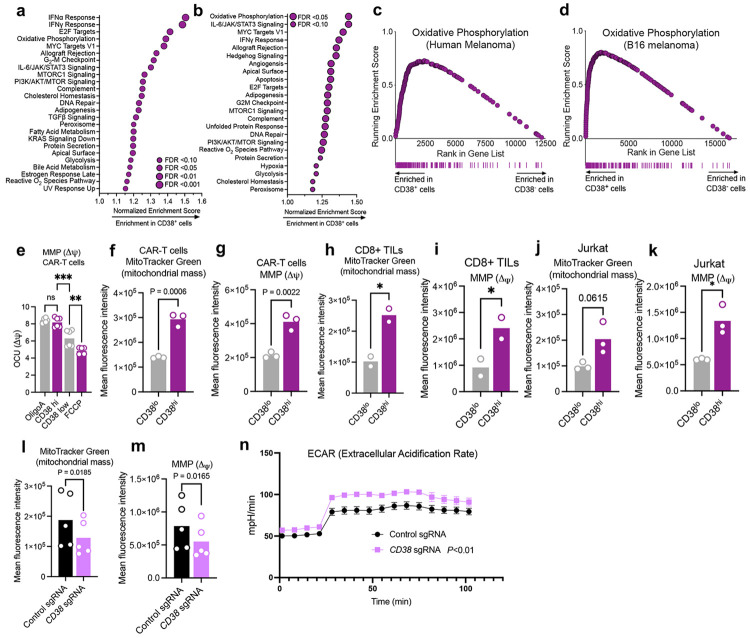
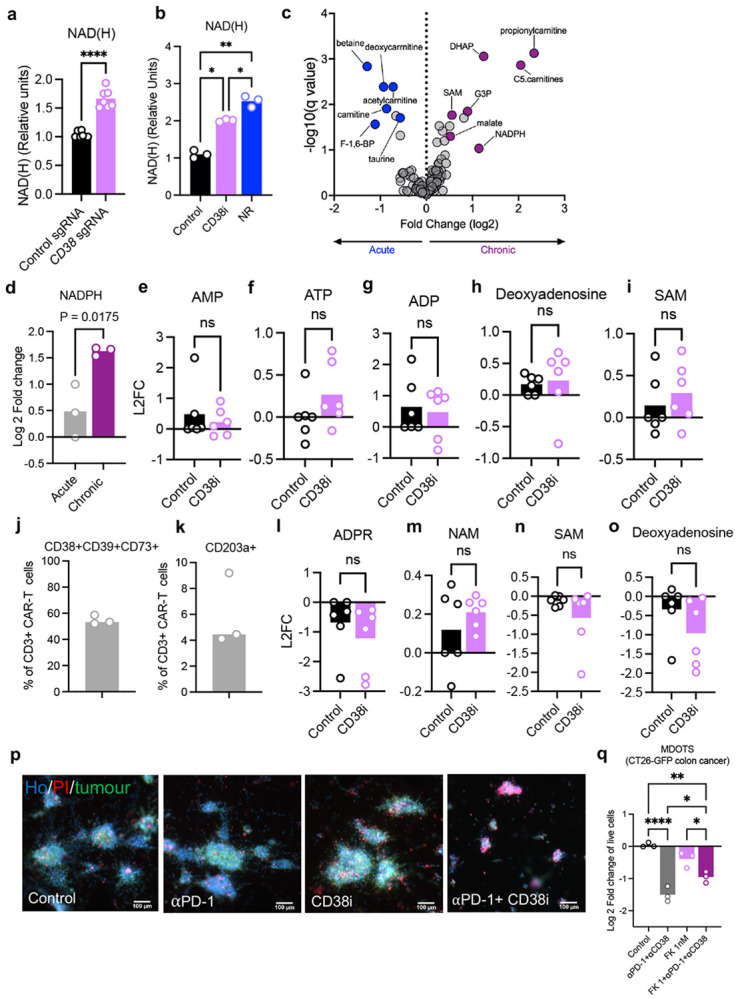
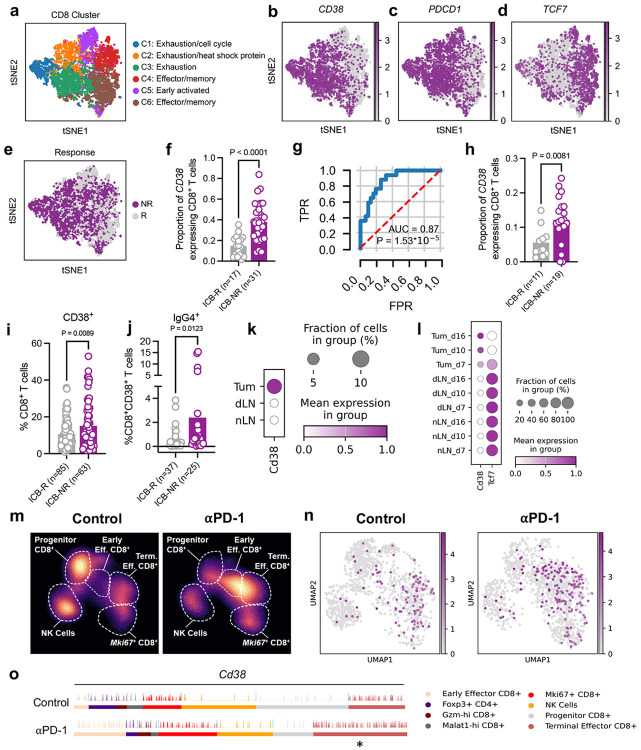
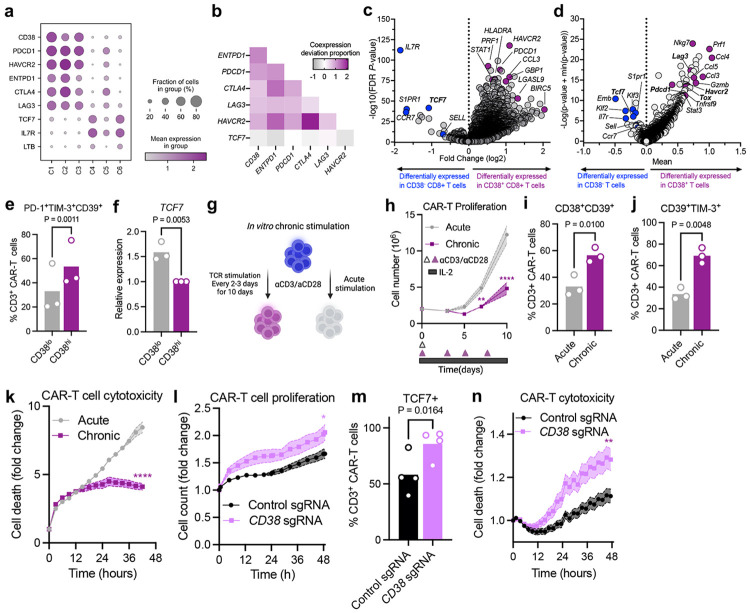
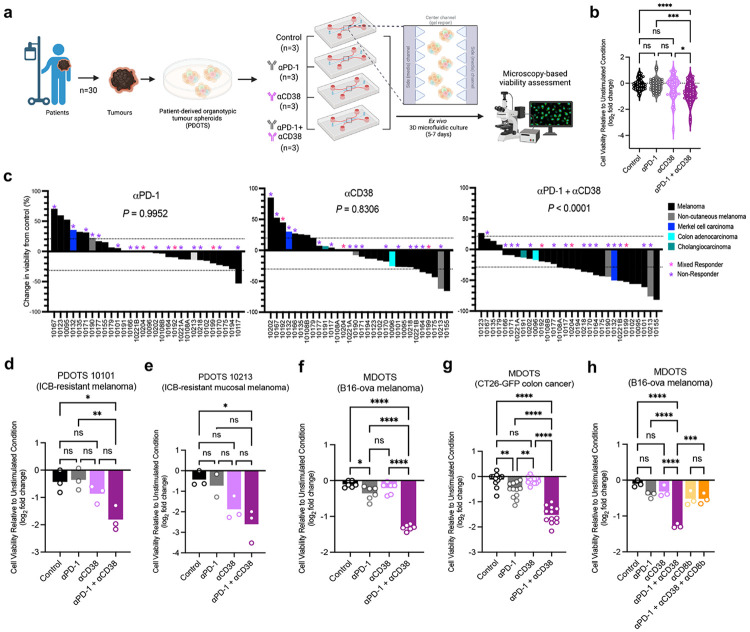
A central problem in cancer immunotherapy with immune checkpoint blockade (ICB) is the development of resistance, which affects 50% of patients with metastatic melanoma. T cell exhaustion, resulting from chronic antigen exposure in the tumour microenvironment, is a major driver of ICB resistance. Here, we show that CD38, an ecto-enzyme involved in nicotinamide adenine dinucleotide (NAD) catabolism, is highly expressed in exhausted CD8 T cells in melanoma and is associated with ICB resistance. Tumour-derived CD38CD8 T cells are dysfunctional, characterised by impaired proliferative capacity, effector function, and dysregulated mitochondrial bioenergetics. Genetic and pharmacological blockade of CD38 in murine and patient-derived organotypic tumour models (MDOTS/PDOTS) enhanced tumour immunity and overcame ICB resistance. Mechanistically, disrupting CD38 activity in T cells restored cellular NAD pools, improved mitochondrial function, increased proliferation, augmented effector function, and restored ICB sensitivity. Taken together, these data demonstrate a role for the CD38-NAD axis in promoting T cell exhaustion and ICB resistance, and establish the efficacy of CD38 directed therapeutic strategies to overcome ICB resistance using clinically relevant, patient-derived 3D tumour models.
免疫检查点阻断(ICB)癌症免疫疗法的一个核心问题是耐药性的产生,这影响了50%的转移性黑色素瘤患者。肿瘤微环境中慢性抗原暴露导致的T细胞耗竭是ICB耐药性的主要驱动因素。在这里,我们表明,参与烟酰胺腺嘌呤二核苷酸(NAD)分解代谢的胞外酶CD38在黑色素瘤耗竭的CD8 T细胞中高度表达,并与ICB耐药性相关。肿瘤来源的CD38⁺ CD8 T细胞功能失调,其特征是增殖能力受损、效应功能受损和线粒体生物能量代谢失调。在小鼠和患者来源的器官型肿瘤模型(MDOTS/PDOTS)中对CD38进行基因和药理学阻断可增强肿瘤免疫并克服ICB耐药性。从机制上讲,破坏T细胞中的CD38活性可恢复细胞NAD池,改善线粒体功能,增加增殖,增强效应功能,并恢复ICB敏感性。综上所述,这些数据证明了CD38-NAD轴在促进T细胞耗竭和ICB耐药性中的作用,并确立了使用临床相关的、患者来源的3D肿瘤模型的CD38定向治疗策略克服ICB耐药性的疗效。