Pizzirani Stefano, Gong Haiyan
Ophthalmology, Department of Clinical Sciences, Cummings School of Veterinary Medicine, Tufts University, 200 Westboro Road, North Grafton, MA 01536, USA.
Ophthalmology and Anatomy and Neurobiology, Boston University School of Medicine, 72 East Concord Street, L905, Boston, MA 02118, USA.
Vet Clin North Am Small Anim Pract. 2015 Nov;45(6):1101-26, v. doi: 10.1016/j.cvsm.2015.06.005. Epub 2015 Aug 31.
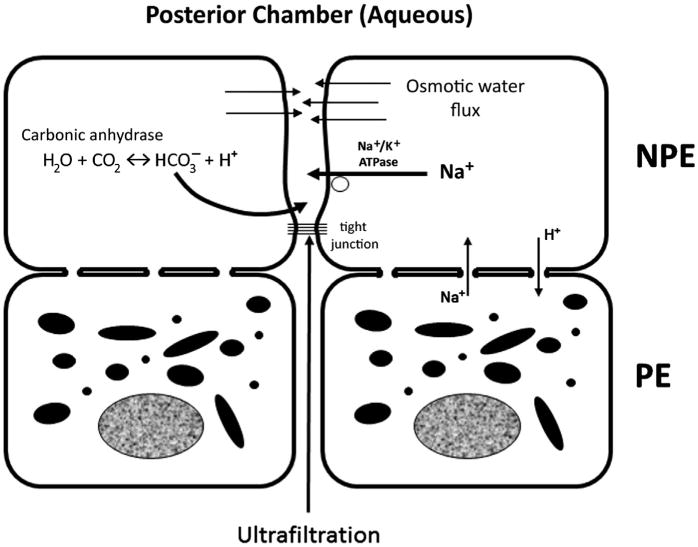
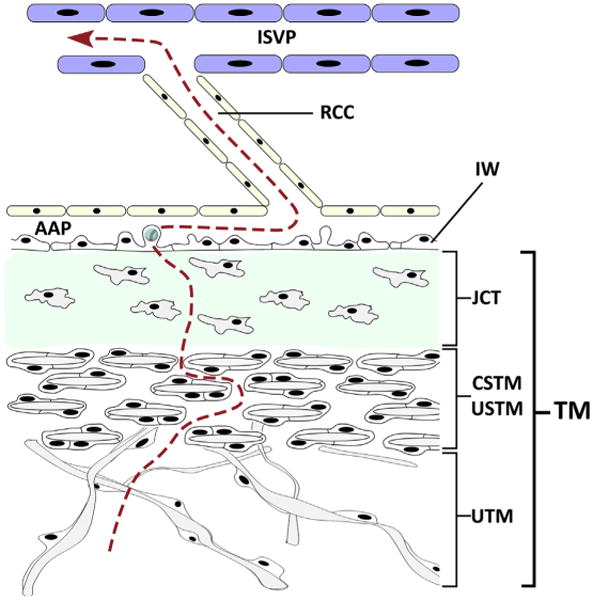
In order to understand the pathophysiology, select optimal therapeutic options for patients and provide clients with honest expectations for cases of canine glaucoma, clinicians should be familiar with a rational understanding of the functional anatomy of the ocular structures involved in this group of diseases. The topographical extension and the structural and humoral complexity of the regions involved with the production and the outflow of aqueous humor undergo numerous changes with aging and disease. Therefore, the anatomy relative to the fluid dynamics of aqueous has become a pivotal yet flexible concept to interpret the different phenotypes of glaucoma.
为了理解犬青光眼的病理生理学,为患者选择最佳治疗方案,并让客户对犬青光眼病例有合理的预期,临床医生应熟悉对这类疾病所涉及的眼结构功能解剖的合理认识。与房水生成和流出相关区域的地形扩展以及结构和体液复杂性会随着衰老和疾病发生诸多变化。因此,与房水流体动力学相关的解剖学已成为解释青光眼不同表型的关键且灵活的概念。