Farrow Luke
College of Medical, Veterinary and Life Sciences, University of Glasgow, Glasgow, UK.
College of Medical, Veterinary and Life Sciences, Wolfson Link Building, University of Glasgow Glasgow, Scotland, G12 8QQ, UK.
BMC Musculoskelet Disord. 2015 Sep 5;16:241. doi: 10.1186/s12891-015-0702-3.
Chondral damage is one of the major sequelae of septic arthritis; occurring even after prompt treatment of a septic joint. Subsequent loss of joint function can have a significant impact on a patient's quality of life. Corticosteroids are known to have beneficial effects on the rate and extent cartilage destruction in arthritis through a variety of mediators such as synovial RANKL expression, mast cells and pro-inflammatory cytokines. Investigation into sepsis at other sites has suggested improved outcomes with corticosteroid use despite the theoretical risks. This study therefore set out to review current literature with regards to a possible beneficial effect for corticosteroids in Septic Arthritis.
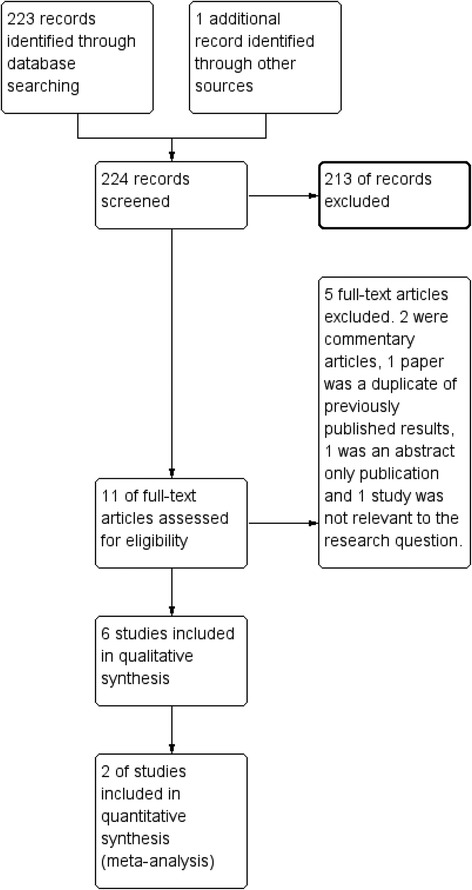
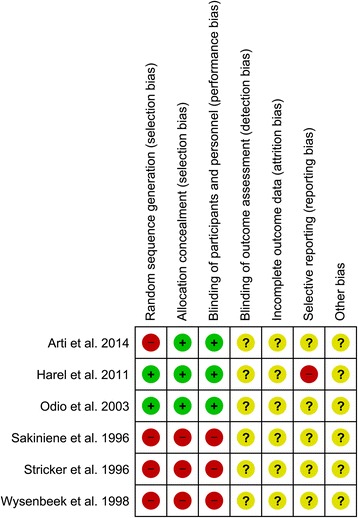
A computerised search of the databases MEDLINE and CINAHL was conducted during November 2014 using the EBSCOhost web search engine in order to identify research articles relating to the use of corticosteroids in the treatment of septic arthritis. The search strategy revealed 223 unique articles which were subjected to inclusion/exclusion criteria assessment. 6 articles were selected for study inclusion. These consisted of 3 human studies (2 double-blind randomised controlled trials & 1 double-blind non-randomised controlled trial), and 3 animal studies (3 non-blinded non-randomised controlled trials). Quantitative synthesis (meta-analysis) was only possible regarding two primary outcomes for two of the included studies - time to normalisation of CRP and duration of IV antibiotic therapy.
All current published evidence in humans is focused upon children. Overall results did however reveal a consensus between these studies for a reduced duration of symptoms and a reduction in inflammatory markers. Animal data suggested a protective effect on the articular cartilage with the addition of corticosteroids to antibiotic therapy. No article noted an adverse effect associated with steroid use. Findings were consistent with systematic reviews of corticosteroid use in other bacterial infections.
Despite the promising outlook, issues' regarding generalisability of results and a lack of large randomised controlled trial data necessitates further assessment of the safety and efficacy of steroid use in adults before treatment recommendations can be made. Long term safety data and the determinations of the optimum route, dose and timing of corticosteroids are also required.
软骨损伤是化脓性关节炎的主要后遗症之一,即使在对化脓性关节进行及时治疗后仍会发生。随后的关节功能丧失会对患者的生活质量产生重大影响。已知皮质类固醇通过多种介质,如滑膜RANKL表达、肥大细胞和促炎细胞因子,对关节炎中软骨破坏的速率和程度具有有益作用。对其他部位脓毒症的研究表明,尽管存在理论风险,但使用皮质类固醇可改善预后。因此,本研究旨在回顾当前关于皮质类固醇在化脓性关节炎中可能有益作用的文献。
2014年11月,使用EBSCOhost网络搜索引擎对MEDLINE和CINAHL数据库进行计算机检索,以识别与使用皮质类固醇治疗化脓性关节炎相关的研究文章。检索策略共筛选出223篇独特文章,并对其进行纳入/排除标准评估。6篇文章被选入研究。其中包括3项人体研究(2项双盲随机对照试验和1项双盲非随机对照试验)以及3项动物研究(3项非盲非随机对照试验)。仅对纳入研究中的两项主要结局(CRP恢复正常的时间和静脉抗生素治疗的持续时间)中的两项进行了定量综合分析(荟萃分析)。
目前所有已发表的人体证据均聚焦于儿童。然而,总体结果显示这些研究在症状持续时间缩短和炎症标志物减少方面达成了共识。动物数据表明,在抗生素治疗中添加皮质类固醇对关节软骨有保护作用。没有文章指出与使用类固醇相关的不良反应。研究结果与皮质类固醇在其他细菌感染中的系统评价一致。
尽管前景乐观,但由于结果的可推广性问题以及缺乏大型随机对照试验数据,在做出治疗建议之前,有必要进一步评估类固醇在成人中使用的安全性和有效性。还需要长期安全性数据以及确定皮质类固醇的最佳给药途径、剂量和时间。