Smith Steven G, Smits Kaatje, Joosten Simone A, van Meijgaarden Krista E, Satti Iman, Fletcher Helen A, Caccamo Nadia, Dieli Francesco, Mascart Francoise, McShane Helen, Dockrell Hazel M, Ottenhoff Tom H M
Department of Immunology and Infection, Faculty of Infectious and Tropical Diseases, London School of Hygiene and Tropical Medicine, Keppel Street, London, United Kingdom.
Laboratory of Vaccinology and Mucosal Immunity, Université Libre de Bruxelles, Brussels, Belgium.
PLoS One. 2015 Sep 14;10(9):e0138042. doi: 10.1371/journal.pone.0138042. eCollection 2015.
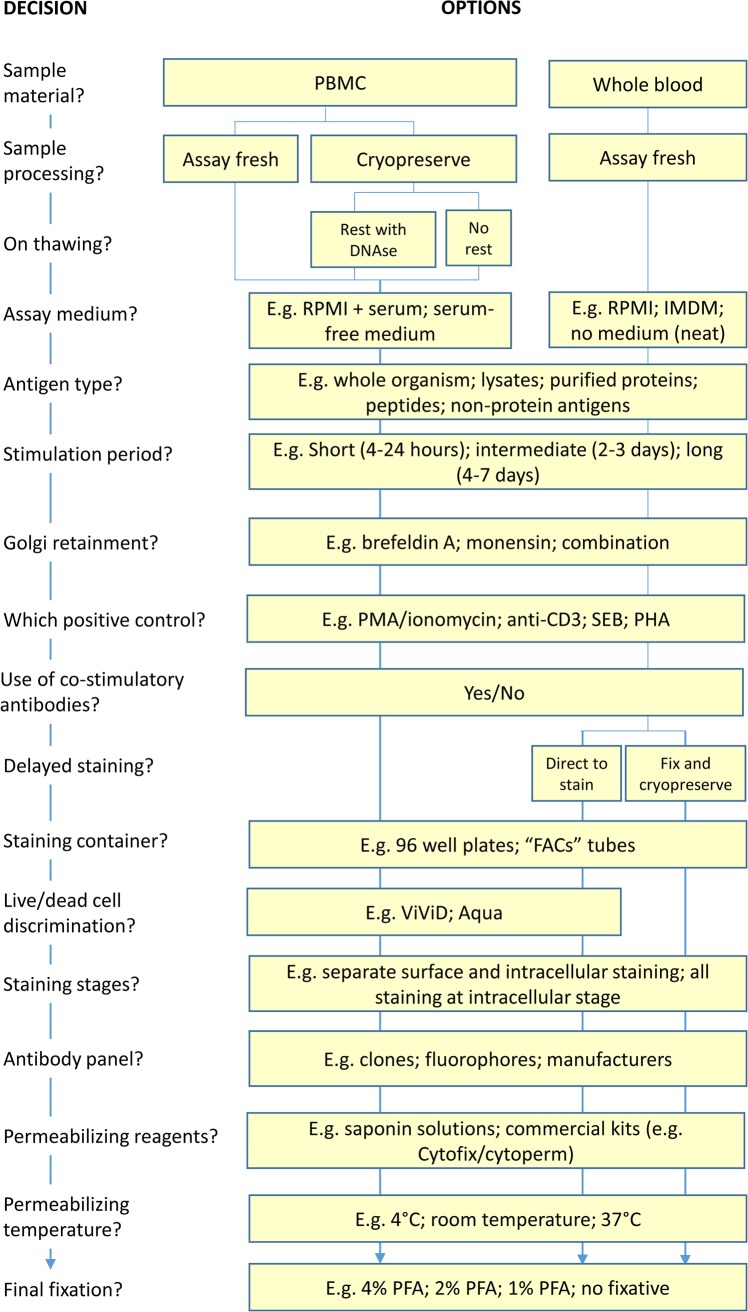
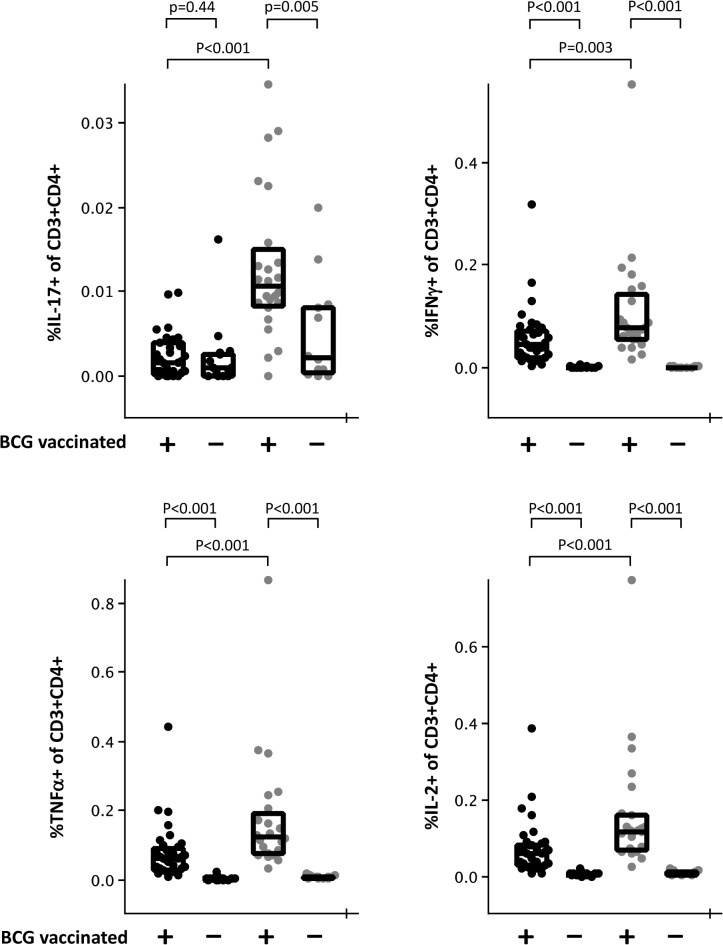
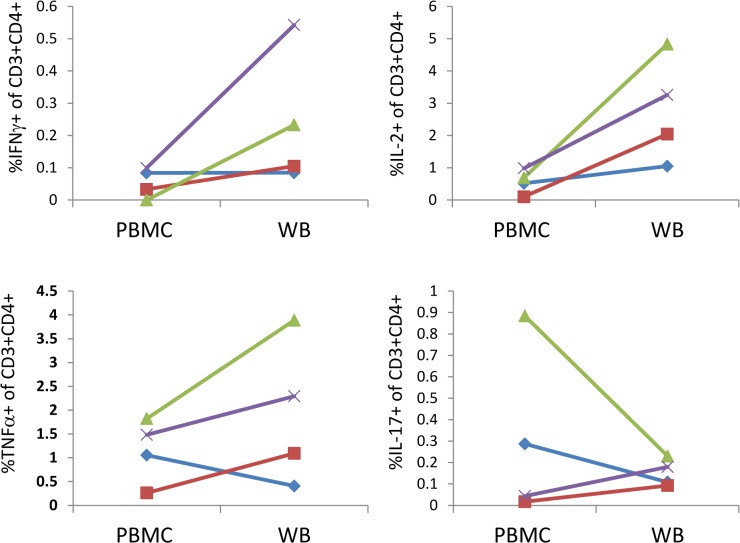
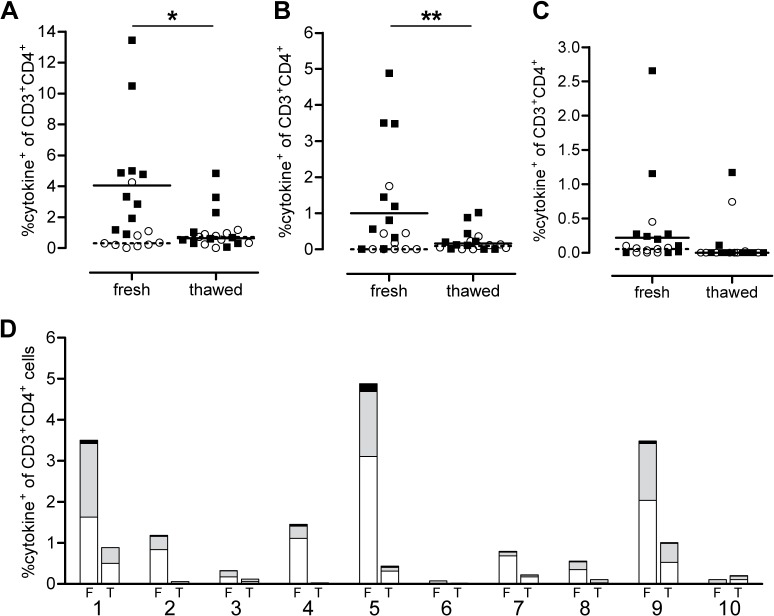
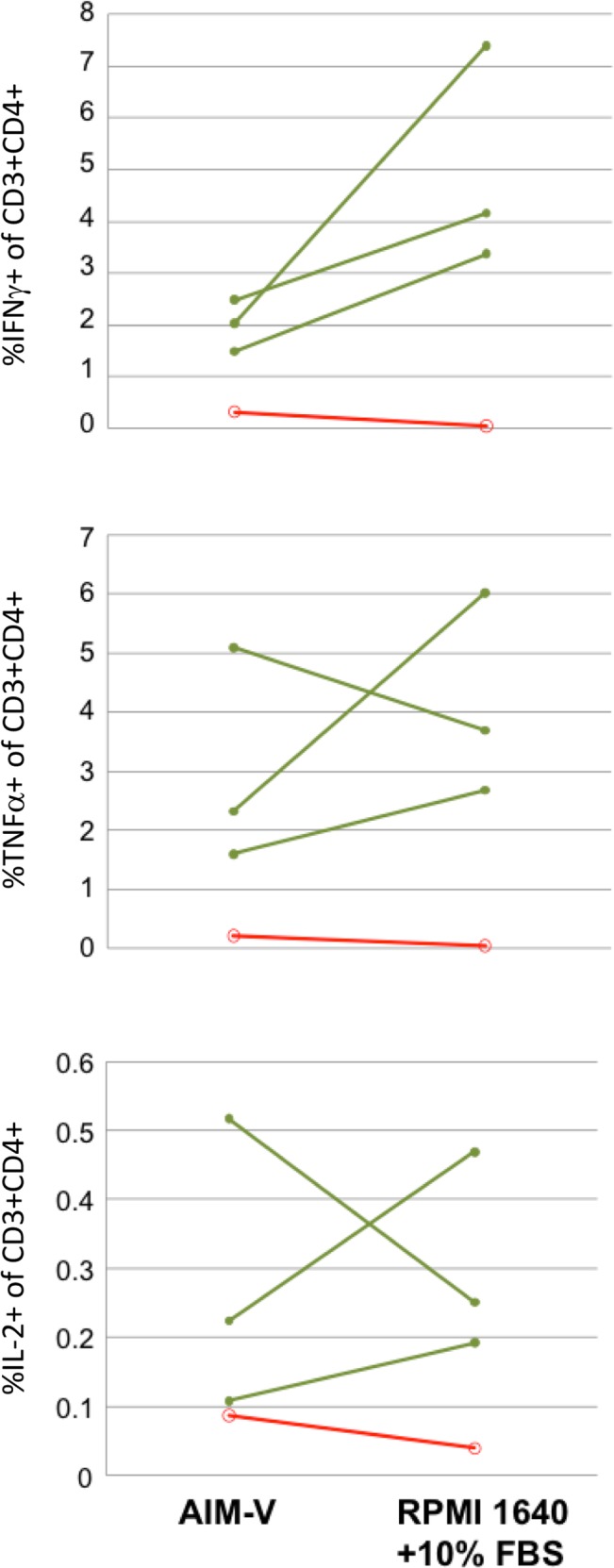
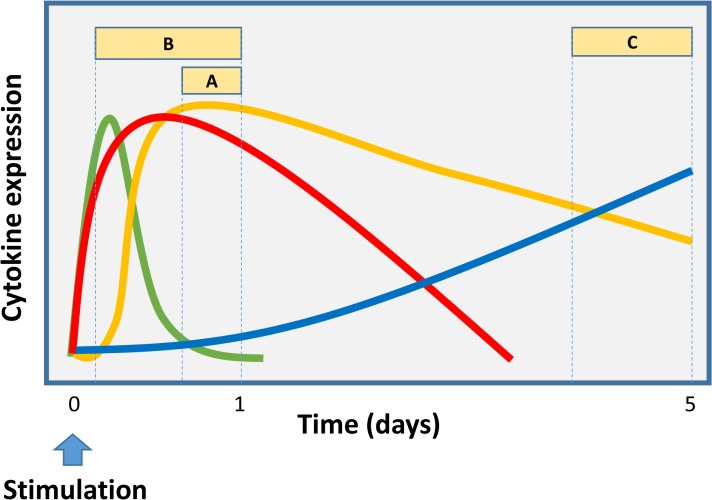
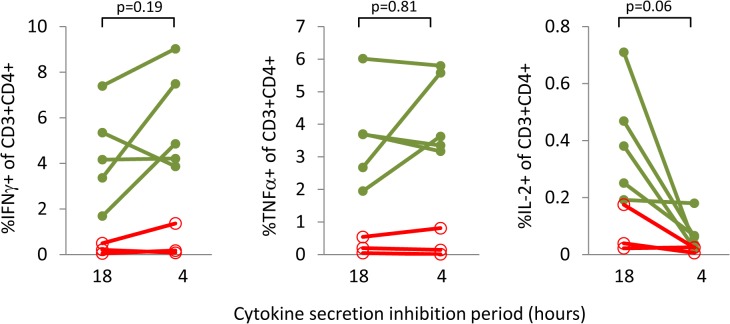
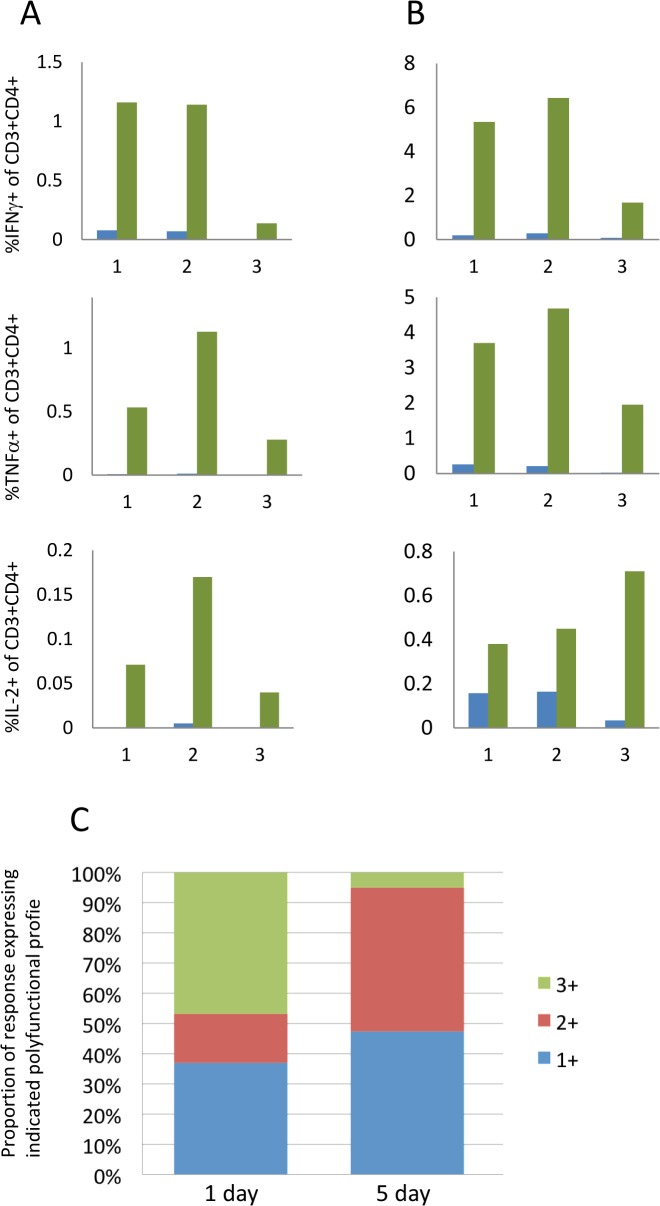
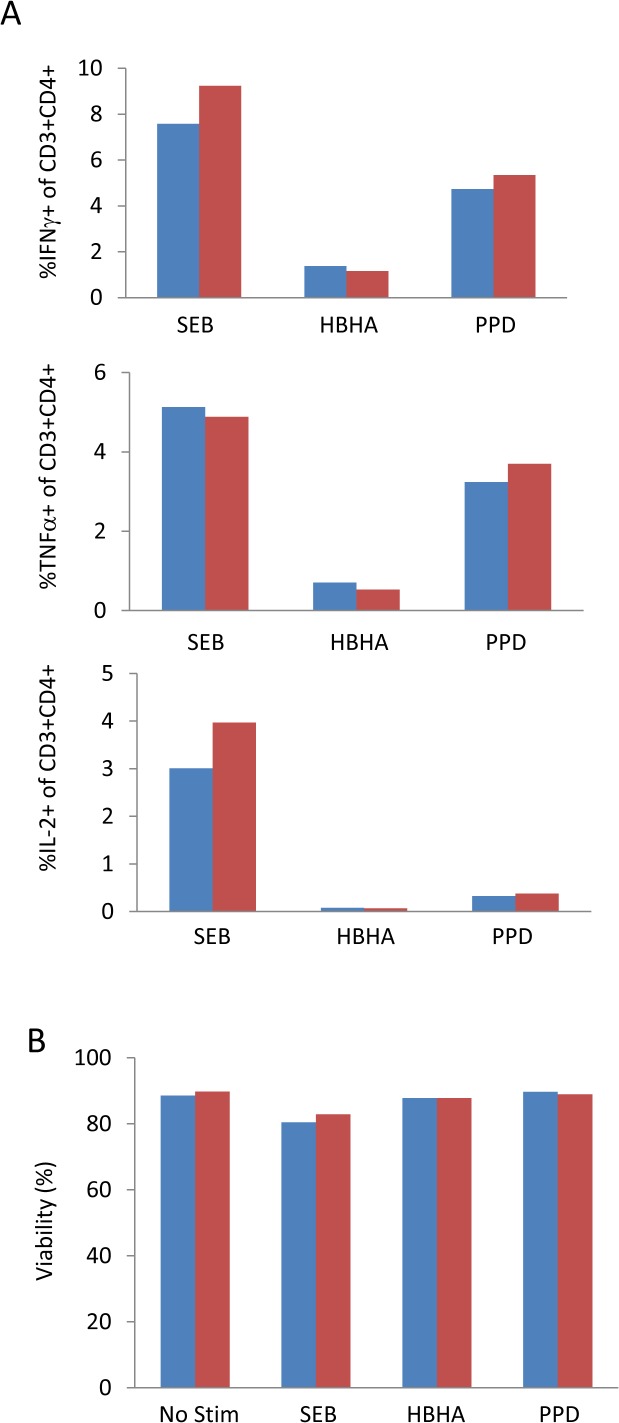
Intracellular cytokine staining combined with flow cytometry is one of a number of assays designed to assess T-cell immune responses. It has the specific advantage of enabling the simultaneous assessment of multiple phenotypic, differentiation and functional parameters pertaining to responding T-cells, most notably, the expression of multiple effector cytokines. These attributes make the technique particularly suitable for the assessment of T-cell immune responses induced by novel tuberculosis vaccines in clinical trials. However, depending upon the particular nature of a given vaccine and trial setting, there are approaches that may be taken at different stages of the assay that are more suitable than other alternatives. In this paper, the Tuberculosis Vaccine Initiative (TBVI) TB Biomarker Working group reports on efforts to assess the conditions that will determine when particular assay approaches should be employed. We have found that choices relating to the use of fresh whole blood or peripheral blood mononuclear cells (PBMC) and frozen PBMC; use of serum-containing or serum-free medium; length of stimulation period and use of co-stimulatory antibodies can all affect the sensitivity of intracellular cytokine assays. In the case of sample material, frozen PBMC, despite some loss of sensitivity, may be more advantageous for batch analysis. We also recommend that for multi-site studies, common antibody panels, gating strategies and analysis approaches should be employed for better comparability.
细胞内细胞因子染色结合流式细胞术是旨在评估T细胞免疫反应的多种检测方法之一。它具有能够同时评估与反应性T细胞相关的多个表型、分化和功能参数的独特优势,最显著的是多种效应细胞因子的表达。这些特性使该技术特别适合在临床试验中评估新型结核病疫苗诱导的T细胞免疫反应。然而,根据特定疫苗和试验设置的具体性质,在检测的不同阶段可能有比其他方法更合适的方法。在本文中,结核病疫苗倡议组织(TBVI)结核病生物标志物工作组报告了为评估决定何时应采用特定检测方法的条件所做的努力。我们发现,与使用新鲜全血或外周血单个核细胞(PBMC)以及冷冻PBMC、使用含血清或无血清培养基、刺激期的长短以及共刺激抗体的使用有关的选择,都会影响细胞内细胞因子检测的灵敏度。就样本材料而言,冷冻PBMC尽管灵敏度有所损失,但可能更有利于批量分析。我们还建议,对于多中心研究,应采用通用的抗体组合、设门策略和分析方法,以提高可比性。