Lorenzo Enery, Camacho-Caceres Katia, Ropelewski Alexander J, Rosas Juan, Ortiz-Mojer Michael, Perez-Marty Lynn, Irizarry Juan, Gonzalez Valerie, Rodríguez Jesús A, Cabrera-Rios Mauricio, Isaza Clara
Bio IE Lab, The Applied Optimization Group at UPRM, Industrial Engineering Department, University of Puerto Rico at Mayaguez, Call Box 9000, Mayagüez, PR 00681, USA.
Pittsburgh Supercomputing Center, 300 S. Craig Street, Pittsburgh, PA 15213, USA.
Microarrays (Basel). 2015 Jun;4(2):287-310. doi: 10.3390/microarrays4020287.
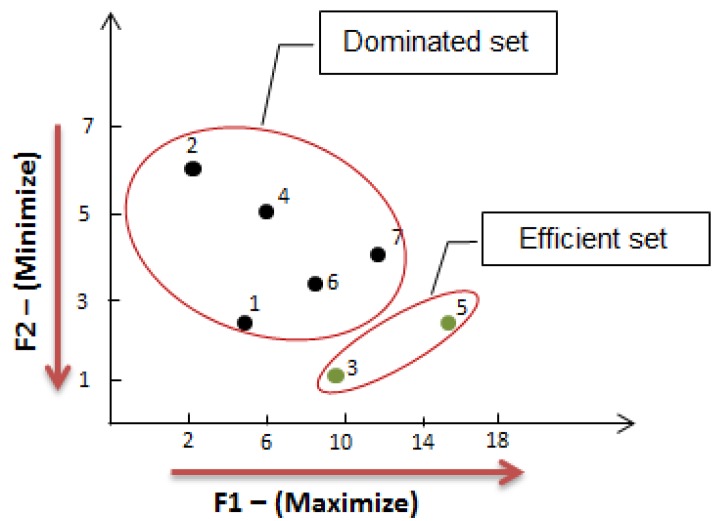
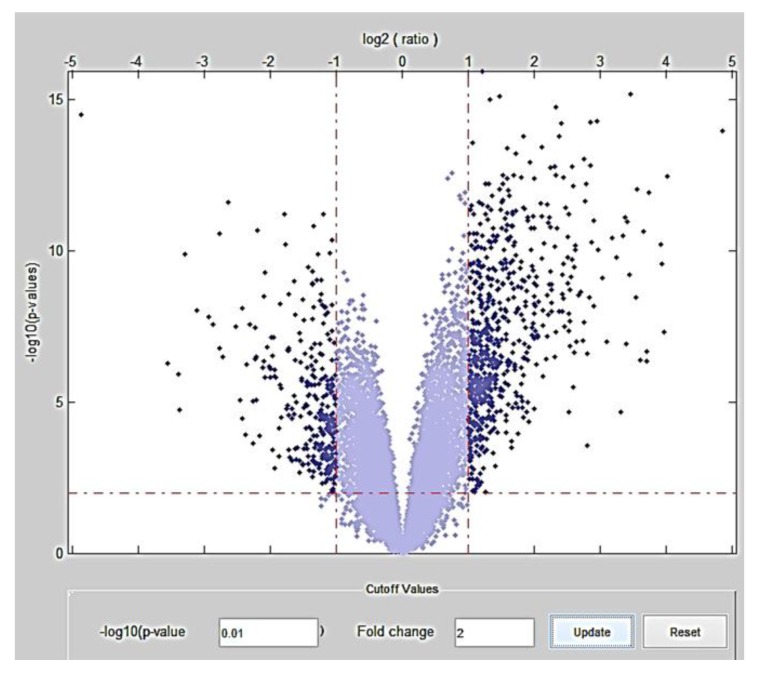
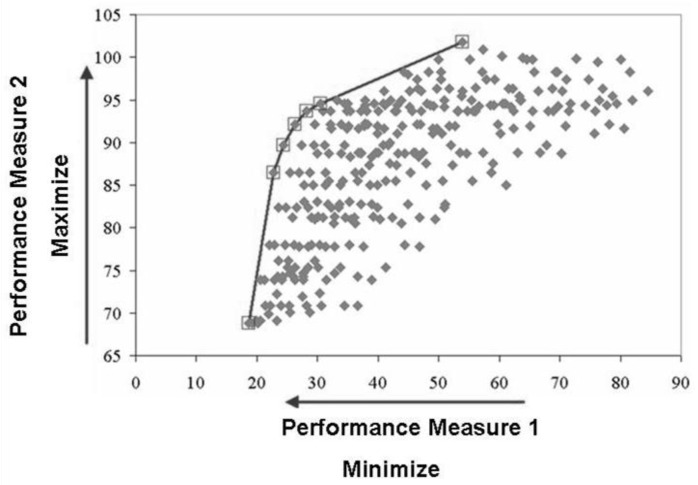
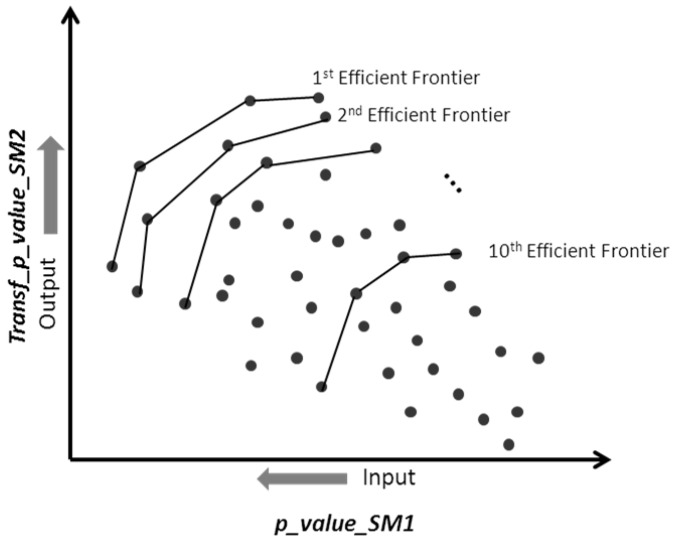
Establishing how a series of potentially important genes might relate to each other is relevant to understand the origin and evolution of illnesses, such as cancer. High-throughput biological experiments have played a critical role in providing information in this regard. A special challenge, however, is that of trying to conciliate information from separate microarray experiments to build a potential genetic signaling path. This work proposes a two-step analysis pipeline, based on optimization, to approach meta-analysis aiming to build a proxy for a genetic signaling path.
确定一系列潜在重要基因之间的相互关系,对于理解诸如癌症等疾病的起源和演变至关重要。高通量生物学实验在这方面提供信息时发挥了关键作用。然而,一个特殊的挑战是试图协调来自不同微阵列实验的信息,以构建潜在的遗传信号通路。这项工作提出了一个基于优化的两步分析流程,用于进行荟萃分析,旨在构建遗传信号通路的代理模型。