The Applied Optimization Group/Department of Industrial Engineering, University of Puerto Rico, Mayagüez Campus, Mayagüez, Puerto Rico.
Department of Basic Science-Biochemistry Division, Ponce Health Sciences University, Ponce, Puerto Rico.
J Alzheimers Dis. 2018;65(1):193-205. doi: 10.3233/JAD-170799.
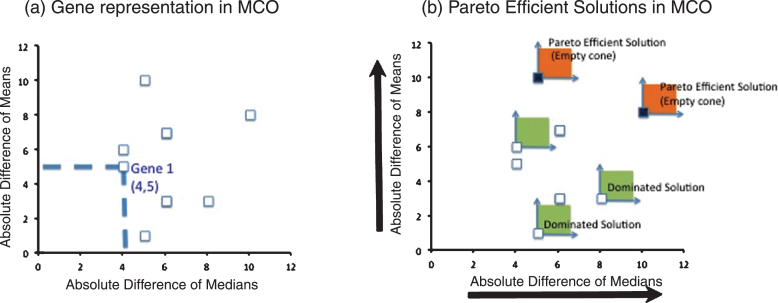
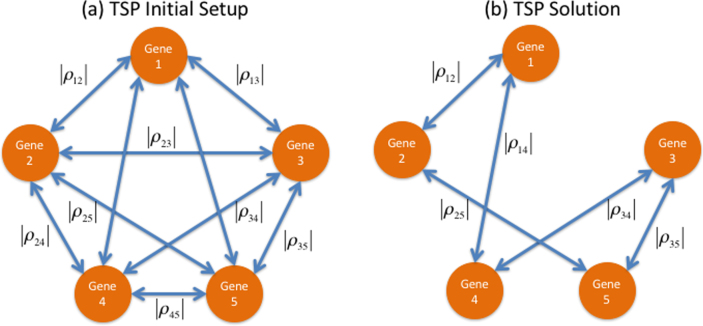
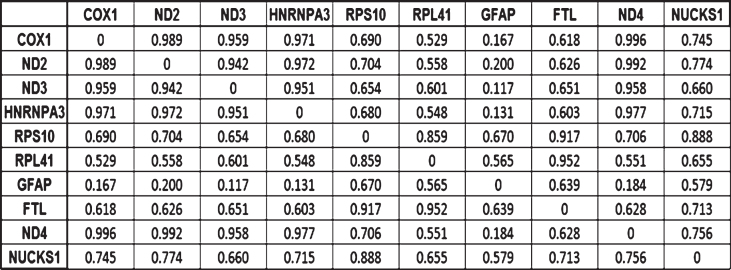
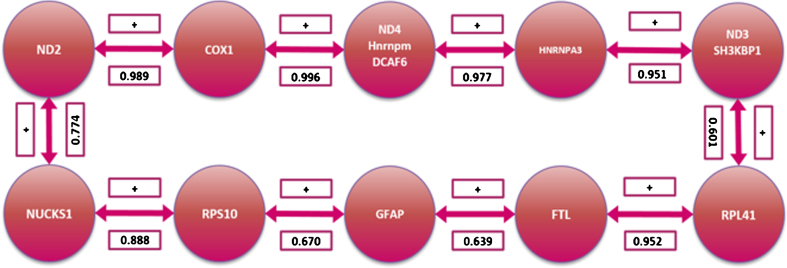
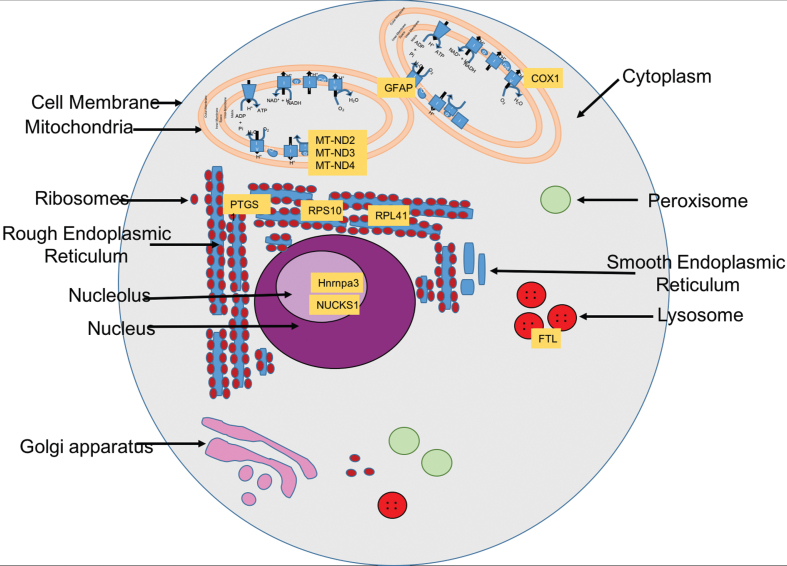
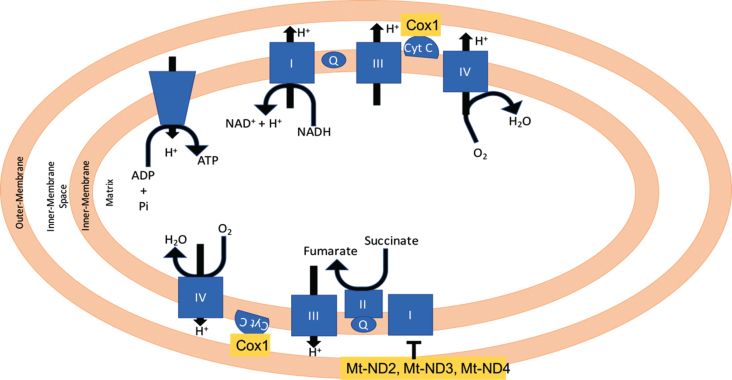
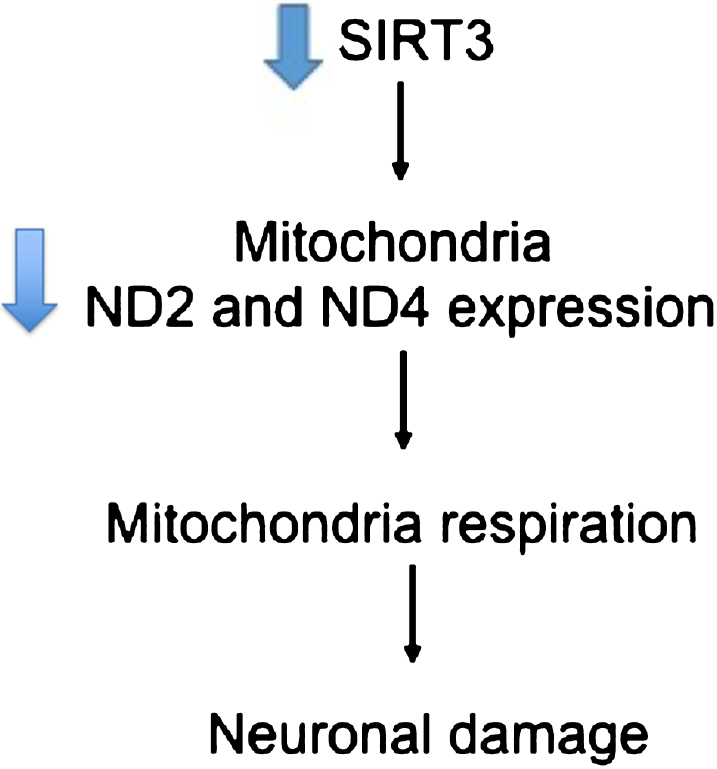
In 2017, approximately 5 million Americans were living with Alzheimer's disease (AD), and it is estimated that by 2050 this number could increase to 16 million. In this study, we apply mathematical optimization to approach microarray analysis to detect differentially expressed genes and determine the most correlated structure among their expression changes. The analysis of GSE4757 microarray dataset, which compares expression between AD neurons without neurofibrillary tangles (controls) and with neurofibrillary tangles (cases), was casted as a multiple criteria optimization (MCO) problem. Through the analysis it was possible to determine a series of Pareto efficient frontiers to find the most differentially expressed genes, which are here proposed as potential AD biomarkers. The Traveling Sales Problem (TSP) model was used to find the cyclical path of maximal correlation between the expression changes among the genes deemed important from the previous stage. This leads to a structure capable of guiding biological exploration with enhanced precision and repeatability. Ten genes were selected (FTL, GFAP, HNRNPA3, COX1, ND2, ND3, ND4, NUCKS1, RPL41, and RPS10) and their most correlated cyclic structure was found in our analyses. The biological functions of their products were found to be linked to inflammation and neurodegenerative diseases and some of them had not been reported for AD before. The TSP path connects genes coding for mitochondrial electron transfer proteins. Some of these proteins are closely related to other electron transport proteins already reported as important for AD.
2017 年,约有 500 万美国人患有阿尔茨海默病(AD),据估计,到 2050 年,这一数字可能会增加到 1600 万。在这项研究中,我们应用数学优化方法来处理微阵列分析,以检测差异表达基因,并确定其表达变化之间最相关的结构。对 GSE4757 微阵列数据集的分析,该数据集比较了无神经原纤维缠结(对照)和有神经原纤维缠结(病例)的 AD 神经元之间的表达,被归结为多准则优化(MCO)问题。通过分析,可以确定一系列帕累托有效前沿,以找到最具差异表达的基因,这些基因被认为是潜在的 AD 生物标志物。旅行商问题(TSP)模型被用于寻找被认为是上一阶段重要的基因之间表达变化的最大相关性的循环路径。这导致了一种能够以增强的精度和可重复性指导生物探索的结构。选择了 10 个基因(FTL、GFAP、HNRNPA3、COX1、ND2、ND3、ND4、NUCKS1、RPL41 和 RPS10),并在我们的分析中找到了它们最相关的循环结构。它们产物的生物学功能被发现与炎症和神经退行性疾病有关,其中一些以前没有报道过与 AD 有关。TSP 路径连接编码线粒体电子传递蛋白的基因。这些蛋白质中的一些与其他电子传递蛋白密切相关,这些蛋白已被报道对 AD 很重要。