Veigel Stefan, Müller Ulrich, Keckes Jozef, Obersriebnig Michael, Gindl-Altmutter Wolfgang
Department of Material Sciences and Process Engineering, Institute of Wood Science and Technology, BOKU-University of Natural Resources and Life Sciences, Konrad Lorenz Straße 24, 3430 Tulln a.d. Donau, Austria.
Wood K plus-Competence Centre for Wood Composites and Wood Chemistry, St.-Peter-Straße 25, 4021 Linz, Austria.
Cellulose (Lond). 2011;18(5):1227-1237. doi: 10.1007/s10570-011-9576-1. Epub 2011 Jul 15.
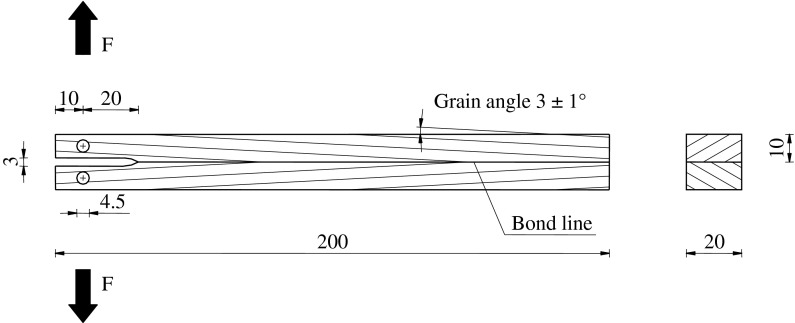
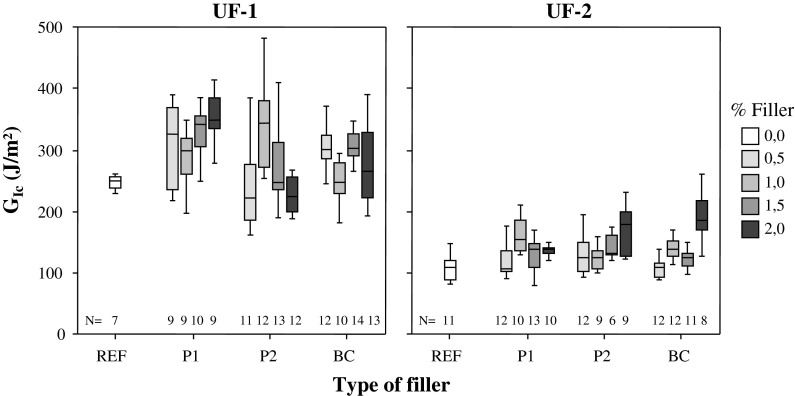
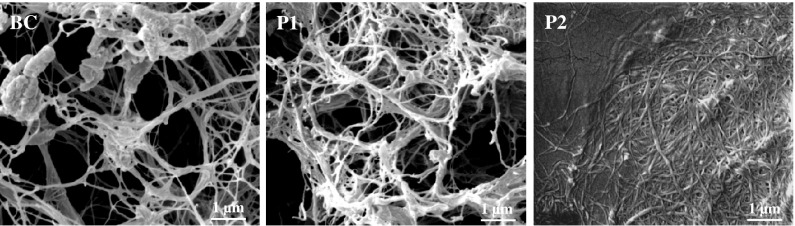
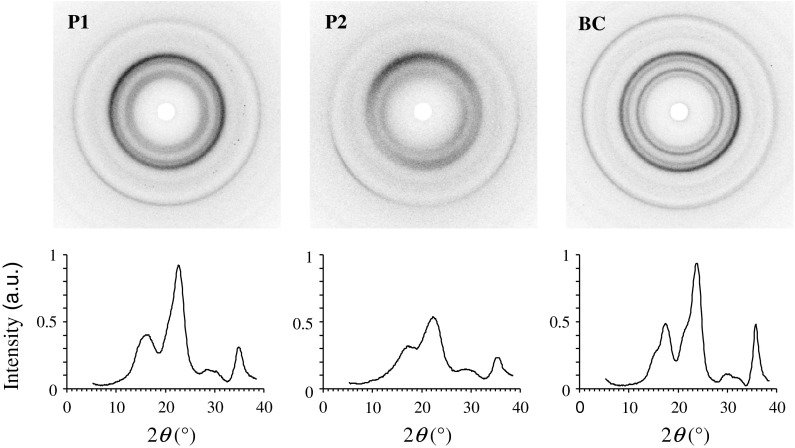
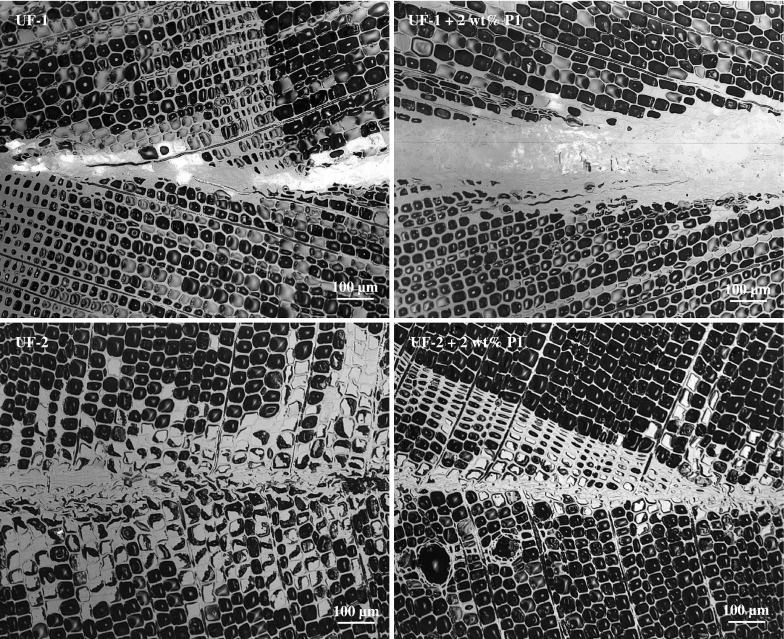
Cellulose nanofibrils were prepared by mechanical fibrillation of never-dried beech pulp and bacterial cellulose. To facilitate the separation of individual fibrils, one part of the wood pulp was surface-carboxylated by a catalytic oxidation using (2,2,6,6-tetramethylpiperidin-1-yl)oxyl (TEMPO) as a catalyst. After fibrillation by a high pressure homogenizer, the obtained aqueous fibril dispersions were directly mixed with different urea-formaldehyde-(UF)-adhesives. To investigate the effect of added cellulose filler on the fracture mechanical properties of wood adhesive bonds, double cantilever beam specimens were prepared from spruce wood. While the highest fracture energy values were observed for UF-bonds filled with untreated nanofibrils prepared from wood pulp, bonds filled with TEMPO-oxidized fibrils showed less satisfying performance. It is proposed that UF-adhesive bonds can be significantly toughened by the addition of only small amounts of cellulose nanofibrils. Thereby, the optimum filler content is largely depending on the adhesive and type of cellulose filler used.
通过对未干燥的山毛榉纸浆和细菌纤维素进行机械原纤化来制备纤维素纳米原纤。为便于分离单根原纤,使用(2,2,6,6 - 四甲基哌啶 - 1 - 氧基)(TEMPO)作为催化剂,通过催化氧化对一部分木浆进行表面羧基化处理。在通过高压均质机进行原纤化处理后,将所得的水性原纤分散体直接与不同的脲醛(UF)粘合剂混合。为研究添加纤维素填料对木材粘合剂粘结断裂力学性能的影响,用云杉木制备了双悬臂梁试样。虽然对于填充有由木浆制备的未处理纳米原纤的脲醛粘结,观察到了最高的断裂能值,但填充有经TEMPO氧化的原纤的粘结表现出不太令人满意的性能。有人提出,仅添加少量纤维素纳米原纤就能显著增强脲醛粘合剂粘结的韧性。因此,最佳填料含量在很大程度上取决于所使用的粘合剂和纤维素填料的类型。