Leysen Bert, Van den Eynden Bart, Gielen Birgit, Bastiaens Hilde, Wens Johan
Department of Primary and Interdisciplinary Care, University of Antwerp, Universiteitsplein 1, Antwerp, Wilrijk, 2610, Belgium.
Centre for Palliative Care Sint-Camillus, Oosterveldlaan 24, Antwerp, Wilrijk, 2610, Belgium.
BMC Palliat Care. 2015 Sep 28;14:46. doi: 10.1186/s12904-015-0043-x.
Starting with early identification of palliative care patients by general practitioners (GPs), the Care Pathway for Primary Palliative Care (CPPPC) is believed to help primary health care workers to deliver patient- and family-centered care in the last year of life. The care pathway has been pilot-tested, and will now be implemented in 5 Belgian regions: 2 Dutch-speaking regions, 2 French-speaking regions and the bilingual capital region of Brussels. The overall aim of the CPPPC is to provide better quality of primary palliative care, and in the end to reduce the hospital death rate. The aim of this article is to describe the quantitative design and innovative data collection strategy used in the evaluation of this complex intervention.
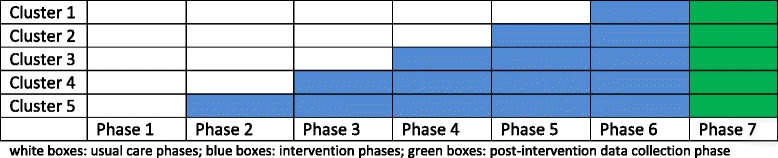
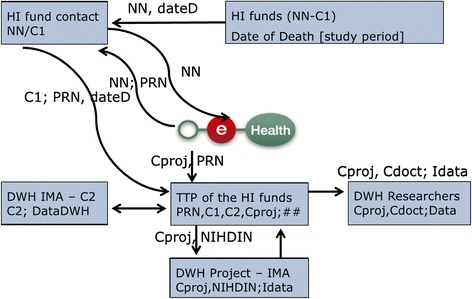
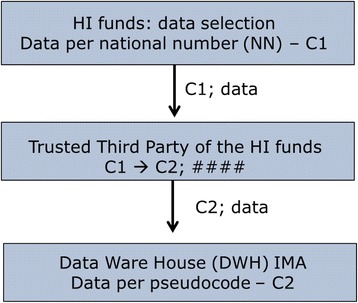
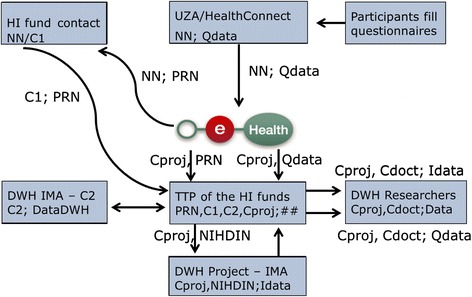
METHODS/DESIGN: A quasi-experimental stepped wedge cluster design is set up with the 5 regions being 5 non-randomized clusters. The primary outcome is reduced hospital death rate per GPs' patient population. Secondary outcomes are increased death at home and health care consumption patterns suggesting high quality palliative care. Per research cluster, GPs will be recruited via convenience sampling. These GPs -volunteering to be involved will recruit people with reduced life expectancy and their informal care givers. Health care consumption data in the last year of life, available for all deceased people having lived in the research clusters in the study period, will be used for comparison between patient populations of participating GPs and patient populations of non-participating GPs. Description of baseline characteristics of participating GPs and patients and monitoring of the level of involvement by GPs, patients and informal care givers will happen through regular, privacy-secured web-surveys. Web-survey data and health consumption data are linked in a secure way, respecting Belgian privacy laws.
To evaluate this complex intervention, a quasi-experimental stepped wedge cluster design has been set up. Context characteristics and involvement level of participants are important parameters in evaluating complex interventions. It is possible to securely link survey data with health consumption data. By appealing to IT solutions we hope to be able to partly reduce respondent burden, a known problem in palliative care research.
ClinicalTrials.gov Identifier: NCT02266069.
从全科医生(GP)早期识别姑息治疗患者开始,初级姑息治疗护理路径(CPPPC)被认为有助于初级卫生保健工作者在患者生命的最后一年提供以患者和家庭为中心的护理。该护理路径已经过试点测试,现在将在比利时的5个地区实施:2个讲荷兰语的地区、2个讲法语的地区以及双语的首都布鲁塞尔地区。CPPPC的总体目标是提供更高质量的初级姑息治疗,并最终降低医院死亡率。本文的目的是描述在评估这一复杂干预措施时所采用的定量设计和创新数据收集策略。
方法/设计:采用准实验性阶梯楔形整群设计,将5个地区作为5个非随机整群。主要结局是每位全科医生患者群体的医院死亡率降低。次要结局是在家中死亡人数增加以及表明高质量姑息治疗的医疗保健消费模式。对于每个研究整群,将通过便利抽样招募全科医生。这些自愿参与的全科医生将招募预期寿命缩短的患者及其非正式护理人员。将使用研究期间居住在研究整群中的所有已故人员生命最后一年的医疗保健消费数据,对参与的全科医生的患者群体与未参与的全科医生的患者群体进行比较。将通过定期的、确保隐私的网络调查来描述参与的全科医生和患者的基线特征,并监测全科医生、患者和非正式护理人员的参与程度。网络调查数据和健康消费数据将以安全的方式链接,同时遵守比利时隐私法。
为了评估这一复杂干预措施,已采用准实验性阶梯楔形整群设计。背景特征和参与者的参与程度是评估复杂干预措施的重要参数。可以将调查数据与健康消费数据安全地链接起来。通过采用信息技术解决方案,我们希望能够部分减轻应答负担,这是姑息治疗研究中一个众所周知的问题。
ClinicalTrials.gov标识符:NCT02266069。