Ghosh Sanjib Kumar
Department of Anatomy, ESI-PGIMSR & ESIC Medical College, Kolkata, West Bengal, India.
Anat Cell Biol. 2015 Sep;48(3):153-69. doi: 10.5115/acb.2015.48.3.153. Epub 2015 Sep 22.
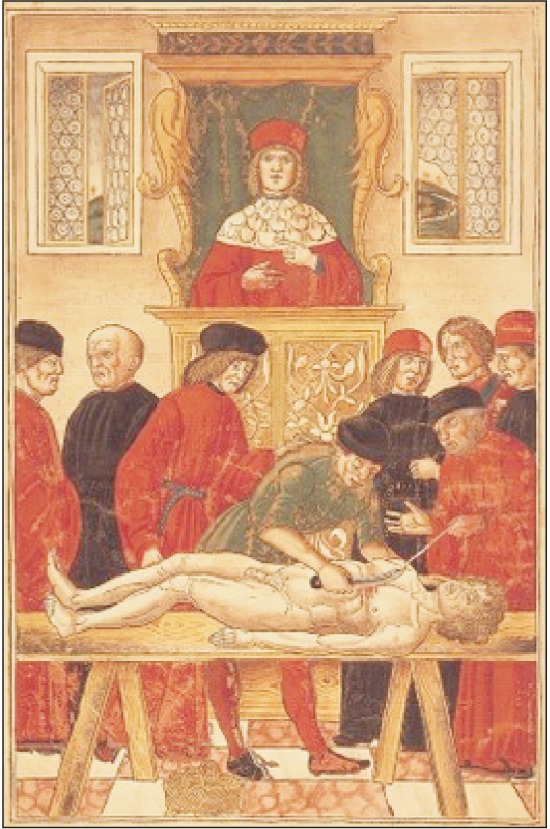
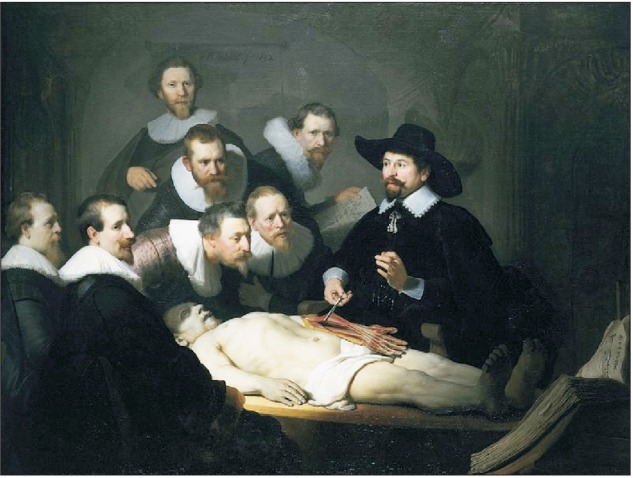
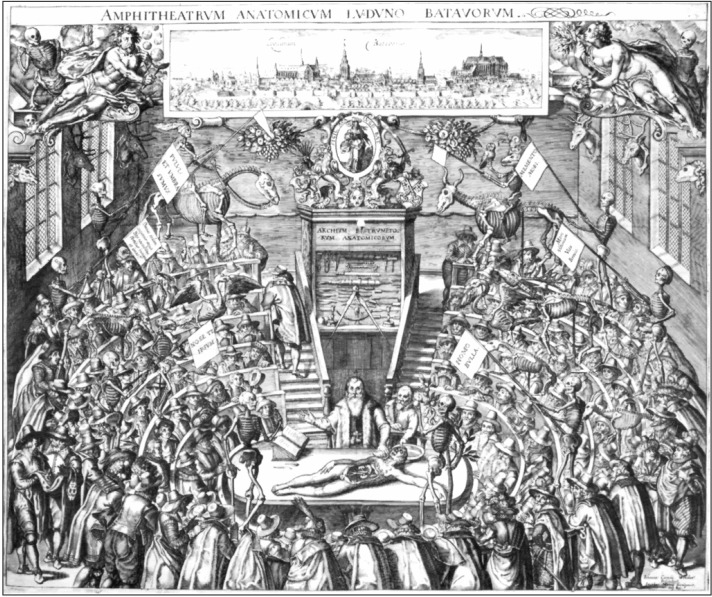
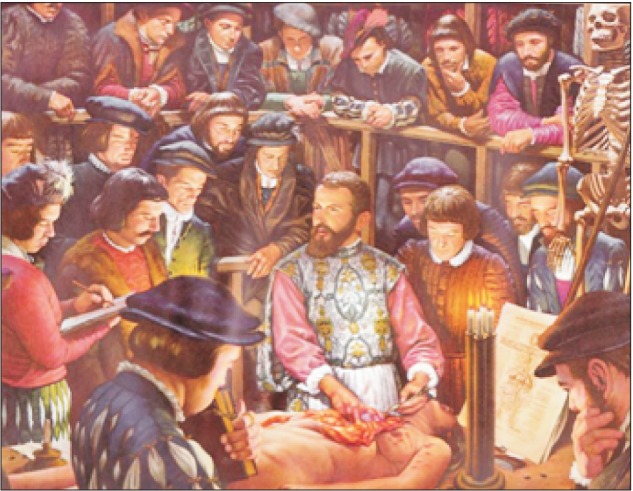
The review article attempts to focus on the practice of human cadaveric dissection during its inception in ancient Greece in 3rd century BC, revival in medieval Italy at the beginning of 14th century and subsequent evolution in Europe and the United States of America over the centuries. The article highlights on the gradual change in attitude of religious authorities towards human dissection, the shift in the practice of human dissection being performed by barber surgeons to the anatomist himself dissecting the human body and the enactment of prominent legislations which proved to be crucial milestones during the course of the history of human cadaveric dissection. It particularly emphasizes on the different means of procuring human bodies which changed over the centuries in accordance with the increasing demand due to the rise in popularity of human dissection as a tool for teaching anatomy. Finally, it documents the rise of body donation programs as the source of human cadavers for anatomical dissection from the second half of the 20th century. Presently innovative measures are being introduced within the body donation programs by medical schools across the world to sensitize medical students such that they maintain a respectful, compassionate and empathetic attitude towards the human cadaver while dissecting the same. Human dissection is indispensable for a sound knowledge in anatomy which can ensure safe as well as efficient clinical practice and the human dissection lab could possibly be the ideal place to cultivate humanistic qualities among future physicians in the 21st century.
这篇综述文章试图聚焦于公元前3世纪古希腊人体解剖实践的开端、14世纪初中世纪意大利人体解剖的复兴以及几个世纪以来在欧洲和美国的后续演变。文章强调了宗教当局对人体解剖态度的逐渐转变,人体解剖实践从理发师外科医生进行到解剖学家亲自解剖人体的转变,以及一些重要立法的颁布,这些立法在人体尸体解剖史上被证明是关键的里程碑。它特别强调了几个世纪以来随着人体解剖作为解剖学教学工具的日益普及,根据需求增加而获取人体的不同方式。最后,它记录了20世纪下半叶人体捐赠项目作为解剖用人体尸体来源的兴起。目前,世界各地的医学院在人体捐赠项目中引入了创新措施,以使医学生敏感起来,从而在解剖人体尸体时对其保持尊重、同情和同理心的态度。人体解剖对于扎实掌握解剖学知识不可或缺,而解剖学知识能确保安全且高效的临床实践,人体解剖实验室可能是21世纪培养未来医生人文素质的理想场所。