Madurga R, Blackledge T A, Perea B, Plaza G R, Riekel C, Burghammer M, Elices M, Guinea G, Pérez-Rigueiro J
Centro de Tecnología Biomédica. Universidad Politécnica de Madrid. 28223 Pozuelo de Alarcón (Madrid), Spain.
Departamento de Ciencia de Materiales. ETSI Caminos, Canales y Puertos. Universidad Politécnica de Madrid, 28040 Madrid, Spain.
Sci Rep. 2015 Oct 6;5:14820. doi: 10.1038/srep14820.
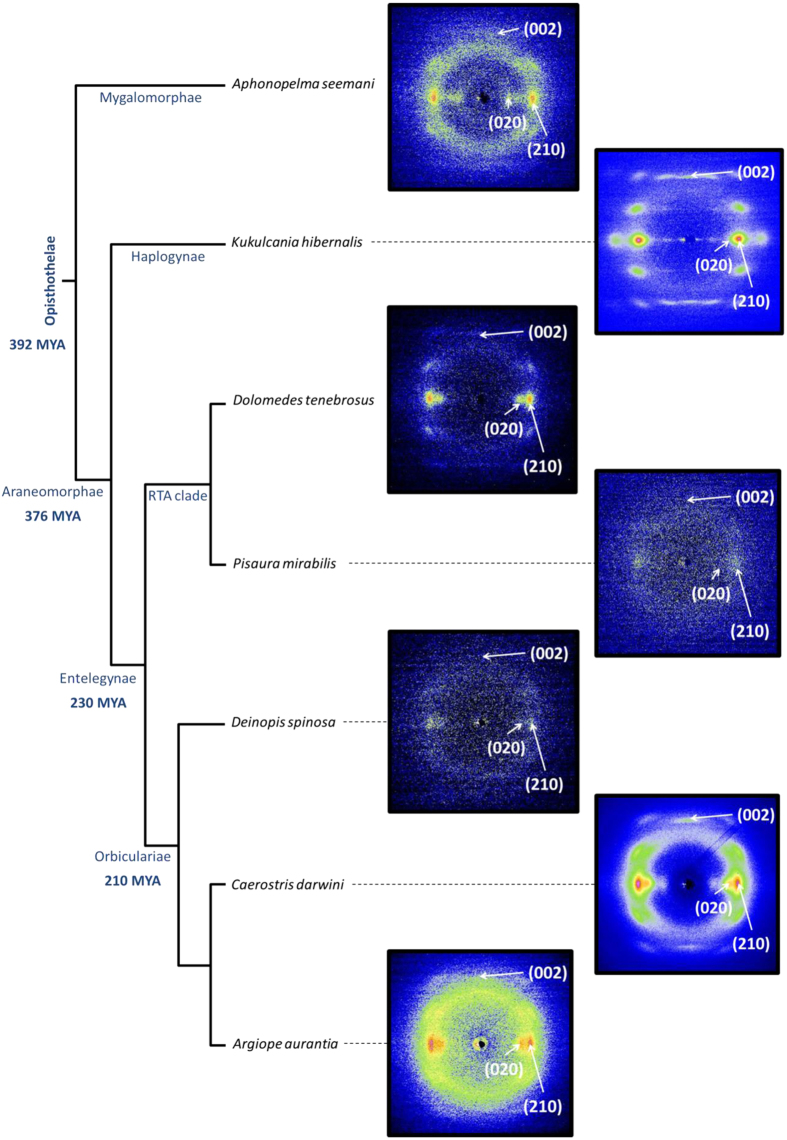
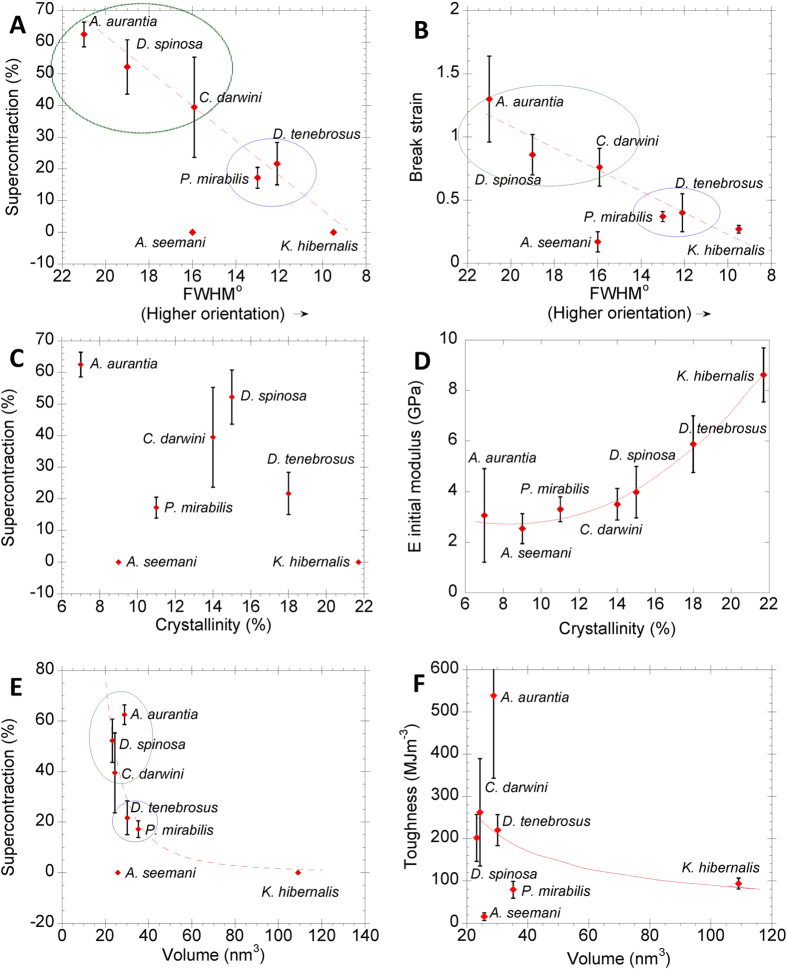
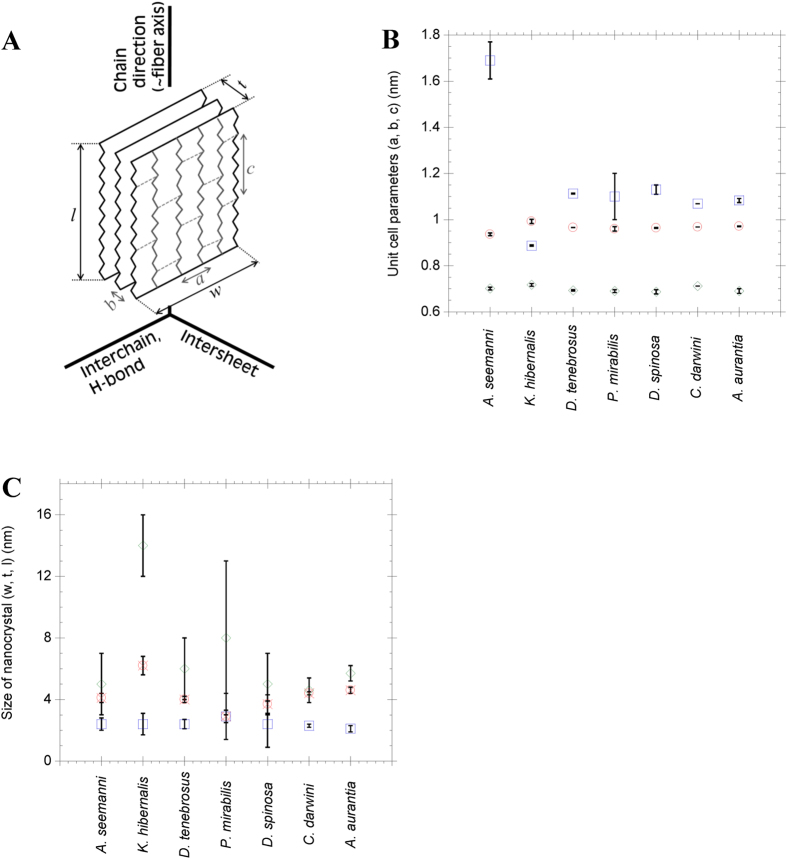
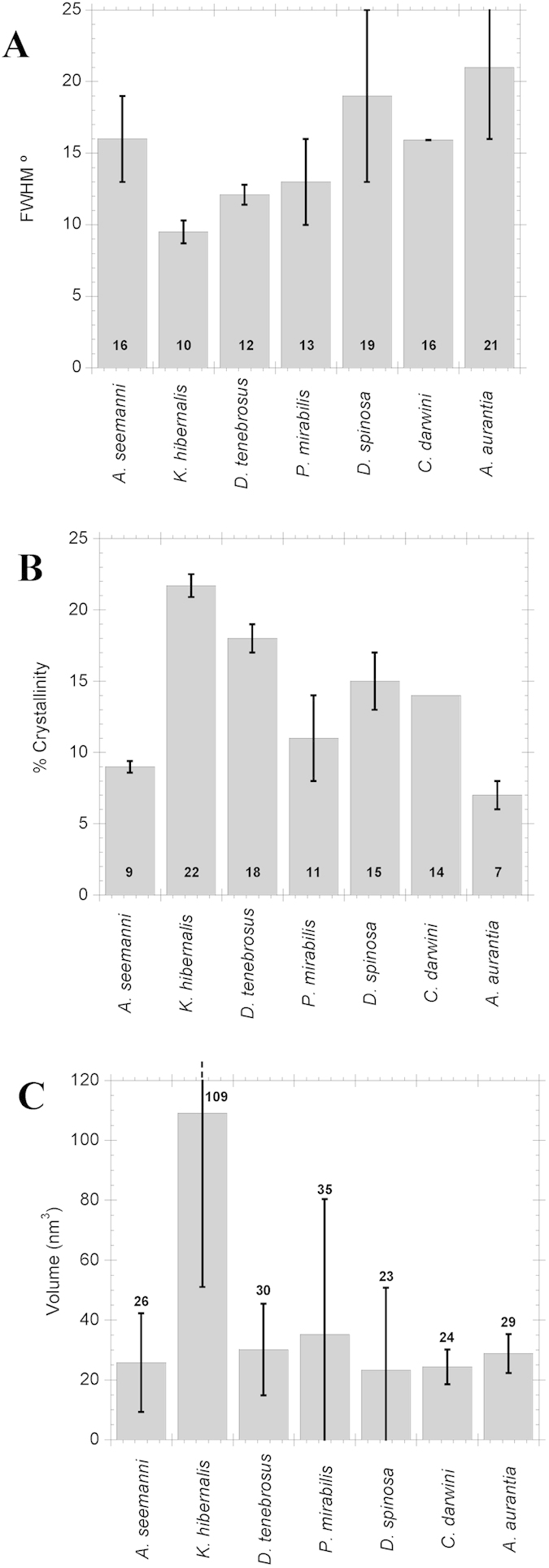
The extraordinary mechanical performance of spider dragline silk is explained by its highly ordered microstructure and results from the sequences of its constituent proteins. This optimized microstructural organization simultaneously achieves high tensile strength and strain at breaking by taking advantage of weak molecular interactions. However, elucidating how the original design evolved over the 400 million year history of spider silk, and identifying the basic relationships between microstructural details and performance have proven difficult tasks. Here we show that the analysis of maximum supercontracted single spider silk fibers using X ray diffraction shows a complex picture of silk evolution where some key microstructural features are conserved phylogenetically while others show substantial variation even among closely related species. This new understanding helps elucidate which microstructural features need to be copied in order to produce the next generation of biomimetic silk fibers.
蜘蛛拖网丝卓越的机械性能归因于其高度有序的微观结构,以及构成蛋白质的序列。这种优化的微观结构组织通过利用微弱的分子相互作用,同时实现了高拉伸强度和断裂应变。然而,要阐明蜘蛛丝在4亿年的历史中原始设计是如何演变的,以及确定微观结构细节与性能之间的基本关系,已被证明是艰巨的任务。在这里,我们表明,使用X射线衍射对最大超收缩的单根蜘蛛丝纤维进行分析,揭示了丝进化的复杂图景,其中一些关键的微观结构特征在系统发育上是保守的,而其他特征即使在亲缘关系密切的物种之间也存在很大差异。这种新的认识有助于阐明为了生产下一代仿生丝纤维需要复制哪些微观结构特征。