Rodríguez-Ruano Sonia M, Martín-Vivaldi Manuel, Martín-Platero Antonio M, López-López J Pablo, Peralta-Sánchez Juan M, Ruiz-Rodríguez Magdalena, Soler Juan J, Valdivia Eva, Martínez-Bueno Manuel
Departamento de Microbiología, Universidad de Granada, Granada, Spain.
Departamento de Zoología, Universidad de Granada, Granada, Spain.
PLoS One. 2015 Oct 7;10(10):e0139734. doi: 10.1371/journal.pone.0139734. eCollection 2015.
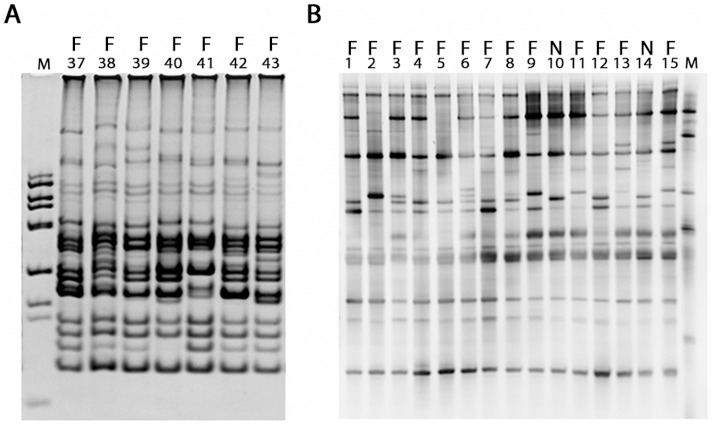
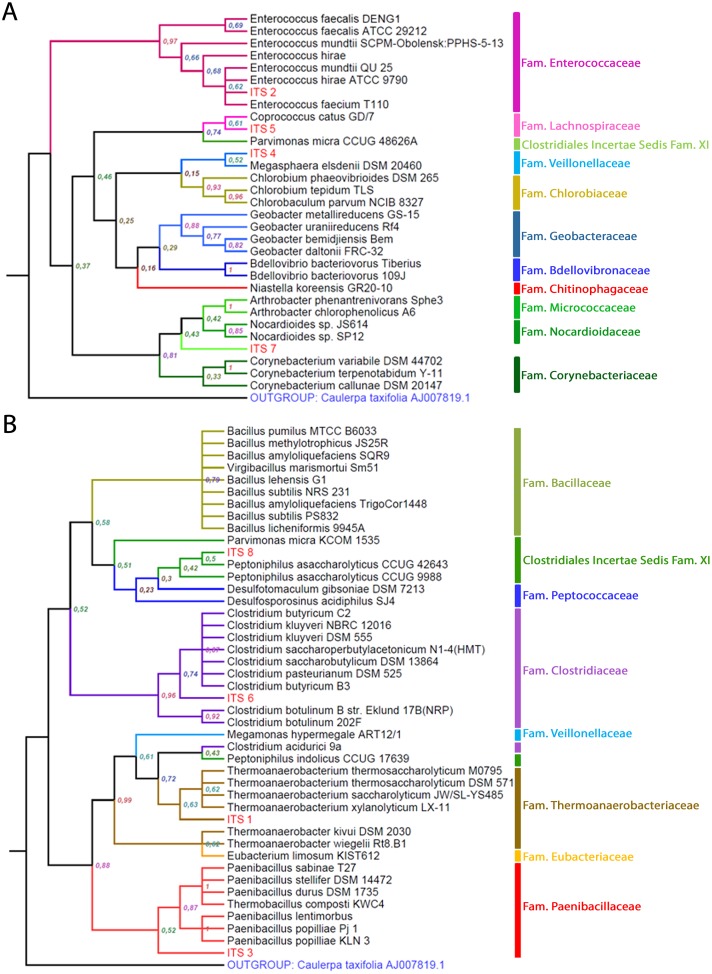
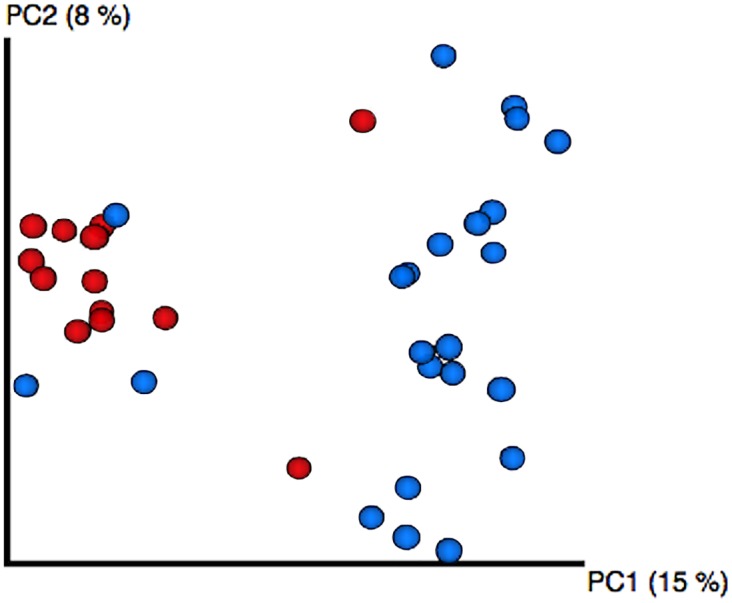
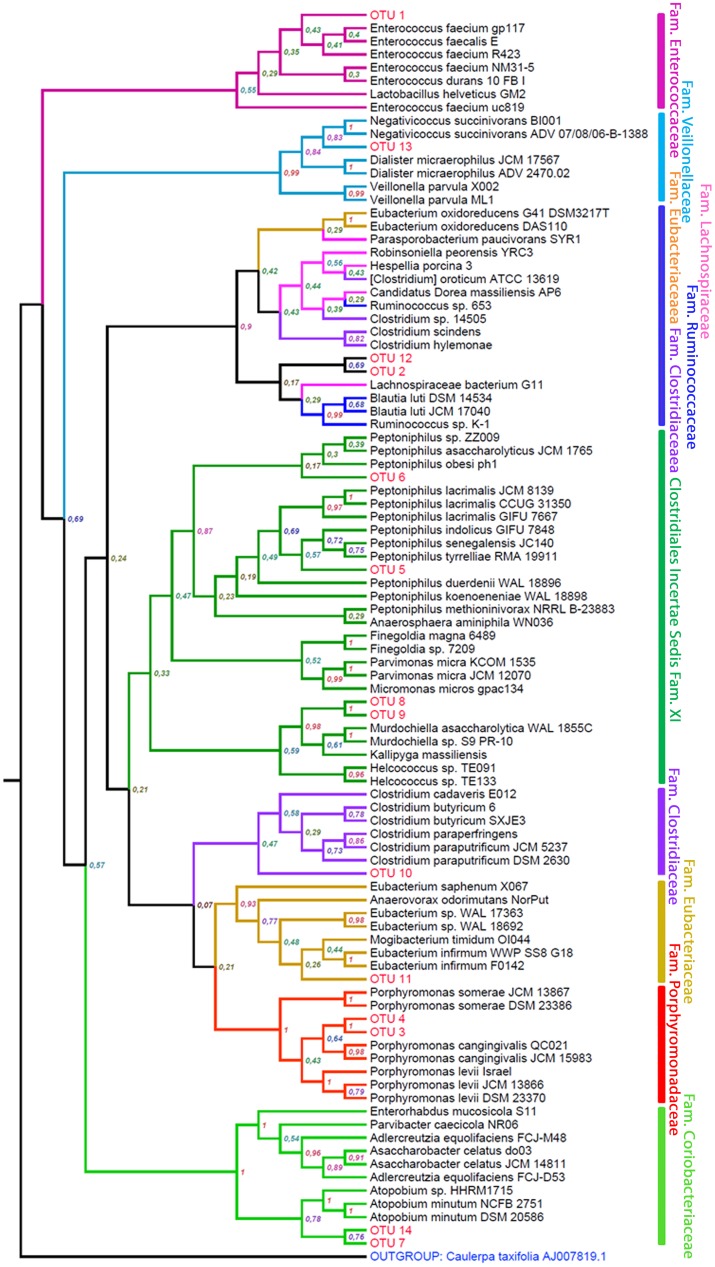
Molecular methods have revealed that symbiotic systems involving bacteria are mostly based on whole bacterial communities. Bacterial diversity in hoopoe uropygial gland secretion is known to be mainly composed of certain strains of enterococci, but this conclusion is based solely on culture-dependent techniques. This study, by using culture-independent techniques (based on the 16S rDNA and the ribosomal intergenic spacer region) shows that the bacterial community in the uropygial gland secretion is more complex than previously thought and its composition is affected by the living conditions of the bird. Besides the known enterococci, the uropygial gland hosts other facultative anaerobic species and several obligated anaerobic species (mostly clostridia). The bacterial assemblage of this community was largely invariable among study individuals, although differences were detected between captive and wild female hoopoes, with some strains showing significantly higher prevalence in wild birds. These results alter previous views on the hoopoe-bacteria symbiosis and open a new window to further explore this system, delving into the possible sources of symbiotic bacteria (e.g. nest environments, digestive tract, winter quarters) or the possible functions of different bacterial groups in different contexts of parasitism or predation of their hoopoe host.
分子方法已揭示,涉及细菌的共生系统大多基于整个细菌群落。人们已知戴胜鸟尾脂腺分泌物中的细菌多样性主要由某些肠球菌菌株构成,但这一结论仅基于依赖培养的技术。本研究通过使用不依赖培养的技术(基于16S rDNA和核糖体基因间隔区)表明,尾脂腺分泌物中的细菌群落比之前认为的更为复杂,其组成受鸟类生活条件的影响。除了已知的肠球菌外,尾脂腺还存在其他兼性厌氧物种和几种专性厌氧物种(主要是梭菌)。尽管在圈养和野生雌性戴胜鸟之间检测到差异,某些菌株在野生鸟类中的流行率显著更高,但该群落的细菌组合在研究个体中基本不变。这些结果改变了之前关于戴胜鸟与细菌共生关系的观点,并为进一步探索该系统打开了一扇新窗口,深入研究共生细菌的可能来源(如巢穴环境、消化道、越冬地)或不同细菌群体在戴胜鸟宿主的不同寄生或捕食情境下可能发挥的功能。